It is easy to forget how many hands have touched a tea leaf before it reaches ours.
We speak of mountains, harvest seasons, famous gardens, and the qualities of particular cultivars. We admire the fragrance of a good Long Jing or the complexity of a carefully roasted Tie Guan Yin.
Yet the people responsible for those qualities often remain unnamed.
I find that increasingly difficult to overlook.
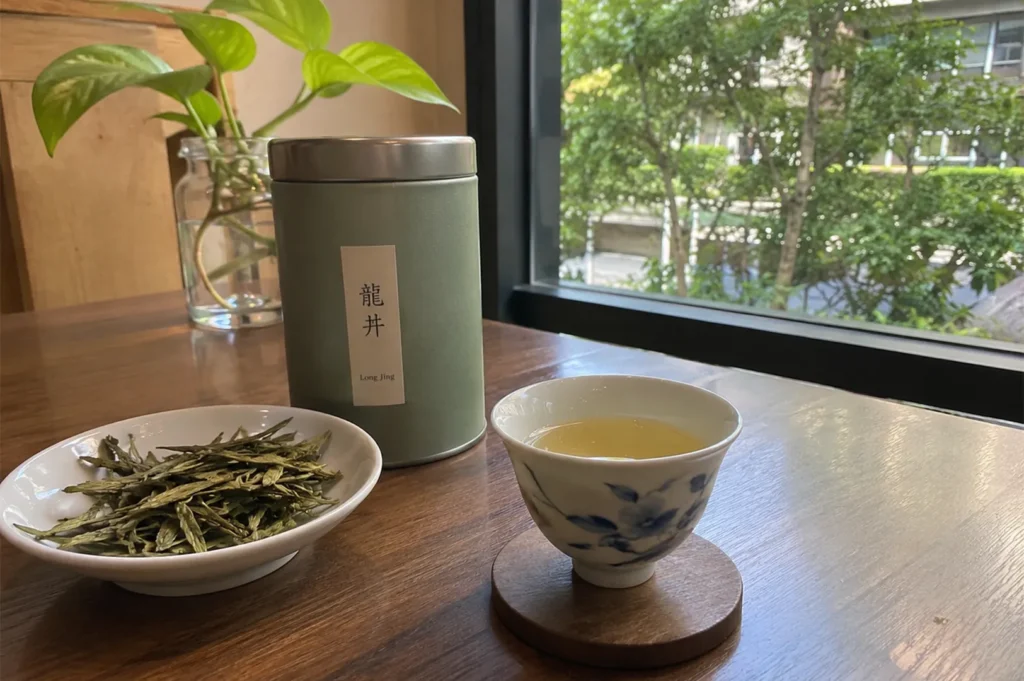
Consider Long Jing, for instance. Its distinctive flat leaves are shaped through a demanding process of pan-firing, where experience and careful judgment influence the finished tea.
Behind that familiar appearance is someone’s practiced skill.
And before the leaves reach the pan, someone must tend the plants, assess the growing conditions, and decide when the leaves are ready to be picked.
These are not romantic details added to make tea seem special.
They are work.
I think tea appreciation sometimes becomes too focused on the person drinking it. We discuss our brewing techniques, our preferred vessels, and how well we can recognise particular flavours.
There is value in developing that knowledge.
But I wonder whether we give enough attention to those who make such experiences possible.
A skilled tea maker may spend years learning to recognise changes that most of us would never notice. A farmer’s decisions may influence a harvest long before the leaves are processed.
Their contributions cannot always be understood from a tasting note.
Nor should they be reduced to a charming story printed on expensive packaging.
Gratitude, I believe, requires something more than admiration.
It asks us to become curious about provenance, working conditions, and whether the people producing our tea are treated fairly. These questions are not always easy to answer, but that does not make them less important.
I do not think every cup needs to become an exercise in ethical examination.
Sometimes tea should simply be enjoyed.
Still, I would like to remember that what feels effortless in my hands may represent considerable effort in someone else’s.
Perhaps appreciating tea more deeply begins not with learning another brewing technique, but with recognising the people whose knowledge and labour have already gone into the leaves.
The cup may belong to us.
The work behind it never did.
With quiet regard,
N. P. Lim

The Simplicity of Tea: Finding Joy in the Uncomplicated
Tea seems simple, doesn’t it? Water. Leaves. A cup. Yet we’ve turned this quiet ritual into something complicated. The perfect temperature, the right teapot, the precise timing. But is it really necessary? Tea, at its core, was never meant to be complicated. In the beginning, it was an uncomplicated drink shared between friends, brewed over…

Tea Chapter Singapore: A Tranquil Tea House in Chinatown
When it comes to tea in Singapore, there’s something special about stepping into a place like Tea Chapter Singapore. Tucked away in the heart of Chinatown, this tea house isn’t just about offering a wide selection of teas. It’s about the experience, the atmosphere, and the chance to disconnect from the fast pace of the…
-
Why Tea People Secretly Judge Your Tea Bags
There is a moment every tea drinker recognizes. You visit someone’s home, they kindly offer you tea, and you happily say yes. The kettle begins to boil. A cupboard opens. And then it happens. A tea bag appears. Now, there is nothing wrong with tea bags. They are convenient and often exactly what someone wants…
-
The Finest High Tea Singapore: An Exploration of Elegant Afternoon Delights
Picture this: a gleaming three-tiered stand arrives at your table, laden with delicate finger sandwiches, freshly baked scones served with clotted cream, and artful delicate pastries. The gentle clink of fine china accompanies the pouring of a perfectly brewed pot of TWG Tea or Bacha Coffee. This is the enduring magic of high tea, a…

The Quiet Patience That Tea Teaches
Tea does not rush. Water must be heated. Leaves must open. Flavour slowly reveals itself in the cup. None of these things happen instantly. Perhaps this is why tea has always felt slightly different from other drinks. It asks for patience. Not loudly, but quietly. The tea will be ready when it is ready. For…
-
A Guide to the Best Tea Singapore Has to Offer
Introduction In a city known for its vibrant food culture, tea quietly holds its own place among Singapore’s favourite indulgences. While coffee often dominates cafe conversations, many tea lovers know that the search for the best tea Singapore offers leads to a surprisingly diverse world of flavours, traditions, and carefully crafted blends. Across the city,…
-
A Tea Lover’s Guide to the Best Japanese Restaurant Singapore Dining Experiences
Searching for the best Japanese restaurant Singapore offers usually leads people toward sushi counters, omakase menus, or beautifully plated sashimi. Those elements certainly define much of the appeal of Japanese cuisine, but anyone who has spent time dining in Japan knows that the experience rarely ends with the food alone. Tea quietly accompanies the meal….

Why Tea Conversations Always Last Longer Than Expected
There is a small pattern I have started to notice about tea. Whenever tea is involved, conversations tend to last longer than planned. Someone says they will only stay for a short while. A kettle is placed on the stove. Tea is poured into a few cups, and suddenly the conversation begins to stretch in…
-
White Tea: The Most Delicate Expression of Chinese Tea
Introduction Among the many tea types that have emerged from centuries of tea cultivation, white tea often stands apart for its quiet character. It is light in colour, gentle in aroma, and remarkably simple in its making. Yet behind this softness lies a long tradition of craftsmanship that has shaped some of the most refined…
-
The Quiet Discipline of Brewing Tea
There is a quiet discipline that lives inside the act of brewing tea. It is not something that announces itself loudly. There are no strict rules written on the wall, no visible signs that something significant is taking place. From the outside, the process appears simple enough. Water is heated. Leaves are placed into a…