When you step into the world of tea, you quickly learn about the main categories: white, green, oolong, and black. For many, green tea is fresh and vegetal, while black tea is bold and malty. But what about oolong? This category seems to defy easy definition, with some oolongs tasting light and floral like a green tea, and others tasting rich and roasted like a black tea. The secret lies in a single, crucial step in tea processing: oxidation.
Think of tea oxidation as a spectrum. On one end, you have green and white teas with minimal oxidation. On the far other end, you have fully oxidized black teas. Oolong tea, whose name translates to "black dragon," claims the vast, fascinating middle ground. This partially oxidized tea is a testament to the artistry of tea makers. The defining characteristic of oolong is its partial oxidation, with oolong tea oxidation levels ranging anywhere from 10% to 80%.
This article will explore the science behind oolong's unique position, helping tea enthusiasts understand how this variability creates a universe of flavor from the very same tea plant.
The Science of Oxidation in Tea
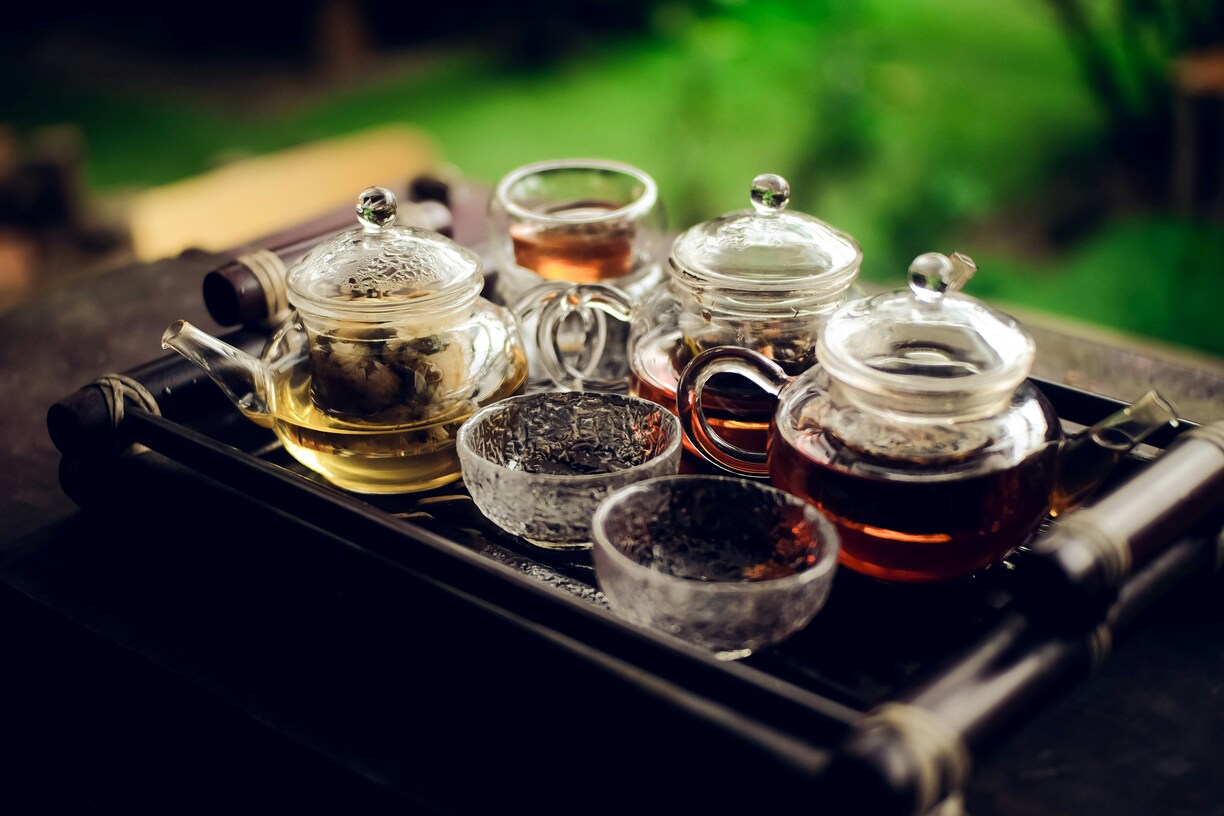
So, what exactly is oxidation? It’s the series of chemical reactions that occur when enzymes inside tea leaves are exposed to oxygen. A tea master intentionally initiates this process by bruising or rolling the oolong tea leaves, which breaks down their cellular walls and reduces the moisture content. As the leaves oxidize, their chemical composition changes dramatically, transforming their color, aroma, and taste. This is the key step that differentiates green and black teas from their semi-oxidized cousin.
This chemical reaction is all about polyphenols. When these compounds are exposed to oxygen, enzymes go to work, creating new compounds that define the tea's aroma and flavor.
In a lightly oxidized oolong, more of the original fresh, vegetal notes are preserved, placing it closer to a green tea. In a heavily oxidized oolong, the oxidation process creates deeper, more complex notes, pushing it closer to the black tea end of the spectrum. This controlled dance is what gives tea producers the power to craft an astonishing range of flavors and aromas.
Green Tea
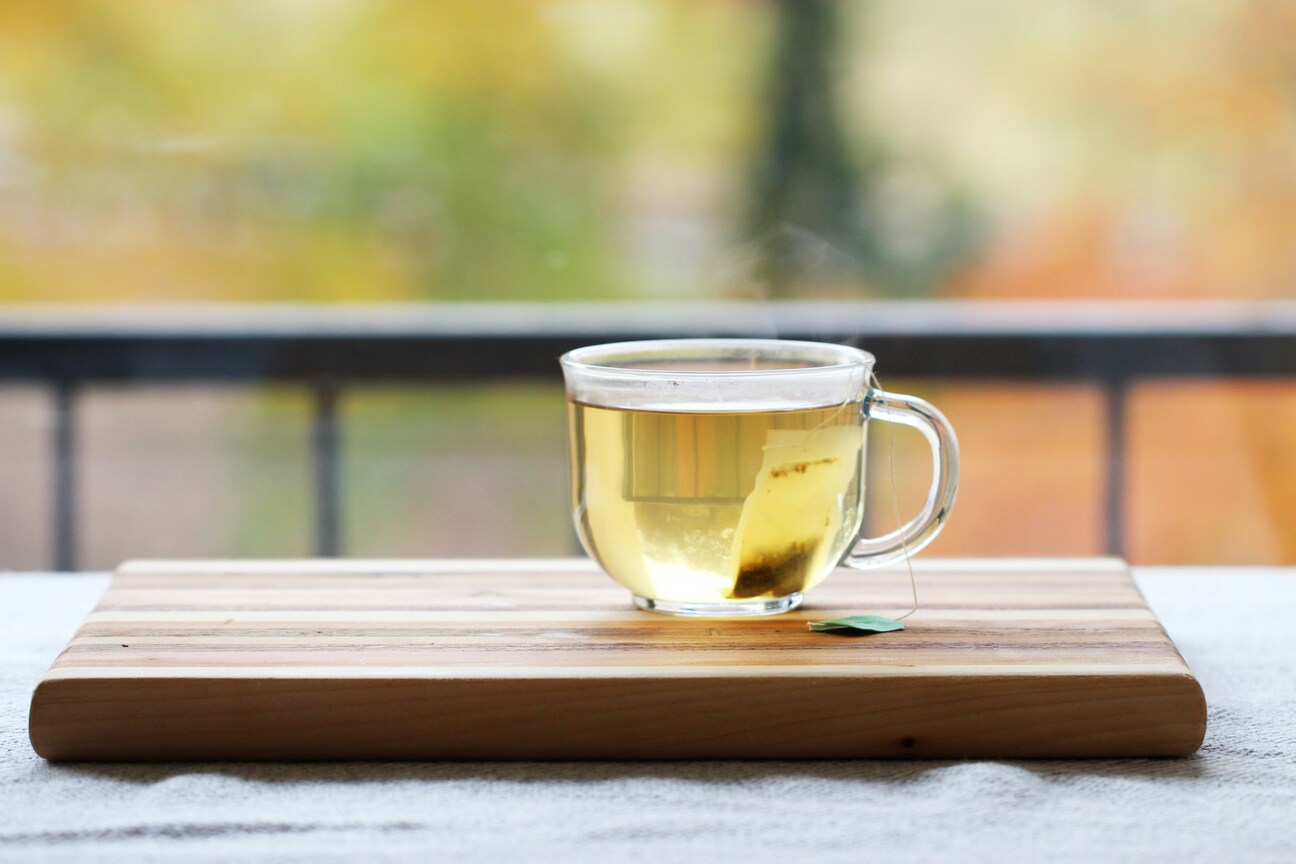
Green tea is known for its fresh, vegetal flavors thanks to its minimal oxidation. The tea leaves are usually quickly steamed or pan-fired after harvesting to halt oxidation, preserving their gentle grassy notes, light body, and bright, clean finish. These teas highlight a natural sweetness and sometimes subtle floral or marine undertones. Lightly oxidized oolong teas, like Tie Guan Yin (Iron Goddess), share some of these characteristics—retaining fresh, floral notes, creamy textures, and a sweet, delicate taste. This makes them appealing to those who enjoy the bright clarity of green tea but want added complexity and aroma.
Black Tea
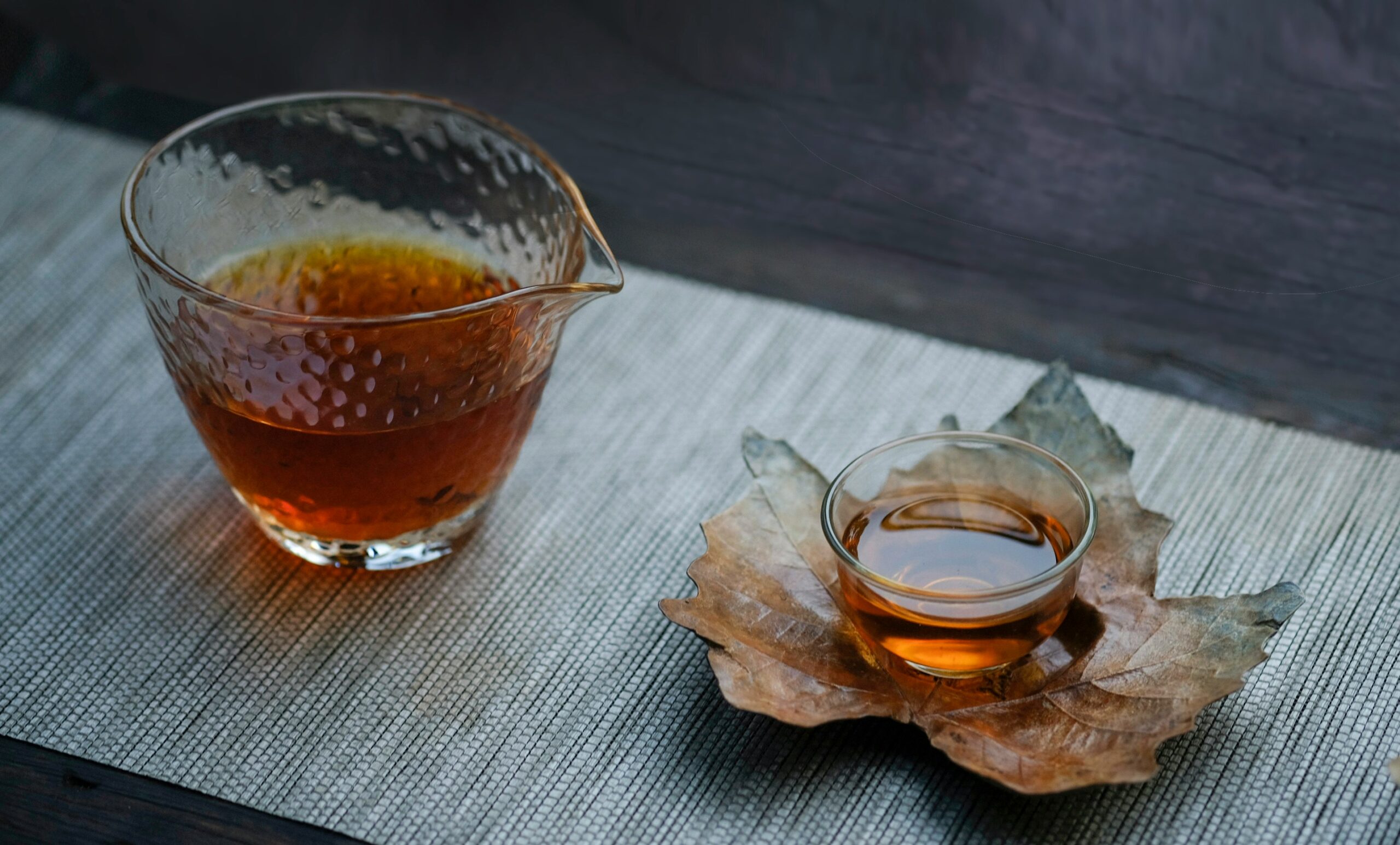
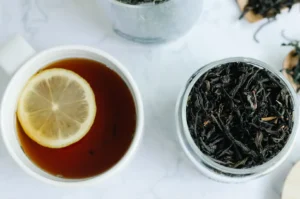
On the opposite end of the spectrum is black tea, which is fully oxidized. The oxidation process gives black tea its rich, bold flavors, dark amber color, and pronounced malty or sweet undertones. Black teas often display deep notes of fruit, spice, chocolate, or caramel, with a heavier body and warmer finish. Heavily oxidized oolong teas, especially those that are roasted, begin to approach the depth and warmth of black teas while still maintaining a touch more nuance and a smoother, lingering aftertaste.
Oolong Tea
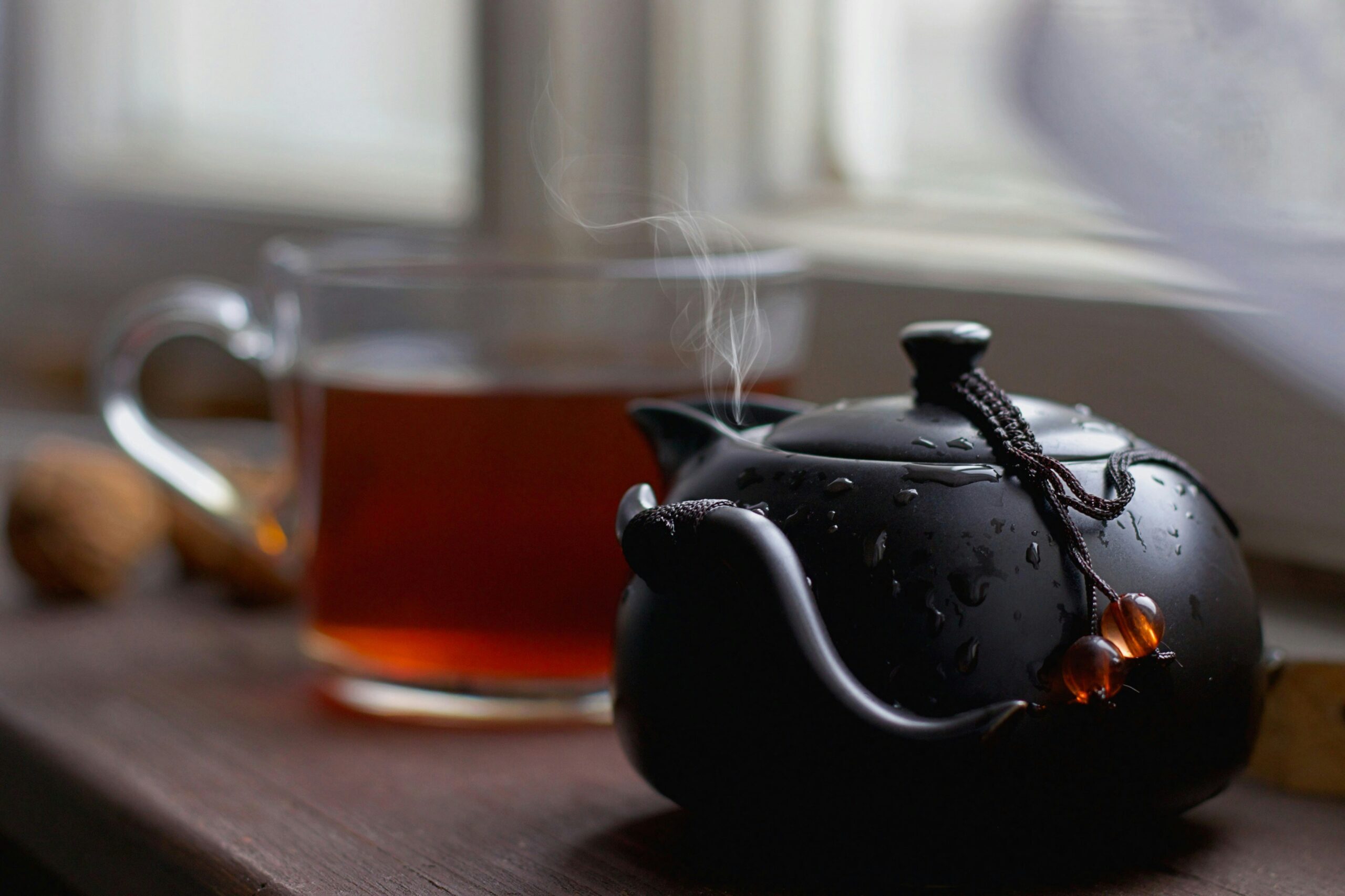
Oolong tea occupies the fascinating space between green and black tea, with oxidation levels that can range from about 10% to 80%. This partial oxidation is what creates oolong’s renowned diversity in flavor profiles. At the lower end, oolong teas are bright, buttery, and floral—much like a green tea, as seen in jade oolongs such as Tie Guan Yin. As the oxidation increases to medium levels, the floral notes develop into richer, fruity, and honeyed flavors, with hints of stone fruit and toasted nuts. When oolong teas are highly oxidized and sometimes charcoal roasted (like Da Hong Pao), they develop deeper notes of dark fruit, cocoa, and minerals, giving a robust, warming cup akin to black tea but with remarkable complexity and smoothness. Through this wide spectrum of oxidation, oolong tea offers tea enthusiasts an exceptional journey of flavors and aromas that can’t be found in any other tea category.
Regional Variations in Oolong Style
This spectrum of oxidation is deeply rooted in regional traditions. Different regions have perfected a distinct production style based on their local tea plant cultivars and historical processing methods.
Anxi, China
This region is home to some of the most famous lightly oxidized Chinese oolongs. The tea makers here specialize in teas like the Iron Goddess. Their oolong tea processing style emphasizes preserving the floral aromatics, resulting in tightly rolled leaves that are a vibrant light green color.
Taiwan
Taiwanese oolongs are world-renowned for their exceptional tea quality. Many are lightly oxidized, offering creamy notes. However, Taiwan also produces more moderately oxidized teas like Dong Ding, famous for its nutty, honeyed character. The island’s unique terroir and expert craftsmanship make it a powerhouse of oolong production.
Wuyi Mountains, China
This region is the birthplace of oolong and is famous for its dark, heavily oxidized "rock oolongs." The processing for teas like Da Hong Pao is designed to bring out deep, layered flavors of stone fruit and dark chocolate.
Famous Oolongs Across the Spectrum
To truly understand the diversity of this semi oxidized tea, it helps to know a few of the stars. Each of these high quality tea options offers a unique window into the world of oolong.
Tie Guan Yin (Iron Goddess)
Hailing from Anxi, this is perhaps the most famous lightly oxidized tea. It is known for its brilliant floral aroma, often compared to orchids, and its smooth, sweet finish.
Dong Ding (Frozen Summit):
A classic Taiwanese oolong, Dong Ding is typically a medium oxidation tea (around 30-40%) and often undergoes a light baking. This gives it a wonderful balance of floral notes with a distinct honeyed sweetness.
Da Hong Pao (Big Red Robe)
The king of Wuyi rock oolongs, this tea is heavily oxidized (60-70%) and traditionally roasted over charcoal. It delivers a complex flavor profile with mineral notes and a smoky sweetness.
Oriental Beauty (Dong Fang Mei Ren):
This unique Taiwanese tea is a marvel of nature. The tea leaves from the Camellia sinensis plant are bitten by a tiny insect, which triggers a defensive reaction. This, combined with a heavy oxidation level (around 70-80%), creates a tea with an incredible natural honey and muscatel grape flavor.
Visual Cues for Oxidation Levels
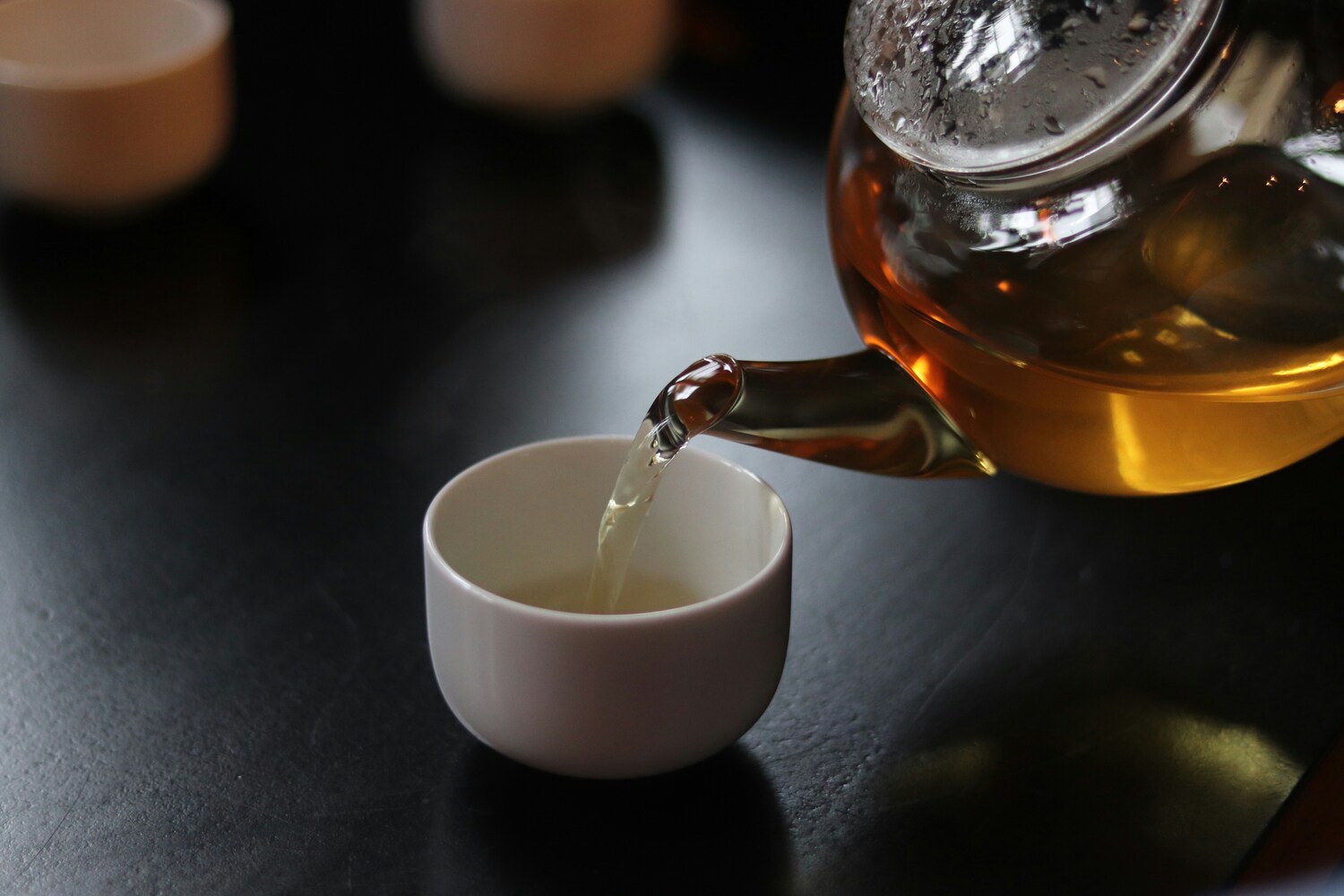
You don't have to be a tea connoisseur to get a sense of an oolong's oxidation level. You can learn a lot just by observing.
- Dry Leaf: Lightly oxidized oolongs will have tightly rolled leaves that are vibrant green. Heavily oxidized oolongs will have darker, more open leaves that are brownish-black. The rolled leaves of roasted oolongs will often have a slightly glossy sheen.
- Brewed Leaf: After steeping, the leaves reveal even more. The leaves of a green oolong will unfurl to a full, vibrant green color. The brewed leaves of a dark oxidized oolong will be a uniform dark brown.
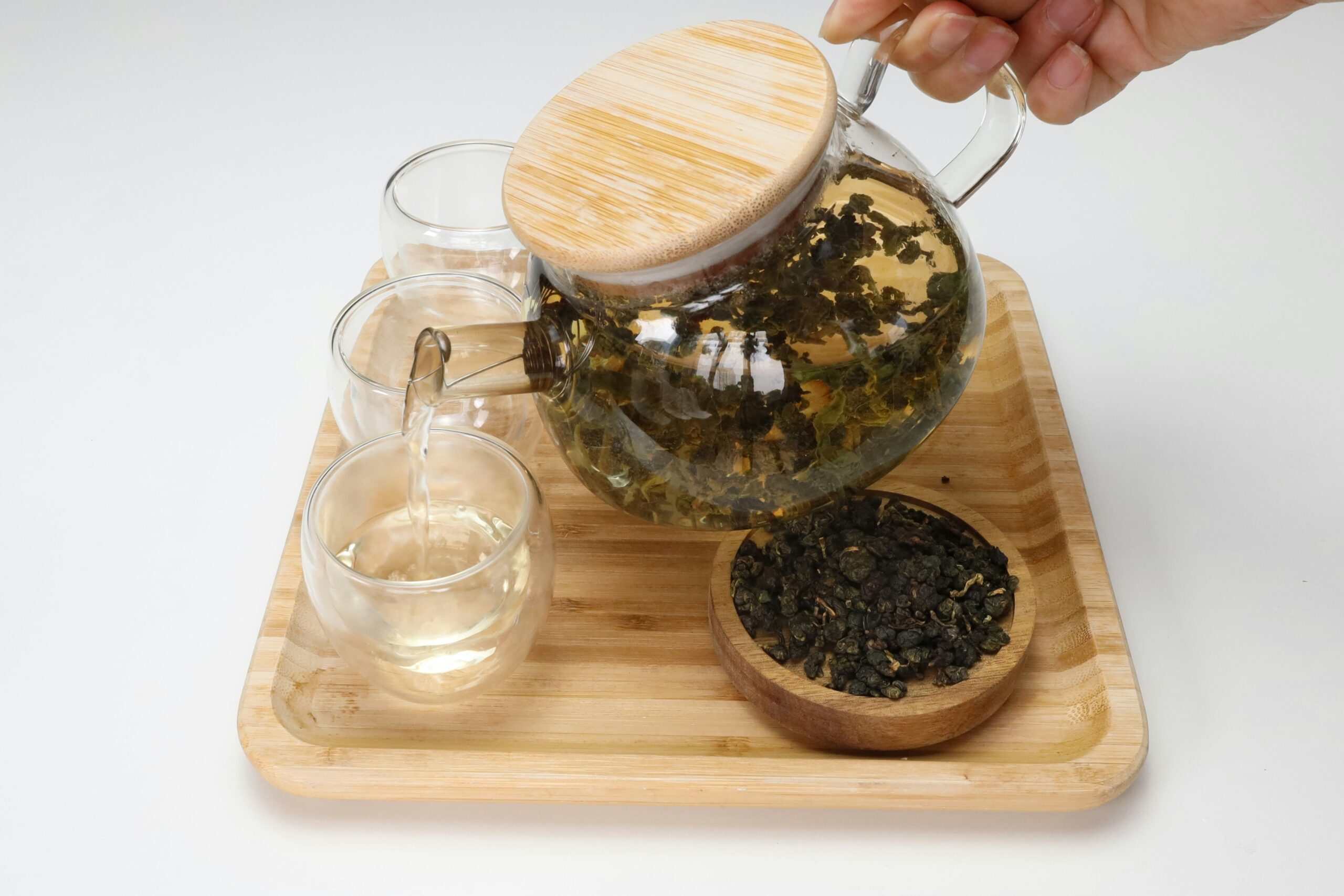
- Liquor Color: The color of the tea infusion is another clear indicator. Lightly oxidized oolong tea produces a pale, golden-yellow or light green color. As oxidation increases, the color deepens, moving through shades of golden amber to a rich, reddish-brown.
Brewing Oolong Based on Oxidation
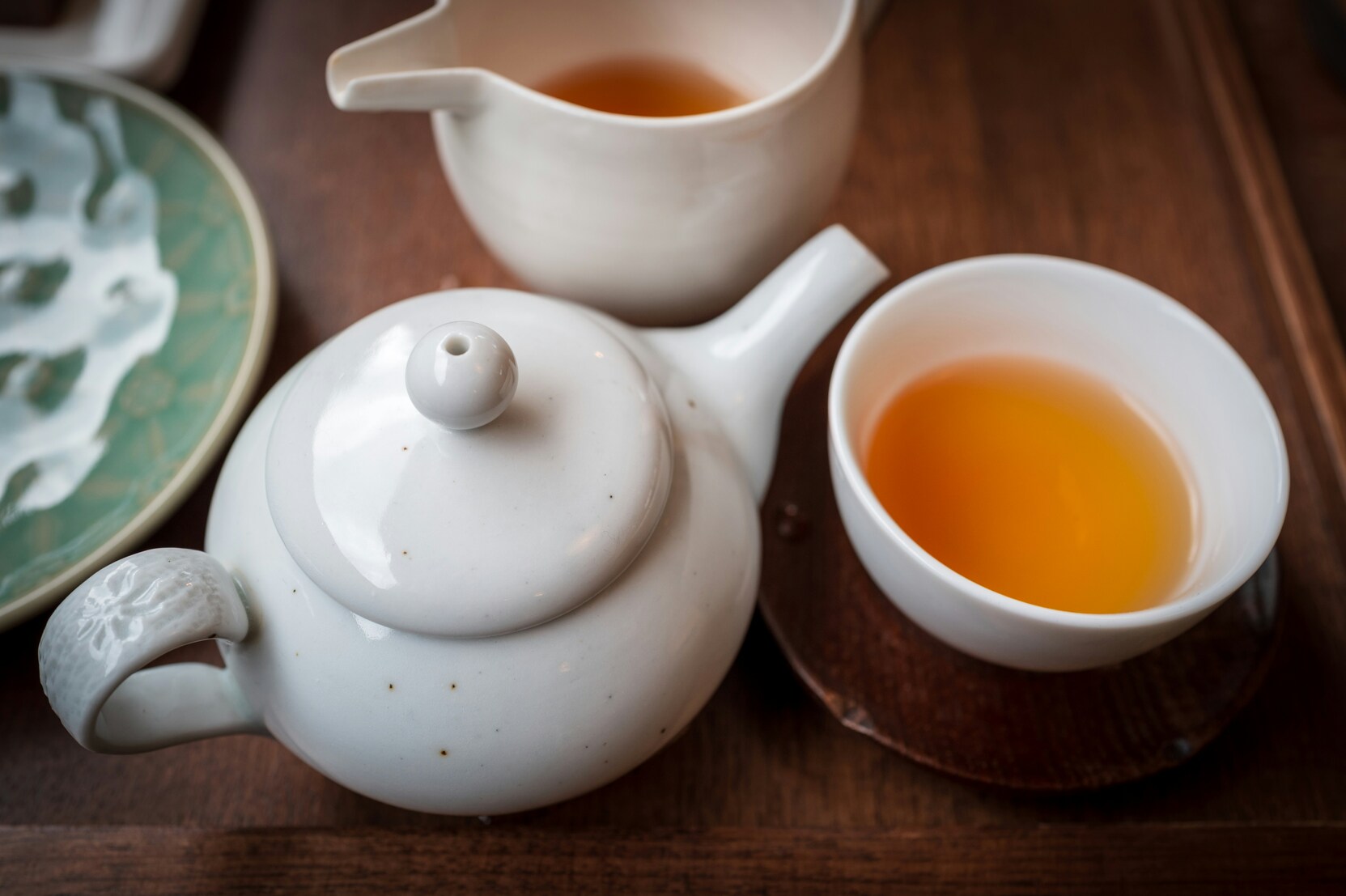
Because most oolong teas are so diverse, there is no one-size-fits-all brewing method. The key is to adjust your brewing instructions based on the tea's oxidation level to get the best flavor.
- Lightly Oxidized Oolongs: These delicate teas should be brewed with slightly cooler hot water, around 190-195°F (88-90°C), to avoid bitterness. A shorter steeping time, starting with around 45-60 seconds, is ideal. These teas are excellent for multiple infusions, so a high-quality tea can be brewed multiple times.
- Heavily Oxidized and Roasted Oolongs: These robust teas can handle hotter water, around 205-212°F (96-100°C), to fully extract their complex flavors. A quick 10-second rinse is often recommended to "awaken" the leaves. For the first infusion, steep for about 30-45 seconds. Each subsequent steep will reveal new layers of flavor. How long you steep can vary depending on your taste.
Oolong: The Most Diverse Tea Category
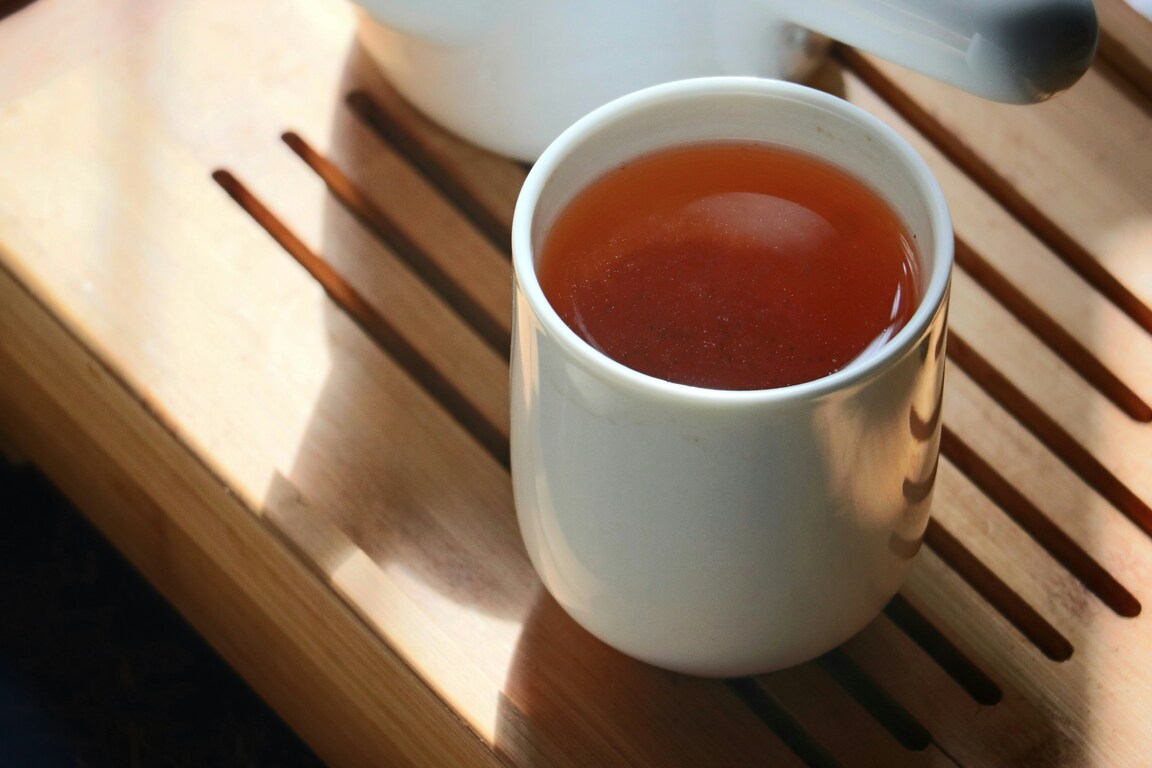
From the creamy notes of a high-mountain Taiwanese oolong to the dark, mineral-rich character of a Wuyi rock oolong, this single category offers a world of sensory experiences. Oolong tea's health benefits, such as the potential to lower cholesterol levels, and its moderate caffeine content add to its appeal.
The defining feature of oolong—its partial and variable oxidation—is what makes it the most complex and exciting category in the world of tea. This incredible range means there truly is an oolong for every palate. The next time you enjoy a perfect cup, take a moment to appreciate the journey of the leaf and the masterful control of the oxidation that brought its unique character to life.
We encourage you to explore the spectrum—from the earthy calm of matcha to the bold spice of masala chai—and discover your own personal favorites.

The Tea I Keep Drinking When I Don’t Feel Like Myself
There are days when tea feels unnecessary. Not because I stop liking it, but because I don’t feel like the version of myself who usually drinks it slowly, thoughtfully, and with attention. On those days, I still make tea anyway. Not out of ritual, but out of habit. It is never the elaborate kind of…
-
Tea Ceremony Kyoto: A Slow Dance of Bowls and Breath
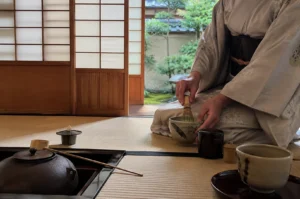
The room is quiet enough to hear water. Somewhere beyond the paper screens of this traditional tea ceremony venue, a garden drips after morning rain. Inside a tea house on a tatami mat worn soft by years of kneeling, a tea master lifts a bamboo whisk and begins tea making. There is no rush in…
-
Why We Keep Romanticising Tea Moments That Never Happened
I sometimes wonder if we are drinking tea or remembering something that never really happened. A quiet morning that feels softer in memory than it ever was in real life. A perfect cup by the window that somehow always looks better in hindsight. A tea moment that feels cinematic, even though it probably lasted only…
-
Masala Chai Tea Origins: The Cultural Evolution of India’s Spiced Tea Tradition
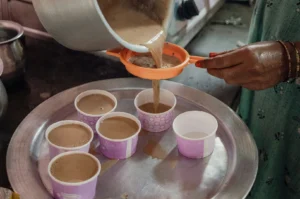
There is a sound that belongs to mornings across India: the hiss of milk rising in a battered pot, the clink of a spoon against metal, the low murmur of a tea seller calling out to passing crowds. Before the first sip, there is the scent. Cardamom pods, fresh ginger, and cinnamon stick curling into…
-
We Are Turning Tea Into Something It Was Never Meant to Be
There is something quietly strange happening in tea culture. The more popular the tea becomes, the more it starts to resemble everything it once stood apart from. Speed. Branding. Productivity. Performance. Tea, which once belonged to unhurried moments, is increasingly being asked to do more. To energize. To optimize focus. To replace coffee. To support…
-
Sencha Green Tea vs. Matcha Powder: Understanding the Differences in Japanese Green Tea
Two tins of tea powder sit side by side on a shelf. Both hold a fine green powder. Both promise the taste of authentic Japanese tea. To the eye, they look almost identical, and that is precisely where the confusion begins. One is matcha powder, often used in matcha lattes and desserts. The other is…
-
Discovering Gryphon Tea Company’s Earl Grey in Singapore
I recently tried the Earl Grey from Gryphon Tea Company Singapore, and I have to admit, it surprised me. Not because it was flawless-it wasn’t, but because it felt like a tea that knew exactly what it wanted to be. The aroma is the first thing that hits you. Bergamot is present but subtle, not…
-
Hojicha: The Roasted Japanese Green Tea With A Mellow Twist
There is a moment, just after the hot water meets the hojicha tea leaves, when the kitchen fills with the aroma of something toasted. Not grassy. Not sharp. Warm, like roasted nuts or the edge of a freshly baked loaf. That moment is where hojicha begins. Hojicha (sometimes spelled houjicha) is a roasted green tea…
-
A Quiet Afternoon at Yixing Xuan Teahouse
I recently spent a quiet afternoon at Yixing Xuan Teahouse, a place that feels like a pause in the city. The moment you step inside, the world seems slower. The air carries the gentle aroma of steeped leaves, and the staff move with quiet precision. I chose an oolong, simple yet familiar. Watching the leaves…
-
The Controversial Smoky Tea That Divides Enthusiasts: Lapsang Souchong Black Tea
There is a tea that empties rooms and fills them in equal measure. Open a box of loose leaf lapsang souchong black tea, and someone nearby will lean in with delight while another quietly steps away. Few teas provoke such immediate, honest reactions. That divide is part of its story. This smoked lapsang souchong smells…