The first time I understood Turkish tea, I was not drinking it in a café.
I was standing in a small shop, watching a man refuse to sell me the wrong thing. I had pointed at a shiny box of flavoured black tea, and he shook his head, quietly, the way someone corrects a friend rather than a customer. He reached instead for a plain paper packet of dry tea leaves, no gloss, no promises. That, he said, was authentic Turkish black tea, the essence of the word çay.
I have thought about that moment often. Because buying Turkish tea, it turns out, is less about finding tea leaves and more about learning what you are actually looking for in tea cultivation and production.
Turkish Tea: More Than a Beverage, a Core of Turkish Culture
In Turkey, tea is not just something to drink occasionally; it is the rhythm of the day and a central part of tea in Turkey’s social gatherings. From breakfast tea to afternoon cups, Turkish tea is poured in homes before anyone has fully woken, appears in offices between meetings, on ferries crossing the Bosphorus, and at market stalls. To be offered çay is to be welcomed; to refuse it gently still means something in Turkish culture.
This matters when you shop. You are not buying a product so much as buying into a habit that has quietly organized social life for generations. Understanding that changes what you reach for on the shelf.
The Word Çay and Its Place Among Other Cultures
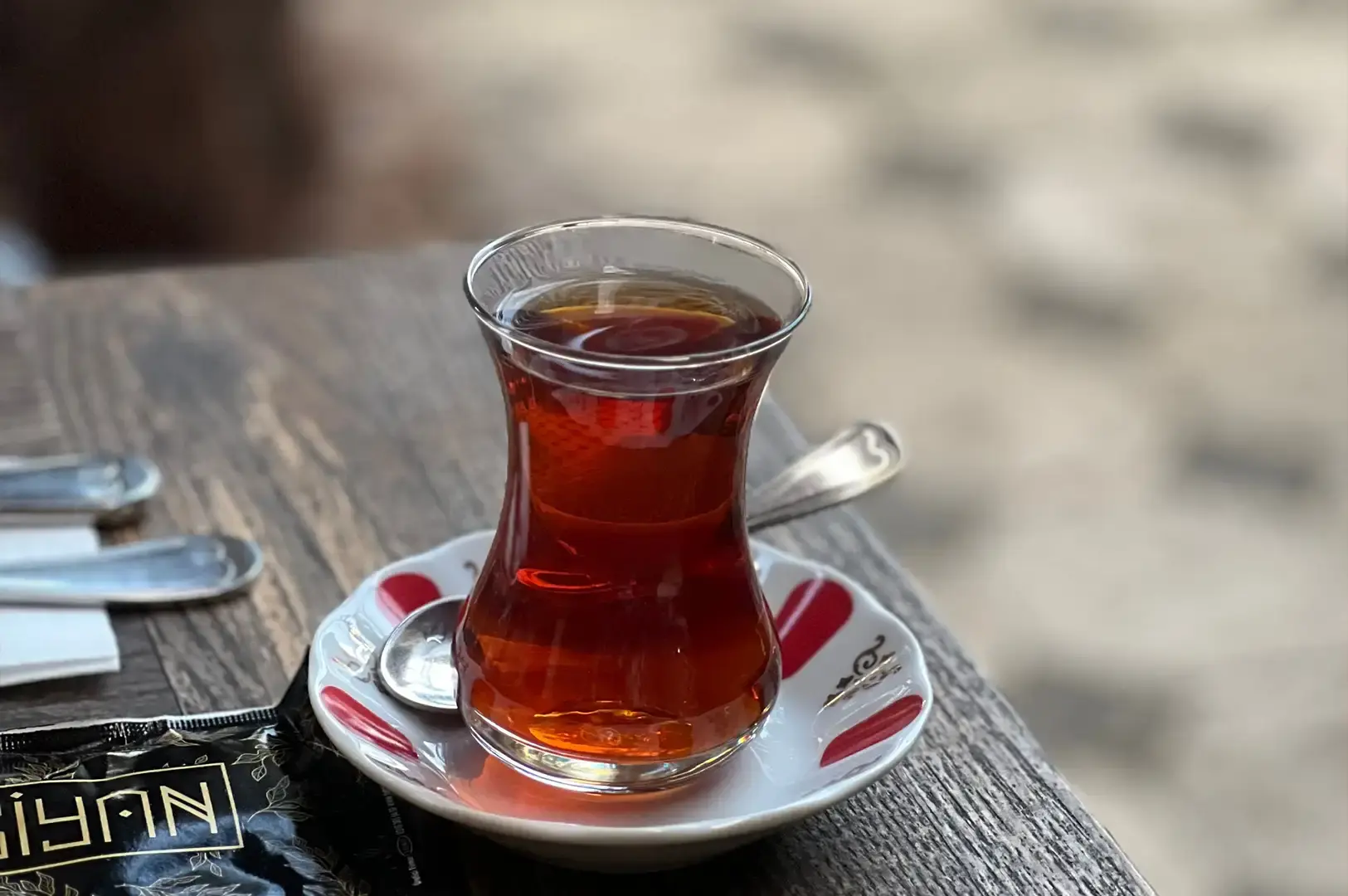
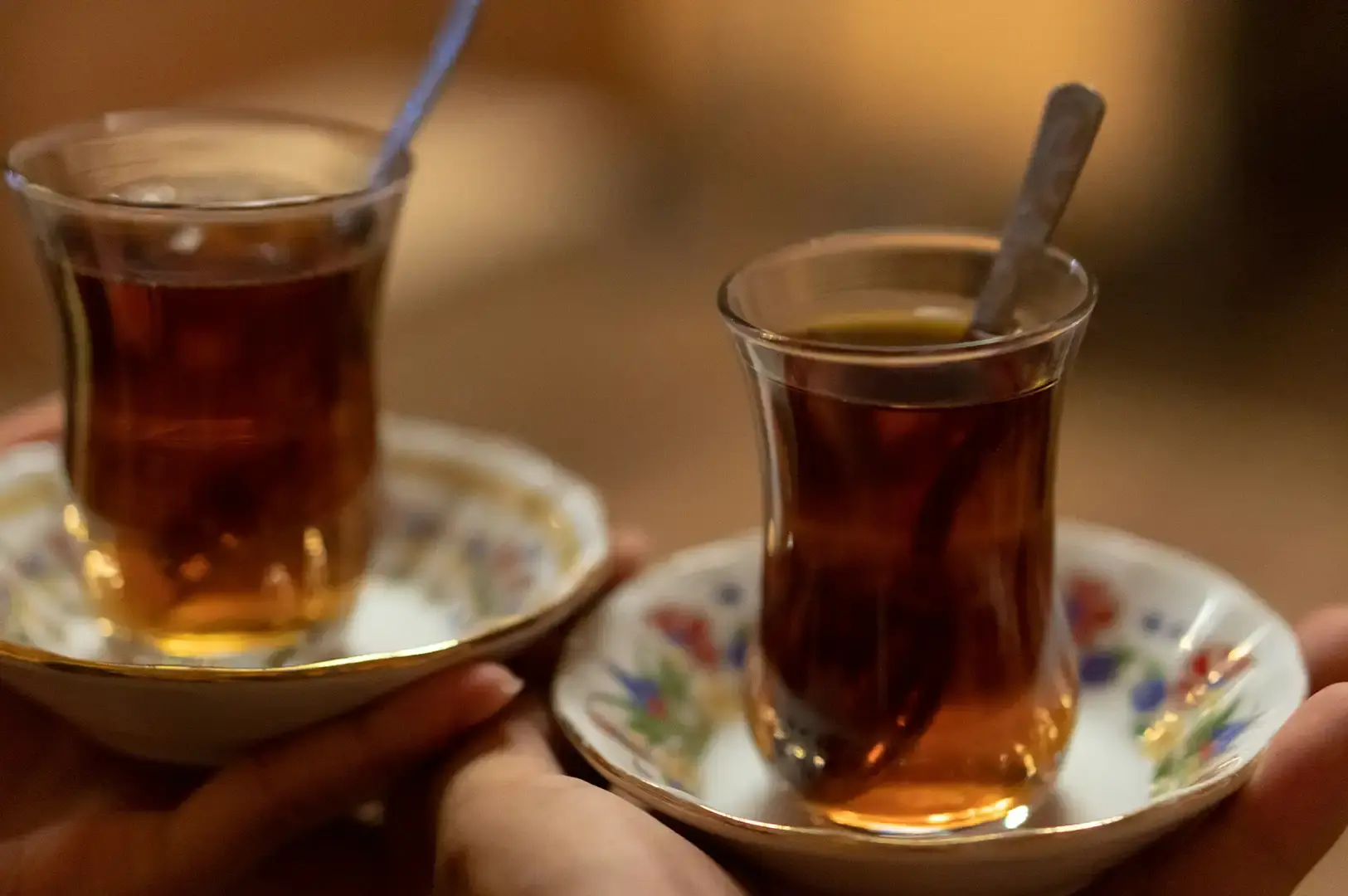
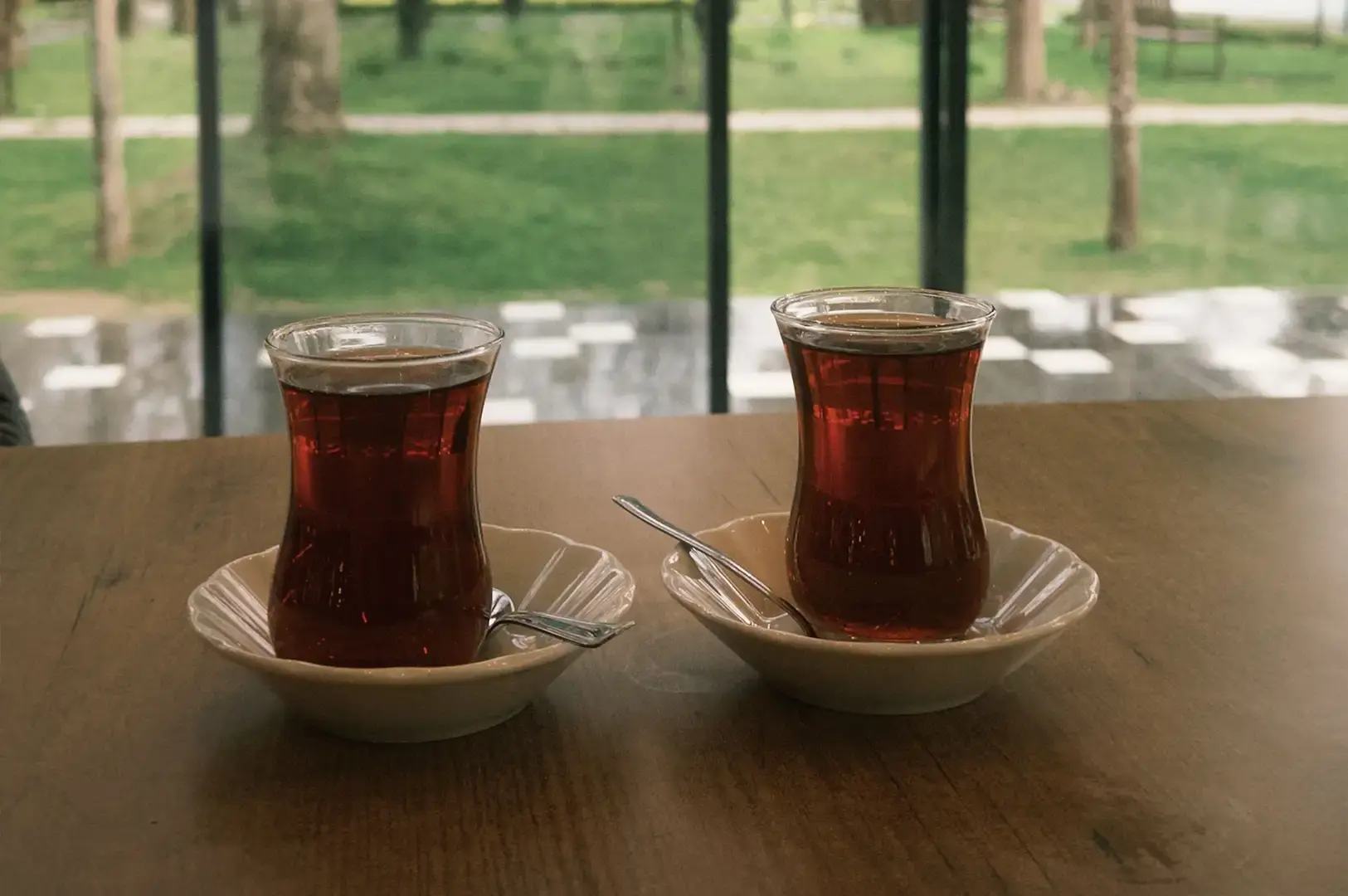
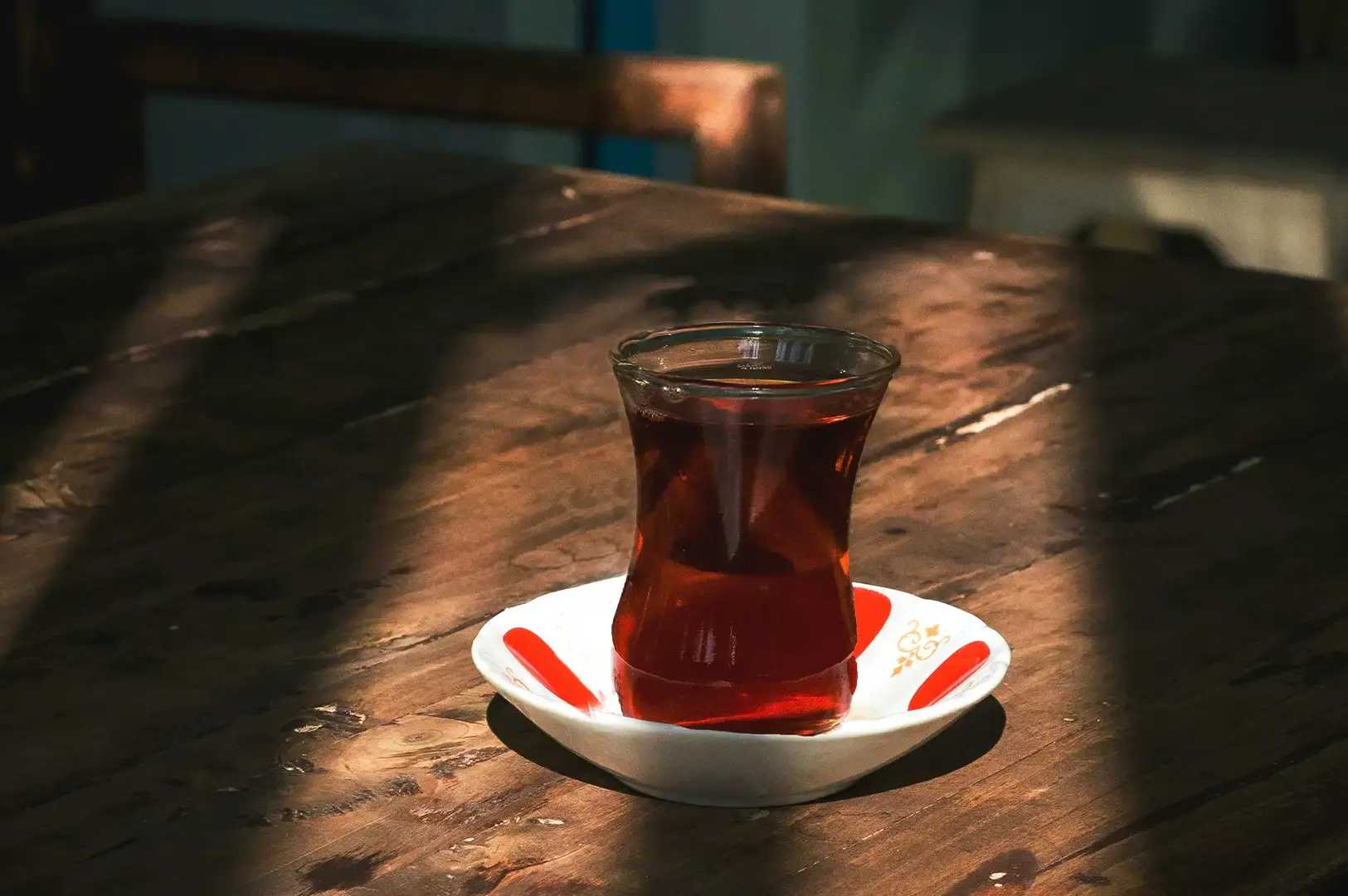
The word çay, pronounced "chai," connects Turkish tea drinking to a broader family of tea cultures stretching from China to India and Russia. While other cultures might add milk or lemon, Turkish tea is traditionally served without milk, often sweetened with sugar cubes or honey to suit the drinker's taste buds. The slim waisted (ince belli) glass cup, designed to save fingers from boiling water, is integral to the pleasure of drinking tea in Turkey.
This unique glass shape not only enhances the visual appeal of the deep amber tea but also reflects the Turkish emphasis on rest and social connection during tea time, where a hint of conversation accompanies each sip.
Black Tea and Tea Produced in the Eastern Black Sea Coast
Turkish black tea is the cornerstone of the tea industry in Turkey, with the Rize Province along the eastern Black Sea coast being the heart of tea cultivation. The region’s wet climate and fertile soil make it ideal for cultivating tea, producing high quality products with a strong flavor and smooth finish.
This black tea is distinct from other black tea varieties like Ceylon tea, offering a brisk yet less astringent taste that delights the taste buds. Innovative techniques in tea farming and processing have been adopted in recent years to enhance the quality and sustainability of production.
Despite fluctuations in harvest yields, such as the drop to over 500 thousand tonnes in 2023, Turkey remains the top consumer of tea per person globally, showcasing the cultural importance of this beverage.
Herbal Teas and Apple Tea: Expanding the Turkish Tea Palette
Alongside black tea, herbal teas hold a cherished place in Turkish tea drinking. Apple tea, or Elma Çayı, is especially popular, known for its sweet and fruity flavour and often consumed as a caffeine-free alternative.
These herbal teas complement traditional Turkish tea rituals and are commonly offered during social gatherings, adding variety to the tea industry. Other herbal infusions like rose hip and linden flower teas are also favored for their soothing properties.
The use of herbal teas often carries supposed medicinal benefits in Turkish folk medicine, reflecting a cultural blend of tradition and health consciousness.
The Double Teapot and the Art of Making Tea
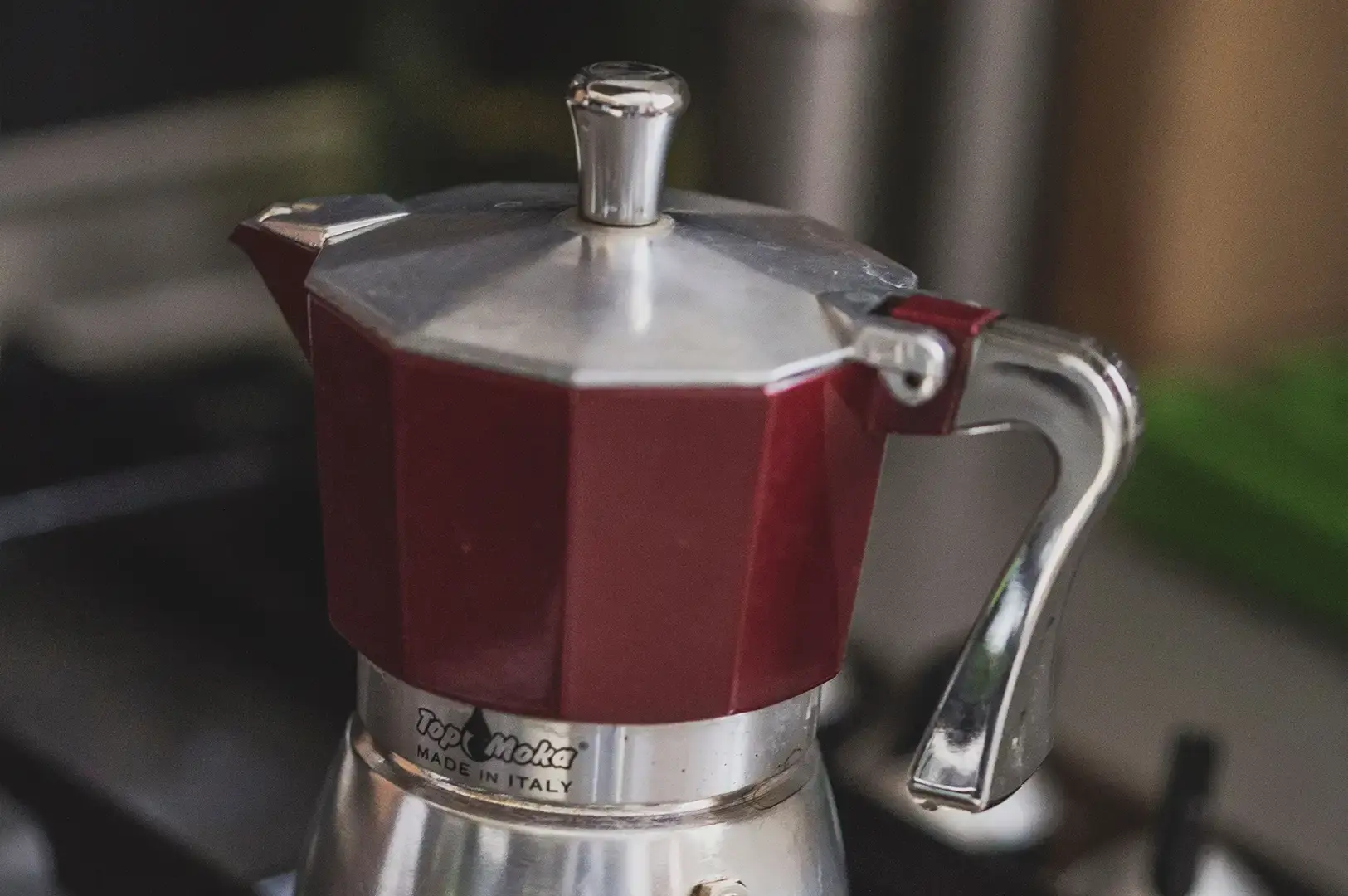
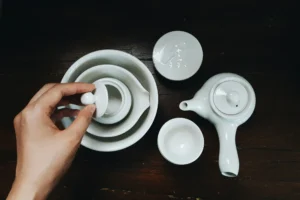
Central to making tea in Turkey is the double teapot, or çaydanlık. The lower pot is filled with boiling water, while the top pot steeps the dry tea leaves to create a strong concentrate. When serving, a small amount of this concentrated tea is poured into the glass and then diluted with hot water from the bottom pot, allowing each person to adjust the strength from strong (koyu) to light (açık) by adding more water.
This method preserves the tea’s essence and ensures a balanced taste. The ritual of brewing tea using the çaydanlık also embodies the Turkish value of rest, as it encourages taking time to enjoy the process and company, rather than rushing the experience.
Brewing Turkish Tea: The Ritual and Science of Tea Drinking
Brewing Turkish tea is as much about precision as it is about tradition. Use fresh boiling water and warm the teapot before brewing. Let the tea leaves steep fully in the top pot to develop their full flavor.
When serving, pour half the glass with tea concentrate and then add water to taste, always leaving a small space at the top of the slim waisted glass to avoid spills and burns.
Sugar cubes or honey can be added for sweetness, but milk is never traditionally used. This careful preparation ensures that each cup carries the supposed perfect balance of strength and flavor, a hallmark of authentic Turkish tea that invites relaxation and social bonding.
Breakfast Tea and the Broader Turkish Tea Culture
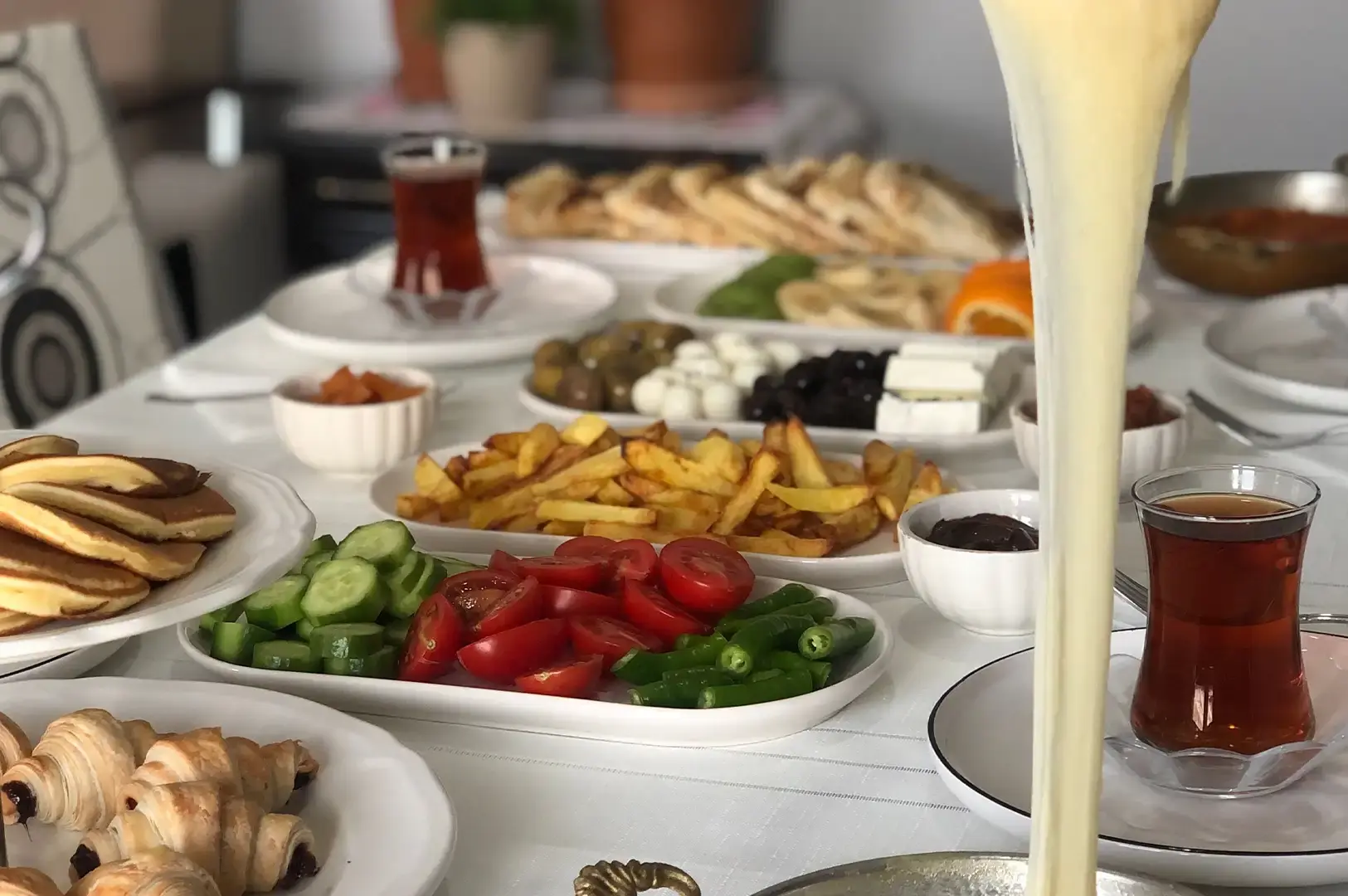
While coffee has a long history in Turkey, tea drinking has become the dominant morning beverage, cherished for its strong flavor and invigorating qualities. Turkish tea accompanies breakfast and is consumed throughout the day, reflecting the country’s deep-rooted tea culture.
The pleasure of drinking tea in Turkey is tied not only to taste but also to the social connections it fosters.
The ritual of tea drinking is supposed to provide a moment of rest and reflection amid daily activities, often accompanied by a hint of sweetness from sugar or local pastries.
Where to Buy Turkish Tea: Trusted Sources for Quality and Authenticity
Finding where to buy Turkish tea means looking beyond fancy packaging to trusted brands and high turnover shops that ensure freshness. Turkish and Middle Eastern grocers, halal supermarkets, and Mediterranean food markets often stock genuine tea produced in Rize Province.
Specialist tea shops may carry Turkish black tea alongside other varieties like green tea and Ceylon tea but always check for origin and quality.
Online marketplaces and direct-from-Turkey retailers offer the broadest selection, especially for those far from Turkish neighborhoods. When buying, look for clear labeling of country and region, preferably mentioning the Black Sea region or Rize Province, and avoid blends or flavored teas if you want authentic Turkish tea.
Brands like Çaykur are widely recognized for quality and use innovative techniques in cultivation and processing to maintain the tea’s distinctive flavor profile.
The Last Pour: Embracing the Essence of Turkish Tea
The hunt for authentic Turkish tea is not about the rarest leaf or the fanciest brand but about embracing a beverage that embodies Turkish culture and hospitality. It is about the double teapot, the boiling water, the slim waisted glass, and the act of offering tea that brings people together. Brew it slowly, pour it carefully, and savor the strong flavor and warmth that make Turkish tea a daily pleasure across Turkey and beyond.
Go looking. Ask the questions. Then put the pot on and enjoy the timeless ritual of tea drinking in Turkey.
Visit Tea Manor Singapore for a more profound knowledge and insights on tea varieties and rituals.

Brew, Sip, Heal: The Powerful Chamomile Tea Benefits Explained
Singapore is a city that rarely stops moving. Between the hum of the MRT, the endless glow of screens, and the heavy humidity that clings to the air, finding a moment to genuinely wind down can feel like a luxury. For the longest time, my evening routine consisted of scrolling through my phone while finishing…

Why Tea Feels Different at Night
Tea changes after dark. The same leaves, brewed in the same pot, somehow feel quieter in the evening. The aroma lingers longer. The warmth of the cup feels more noticeable in the hands. Even conversation seems to soften slightly around tea at night. Perhaps it is because the world itself becomes quieter. During the day,…

Tea Health Benefits: Best Teas for Relaxation, Focus, and Sleep
Tea is one of the world’s most beloved drinks, enjoyed every day across countless cultures. When we talk about tea health benefits, it’s helpful to know the difference between true tea and herbal infusions. True tea comes from the Camellia sinensis plant, giving us popular varieties like green, black, white, and oolong tea. On the…

The Secret Joy of a Simple Cup of Tea
There’s something so deeply satisfying about a cup of tea-especially when it’s the simplest cup. No complicated brewing methods. No fancy leaves. Just tea, water, and a moment of quiet. I’ve had tea in many places, from grand tea houses to humble kitchen counters. But the most memorable tea moments often happen in the least…
-
A Quiet Tea Café in Somerset: Inside the Experience at Hvala
Amid Singapore’s bustling shopping hubs like Orchard, Club Street, and Tanjong Pagar, finding a peaceful spot to unwind can be a challenge. Hvala, a minimalist tea cafe Singapore locals and visitors adore, offers a serene teahouse experience brimming with natural light and calm vibes. Located on the ground floor of 111 Somerset, this bright, inviting…
-
The Tea We Return To Again and Again
Most tea drinkers have one. A tea they continue returning to, even after trying countless others. It is rarely the rarest tea they own. Often, it is not even the most impressive. It may lack the complexity of aged teas or the elegance of carefully crafted harvests. And yet, somehow, it becomes the tea they…
-
Pek Sin Choon vs Modern Teaware Shops: Two Tea Traditions in Singapore
Walking through Chinatown’s Mosque Street, you encounter two distinct tea traditions that embody Singapore’s rich heritage and evolving culture. Pek Sin Choon, one of the oldest tea merchants in Singapore, stands as a living root of Chinese tea culture, while modern teaware shops offer a fresh perspective on tea appreciation through design and brewing systems….
-
Why I Stopped Saving My “Good Tea” for Special Occasions
For the longest time, I treated my favorite teas like they needed a reason. I would buy something beautiful, maybe a delicate oolong or a tea that smelled faintly floral the moment I opened the tin, then immediately start rationing it in my head. I’ll save this for guests. For weekends. For days that feel…
-
Teapot Set: How It Shapes the Tea Experience
On certain afternoons in Singapore, when rain softens the edges of the day, I find myself lingering before the water reaches its boil. The teapot rests nearby, waiting. There is always a moment like this before tea (quiet, unhurried) when the world seems willing to pause with you. A teapot set belongs to these moments….
-
The Quiet Difference Between Drinking Tea Alone and With Someone
There are days when I reach for tea just to sit with myself for a while. No distractions, no need to fill the silence. Just the slow rhythm of pouring, waiting, sipping. When I’m alone, tea feels almost like a pause button. The kind that lets the day settle a little before continuing. But tea…