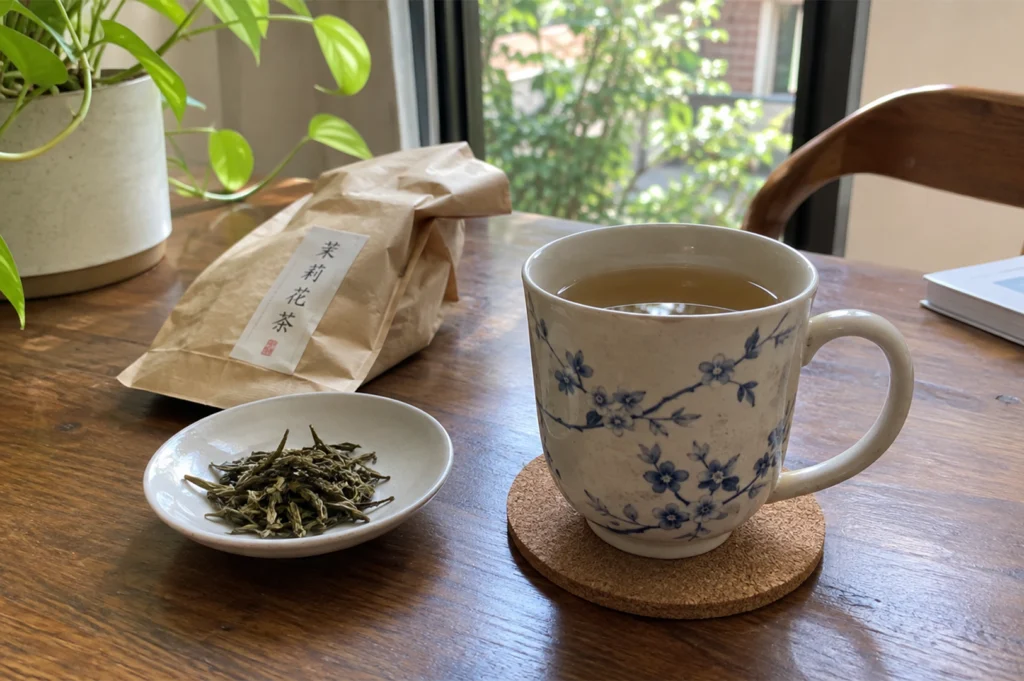
There is something reassuring about making tea in an ordinary mug.
No carefully arranged tray. No matching cups. No elaborate preparation.
Just leaves, hot water, and a few quiet minutes.
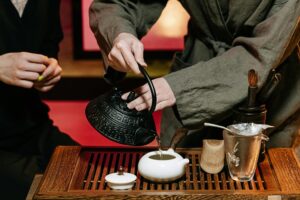
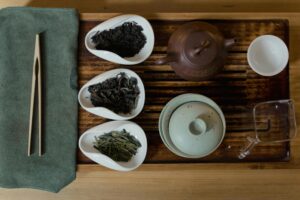
I have always appreciated beautiful teaware. A well-made gaiwan, a traditional clay teapot, or a thoughtfully arranged tea table can bring a certain pleasure to brewing. These objects carry knowledge, craftsmanship, and sometimes generations of tradition.
But I wonder when we began treating them as requirements.
Tea culture has accumulated an impressive collection of equipment. We speak of vessels, materials, temperatures, and techniques with considerable seriousness.
Much of this knowledge is valuable.
Yet I sometimes worry that we have made the appearance of tea preparation more important than the experience itself.
A cup of jasmine green tea does not become less fragrant because it was brewed in a kitchen mug. A good Assam does not lose its character simply because the person preparing it owns no specialised equipment.
The leaves respond to water and time.
Not to the beauty of the table.
Of course, different vessels can influence how tea brews. A gaiwan allows greater control over successive infusions, while certain teapots offer their own practical advantages.
There is satisfaction in learning these distinctions.
But knowledge should expand our enjoyment, not establish conditions for it.
I think about how easily we postpone simple pleasures while waiting for the right circumstances. The better teapot. The proper cups. A quiet afternoon when everything can be arranged perfectly.
Meanwhile, the tea remains untouched.
Perhaps we have misunderstood what makes a tea ritual meaningful.
It is not necessarily the equipment, nor the precision of our movements. Sometimes it is simply the decision to pay attention to something ordinary.
To notice the fragrance.
To taste without distraction.
To allow a familiar cup a little space in the day.
I would never discourage someone from collecting beautiful teaware. There is genuine pleasure in craftsmanship, and much to learn from traditional methods.
But I would rather see someone enjoy tea imperfectly than hesitate because their kitchen lacks the proper arrangement.
A tea setup can deepen an experience.
It should never become the price of admission.
The mug you already own is enough to begin.
With quiet regard,
N. P. Lim

Sobacha: Exploring the Japanese Tradition of Roasted Buckwheat Tea (Sobacha)
Beyond the celebrated world of Japanese green tea lies a treasure trove of comforting, traditional beverages. Among the most beloved is sobacha (そば茶), a nutty and wholesome roasted buckwheat tea. It’s a staple in Japanese households and restaurants, cherished not just for its delightful flavor but for its deep connection to Japanese culinary culture and…
-
Ginger Tea Singapore: A Practical Journey to Finding and Enjoying This Wellness Beverage
Ginger tea is more than just a comforting beverage in Singapore; it’s a staple of modern wellness, a go-to remedy for chasing away the chill of an air-conditioned office, and a familiar taste of home across many cultures. The gentle warmth of ginger tea provides a soothing and invigorating sensory experience, evoking feelings of coziness…
-
Beyond Coffee: Cafe Singapore Cafes Worth Visiting for Their Tea
Author’s Note: I made just a few tweaks here and there to smooth out the flow and make your reading experience as enjoyable as possible. Hope you enjoy the read as much as I enjoyed fine-tuning it for you! If you close your eyes and imagine a typical cafe Singapore scene, you’d likely hear the…
-
Green Tea in Japan: Exploring the Cultural and Social Dimensions of Green Tea in Japan
In Japan, green tea is more than just a beverage; it is a cultural cornerstone, deeply woven into the fabric of daily life, social customs, and national identity. It’s the welcoming drink offered to a guest, the quiet moment of reflection in a busy day, and the centerpiece of a centuries-old ceremony. While many are…

Singapore Ginger Tea: A Complete Guide to Traditional Wellness in the Lion City
In Singapore’s multicultural landscape, ginger tea is a beloved staple that transcends cultural boundaries. Known locally as teh halia, this warming brew embodies centuries of traditional wisdom adapted to modern Singapore life. Whether you seek relief from air-conditioned chill, digestive support after a big meal, or a refreshing sip on a rainy day, Singapore ginger…
-
Loose Tea Leaves: Elevate Your Singapore Tea Experience
In a city that moves as fast as Singapore, the simple act of brewing a cup of tea can feel like a small rebellion—a moment of intentional calm. More and more tea lovers are discovering that this moment is profoundly elevated when they make the switch from conventional tea bags to loose tea leaves. This…
-
Tea Leaf Singapore: An Exquisite Journey of Flavours, Traditions, and Moments
Singapore’s strategic position as a maritime trading hub has nurtured a rich tea culture where ancient traditions blend with modern innovation. The local love for tea runs deep, shaping Singapore’s unique tea culture and fostering a strong appreciation for every cup. Singapore continues to honor its tea traditions while embracing new innovations, ensuring that the…
-
Korean Barley Tea: A Journey into Boricha and Its Rich Traditions
Walk into any Korean restaurant, and before you glance at the menu, a glass of amber-colored boricha (보리차) arrives. This Korean barley tea is as fundamental as water in Korean culture—served hot or cold, a staple in everyday life and a gesture of hospitality. While roasted barley tea is popular across many East Asian countries,…
-
Mugicha Barley Tea: Japan’s Beloved Caffeine-Free Summer Drink Unveiled
Long before green tea became Japan’s iconic beverage, mugicha barley tea—a golden, nutty roasted barley tea—has refreshed Japanese families for centuries. Unlike traditional tea from Camellia sinensis leaves, mugicha is a naturally caffeine free herbal tea made by steeping roasted barley grains in hot water. This traditional barley tea has evolved from an imperial luxury…
-
Buckwheat Tea Unveiled: Singapore’s Rising Caffeine-Free Wellness Beverage
Singapore’s health-conscious community is embracing buckwheat tea, a caffeine free tea known for its rich cultural heritage, unique nutty flavor, and impressive health benefits. This traditional Asian beverage, also called soba cha in Japan, offers a soothing alternative to green tea or coffee, perfect for Singapore’s tropical climate and wellness goals. Its growing popularity reflects…