Introduction
Tucked away in Cuppage Plaza, Izakaya Nijumaru stands as a testament to the charm of traditional Japanese dining with a relaxed, welcoming atmosphere. Known for its hearty, bold flavours and laid-back vibe, this Japanese restaurant isn’t just a place to enjoy good food—it’s where the experience of eating becomes about more than just what’s on your plate.
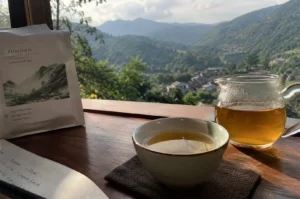
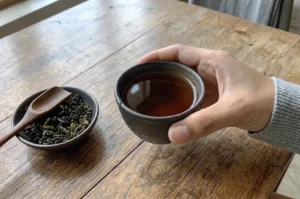
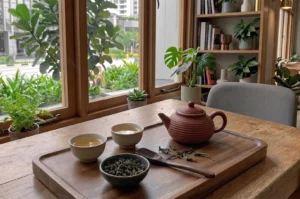
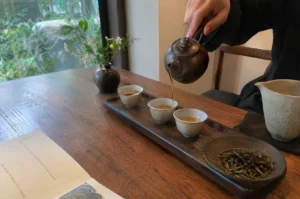
Though the menu offers rich dishes like chicken teriyaki, tempura soba, and braised pork, there’s an often-overlooked feature that enhances every meal: tea. The subtle role of tea at Izakaya Nijumaru quietly ties the entire experience together, allowing the bold flavours to settle and providing a soothing moment to reflect.
In this article, we’ll explore how tea complements the dining experience at Izakaya Nijumaru and why it’s the perfect companion to the rich, vibrant dishes served here, as featured by Tea Manor’s insights on Japanese cuisine and tea culture in Cuppage Plaza.
Izakaya Nijumaru at Cuppage Plaza: A Hidden Gem
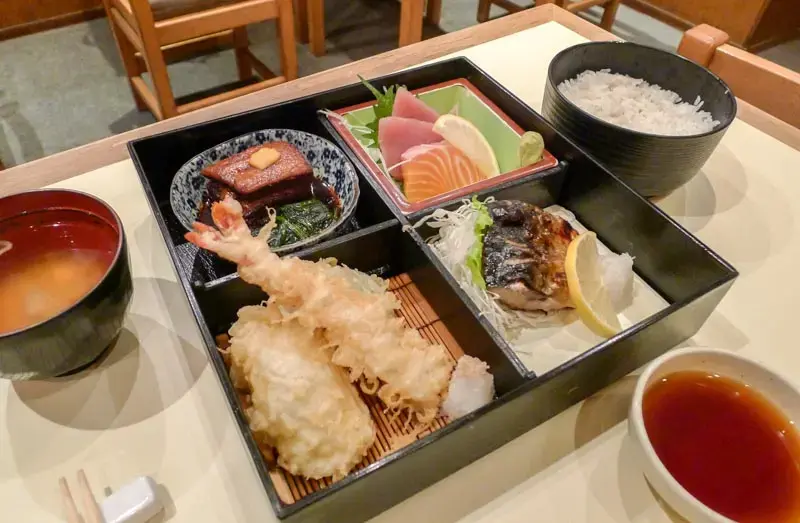
A Lively Dining Experience
The first thing you’ll notice about Izakaya Nijumaru is how the restaurant manages to remain lively and crowded yet never feels rushed. Situated in Cuppage Plaza, it has become a go-to for anyone craving Japanese cuisine without the formality of more upscale places. The restaurant’s sushi bar offers a front-row seat to watch skilled chefs preparing fresh, hand-cut sushi.
The set meals are a big draw here, giving diners a complete meal that combines several favourites into one hearty dish. The menu is extensive, offering everything from skewered meats to grilled fish, and there’s something for everyone—from those who crave comfort to those looking for something a bit more adventurous.
While the space may not boast luxury, its authenticity shines through. As you settle in, a more serene experience begins to unfold—this is where tea steps in.
Tea Pairings at Izakaya Nijumaru: Enhancing Every Bite
One of the understated highlights at Izakaya Nijumaru is the thoughtful tea pairings that complement its diverse menu. The restaurant offers a selection of traditional Japanese teas that perfectly balance the bold and savory flavours found in dishes like chicken teriyaki, braised pork, and tempura soba.
For instance, the earthy bitterness of matcha tea cuts through the richness of the braised pork, cleansing the palate between bites. Meanwhile, green tea’s subtle grassy notes harmonize beautifully with lighter dishes such as sushi and sashimi, enhancing their freshness. Oolong tea, with its floral and slightly roasted undertones, pairs exceptionally well with grilled items and skewers, such as the popular chicken teriyaki sticks.
These tea pairings not only elevate the dining experience but also reflect the traditional Japanese approach to meals, where tea serves as a bridge between flavours and courses. Whether dining with friends or enjoying a quiet meal alone, the service staff at Izakaya Nijumaru is attentive in recommending the ideal tea to accompany your order, ensuring each person finds the perfect match.
In this way, tea at Izakaya Nijumaru is more than just a beverage—it’s an integral part of the meal that adds depth and balance, leaving diners impressed and eager to return for another visit.
A Look at the Menu: From Set Meals to Other Dishes
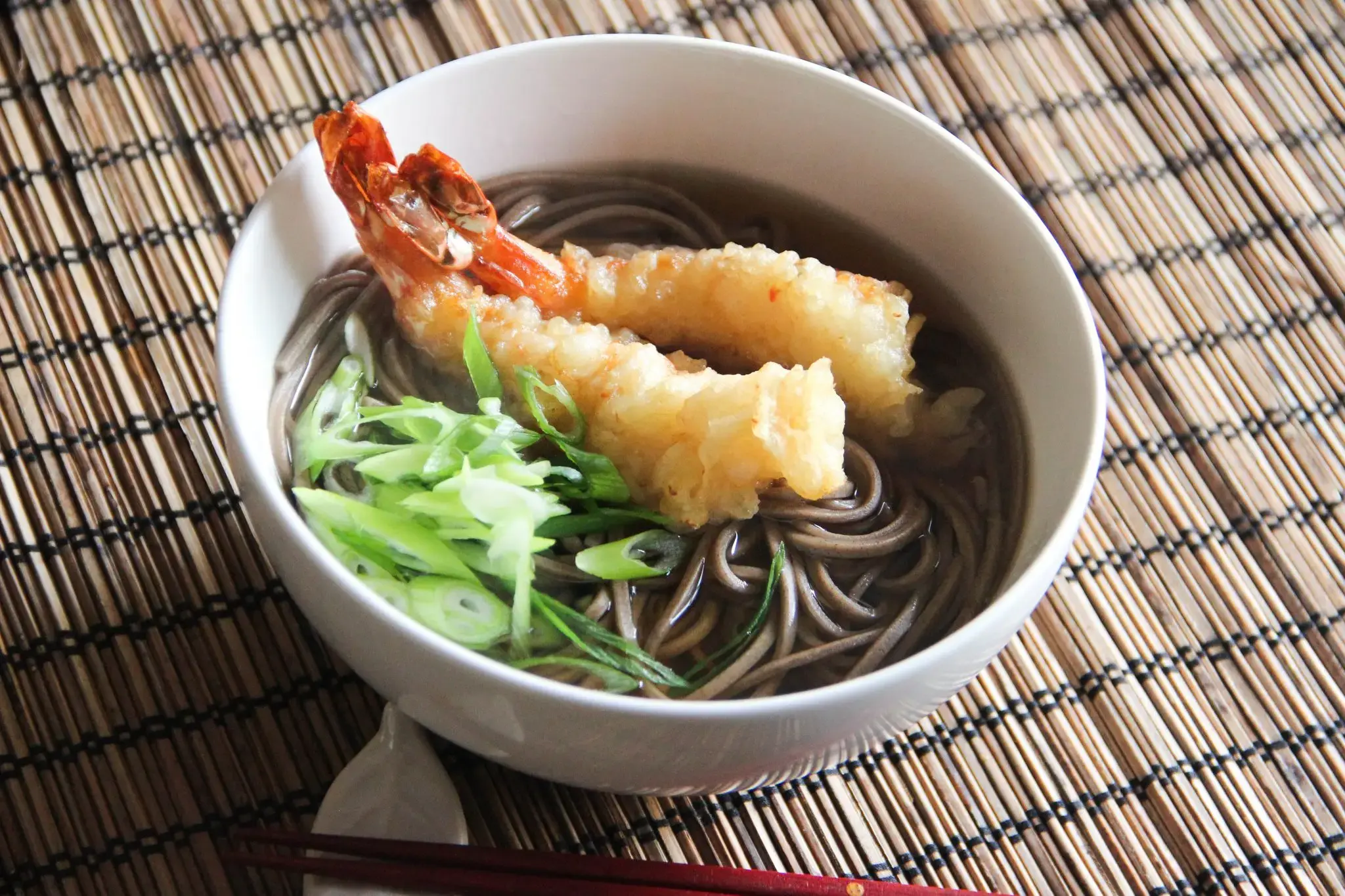
Flavorful Choices Across the Menu
At Izakaya Nijumaru, the menu is designed with variety in mind. Whether you’re in the mood for something light or hearty, there’s a dish to suit your needs.
- Tempura soba: Light and crispy tempura paired with a rich, warming broth
- Chicken teriyaki: Sweet, smoky, and perfectly grilled, it’s a fan favourite for good reason
- Braised pork: A hearty, satisfying dish that pairs wonderfully with a cup of green tea to balance the richness
- Barbecued beef short rib: Smoky and tender, perfect when paired with a refreshing cup of oolong tea
For a more complete experience, consider the set meals, which bring together some of the restaurant’s best offerings. These meals typically feature a selection of:
- Rice
- Soup
- A main dish like katsu or braised pork
- A side of vegetables or tofu
The set meals are a great way to sample a variety of flavours, and with an average bill that remains affordable, it’s no surprise that many diners return. But it’s the tea pairing that truly elevates the meal, giving you a chance to pause and appreciate the balance of flavours.
Tea Pairings: Where Tradition Meets Modern Japanese Dining
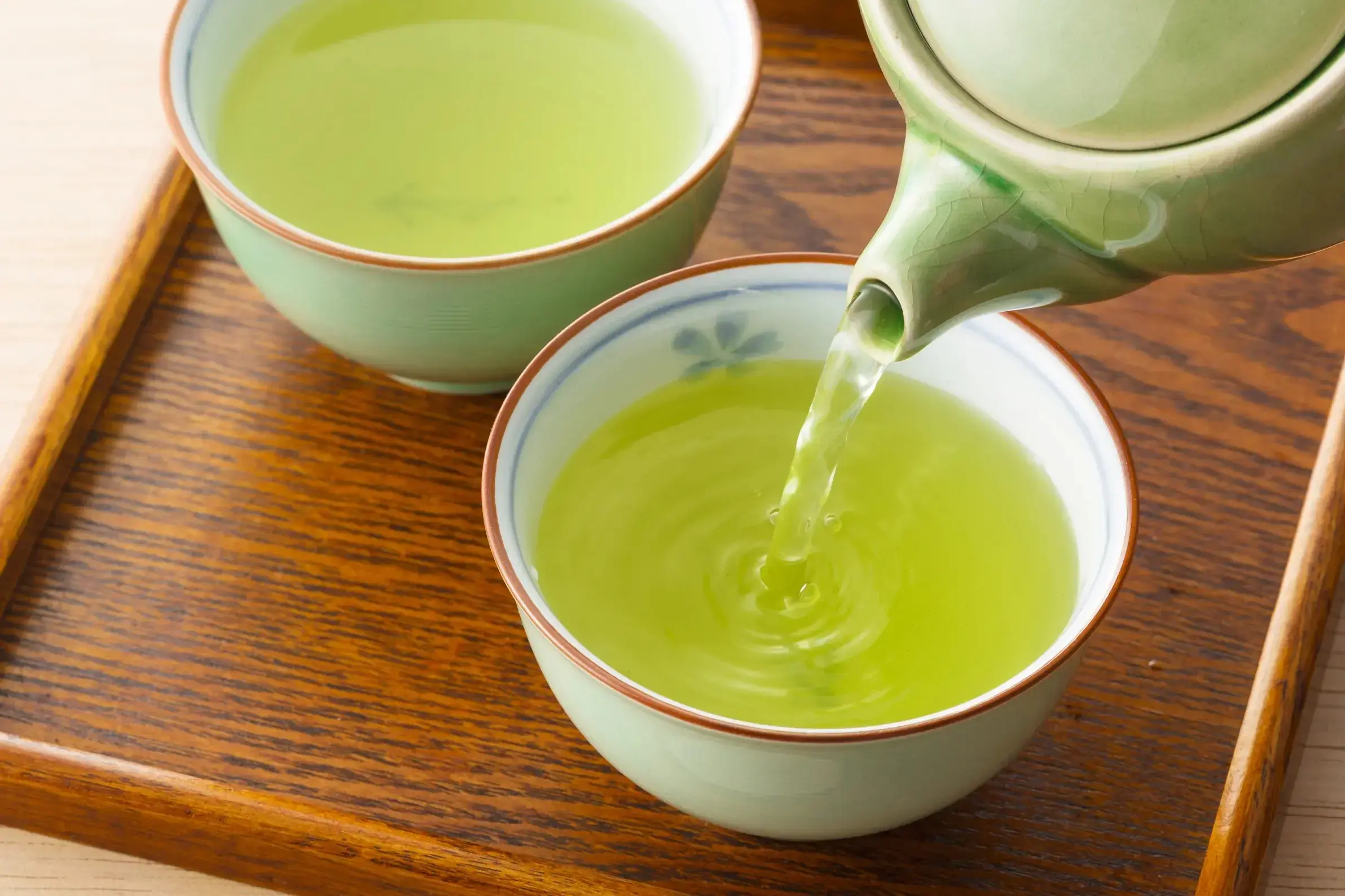
Why Tea Complements the Meal
Though not the main feature of the menu, tea plays a key role at Izakaya Nijumaru. After a meal of rich and comforting dishes, the act of sipping tea offers a moment of reflection.
Tea has long been a part of Japanese culture, often acting as a bridge between meal courses or the perfect way to cleanse the palate after heavy or richly seasoned food. At Izakaya Nijumaru, this tradition continues, though it might not immediately jump out as a central element of the experience.
Tea arrives after the meal has settled, often with little fanfare. But it’s this quiet moment where tea becomes essential. Whether you opt for a delicate green tea, a warm oolong, or something with a bit of sweetness like matcha, tea helps clear the richness of braised pork or the boldness of barbecued beef short rib. This pairing serves as a calming transition, allowing diners to enjoy the experience longer without feeling overwhelmed.
Why Izakaya Nijumaru Stands Out
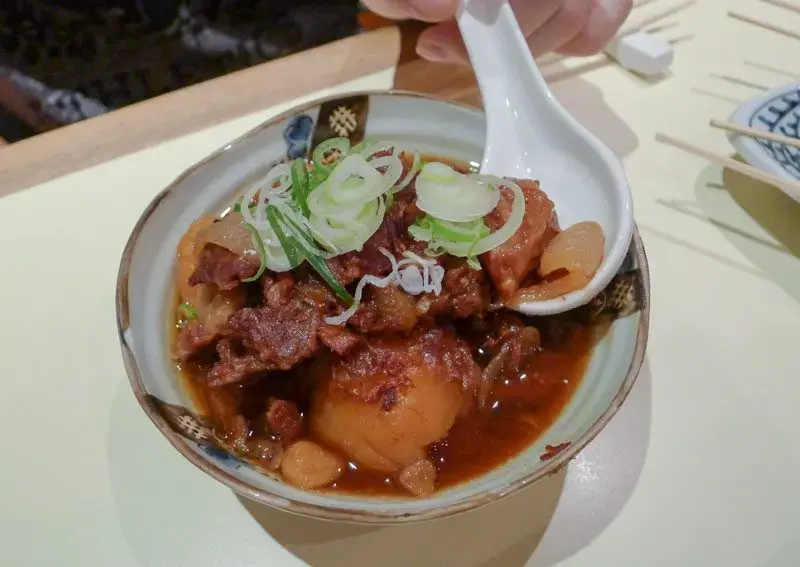
A Dining Experience Worth Returning For
The charm of Izakaya Nijumaru lies not just in the good food, but in the overall experience it offers. The restaurant doesn’t aim to impress with its décor, nor does it need to. Instead, it offers a casual, welcoming atmosphere where food is the focus, and the pacing of the meal allows for moments of pause—often introduced through the simple act of serving tea.
After enjoying tempura, katsu, and skewered delights, a cup of tea brings everything together. Many visitors have shared positive comments on various review pages, often accompanied by pictures that capture the rustic charm and hearty dishes. It's this balance that makes the meal feel more complete and satisfying. In a city like Singapore, where dining experiences often focus on instant gratification, Izakaya Nijumaru slows things down, allowing you to savour each bite and sip.
Conclusion: Tea as the Perfect End to the Meal
While Izakaya Nijumaru may not be famous for its tea list, it doesn’t have to be. In a restaurant that focuses on hearty, satisfying food, the presence of tea provides a necessary pause that completes the dining experience. From the bustling sushi bar to the set meals, the energy of the restaurant flows seamlessly into moments of quiet reflection with tea.
At Izakaya Nijumaru, the food is good, the atmosphere is casual, and the tea offers a calming finish that brings everything together. If you’re looking for a Japanese restaurant where you can experience good food and thoughtful tea pairings, this hidden gem in Cuppage Plaza might just be your next favourite spot.

The Problem With “Single-Origin” Tea Obsession
There was a time when knowing where a tea came from was enough. Now, it sometimes feels as though we need to know everything. The mountain. The village. The garden. The harvest date. The particular plot where the leaves were grown. Single-origin tea has become a mark of quality in modern tea culture. The idea…
-
Where Singapore’s Tea Traditions Still Steep: Pek Sin Choon
The first thing I noticed was the smell. Not perfume, not incense. Something warmer and older than both. Roasted tea leaves, drifting out onto Mosque Street before I even reached the door. It’s the kind of smell that makes you slow your steps without knowing why. Pek Sin Choon has been on this corner of…
-
Not All Comfort Is Sweet: The Bitterness I Now Appreciate
I used to think comfort was supposed to be easy. A familiar drink. A familiar taste. Something that immediately made me feel better. For a long time, I gravitated towards teas that were gentle. Soft flavours. Natural sweetness. Anything that felt welcoming from the first sip. Then I started appreciating bitter teas. Not because I…
-
Understanding the Herb Behind the Refreshing Cup: Peppermint Tea
There is a moment, just after the hot water meets the fresh peppermint leaves, when the whole room seems to change. A sharp, green coolness lifts from the cup and settles somewhere behind your eyes. Drinking peppermint tea does this quietly, without fuss. It asks for nothing and offers a great deal. Most of us…
-
Why Most People Hate Oolong: Overcomplicated Advice Ruined It
I have always found it interesting that oolong tea is one of the most misunderstood teas. People often describe it as complicated. Too many varieties. Too many brewing methods. Too many rules. The leaves should be prepared this way. The water should be at this temperature. The teapot should be a certain material. The first…
-
Kempinski Singapore High Tea Review: When Afternoon Tea Feels Like an Occasion
The rain had come and gone by the time I arrived, leaving the street outside slick and quiet. I stepped in without knowing quite what I wanted from the afternoon. Only that I wanted it to be slow. The Lobby Lounge at The Capitol Kempinski Hotel Singapore does not rush you. It waits. And there…
-
Scent, Memory, and a Kettle: How Tea Anchors My Days
There are certain smells that bring us somewhere else before we even realise it. The scent of rain on warm pavement. A familiar perfume. The food someone used to make when we were younger. For me, tea belongs in that category. Sometimes, before I even take a sip, the aroma is enough to bring back…
-
The Chinese Yixing Teapot: More Than a Teapot, a Living Tea Tradition
The first time I held a Chinese Yixing teapot, I wasn’t ready for how warm it would feel. Small, reddish-brown, sitting in my palm like a river stone that had been kept somewhere warm. I’d just rinsed it with hot water, the way you’re supposed to before the first brew, and the clay drank up…
-
Your “Tea Sommelier” Might Be Selling You a Vibe, Not a Better Cup
There is a particular moment that has become increasingly familiar in modern tea culture. A tea is presented. Before the first sip, we are introduced to its story. The region. The altitude. The history. The carefully chosen words that describe its character. Perhaps there are notes of wildflowers, distant forests, roasted grains, or forgotten memories….
-
Does Tea Contain Caffeine? Understanding What’s Really in Your Tea
There’s a quiet moment many of us know well. The kettle clicks off. Steam curls up. You wrap your hands around a warm cup and feel your shoulders drop, just a little. Tea has always carried this sense of calm, of slowing down. So it can feel almost contradictory to ask: does tea contain caffeine?…