Singapore is famous for its spotless streets, impressive glass towers, and a culture that constantly celebrates the new—be it design trends, the latest matcha drinks, or the next “perfect place” for brunch. For a long time, I bought into this idea of curated perfection. My home had to be pristine, my days measured for maximum productivity, and my Instagram feed always ready for guests.
Then one day, a ceramic mug I loved—from a little shop near Uji famed for green tea—developed a delicate crack. My first instinct was to toss it. But a friend who hosts traditional Japanese tea ceremonies convinced me to pause. She explained the wabi sabi meaning behind such cracks: it’s a celebration of unique history, imperfection, and the beauty that comes with life’s passing seasons. That crack didn’t spoil the cup—it made it a true part of my daily life.
That was my introduction to wabi sabi. Since then, I’ve come to embrace this philosophy, especially when life in Singapore feels like an endless cycle of upgrades. Wabi sabi is a deeply ingrained Japanese idea—yet it holds powerful lessons for any country yearning for pause and real connection. In our fast-paced world of tea industry perfection and polished images, wabi sabi asks us to look closer and experience the essence of authentic, imperfect beauty.
Wabi Sabi and Its Roots in Japanese Culture
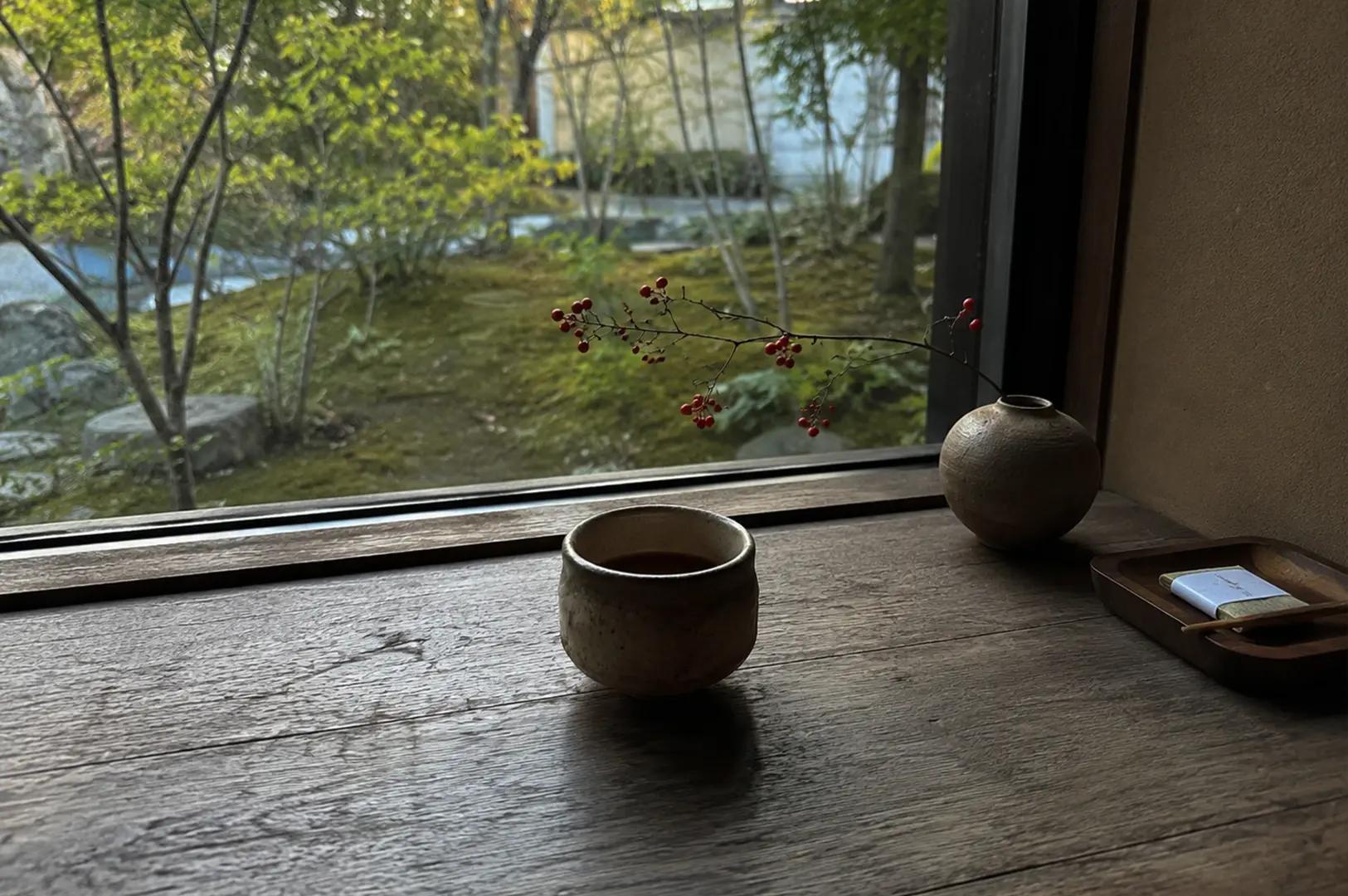
Wabi sabi is often misunderstood as simply a “style,” but its roots in Japanese culture go much deeper. It is a way of seeing the world that finds beauty in imperfection, impermanence, and simplicity—values that go against the global appetite for polished perfection.
Let’s break down the words. “Wabi” was once associated with the quietness of rural life, a sense of contented solitude surrounded by nature. Over time, it evolved into understated elegance—minimalism with meaning. “Sabi,” meanwhile, speaks of the passage of time, the weathering of objects, and patina—the gentle wear that tells the story of use.
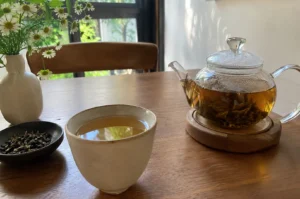
Together, wabi sabi means finding beauty precisely because things age, change, and carry the marks of living. Think of the subtle colour of old wooden tea bowls, the slightly uneven lip of a hand-thrown cup, or the artful simplicity of a single flower in a glass, placed for a guest arriving on a rainy morning.
Tea Culture: The Living Essence of Wabi Sabi

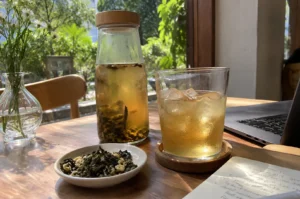
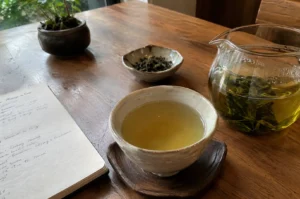
It’s hard to talk about wabi sabi without talking about tea culture, especially the Japanese tea ceremony. If you’ve ever attended a tea ceremony—or even an oolong tasting at a Singapore teahouse— you might have noticed how the entire experience is less about drinking and more about being present.
In the world of Japanese tea, the tea room embodies the wabi sabi idea. The architecture uses natural materials—weathered wood, paper doors, earthen colours—letting nature and time set the mood. The tea bowls (chawan) are chosen for their irregular shapes and tactile surfaces. Even objects like teapots or matcha whisks carry traces of use and tradition. Here, the “characteristic feature” is not flawlessness, but the unique flavour of a bowl’s history.
Entering the tea room, often through a humble, small entrance, is an act of humility. In that space, guests and host become equals. There’s no rush, no need to impress—just a quiet ritual of making tea, serving, and being together in a fleeting moment.
For those interested in experiencing wabi sabi through tea, this article on a private tea room in Singapore offers a glimpse into spaces that celebrate the art of mindful tea drinking.
Tea Ceremony: Slowness, Serving, and Savoring Change
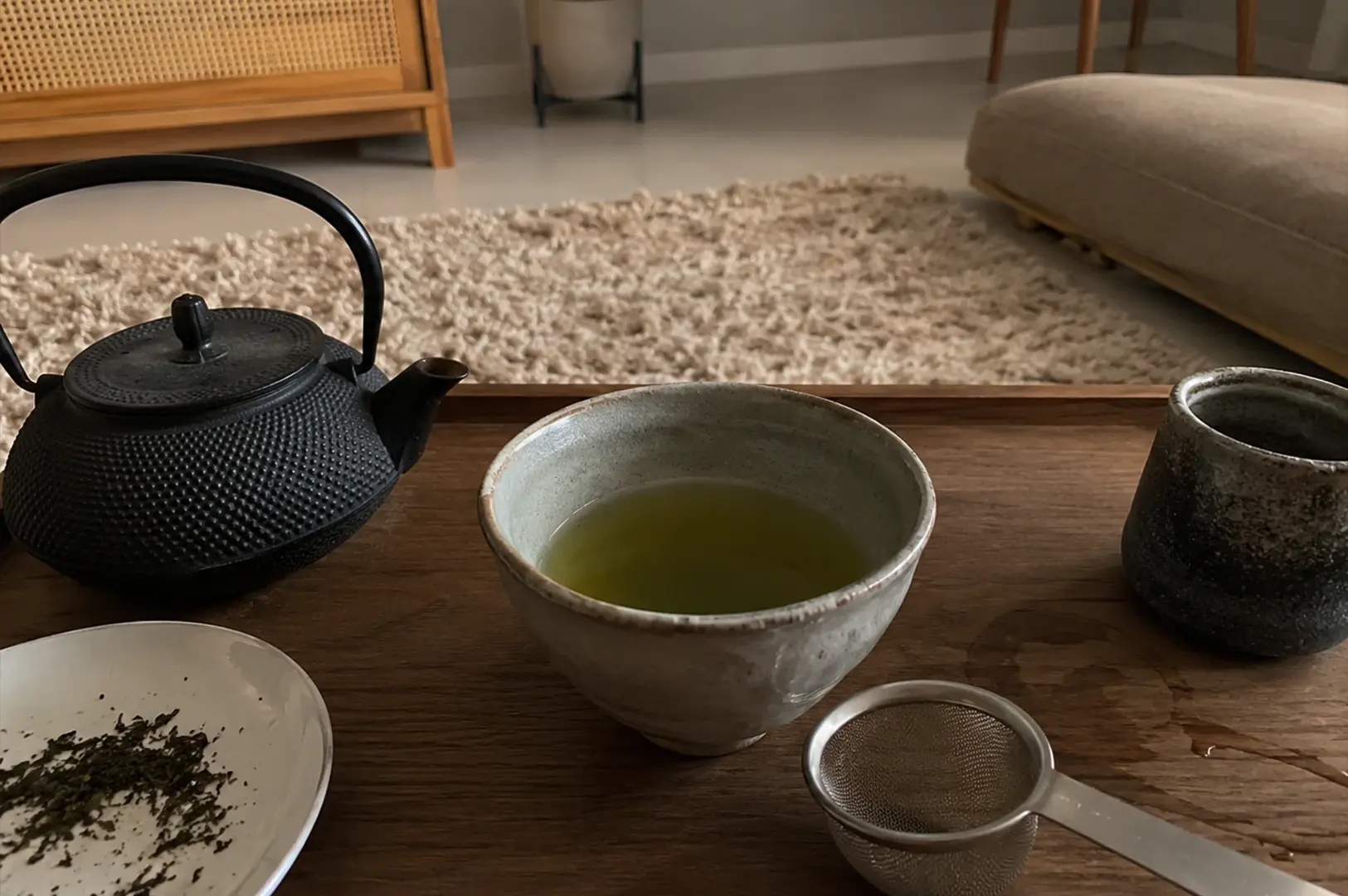
In a traditional Japanese tea ceremony, every movement is intentional and calm. Hospitality here means embracing every guest as they are, often serving a cup with two hands to show respect and presence. Different types of tea—bitter matcha, delicate green tea, or the deep taste of black tea—remind us how varied and rich life can be, with each flavour shaped by tea leaves, climate, and brewing.
The tea utensils and bowls in the ceremony are storied, sometimes repaired with kintsugi (using gold to honor cracks rather than hiding them). These items are not just tools—they’re art, each telling a story of moments enjoyed, guests welcomed, and the passage of time.
What I love is how the ceremony changes with the seasons. Spring might see floral bowls and lighter infusions; autumn brings out warmer, earthy tones. This is the wabi sabi essence: nothing stays the same, and every tea experience is unique—a “one time, one meeting” moment you’ll never have again.
For a deeper understanding of the tea ceremony, visit Tea Manor.
Emotional Benefits: Wabi Sabi in Singapore’s Daily Life
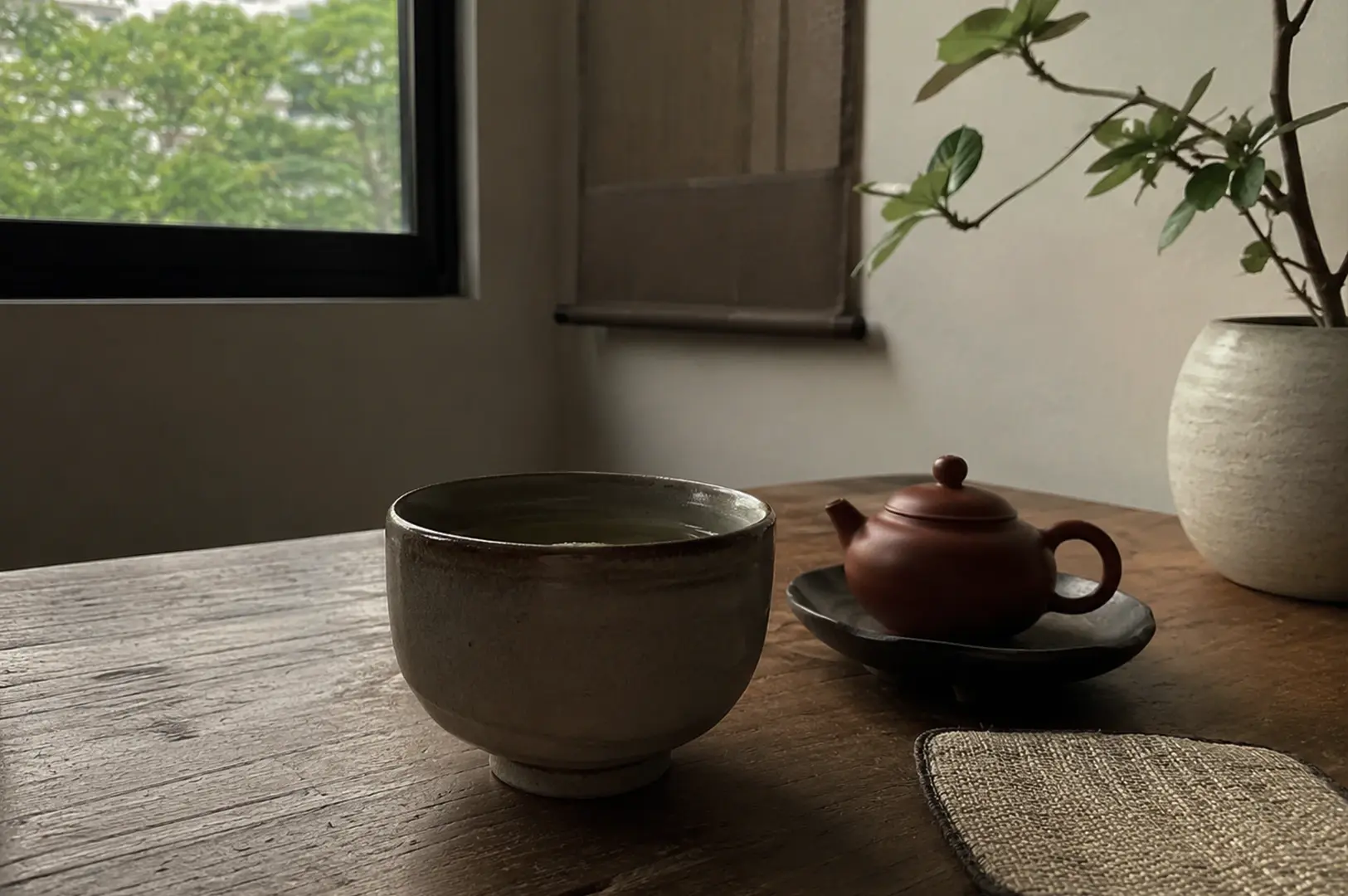
It’s not always easy to embrace imperfection in a country like Singapore, where efficiency and image matter so much. But the beauty of wabi sabi is the relief it provides from relentless striving. It tells us we don’t always need to serve the “perfect” cup or live in an Instagrammable home.
Incorporating elements of wabi sabi into my own tea ritual—choosing old tea bowls, noticing the subtle bitterness of a new Japanese tea, or simply allowing minor flaws in my space—has made my mornings more peaceful. I think this is one of the health benefits that often goes unspoken: the gentle acceptance and joy that comes with being present, rather than constantly self-correcting.
Mindfulness is the heart of wabi sabi. Noticing the light on your cup, the sound of water boiling, or the aroma of spices like ginger and cinnamon softly brewing—these delicate, daily details can ground you on even the busiest days.
Wabi Sabi vs. Modern Perfection: A Gentle Rebellion
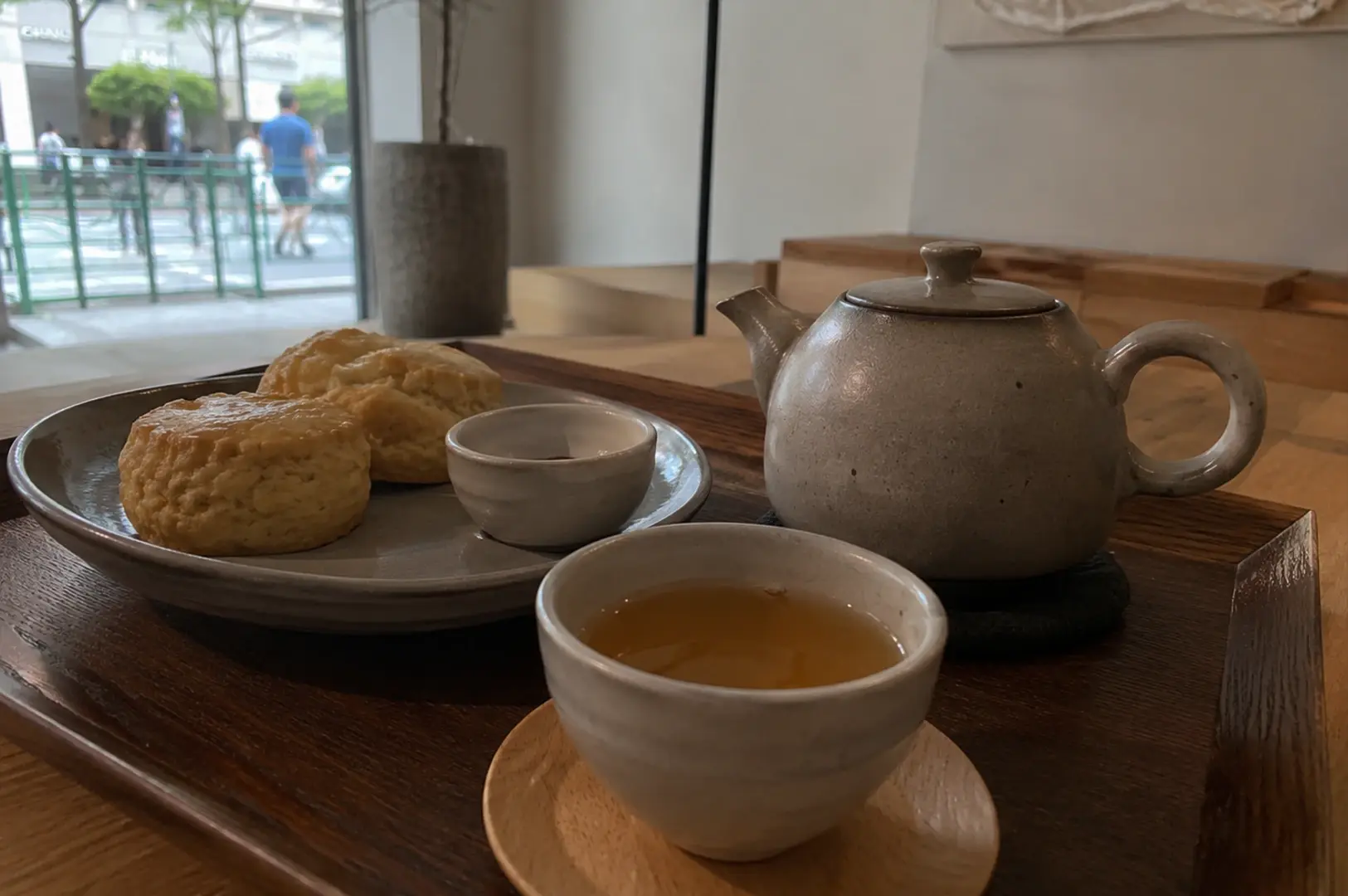
The global tea industry might sell us on gleaming, flawless teaware and “perfect” blends, but the wabi sabi tradition reminds us that a chipped bowl, a weathered tray, or a simple act of serving tea creates deeper, more lasting connection. You’ll find many tea rooms and cafes in Singapore now blending Japanese wabi sabi with Chinese culture—bridging the old and the new, the rustic and the refined.
Even the British tradition of scones with tea—imported from Great Britain—emphasizes comfort over perfection. In different regions, people enjoy their tea in the style that suits their local climate and “taste.” Whether you like your drink floral or dark, strong or light, the idea is the same: embrace what is real.
A Final Thought
If you’re ever feeling rushed or anxious in this busy country, try making tea the wabi sabi way. Pick a cup that shows a little wear, use fresh leaves, and focus on every small action. Let the ritual be less about perfection, more about presence—about sharing, savoring, and letting things be.
Because in the end, the wabi sabi meaning isn’t just about aesthetics—it’s about the beauty in life’s ever-changing journey, one imperfect, authentic cup at a time.

Tea Snobs Made Brewing Hard—So I’m Making It Simple Again
Tea Snobs Made Brewing Hard—So I’m Making It Simple Again There was a time when I thought I was making tea incorrectly. The water was probably too hot. The leaves were probably wrong. The pot was certainly not the right one. At least, that was what I had been led to believe. Tea culture can…
-
The Leaf That Waits in the Dark: Understanding Gyokuro Tea
Anyone who has waited at a bus stop at midday in Singapore knows how much shade matters. You step under the roof, the glare softens, and everything slows down a little. Tea plants respond to shade too, though in their own way. In parts of Japan, farmers deliberately cover their tea bushes in the weeks…
-
What “Quality” Really Means (To Me) When Choosing Tea
I used to think choosing good tea meant knowing what to look for. The right origin. A respected producer. Beautiful leaves. A good harvest. Maybe even a price tag that made me think, “This must be worth it.” Over time, I realised I was making tea shopping much harder than it needed to be. Because…
-
Tea Cocktails: The Rise of Tea-Infused Mixology in Modern Bars
Tea usually arrives quietly. Steam rising from a pot, a cup set down on a saucer, the scent of roasted tea leaves or jasmine drifting across a kitchen table. A cocktail bar keeps a different rhythm. The light is low, the glassware is chilled cocktail glass, and ice rattles sharply in a cocktail shaker. Yet…
-
Stop Adding Sugar First: You’re Training Your Tongue Wrong
There is a habit I have noticed among tea drinkers. Sugar goes in before the first sip. Perhaps it is only a small spoonful. Perhaps two. But the tea is sweetened before it has been given a chance to introduce itself. I used to do this too. It seemed harmless. Tea was bitter, sugar made…
-
Is Tea a Diuretic? What Your Daily Cup Really Does for Hydration
Picture a sticky afternoon in Singapore. The kind where the air sits heavy on your shoulders and the walk from the MRT feels longer than it should. You reach for something cold. Maybe a teh peng from the drinks stall, ice clinking in a plastic cup. Maybe a bottle of green tea from the convenience…
-
Cold Brew Tea Isn’t Lazy, Hot Purists Just Don’t Like Being Wrong
I used to think cold brew tea was cheating. Not seriously, of course. But there was something about it that felt almost too easy. No kettle. No worrying about water temperature. No watching the clock while the leaves steep. Just tea, cold water, and a little patience. It seemed suspiciously effortless. Then I actually started…
-
A Taste of Taiwan in Every Pour: Yi Fang Taiwan Fruit Tea
There are drinks that catch your eye before you even take a sip. A tall cup, fruit pressed gently against the plastic, tea glowing amber underneath. Something about it feels right for a warm afternoon. Light. A little cheerful. Easy to carry. But if you slow down for a moment, some of those cups have…
-
Your Tea Isn’t Bitter—You’re Overbrewing It (And It’s Not Your Fault)
There is a particular disappointment that comes from making a cup of tea that tastes bitter. You choose the leaves carefully. You heat the water. You wait. Then the first sip arrives, and something feels wrong. For a long time, I assumed bitterness meant the tea itself was not very good. Perhaps the leaves were…
-
When Tea Meets Tropical: 5 Fruit Teas in Singapore to Try
There’s a specific kind of Singapore afternoon. The air feels thick, your shirt clings a little, and every mall entrance feels like a reward. On days like that, I don’t want anything heavy. I want something cold, bright, and full of fruit, but still recognizably tea. That’s where fruit teas come in. In Singapore, they’ve…