I did not understand oolong when I first encountered it.
It seemed unnecessarily complicated.
Green tea was green tea. Black tea was black tea. I understood where they stood.
Oolong seemed determined to remain somewhere in between.
Perhaps that was what initially kept me from appreciating it.
Over time, however, I began to realise that the space between things can be where the interesting things happen.
Oolong does not belong neatly to one category. Its range is remarkably wide. Some are light and floral, others dark and roasted. Some feel almost delicate, while others carry a depth that develops over several infusions.
There is no single oolong experience.
That is precisely what changed my mind.
I began returning to the same leaves, brewing them differently, paying attention to how they changed from one infusion to the next. What I had initially mistaken for inconsistency began to feel more like character.
Oolong does not always reveal itself immediately.
It asks you to stay.
I think tea lovers understand this instinctively. There is something satisfying about a tea that does not give everything away in the first cup. The aroma changes. The texture shifts. A sweetness appears where you did not notice it before.
Even the leaves themselves tell part of the story.
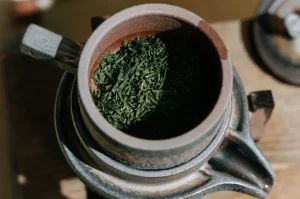
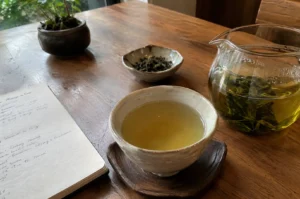
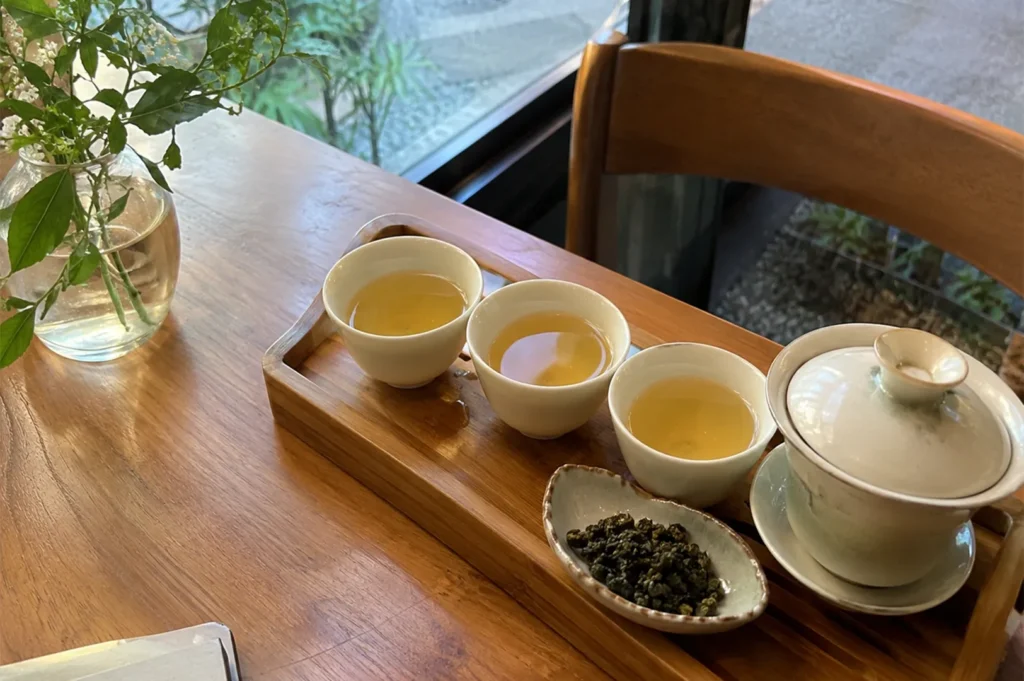
Tightly rolled leaves slowly unfurl in the pot, revealing more of themselves as they open. It is difficult not to find something quietly satisfying about watching that happen.
Perhaps this is why oolong eventually became one of the teas I return to most often.
Not because it is the best tea.
I no longer think there is such a thing.
But because it reminds me that tea does not need to fit neatly into a category to be worthwhile.
There is value in the middle.
In uncertainty.
In the things that take a little longer to understand.
Oolong changed the way I think about tea because it taught me that the space between two familiar ideas is not necessarily a compromise.
Sometimes, it is where the character lives.
With quiet regard,
N. P. Lim

Tea Snobs Made Brewing Hard—So I’m Making It Simple Again
Tea Snobs Made Brewing Hard—So I’m Making It Simple Again There was a time when I thought I was making tea incorrectly. The water was probably too hot. The leaves were probably wrong. The pot was certainly not the right one. At least, that was what I had been led to believe. Tea culture can…
-
The Leaf That Waits in the Dark: Understanding Gyokuro Tea
Anyone who has waited at a bus stop at midday in Singapore knows how much shade matters. You step under the roof, the glare softens, and everything slows down a little. Tea plants respond to shade too, though in their own way. In parts of Japan, farmers deliberately cover their tea bushes in the weeks…
-
What “Quality” Really Means (To Me) When Choosing Tea
I used to think choosing good tea meant knowing what to look for. The right origin. A respected producer. Beautiful leaves. A good harvest. Maybe even a price tag that made me think, “This must be worth it.” Over time, I realised I was making tea shopping much harder than it needed to be. Because…
-
Tea Cocktails: The Rise of Tea-Infused Mixology in Modern Bars
Tea usually arrives quietly. Steam rising from a pot, a cup set down on a saucer, the scent of roasted tea leaves or jasmine drifting across a kitchen table. A cocktail bar keeps a different rhythm. The light is low, the glassware is chilled cocktail glass, and ice rattles sharply in a cocktail shaker. Yet…
-
Stop Adding Sugar First: You’re Training Your Tongue Wrong
There is a habit I have noticed among tea drinkers. Sugar goes in before the first sip. Perhaps it is only a small spoonful. Perhaps two. But the tea is sweetened before it has been given a chance to introduce itself. I used to do this too. It seemed harmless. Tea was bitter, sugar made…
-
Is Tea a Diuretic? What Your Daily Cup Really Does for Hydration
Picture a sticky afternoon in Singapore. The kind where the air sits heavy on your shoulders and the walk from the MRT feels longer than it should. You reach for something cold. Maybe a teh peng from the drinks stall, ice clinking in a plastic cup. Maybe a bottle of green tea from the convenience…
-
Cold Brew Tea Isn’t Lazy, Hot Purists Just Don’t Like Being Wrong
I used to think cold brew tea was cheating. Not seriously, of course. But there was something about it that felt almost too easy. No kettle. No worrying about water temperature. No watching the clock while the leaves steep. Just tea, cold water, and a little patience. It seemed suspiciously effortless. Then I actually started…
-
A Taste of Taiwan in Every Pour: Yi Fang Taiwan Fruit Tea
There are drinks that catch your eye before you even take a sip. A tall cup, fruit pressed gently against the plastic, tea glowing amber underneath. Something about it feels right for a warm afternoon. Light. A little cheerful. Easy to carry. But if you slow down for a moment, some of those cups have…
-
Your Tea Isn’t Bitter—You’re Overbrewing It (And It’s Not Your Fault)
There is a particular disappointment that comes from making a cup of tea that tastes bitter. You choose the leaves carefully. You heat the water. You wait. Then the first sip arrives, and something feels wrong. For a long time, I assumed bitterness meant the tea itself was not very good. Perhaps the leaves were…
-
When Tea Meets Tropical: 5 Fruit Teas in Singapore to Try
There’s a specific kind of Singapore afternoon. The air feels thick, your shirt clings a little, and every mall entrance feels like a reward. On days like that, I don’t want anything heavy. I want something cold, bright, and full of fruit, but still recognizably tea. That’s where fruit teas come in. In Singapore, they’ve…