Anyone who has waited at a bus stop at midday in Singapore knows how much shade matters. You step under the roof, the glare softens, and everything slows down a little.
Tea plants respond to shade too, though in their own way. In parts of Japan, farmers deliberately cover their tea bushes in the weeks before harvest. The young leaves grow under filtered light, and the tea made from them tastes noticeably different.
That tea is gyokuro, a treasured jade dew of Japanese tea connoisseurs.
The title of this piece is poetic. Gyokuro does not literally grow in darkness, and the leaves are not shut away indefinitely. But shade sits at the centre of its identity, and understanding gyokuro tea means understanding what happens when a leaf is asked to wait in softer light.
What Is Gyokuro? A Favorite Tea Among Japanese Tea Lovers
Gyokuro is a Japanese green tea made from the Camellia sinensis plant, the same species behind sencha, matcha, oolong and black tea. That makes it a true tea, not a herbal infusion.
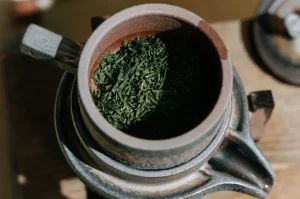
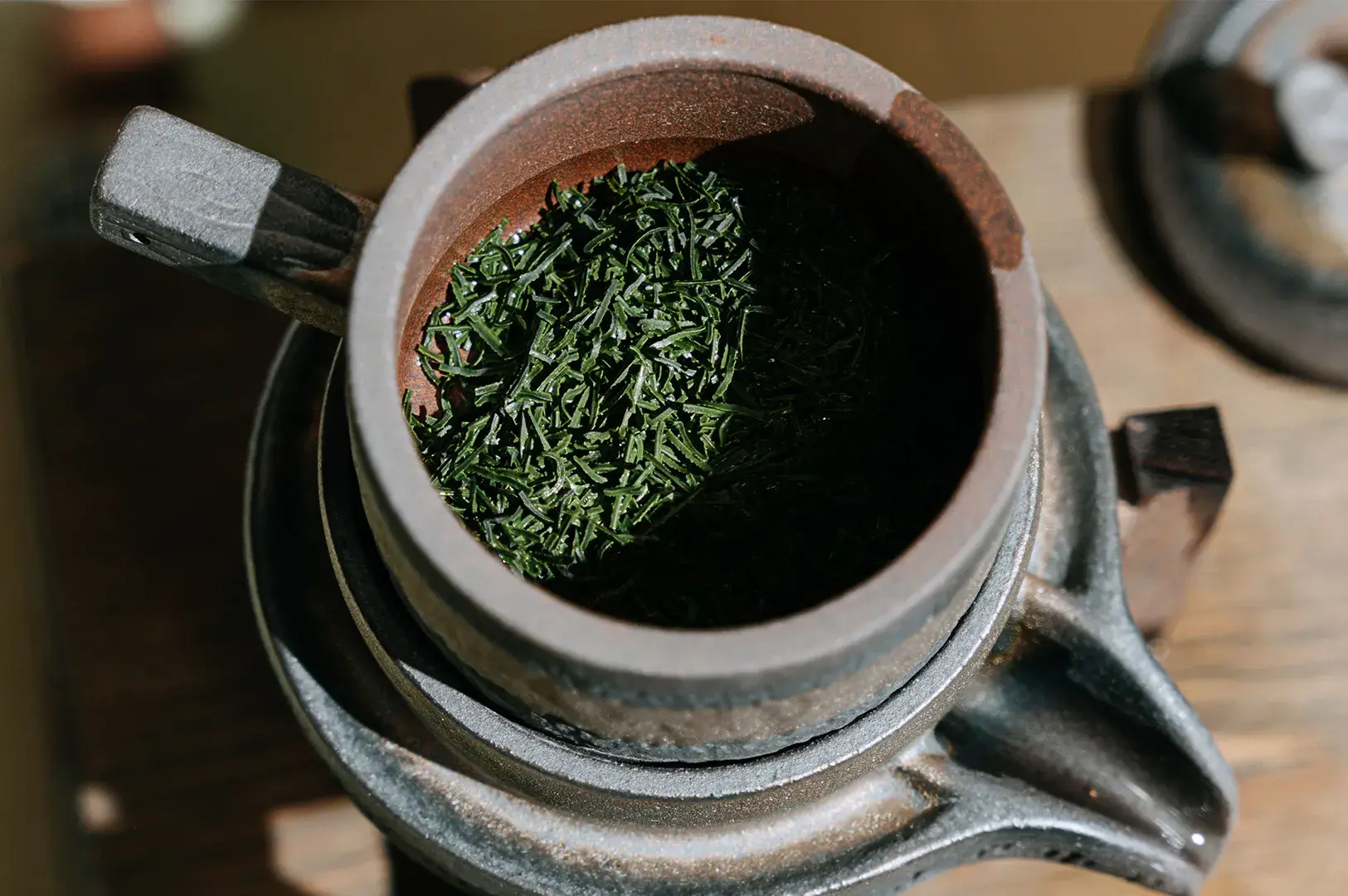
The name is often translated as "jade dew," which suits its deep green colour and rich aroma. Unlike matcha, it is sold separately as loose leaf. The finished gyokuro leaves are rolled into fine, dark green needles, and you steep them in water as you would most other green teas.
What sets gyokuro apart is not one single step. It is the combination of two things: how the plant is grown and how the leaves are shaped afterwards. Marukyu Koyamaen, a long-established tea maker in Uji, describes gyokuro as the meeting point of completely shaded cultivation and the rolling method used for sencha.
That combination is worth slowing down for.
How Shade Shapes Gyokuro Tea: The Origin and Cultivation of a Treasured Japanese Tea
Covering the Fields
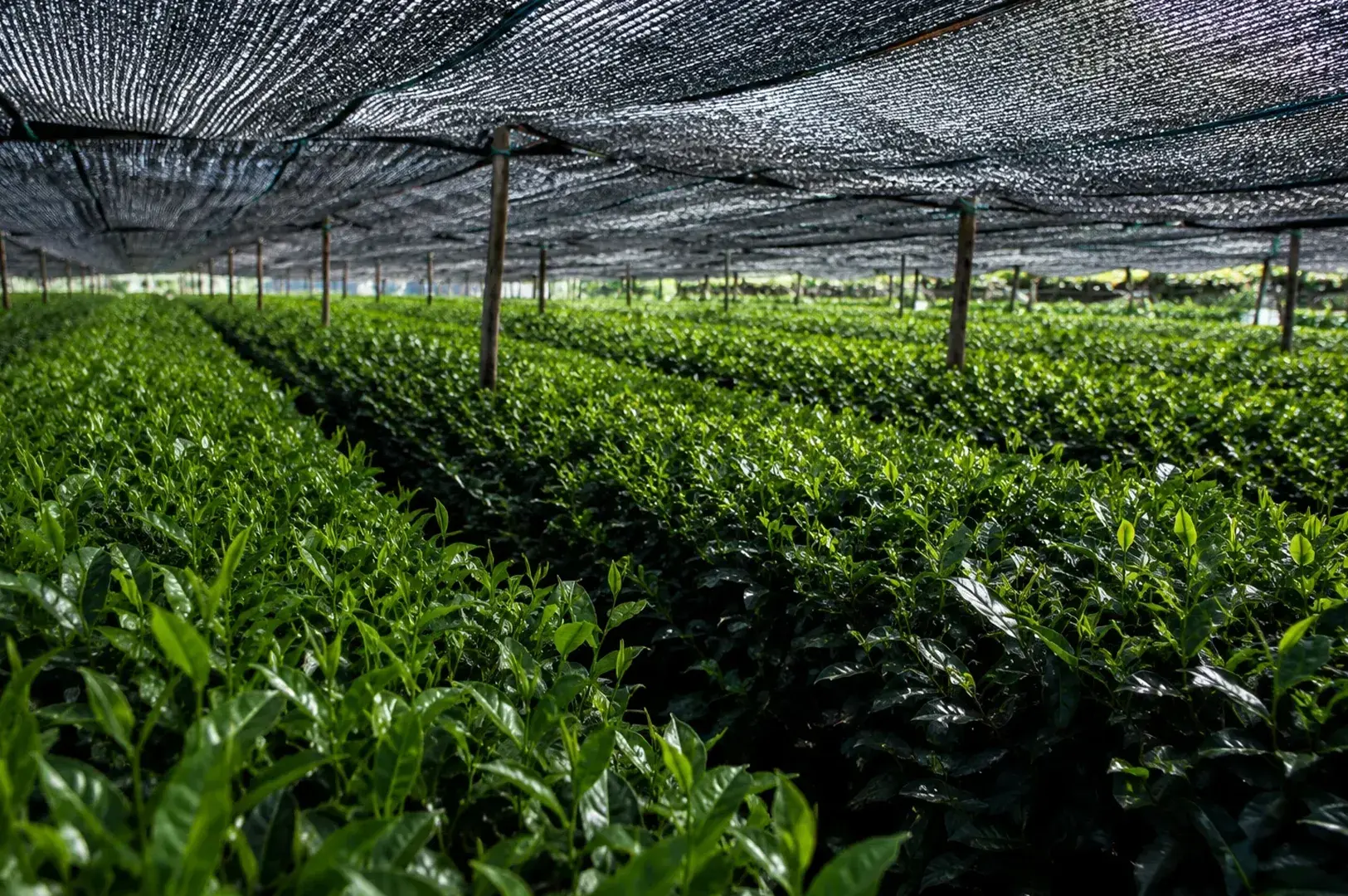
When new buds appear on the tea bushes in spring, gyokuro growers cover them to block out sunlight. The covers may be stretched over frameworks above the plants or arranged more simply depending on the region and tradition.
According to the Kyoto Prefectural Tea Industry Association, approaches vary from place to place. In Kyotanabe, one of Japan's well-known gyokuro areas, fields are covered with two or more layers to block light more thoroughly. In Fukuchiyama, growers use tall trellises, and by May the tea fields are draped in black curtains. In Uji City, the traditional method of covered cultivation, known as oishitaen, is still practised alongside careful picking by hand, one bud at a time.
There is something quietly patient about it. The farmer is not adding anything to the leaf. They are holding something back.
What Happens Inside the Leaf: Nutrients and L Theanine
Here is where shade becomes flavour and health benefits.
Tea leaves contain L-theanine, an amino acid associated with savoury, rounded taste and relaxation benefits. They also contain catechins, compounds linked to astringency, that drying feeling a strong cup can leave in your mouth. As the Kyoto association explains, sunlight encourages theanine to be converted into catechins. Shading slows that process, so more of the sweetness and umami stay in the leaf, while bitterness and astringency are kept in check.
It is a small chemical shift. But you can taste it and discover its impact on the tea experience.
Gyokuro Tea Taste: How It Differs From Other Green Teas
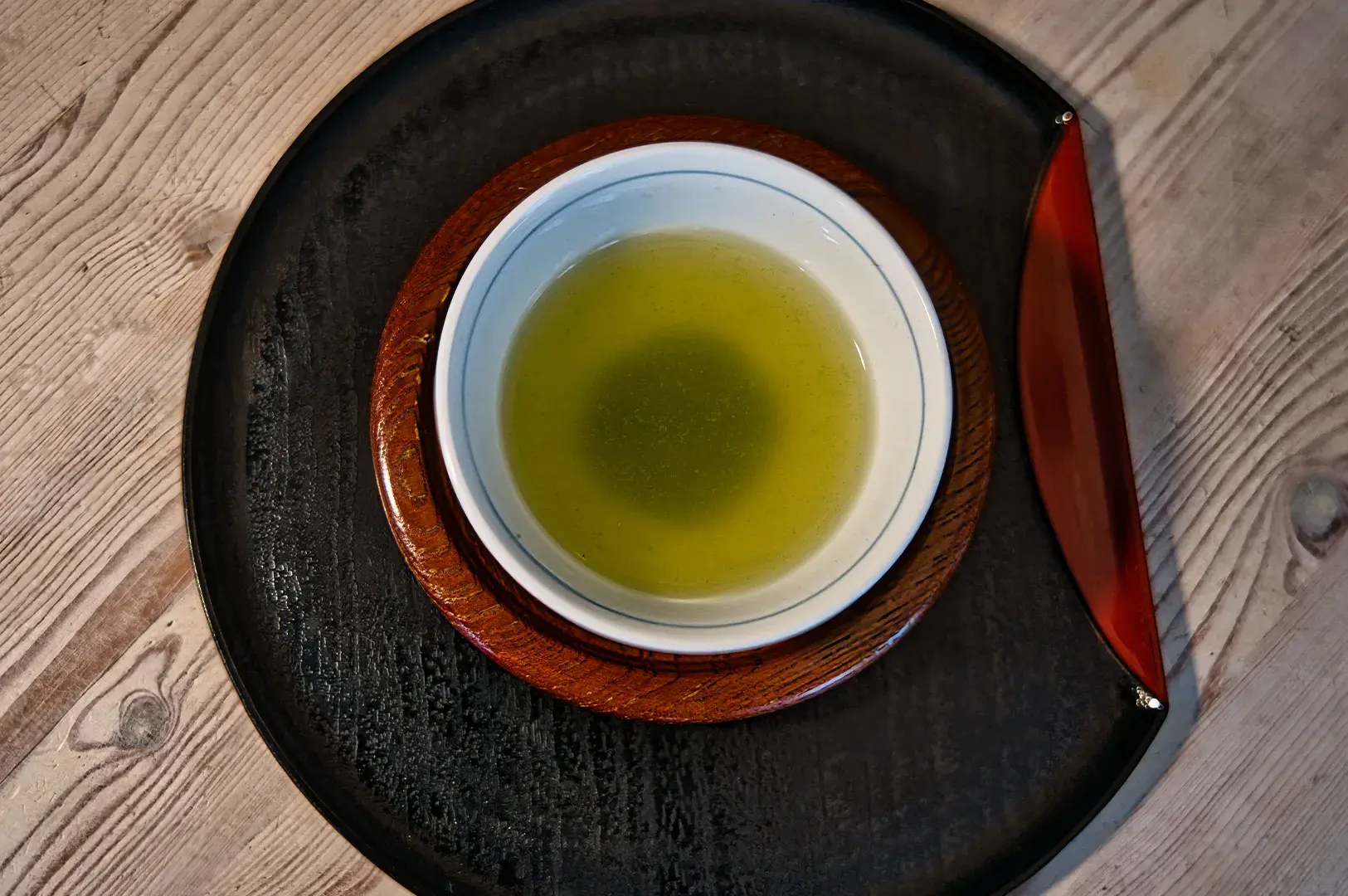
If you have only ever had green tea from a supermarket bag or a bottle, gyokuro can be surprising. It is often described as sweet, rich and savoury, with a softness that some people compare to a light broth.
That description makes more sense when you set gyokuro beside its close relatives.
Gyokuro vs Sencha: A Perfect Cup for Different Moods
Sencha is the everyday green tea of Japan. It shares the same steaming and rolling process as gyokuro, but it is typically grown in full sun.
That sunlight changes the cup. Sencha tends to taste brighter and grassier, with more astringency and a clean, refreshing edge. Gyokuro leans the other way: rounder, sweeter, deeper in umami.
Neither is "better." They simply answer different moods. Sencha feels like an open window. Gyokuro feels more like a closed room on a rainy autumn afternoon.
There is also a middle ground. Kabusecha, meaning "covered tea," is shaded for a shorter period than gyokuro. Some producing areas in Kyoto, such as Ayabe, are recognised for it. If gyokuro and sencha sit at two ends of a line, kabusecha lives somewhere in between.
Gyokuro vs Matcha: Different Varieties Inspired by Shade
Matcha and gyokuro are closer cousins than many people realise. Both come from shaded tea plants, and Marukyu Koyamaen notes that they share some of the same properties because of it. Their account also mentions that gyokuro plants are typically shaded for a shorter time than those grown for matcha.
The real difference comes after harvest. Leaves for matcha are processed into tencha, which is dried flat rather than rolled, then ground into fine powder. You whisk matcha and drink the whole leaf. With gyokuro, you steep the rolled needles and drink the infusion.
Same shade, different paths. One becomes powder. The other becomes needles.
Brewing Gyokuro: The Ultimate Guide to the Perfect Cup
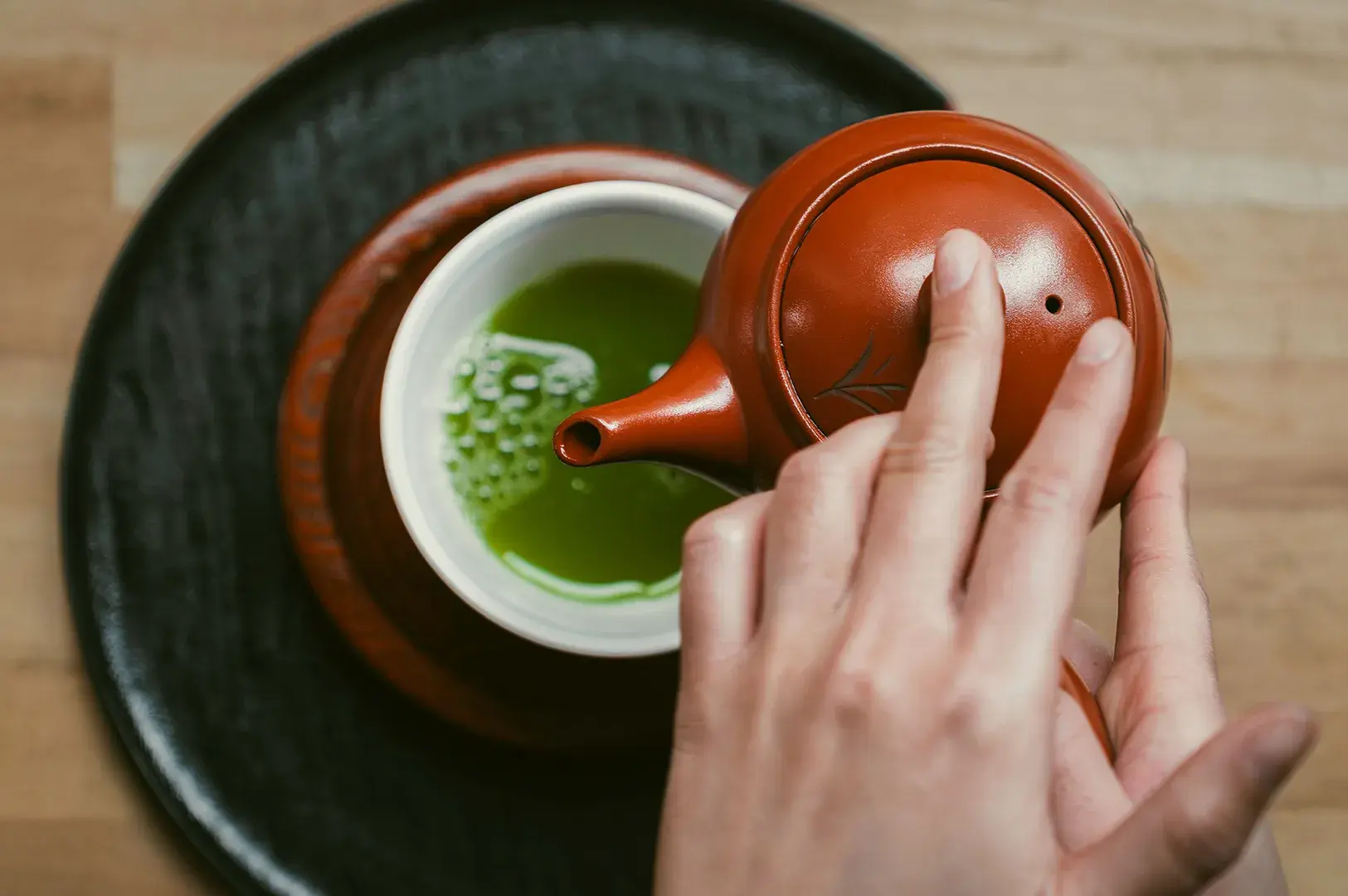
Brewing gyokuro is an art that requires attention to water temperature, tea bowls, and the amount of gyokuro leaves used. The goal is to create a perfect cup that highlights the tea's delicate aroma and health benefits.
Water Temperature and Brewing Time
Gyokuro is traditionally brewed with relatively cool water and a high concentration of tea leaves to highlight its umami and sweetness. Ippodo Tea recommends using 10 grams of gyokuro leaves with 80 millilitres of water at approximately 60°C, steeped for 90 seconds.
Other producers may recommend different temperatures, ratios and steeping times. Those who prefer a lighter cup can experiment with more water or fewer leaves.
Serving and Tea Bowls
Gyokuro is traditionally served in small teacups or tea bowls that encourage small sips, allowing the drinker to savor its complex flavors and aroma. Using a small teapot designed for gyokuro can help control the brewing process for multiple infusions.
Multiple Infusions
One of the joys of gyokuro is that it can be infused three to four times. Each infusion reveals different layers of flavor, from the initial rich umami to a slightly more bitter but still smooth finish.
Gyokuro Leaves and Stems: Sold Separately for Different Tea Experiences
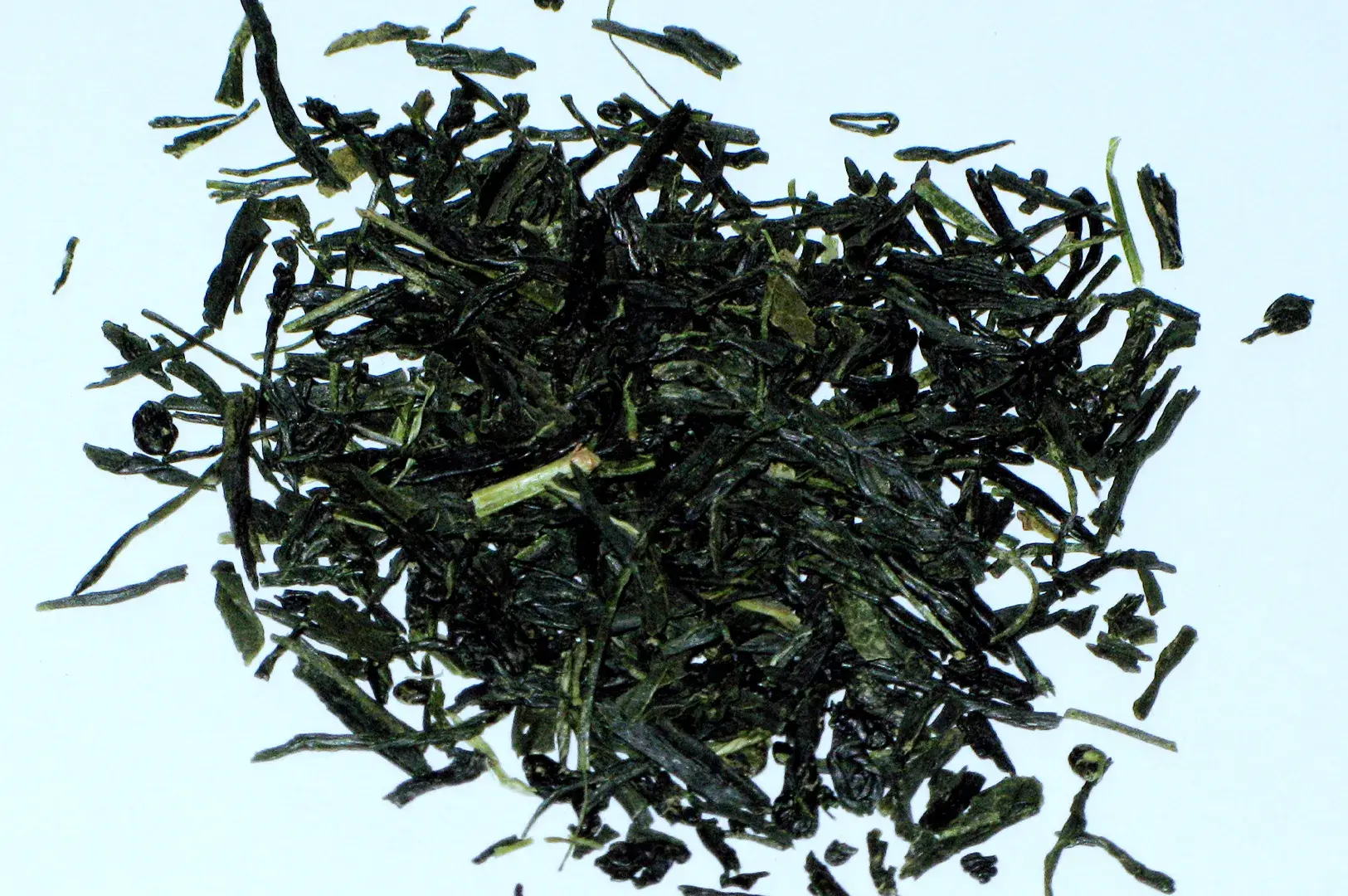
Gyokuro leaves are carefully picked and processed, but the stems and other parts of the plant are also treasured. These by-products, often sold separately as kukicha or twig tea, offer a distinct flavor profile with less caffeine and a unique aroma reminiscent of seaweed.
These different varieties allow tea lovers to explore the full spectrum of gyokuro's qualities.
Health Benefits of Gyokuro: A Nutrient-Rich Japanese Tea
Gyokuro is considered one of Japan's most prized green teas and is particularly rich in L-theanine and caffeine. L-theanine has been studied for its potential effects on stress and relaxation, while caffeine can temporarily increase alertness. However, the effects of drinking gyokuro depend on factors such as brewing method, serving size and individual caffeine sensitivity.
Gyokuro contains naturally occurring compounds such as catechins, chlorophyll and amino acids. Catechins are known for their antioxidant activity, although the health effects of drinking gyokuro specifically require further research.
As a caffeinated tea, gyokuro offers a distinctive alternative to coffee, but its caffeine content should still be considered.
Discover Gyokuro: An Inspired Tea Experience
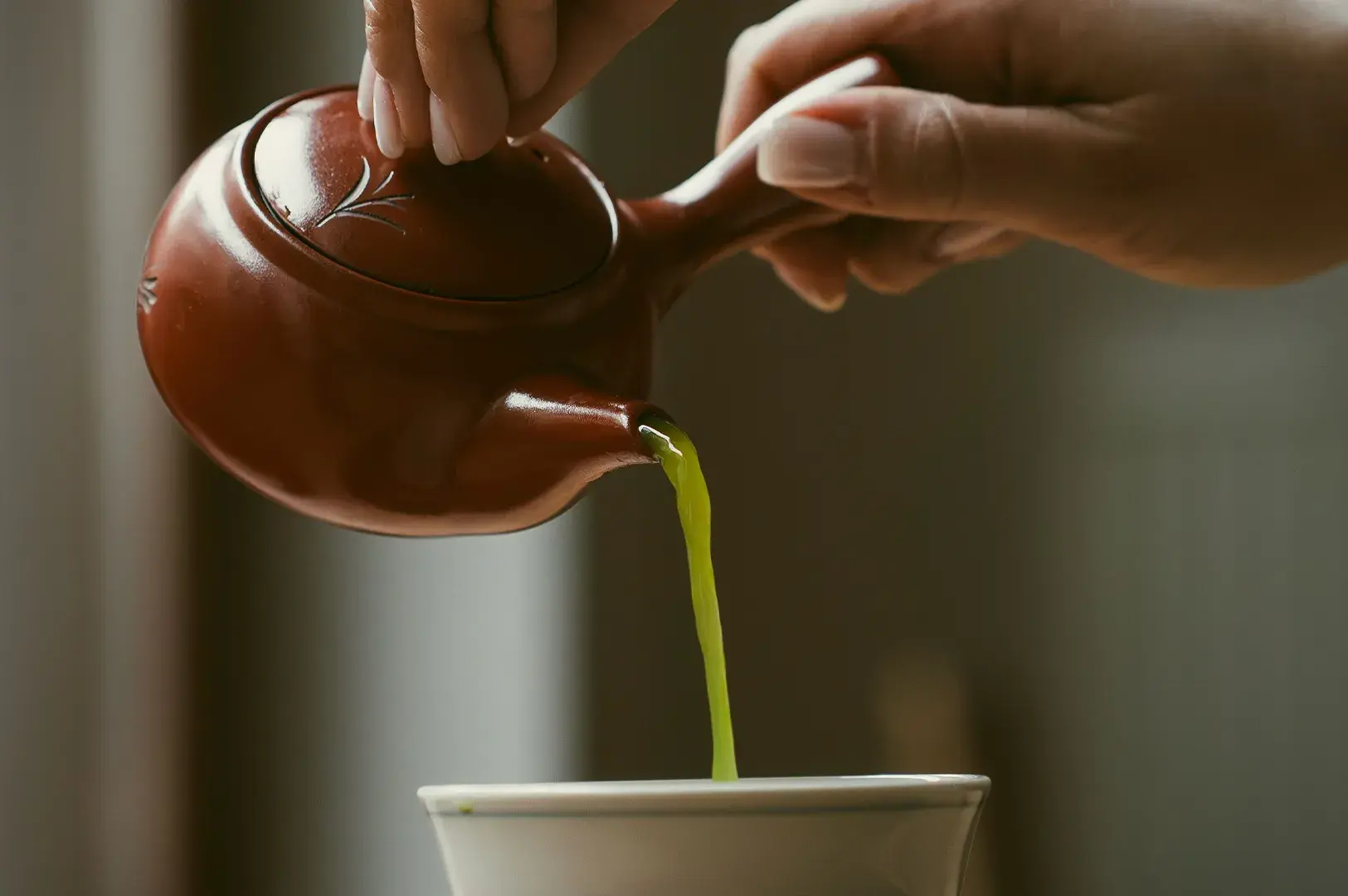
Gyokuro is not just a tea; it is a ritual. It invites tea lovers to slow down, appreciate the materials and methods that create it, and savor each sip with mindfulness.
Whether prepared at home or enjoyed in a traditional tea ceremony, gyokuro offers a unique connection to Japanese tea culture and its long history.
Explore different varieties, try brewing gyokuro with care, and discover why this tea has been treasured for centuries.
In Singapore, Japanese restaurants that serve tea offer not only exquisite cuisine but also a refined tea experience that beautifully complements the art of Japanese dining.
If you have not yet experienced gyokuro, consider starting with a simple comparison: brew gyokuro, then sencha, and taste them side by side. Sip slowly, and you may find a new favorite tea. Gyokuro's story is one of patience, restraint, and the ultimate guide to enjoying a perfect cup of green tea.

Tea Snobs Made Brewing Hard—So I’m Making It Simple Again
Tea Snobs Made Brewing Hard—So I’m Making It Simple Again There was a time when I thought I was making tea incorrectly. The water was probably too hot. The leaves were probably wrong. The pot was certainly not the right one. At least, that was what I had been led to believe. Tea culture can…
-
The Leaf That Waits in the Dark: Understanding Gyokuro Tea
Anyone who has waited at a bus stop at midday in Singapore knows how much shade matters. You step under the roof, the glare softens, and everything slows down a little. Tea plants respond to shade too, though in their own way. In parts of Japan, farmers deliberately cover their tea bushes in the weeks…
-
What “Quality” Really Means (To Me) When Choosing Tea
I used to think choosing good tea meant knowing what to look for. The right origin. A respected producer. Beautiful leaves. A good harvest. Maybe even a price tag that made me think, “This must be worth it.” Over time, I realised I was making tea shopping much harder than it needed to be. Because…
-
Tea Cocktails: The Rise of Tea-Infused Mixology in Modern Bars
Tea usually arrives quietly. Steam rising from a pot, a cup set down on a saucer, the scent of roasted tea leaves or jasmine drifting across a kitchen table. A cocktail bar keeps a different rhythm. The light is low, the glassware is chilled cocktail glass, and ice rattles sharply in a cocktail shaker. Yet…
-
Stop Adding Sugar First: You’re Training Your Tongue Wrong
There is a habit I have noticed among tea drinkers. Sugar goes in before the first sip. Perhaps it is only a small spoonful. Perhaps two. But the tea is sweetened before it has been given a chance to introduce itself. I used to do this too. It seemed harmless. Tea was bitter, sugar made…
-
Is Tea a Diuretic? What Your Daily Cup Really Does for Hydration
Picture a sticky afternoon in Singapore. The kind where the air sits heavy on your shoulders and the walk from the MRT feels longer than it should. You reach for something cold. Maybe a teh peng from the drinks stall, ice clinking in a plastic cup. Maybe a bottle of green tea from the convenience…
-
Cold Brew Tea Isn’t Lazy, Hot Purists Just Don’t Like Being Wrong
I used to think cold brew tea was cheating. Not seriously, of course. But there was something about it that felt almost too easy. No kettle. No worrying about water temperature. No watching the clock while the leaves steep. Just tea, cold water, and a little patience. It seemed suspiciously effortless. Then I actually started…
-
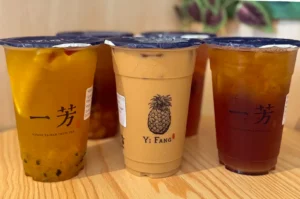
A Taste of Taiwan in Every Pour: Yi Fang Taiwan Fruit Tea
There are drinks that catch your eye before you even take a sip. A tall cup, fruit pressed gently against the plastic, tea glowing amber underneath. Something about it feels right for a warm afternoon. Light. A little cheerful. Easy to carry. But if you slow down for a moment, some of those cups have…
-
Your Tea Isn’t Bitter—You’re Overbrewing It (And It’s Not Your Fault)
There is a particular disappointment that comes from making a cup of tea that tastes bitter. You choose the leaves carefully. You heat the water. You wait. Then the first sip arrives, and something feels wrong. For a long time, I assumed bitterness meant the tea itself was not very good. Perhaps the leaves were…
-
When Tea Meets Tropical: 5 Fruit Teas in Singapore to Try
There’s a specific kind of Singapore afternoon. The air feels thick, your shirt clings a little, and every mall entrance feels like a reward. On days like that, I don’t want anything heavy. I want something cold, bright, and full of fruit, but still recognizably tea. That’s where fruit teas come in. In Singapore, they’ve…