Imagine waking up to a world where the air is thin and every breath feels like an effort. The wind outside is sharp, cutting across snow-covered peaks that stretch endlessly toward the sky. This is life at high altitudes—where the human body must constantly adapt to reduced oxygen levels, cold climatic conditions, and intense physical strain. Yet, amid this harsh environment, one traditional Tibetan drink has served as a lifeline for centuries: butter tea.
Generally, Tibetan tea is characterized by its unique preparation methods, use of ingredients like yak butter, and its deep cultural significance—distinguishing it from other types of tea and making it an integral part of Tibetan hospitality and tradition. From Longjing Dragon Well Tea of China to Japanese Matcha and Indian Masala Chai, each tea culture adapts to its environment—but few have achieved the same level of nutritional adaptation as Tibetan butter tea.
Known locally as po cha, Tibet Tibetan tea—specifically, Tibetan butter tea—is a warm, savory blend of brick tea, yak butter, and salt, churned together into a frothy, nourishing beverage. Beyond its cultural significance, butter tea is a fascinating example of how Tibetan people have adapted their diet to the extreme realities of life at higher elevations. Its story is one of survival, ingenuity, and the deep wisdom embedded in traditional Tibetan culture.
The High-Altitude Challenge: How the Human Body Responds to Low Oxygen and Extreme Cold
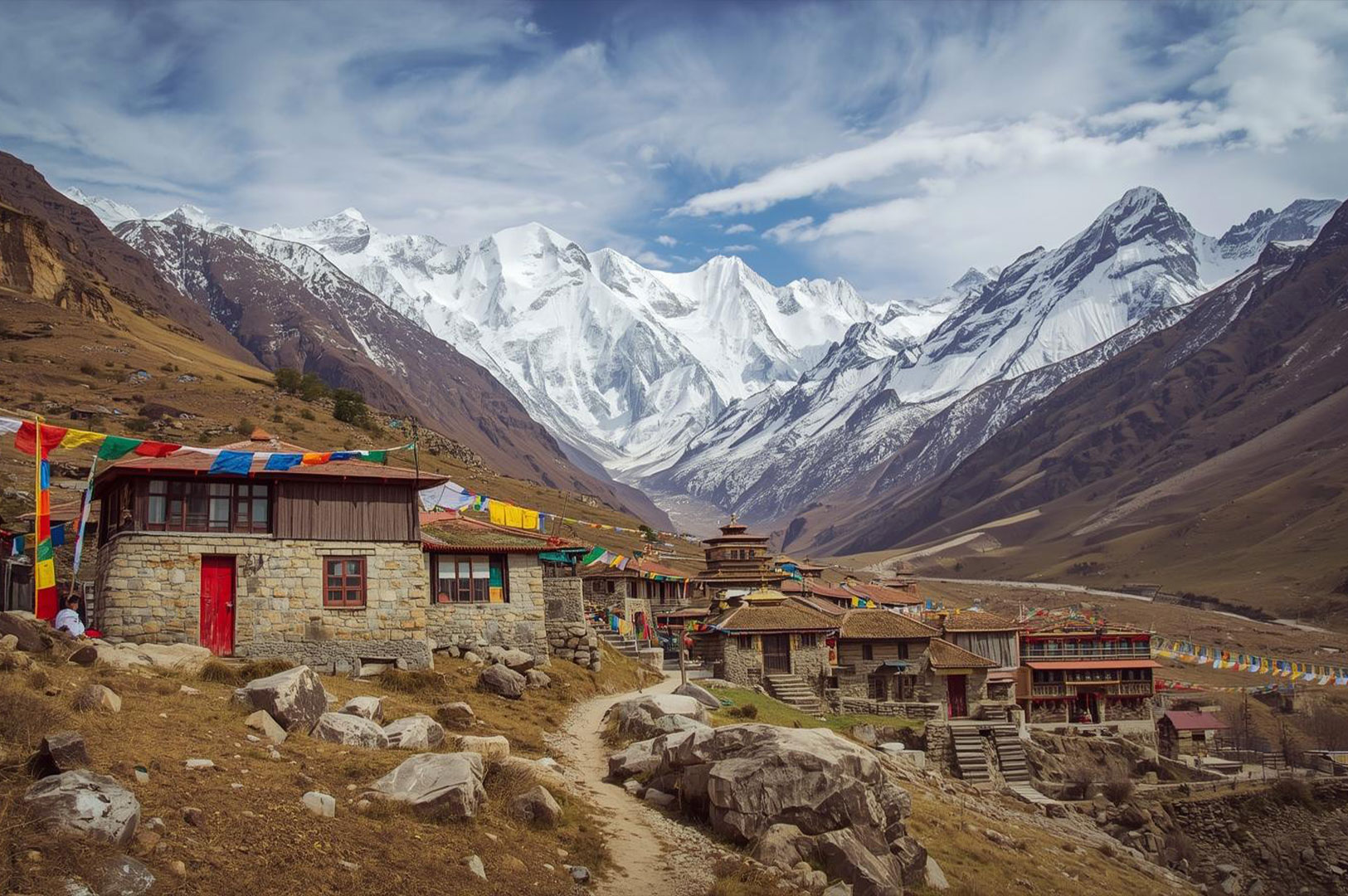
Living thousands of meters above sea level exposes the human body to several physiological stressors. High altitude exposure forces a number of physiological changes that can strain the cardiovascular and respiratory systems:
- Hypoxia: At higher elevations, oxygen partial pressure is lower, meaning each breath delivers less oxygen to the bloodstream. As the body responds, it increases cerebral blood flow and heart rate to compensate.
- Extreme Cold: Maintaining body temperature in freezing air requires the body to burn more calories and rely heavily on fat for energy.
- Dehydration: The thin, dry air increases water loss through breathing and sweating. Prolonged exposure often leads to altitude sickness or even high altitude pulmonary edema (HAPE) if hydration and nutrition are inadequate.
In research and athletic training, normobaric hypoxia is sometimes used to simulate high-altitude conditions at normal atmospheric pressure, allowing for controlled study of physiological responses and adaptation.
As various studies published in journals such as High Altitude Medicine & Biology and the American Journal of Physiology have observed, those living in high altitude environments face unique physiological effects from low atmospheric pressure and reduced oxygen concentration. To thrive here, Tibetans relied on foods and drinks that deliver sustained energy, hydration, and warmth—qualities embodied in Tibetan tea.
Deconstructing Tibetan Butter Tea Nutrition: A Recipe for Survival
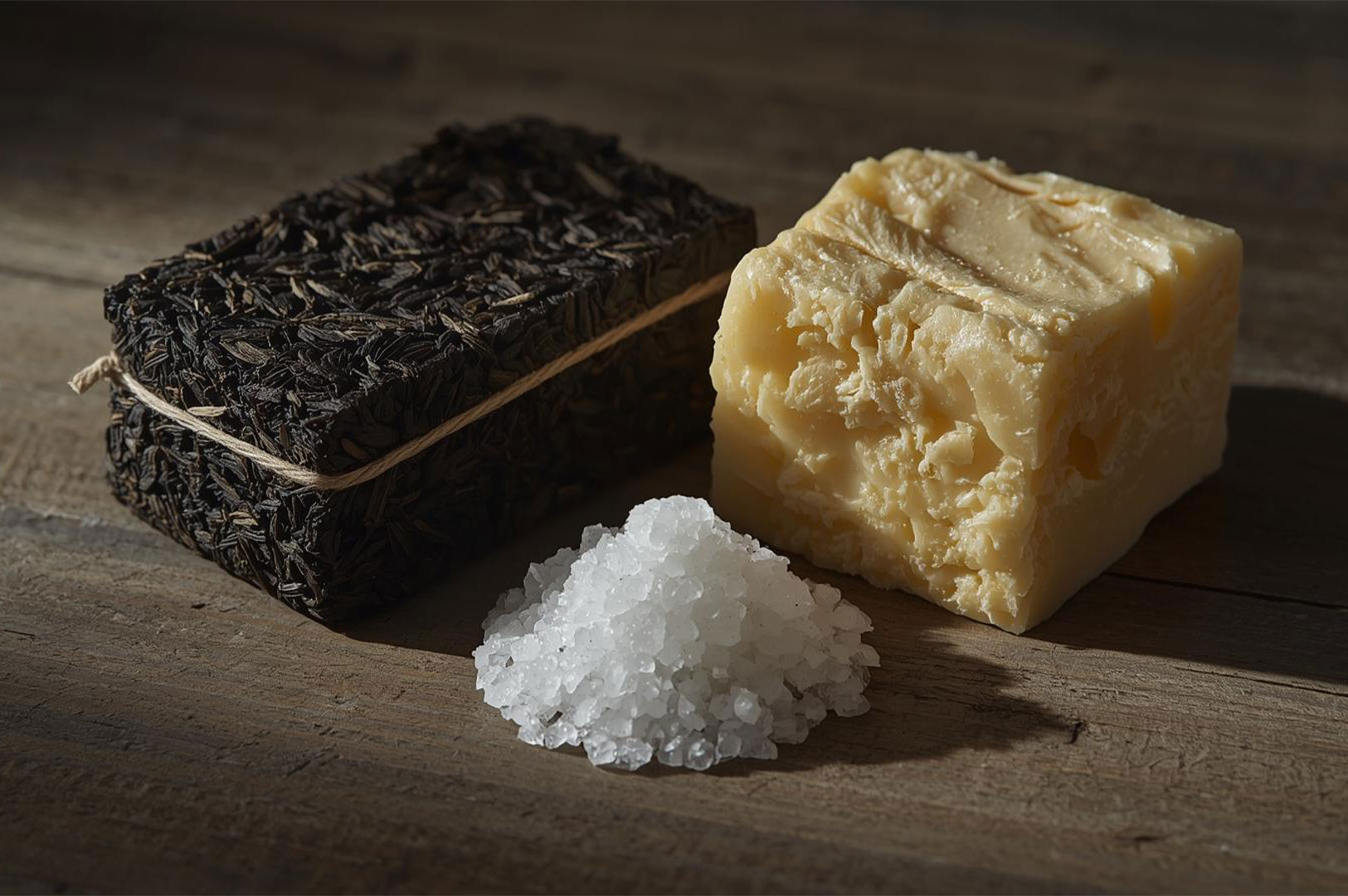
At its core, Tibetan butter tea is a combination of simple yet potent ingredients. The preparation is deeply ritualistic and integral to Tibetan daily life. As a traditional drink, butter tea embodies Tibetan nomadic culture and lifestyle.
1. The Tea Base: Brick Tea from China
The base is a strong, dark black tea made from compressed brick tea, typically imported from China. This tea is simmered for hours until it develops a deep, earthy flavor and high caffeine concentration. Previous studies and animal studies suggest that tea drinking—particularly fermented varieties like pu-erh—can improve digestion and circulation at high altitudes. The tea’s mild stimulant effect helps combat fatigue from low oxygen and long periods of physical activity or altitude training.
2. The Butter: Rich Yak Butter Nutrition
The heart of butter tea nutrition lies in yak butter. High in calories and conjugated linoleic acid, yak butter is a vital energy source for Tibetan people living in high altitude environments. The fats provide slow-releasing energy that stabilizes blood pressure and supports body temperature regulation during strenuous physical activities like high altitude mountaineering or herding across the Tibetan plateau. Compared to cow’s butter, yak butter has a richer fat content and a higher melting point—ideal for withstanding cold climates.
Alongside yak butter, highland barley is another important staple in the Tibetan diet, valued for its nutritional composition—including dietary fiber, vitamins, minerals, and bioactive phytochemicals—and its potential role in reducing the prevalence of metabolic syndrome due to its low glycemic index and protective properties against metabolic disorders.
3. The Salt: Essential for Hydration
Adding Himalayan salt not only enhances the flavor but replenishes electrolytes lost due to dehydration. Maintaining sodium balance helps prevent acute mountain sickness and high altitude pulmonary edema, both of which can occur when oxygen levels drop and fluid regulation becomes impaired.
4. The Churning: A Traditional Tibetan Method
The tea, butter, and salt are blended in a tall cylindrical churn called a chandong. Traditionally, this vigorous tea drinking ritual produces a creamy, frothy drink—thick enough to coat the mouth and warm the body from within. The process also emulsifies the fats evenly, allowing the drink to deliver energy efficiently throughout the day.
Butter Tea Nutrition and Physiological Benefits
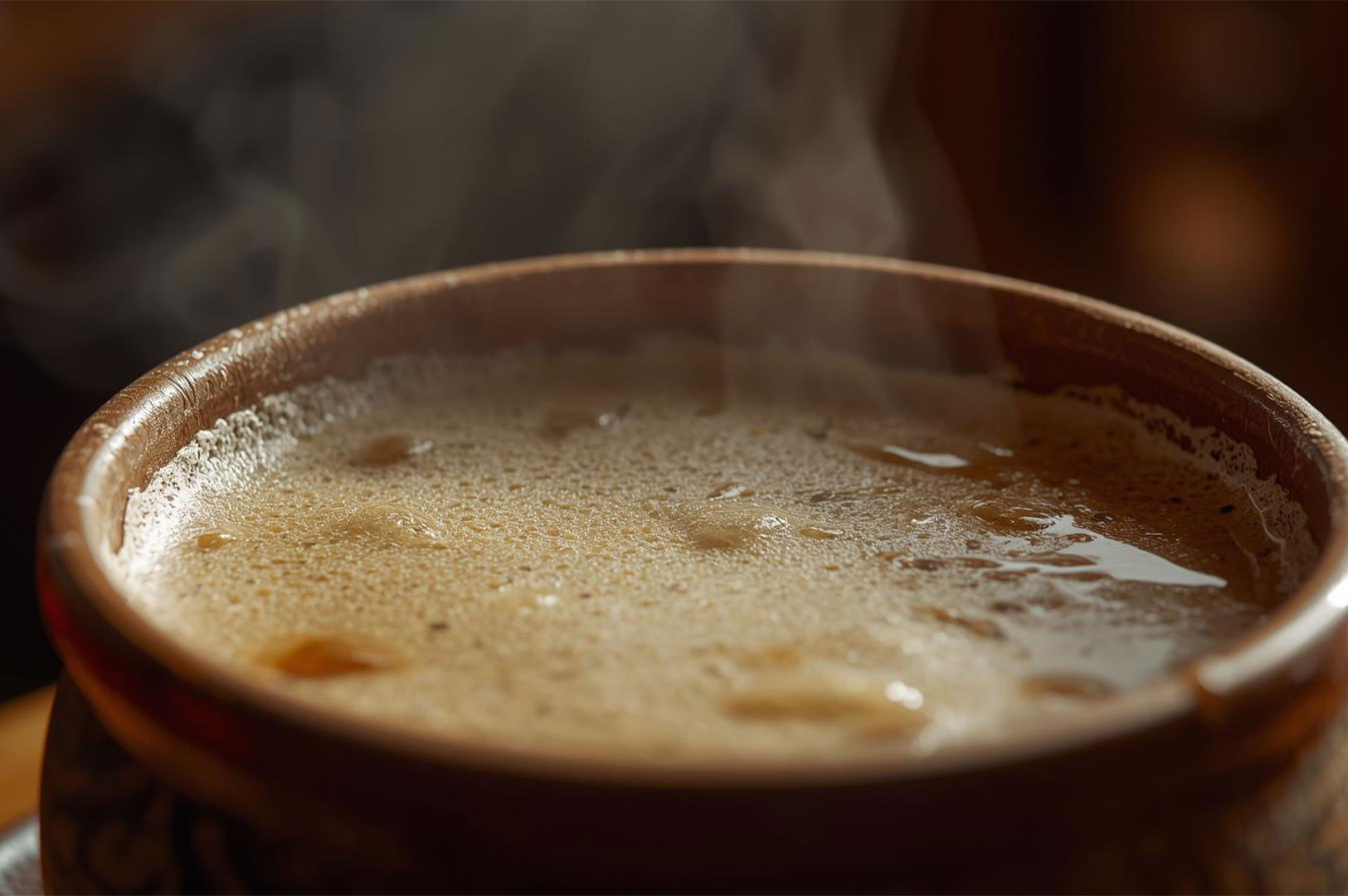
The primary role of butter tea is not indulgence—it’s survival. Each ingredient contributes to the physiological functions needed for life in a harsh environment.
- Energy and Endurance: A single cup can contain several hundred calories, offering sustained energy crucial for herding, farming, and trekking.
- Improved Hydration: The salt aids in fluid retention, preventing dehydration at high altitude.
- Thermal Regulation: The fats in yak butter insulate the body and help maintain body temperature in freezing air.
- Digestive Support: The fermented black tea assists in digesting the heavy, fatty diet that is essential at higher elevations.
- Cardiovascular Stability: The steady energy release supports stable blood pressure, preventing dizziness or faintness common at altitude.
As observed in high altitude med biol literature, tea drinking also enhances cerebral blood flow, supporting mental alertness during altitude training or exercise performance. This may explain why Tibetans relied so heavily on butter tea throughout tibetan daily life—as both a comfort and a tool for endurance.
Tea Drinking and Athletic Performance at High Altitude
In the world of high altitude mountaineering and athletic pursuits, every advantage counts. Tea drinking, a cornerstone of Tibetan culture, offers a natural boost to athletic performance and exercise endurance in high altitude environments. Scientific studies have shown that drinking tea—especially robust black tea—can help the body adapt to high altitude exposure by increasing oxygen partial pressure and supporting cerebral blood flow.
Tibetan athletes and those training for high altitude expeditions often incorporate tea drinking into their daily routines, not only for its energizing effects but also for its role in reducing the risk of altitude sickness. By supporting oxygen delivery and protecting against the negative effects of high altitude, tea drinking remains an essential practice for anyone seeking to optimize their athletic performance in the mountains.
Butter Tea and Tibetan Culture: More Than a Drink
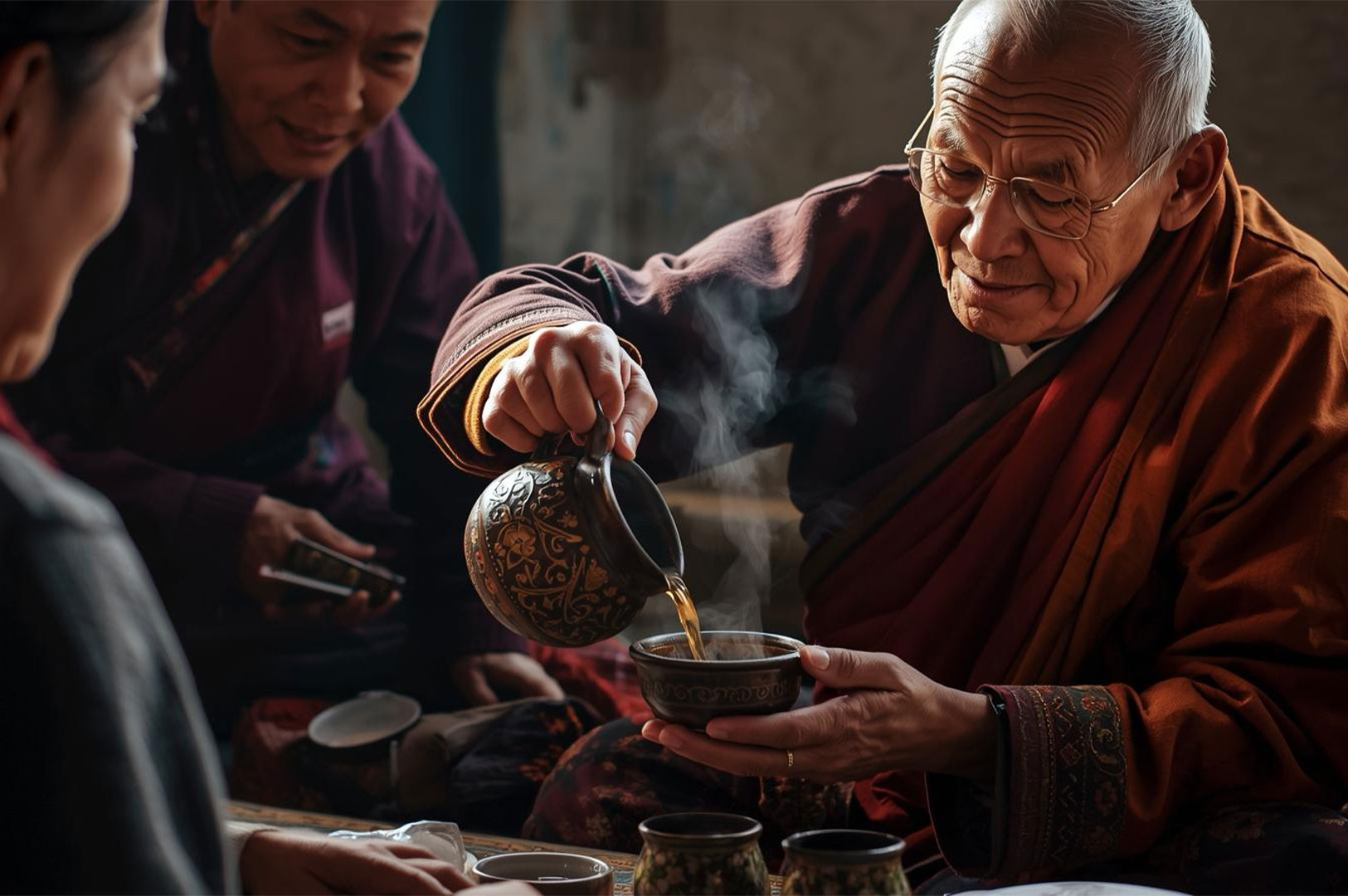
For the Tibetan people, butter tea is inseparable from their identity. In every traditional Tibetan household, offering a bowl of tea symbolizes respect, warmth, and community. It is believed to represent the essence of hospitality—no conversation, negotiation, or celebration begins without it. A host continuously refills the guest’s bowl, and leaving it full signals the guest is finished. Traditionally, guests may leave a little tea in the bowl, a custom known as "little tea," which symbolizes good wishes for future meetings.
This ritual underscores Tibetan culture’s communal values and its ability to transform a simple drink into a sacred social gesture. Whether consumed at Mount Everest base camps or remote monasteries, tibetan tea binds people together across generations and geographies.
Global Parallels: Butter Tea and Other High-Altitude Foods
The combination of tea, butter, and salt is unique, but the principle behind Tibetan butter tea—using fat to fuel the body in cold, oxygen-poor climates—is echoed across the world.
- The Inuit consume fatty broths made from seal or caribou to stay warm.
- The Sámi in Scandinavia have historically added reindeer milk fat or cheese to their beverages for sustenance.
These parallels highlight a universal human response to high altitude or cold climate survival—adapting food and drink to support physiological functions under stress.
From the Tibetan Plateau to the Modern World: Butter Tea’s Continuing Evolution
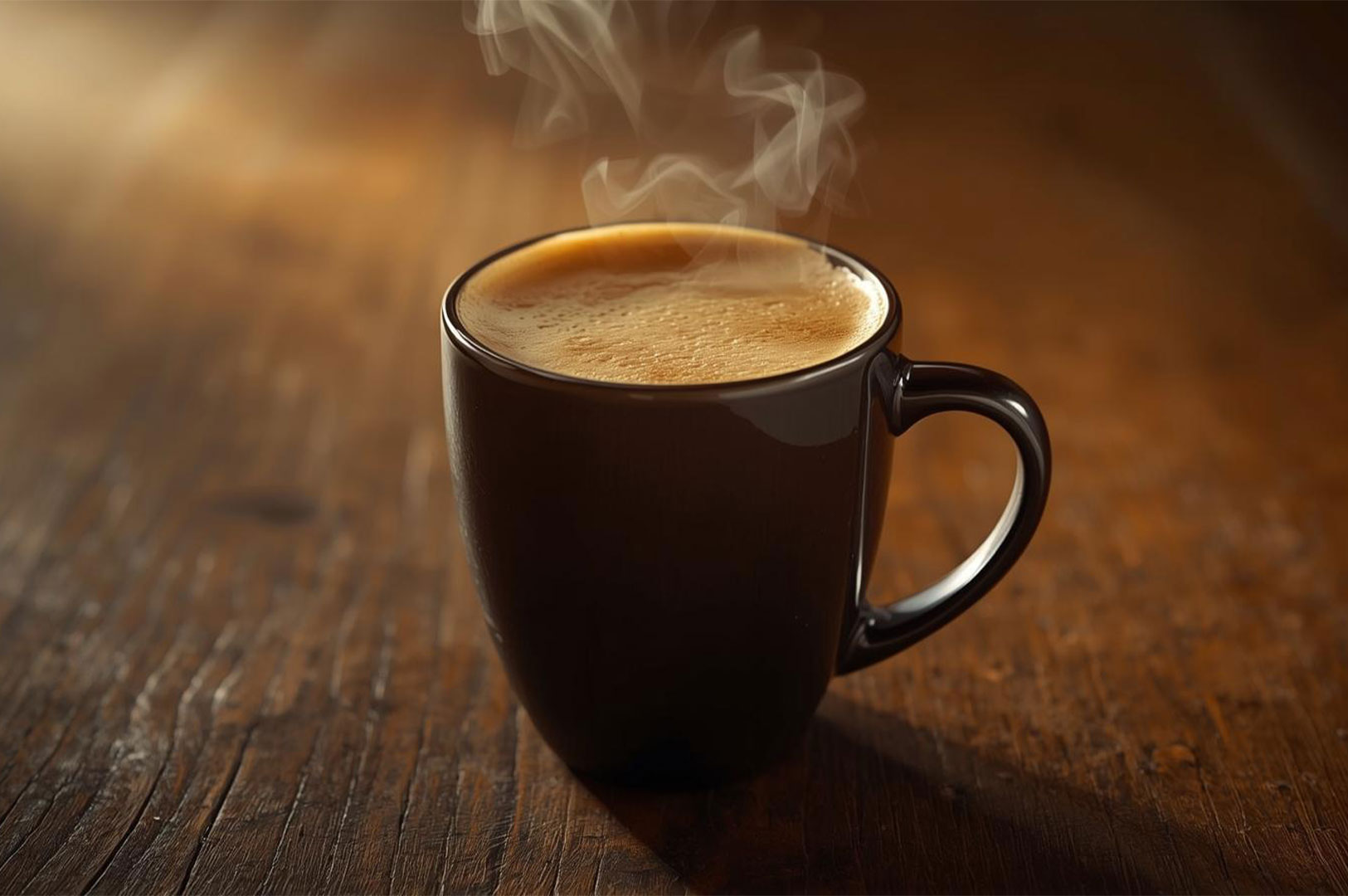
In modern Tibet and Nepal, especially in cities like Lhasa and Kathmandu, Tibetan tea traditions continue to evolve. Many urban dwellers now substitute cow’s milk or butter for yak products and use blenders instead of traditional churns. Some cafés even experiment with sugar or creamier versions to appeal to tourists. Yet, the soul of tibetan butter tea—its purpose as sustenance in high altitude environments—remains intact.
Interestingly, the Western trend of adding fat to caffeinated drinks, such as bulletproof coffee, mirrors the logic behind butter tea nutrition. Though born from different needs—corporate stamina rather than altitude survival—it underscores the enduring relevance of this ancient Himalayan innovation.
A Cup of Wisdom: Lessons from Tibetan Butter Tea
The story of Tibetan butter tea is a story of balance between nature, culture, and physiology. It reflects how the body responds to altitude, how Tibetans relied on local resources to thrive, and how tea drinking became a tool of endurance and connection.
As previous studies and various studies continue to explore physiological effects of high altitude exposure, one thing remains clear: traditional Tibetan practices offer valuable insight into the interplay of nutrition, environment, and human adaptation.
So the next time you sip a cup of tea, imagine the Tibetan people high on the Tibetan plateau, hands wrapped around a steaming bowl of butter tea. In that simple act lies a deep truth—sometimes, survival depends not on strength alone, but on wisdom passed down through every drink, every ritual, and every generation.

The Problem With “Single-Origin” Tea Obsession
There was a time when knowing where a tea came from was enough. Now, it sometimes feels as though we need to know everything. The mountain. The village. The garden. The harvest date. The particular plot where the leaves were grown. Single-origin tea has become a mark of quality in modern tea culture. The idea…
-
Where Singapore’s Tea Traditions Still Steep: Pek Sin Choon
The first thing I noticed was the smell. Not perfume, not incense. Something warmer and older than both. Roasted tea leaves, drifting out onto Mosque Street before I even reached the door. It’s the kind of smell that makes you slow your steps without knowing why. Pek Sin Choon has been on this corner of…
-
Not All Comfort Is Sweet: The Bitterness I Now Appreciate
I used to think comfort was supposed to be easy. A familiar drink. A familiar taste. Something that immediately made me feel better. For a long time, I gravitated towards teas that were gentle. Soft flavours. Natural sweetness. Anything that felt welcoming from the first sip. Then I started appreciating bitter teas. Not because I…
-
Understanding the Herb Behind the Refreshing Cup: Peppermint Tea
There is a moment, just after the hot water meets the fresh peppermint leaves, when the whole room seems to change. A sharp, green coolness lifts from the cup and settles somewhere behind your eyes. Drinking peppermint tea does this quietly, without fuss. It asks for nothing and offers a great deal. Most of us…
-
Why Most People Hate Oolong: Overcomplicated Advice Ruined It
I have always found it interesting that oolong tea is one of the most misunderstood teas. People often describe it as complicated. Too many varieties. Too many brewing methods. Too many rules. The leaves should be prepared this way. The water should be at this temperature. The teapot should be a certain material. The first…
-
Kempinski Singapore High Tea Review: When Afternoon Tea Feels Like an Occasion
The rain had come and gone by the time I arrived, leaving the street outside slick and quiet. I stepped in without knowing quite what I wanted from the afternoon. Only that I wanted it to be slow. The Lobby Lounge at The Capitol Kempinski Hotel Singapore does not rush you. It waits. And there…
-
Scent, Memory, and a Kettle: How Tea Anchors My Days
There are certain smells that bring us somewhere else before we even realise it. The scent of rain on warm pavement. A familiar perfume. The food someone used to make when we were younger. For me, tea belongs in that category. Sometimes, before I even take a sip, the aroma is enough to bring back…
-
The Chinese Yixing Teapot: More Than a Teapot, a Living Tea Tradition
The first time I held a Chinese Yixing teapot, I wasn’t ready for how warm it would feel. Small, reddish-brown, sitting in my palm like a river stone that had been kept somewhere warm. I’d just rinsed it with hot water, the way you’re supposed to before the first brew, and the clay drank up…
-
Your “Tea Sommelier” Might Be Selling You a Vibe, Not a Better Cup
There is a particular moment that has become increasingly familiar in modern tea culture. A tea is presented. Before the first sip, we are introduced to its story. The region. The altitude. The history. The carefully chosen words that describe its character. Perhaps there are notes of wildflowers, distant forests, roasted grains, or forgotten memories….
-
Does Tea Contain Caffeine? Understanding What’s Really in Your Tea
There’s a quiet moment many of us know well. The kettle clicks off. Steam curls up. You wrap your hands around a warm cup and feel your shoulders drop, just a little. Tea has always carried this sense of calm, of slowing down. So it can feel almost contradictory to ask: does tea contain caffeine?…