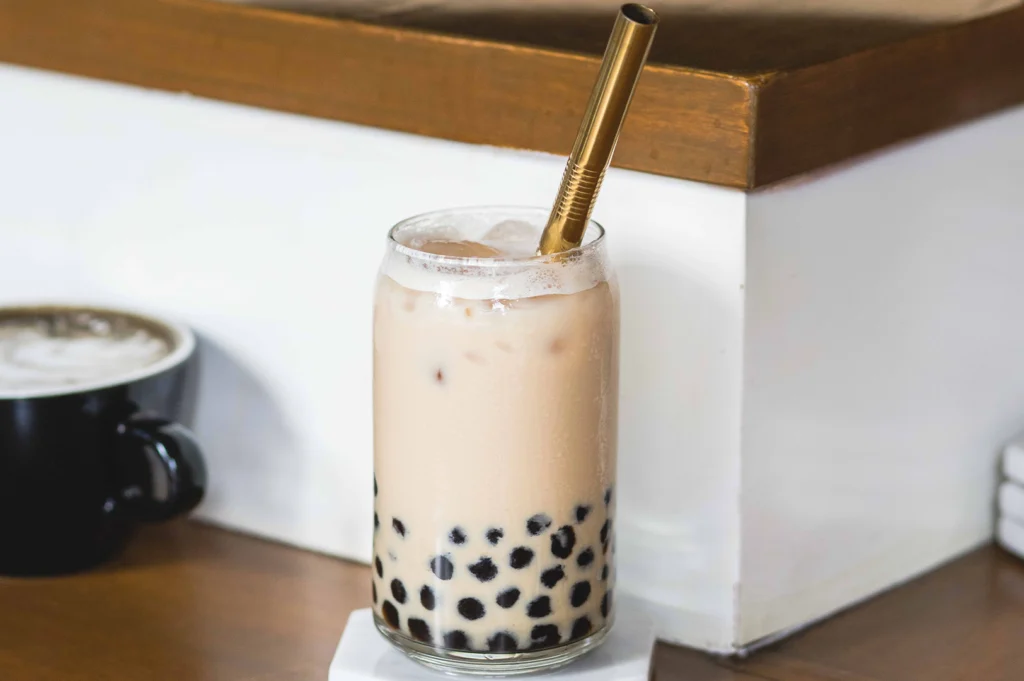
I have nothing against drinking dessert through a straw.
Actually, I think it’s one of the more enjoyable things about modern bubble tea culture.
Brown sugar pearls. Creamy toppings. Flavoured jellies. Drinks that look more like something you’d order after dinner than a traditional cup of tea.
They’re fun, and I understand the appeal.
But I’ve been wondering why we still insist on calling some of these creations tea when the tea itself has practically disappeared.
Because shouldn’t we be able to taste it?
I don’t expect every bubble tea to have the delicate character of a carefully brewed oolong. Milk, sugar, and toppings naturally change the experience, and that’s part of what makes these drinks popular.
But there’s a difference between complementing tea and completely covering it up.
A good jasmine milk tea should still have some of that lovely floral character. A roasted oolong milk tea can offer a gentle toasted depth beneath the creaminess. Even a strong Assam can hold its own against milk and sweetness.
Those flavours deserve a little space.
Instead, I sometimes feel we’re more interested in how many things we can add to a drink before it becomes something entirely different.
And maybe that’s okay.
What if we simply admitted that some bubble teas are desserts?
There’s no shame in enjoying something sweet. I don’t think every drink needs to justify itself through antioxidants, tradition, or the promise of being a healthier choice.
Sometimes you want tea.
Sometimes you want brown sugar pearls swimming in something creamy and delicious.
Both are perfectly reasonable.
What I’d love to see is more honesty in how bubble tea shops present their drinks. Celebrate the dessert-inspired creations, but give the actual tea blends some attention too.
Tell us what leaves you’re using. Let their flavours come through. Give customers a reason to notice the tea beyond the toppings.
Because I don’t think bubble tea needs to become more traditional to be taken seriously.
It just needs to be comfortable with what it is.
And if that happens to be dessert in a cup?
Honestly, I’d still order it.
I’d just appreciate knowing what I’m drinking.
— Maria Tan
On tea, culture, and everyday rituals.

Sobacha: Exploring the Japanese Tradition of Roasted Buckwheat Tea (Sobacha)
Beyond the celebrated world of Japanese green tea lies a treasure trove of comforting, traditional beverages. Among the most beloved is sobacha (そば茶), a nutty and wholesome roasted buckwheat tea. It’s a staple in Japanese households and restaurants, cherished not just for its delightful flavor but for its deep connection to Japanese culinary culture and…
-
Ginger Tea Singapore: A Practical Journey to Finding and Enjoying This Wellness Beverage
Ginger tea is more than just a comforting beverage in Singapore; it’s a staple of modern wellness, a go-to remedy for chasing away the chill of an air-conditioned office, and a familiar taste of home across many cultures. The gentle warmth of ginger tea provides a soothing and invigorating sensory experience, evoking feelings of coziness…
-
Beyond Coffee: Cafe Singapore Cafes Worth Visiting for Their Tea
Author’s Note: I made just a few tweaks here and there to smooth out the flow and make your reading experience as enjoyable as possible. Hope you enjoy the read as much as I enjoyed fine-tuning it for you! If you close your eyes and imagine a typical cafe Singapore scene, you’d likely hear the…
-
Green Tea in Japan: Exploring the Cultural and Social Dimensions of Green Tea in Japan
In Japan, green tea is more than just a beverage; it is a cultural cornerstone, deeply woven into the fabric of daily life, social customs, and national identity. It’s the welcoming drink offered to a guest, the quiet moment of reflection in a busy day, and the centerpiece of a centuries-old ceremony. While many are…

Singapore Ginger Tea: A Complete Guide to Traditional Wellness in the Lion City
In Singapore’s multicultural landscape, ginger tea is a beloved staple that transcends cultural boundaries. Known locally as teh halia, this warming brew embodies centuries of traditional wisdom adapted to modern Singapore life. Whether you seek relief from air-conditioned chill, digestive support after a big meal, or a refreshing sip on a rainy day, Singapore ginger…
-
Loose Tea Leaves: Elevate Your Singapore Tea Experience
In a city that moves as fast as Singapore, the simple act of brewing a cup of tea can feel like a small rebellion—a moment of intentional calm. More and more tea lovers are discovering that this moment is profoundly elevated when they make the switch from conventional tea bags to loose tea leaves. This…
-
Tea Leaf Singapore: An Exquisite Journey of Flavours, Traditions, and Moments
Singapore’s strategic position as a maritime trading hub has nurtured a rich tea culture where ancient traditions blend with modern innovation. The local love for tea runs deep, shaping Singapore’s unique tea culture and fostering a strong appreciation for every cup. Singapore continues to honor its tea traditions while embracing new innovations, ensuring that the…
-
Korean Barley Tea: A Journey into Boricha and Its Rich Traditions
Walk into any Korean restaurant, and before you glance at the menu, a glass of amber-colored boricha (보리차) arrives. This Korean barley tea is as fundamental as water in Korean culture—served hot or cold, a staple in everyday life and a gesture of hospitality. While roasted barley tea is popular across many East Asian countries,…
-
Mugicha Barley Tea: Japan’s Beloved Caffeine-Free Summer Drink Unveiled
Long before green tea became Japan’s iconic beverage, mugicha barley tea—a golden, nutty roasted barley tea—has refreshed Japanese families for centuries. Unlike traditional tea from Camellia sinensis leaves, mugicha is a naturally caffeine free herbal tea made by steeping roasted barley grains in hot water. This traditional barley tea has evolved from an imperial luxury…
-
Buckwheat Tea Unveiled: Singapore’s Rising Caffeine-Free Wellness Beverage
Singapore’s health-conscious community is embracing buckwheat tea, a caffeine free tea known for its rich cultural heritage, unique nutty flavor, and impressive health benefits. This traditional Asian beverage, also called soba cha in Japan, offers a soothing alternative to green tea or coffee, perfect for Singapore’s tropical climate and wellness goals. Its growing popularity reflects…