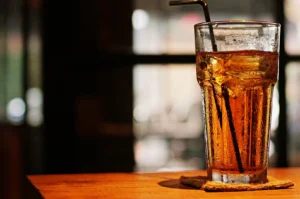
I have nothing against drinking dessert through a straw.
Actually, I think it’s one of the more enjoyable things about modern bubble tea culture.
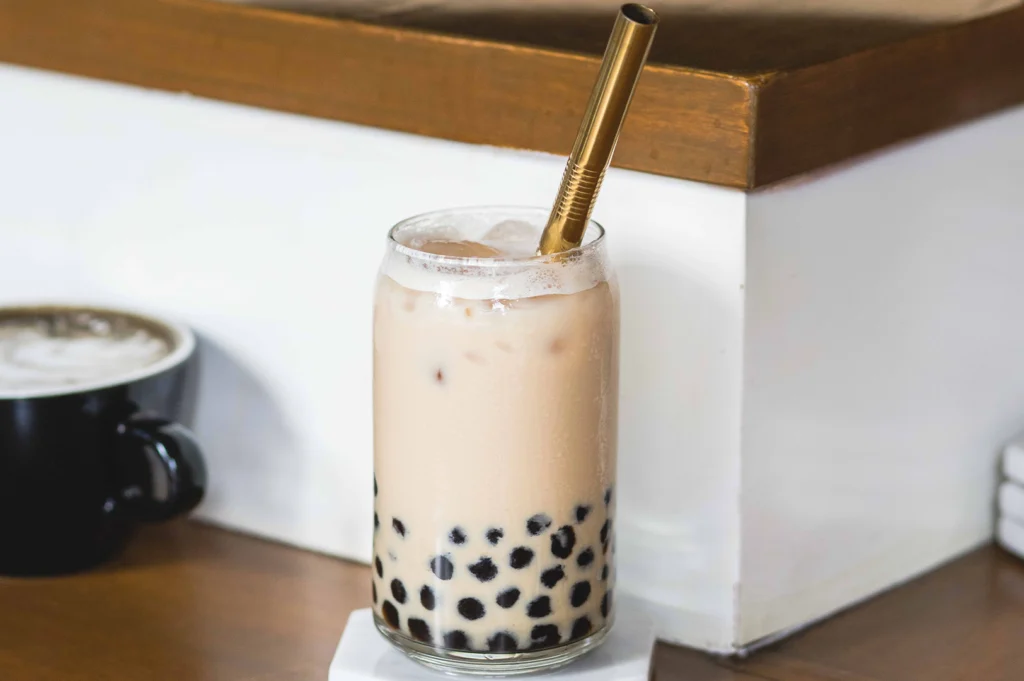
Brown sugar pearls. Creamy toppings. Flavoured jellies. Drinks that look more like something you’d order after dinner than a traditional cup of tea.
They’re fun, and I understand the appeal.
But I’ve been wondering why we still insist on calling some of these creations tea when the tea itself has practically disappeared.
Because shouldn’t we be able to taste it?
I don’t expect every bubble tea to have the delicate character of a carefully brewed oolong. Milk, sugar, and toppings naturally change the experience, and that’s part of what makes these drinks popular.
But there’s a difference between complementing tea and completely covering it up.
A good jasmine milk tea should still have some of that lovely floral character. A roasted oolong milk tea can offer a gentle toasted depth beneath the creaminess. Even a strong Assam can hold its own against milk and sweetness.
Those flavours deserve a little space.
Instead, I sometimes feel we’re more interested in how many things we can add to a drink before it becomes something entirely different.
And maybe that’s okay.
What if we simply admitted that some bubble teas are desserts?
There’s no shame in enjoying something sweet. I don’t think every drink needs to justify itself through antioxidants, tradition, or the promise of being a healthier choice.
Sometimes you want tea.
Sometimes you want brown sugar pearls swimming in something creamy and delicious.
Both are perfectly reasonable.
What I’d love to see is more honesty in how bubble tea shops present their drinks. Celebrate the dessert-inspired creations, but give the actual tea blends some attention too.
Tell us what leaves you’re using. Let their flavours come through. Give customers a reason to notice the tea beyond the toppings.
Because I don’t think bubble tea needs to become more traditional to be taken seriously.
It just needs to be comfortable with what it is.
And if that happens to be dessert in a cup?
Honestly, I’d still order it.
I’d just appreciate knowing what I’m drinking.
— Maria Tan
On tea, culture, and everyday rituals.

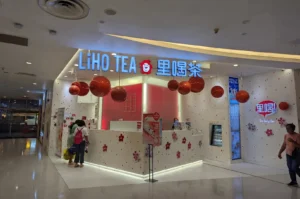
LiHO Tea Singapore: A Greeting You Can Drink
Some words carry a whole childhood inside them. Li ho. I heard it at kopitiam tables, across corridors, from uncles who never waited for a real answer. It meant “how are you,” but it also meant I see you. So when I saw that name on a tea shop sign, somewhere in the middle of…

The Myth of “Perfect” Tea: What I Stopped Chasing
For a long time, I thought I was looking for the perfect tea. I imagined there would be a moment when I found the one. The tea that made every other tea feel unnecessary. The tea I would recommend to everyone. The tea that would finally make me understand what true appreciation was supposed to…
-
Teh O: Understanding the Tea Order Behind the Name
There is a stall near where I grew up that has changed hands twice, but the tea has stayed the same. I still remember the first time I ordered teh o on my own, sometime in my early teens, mumbling the words at the counter and half-expecting to get them wrong. The uncle didn’t blink….
-
Stop Buying Tea for the Aesthetic: How Packaging Hijacks Taste
There is something fascinating about the way we buy tea today. Before we taste the leaves, we have already formed an opinion. The box is elegant. The label is beautifully designed. The colours suggest calm, luxury, or tradition. The story feels carefully written. And before the first sip, we have already decided that the tea…
-
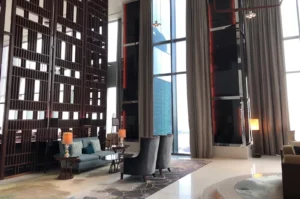
A Tea Table in the Clouds: The Westin Singapore High Tea Review
It was one of those afternoons when the city felt too loud and too fast, and I wanted to sit somewhere quiet without really explaining why. So I went up. All the way up, to Level 32 of The Westin Singapore, where the Lobby Lounge sits above the noise like it knows something the rest…
-
“Caffeine-Free Tea” Confuses Everyone—Let’s Fix the Language
I have noticed that tea conversations can become surprisingly confusing. Not because tea itself is complicated, but because we sometimes use the same words to mean completely different things. One phrase that always catches my attention is “caffeine-free tea.” It sounds simple enough. A tea without caffeine. But is that really what we mean? Because…
-
The Pull, Pour, and Ritual Behind Singapore’s Favourite Milk Tea: Teh Tarik
It starts with a sound. A long ribbon of tea, arcing from one metal mug held high to another held low. The stream catches the light. Then the froth rises, pale and soft, and the whole thing gets poured back and lifted again. Nobody at the stall looks up. This happens a hundred times a…
-
Stop Chasing Tasting Notes: Tea Isn’t Wine and That’s a Relief
I have a small confession to make. Sometimes I have absolutely no idea what I am supposed to be tasting. A tea description might promise orchid, honey, toasted nuts, stone fruit, and something wonderfully mysterious called a “long mineral finish.” I take a sip. I taste tea. And then I start wondering if everyone else…
-
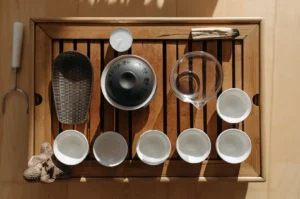
Chinese Tea Sets: Beautiful on the Table, But How Do They Brew?
There is a small arrangement on the table this evening, and I have not touched it yet. A pale bowl with a lid resting slightly askew. A round pitcher beside it, waiting to be filled. Cups no larger than a thumb and two fingers, lined up like a quiet sentence. The surfaces catch the last…
-
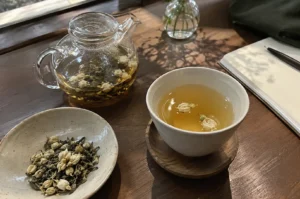
Floral Teas Are Not “For Beginners”—They’re For People With Taste
There is a curious assumption in tea culture that I have never quite understood. If you are new to tea, you begin with something floral. Jasmine. Rose. Osmanthus. Lightly scented blends. Then, supposedly, you move on. You discover roasted oolongs. Aged teas. More complex leaves. Stronger flavours. Eventually, you become a “serious” tea drinker. I…