The first thing I noticed was the smell.
Not perfume, not incense. Something warmer and older than both. Roasted tea leaves, drifting out onto Mosque Street before I even reached the door. It's the kind of smell that makes you slow your steps without knowing why.
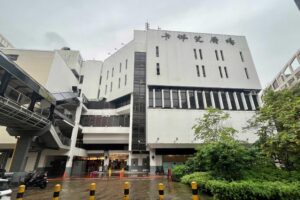
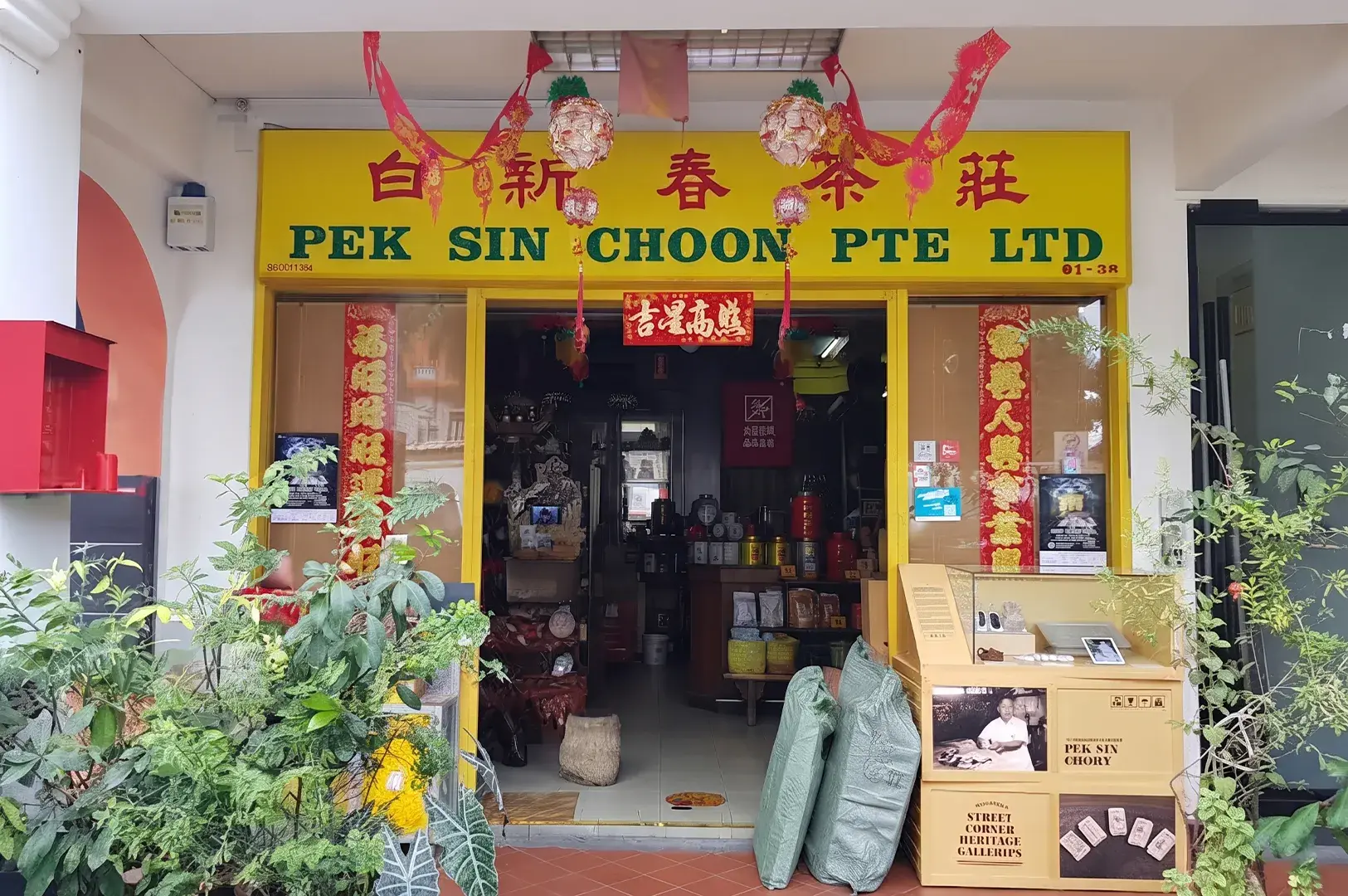
Pek Sin Choon has been on this corner of Chinatown for a long time. Since 1925, in fact, which makes it one of Singapore's oldest tea merchants. Fourth-generation owner Kenry Peh runs the company now, and the shop still carries that rare feeling of a place that never rushed to become something else.
Quality Chinese Tea: A Business Rooted in Tradition
Step inside and it's clear this is a working shop, not a showroom.
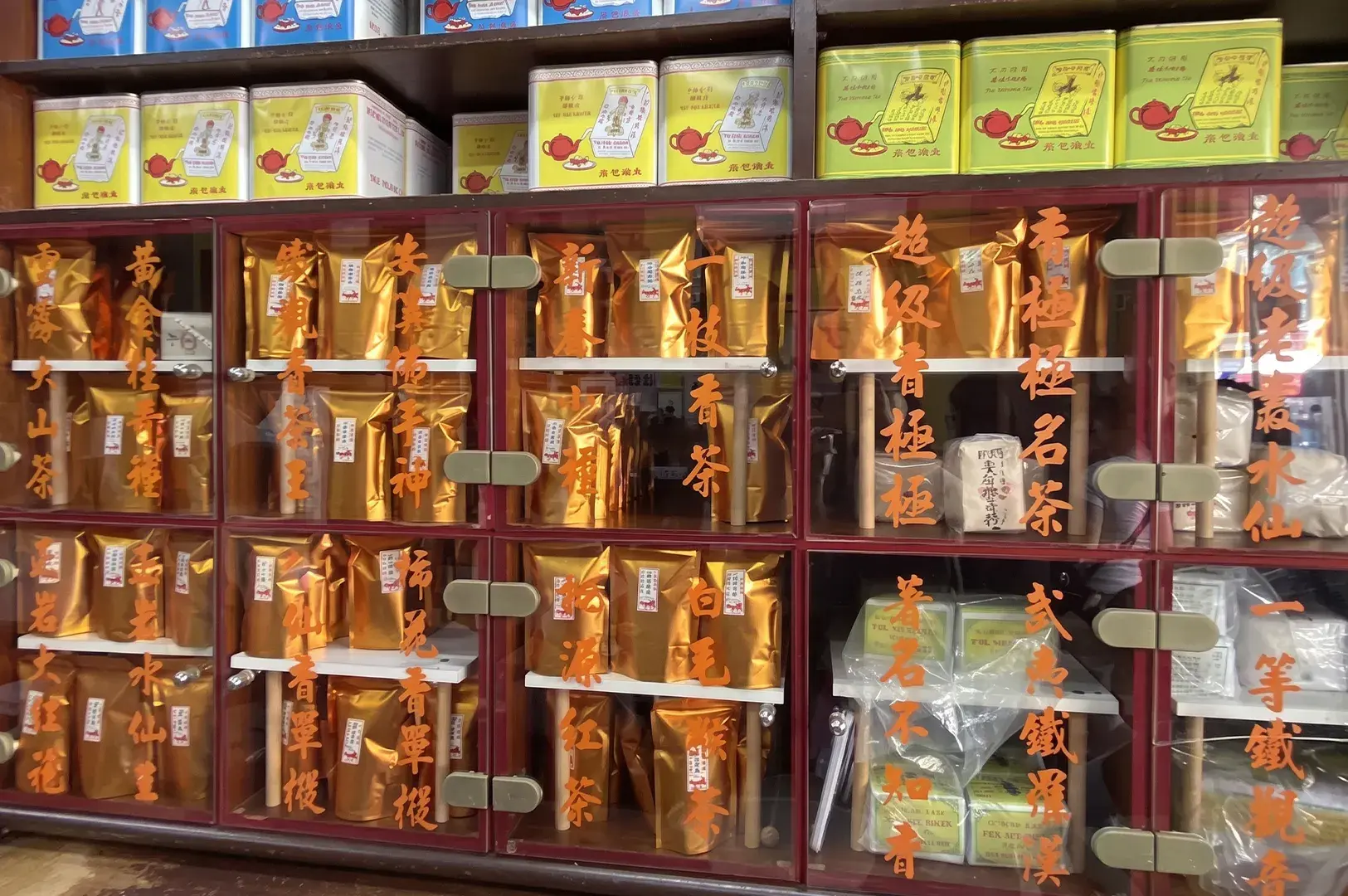
Tins line the walls. There are packets wrapped in pink paper, the way tea was always packed here, the same paper once used by Chinese medicine halls. Nothing here is styled for a photograph. It's simply how things have been done for close to a hundred years.
I learned that up to 120kg of tea leaves are blended and roasted here every single day. They still use a woven basket, said to be as old as the shop itself, and a roasting oven made right here in Singapore. That's a lot of quiet, unglamorous work behind a beverage most of us drink without a second thought.
You may already know their tea without realizing it. Pek Sin Choon supplies tea to over 80% of Singapore's bak kut teh establishments, as well as Chinese restaurants including Din Tai Fung. Chances are, you've tasted their work over a bowl of peppery pork rib soup and never once looked up the name.
Premium Tea: Rich Flavors from China
For quality Chinese tea, this is a place that rewards curiosity.
Their most famous product is the Renowned Unknown Fragrance, a a closely guarded traditional oolong blend recipe that regular customers simply trust. It runs from $10.50 to $52.50, depending on the tin, and it's the one I'd start with if you want to understand the house style.
If you're new to Chinese tea heritage, the more affordable roast tea options are a gentle way in. The Tie Guanyin Grade 1 sits between $6 and $29, and the Wuyi Iron Arhat from $7.50 to $33. Both are honest, everyday teas that offer a strong yet light taste.
The Nanyang Tea range is where their character really shows. These are traditional blends, roasted and packed here, made for the local palate rather than an imported ideal. The Sin Choon Shuixian ($33) belongs to this family, and it's a lovely, grounding cup that customers enjoy.
For those willing to go deeper, there are premium Chinese tea types worth lingering over. The Eight Immortal Fragrance Dancong ($29.80 to $89.40), the Dong Ding Oolong ($49.80 to $149.40), and the Da Hong Pao ($99.80 to $299.40) all carry more weight and history. And for a serious occasion, the Royal Tie Guanyin Competition Grade sits at $150.
Chinese Tea Heritage: A Company That Supports Tradition
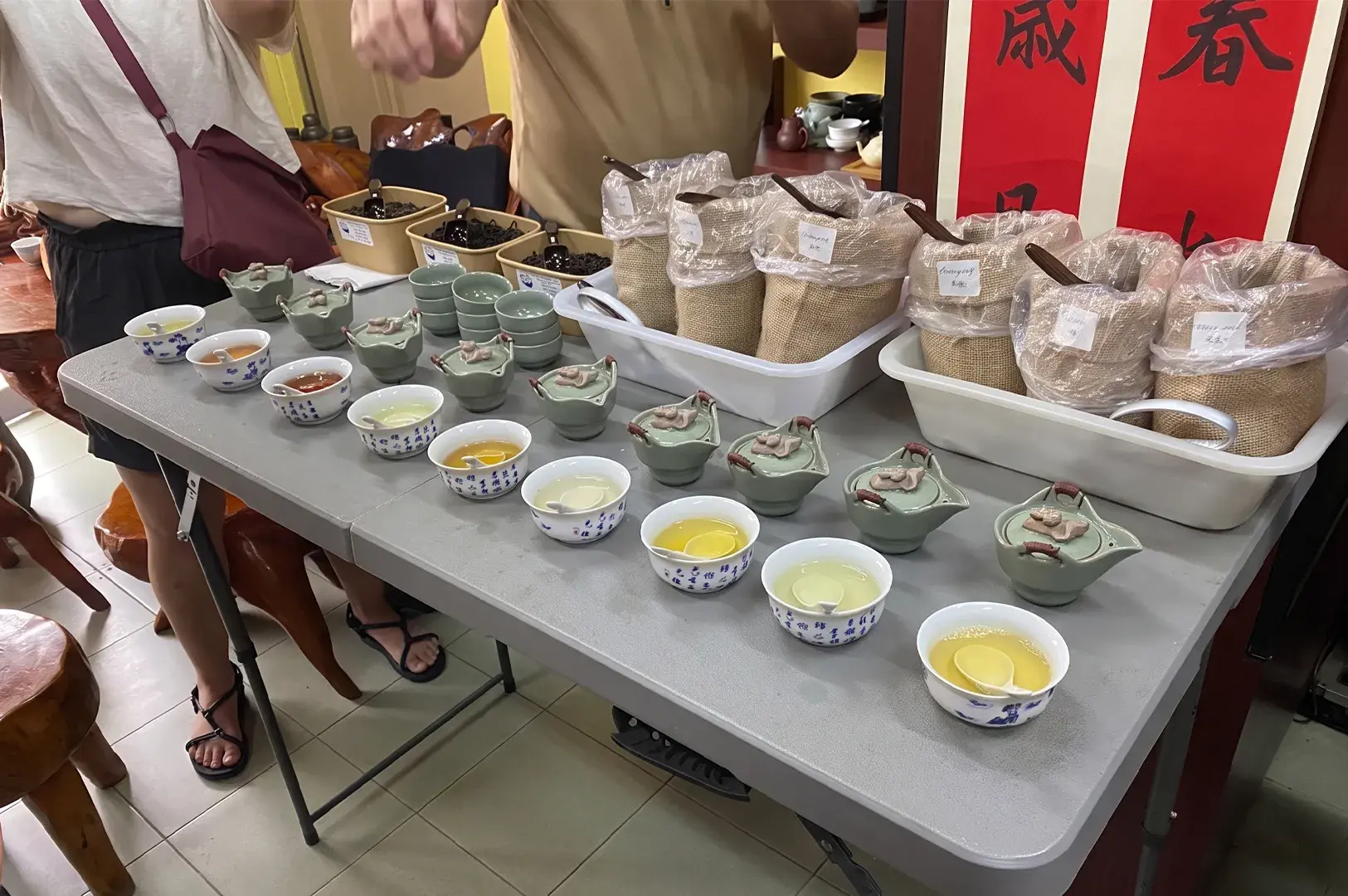
What stayed with me most wasn't a tea. It was the sense of someone who actually cares.
If you're lucky, Kenry Peh himself is around, and he's happy to talk. He'll tell you about local tea culture while you sip something freshly brewed, and you get the feeling he isn't performing. He's just sharing what he loves.
There's no hard sell here. No one hovering, no upselling. You're allowed to be a beginner. You're allowed to ask the plain questions. That kind of patience feels increasingly rare today.
Nanyang Tea: Traditional Blends for the Public
A few practical notes.
You'll find Pek Sin Choon at 36 Mosque Street, Singapore 059514, in the heart of Chinatown. It's open Monday to Saturday, 8:30am to 6:30pm, and closed on Sundays, so plan around that.
Payment is easy: SG QR, PayNow, or cash and cheque in-store. If you can't visit, they ship worldwide, and they also offer wholesale, blending, and customized packaging.
Quality Chinese: Enjoy Tea That’s Cheaper and Rich in Flavor
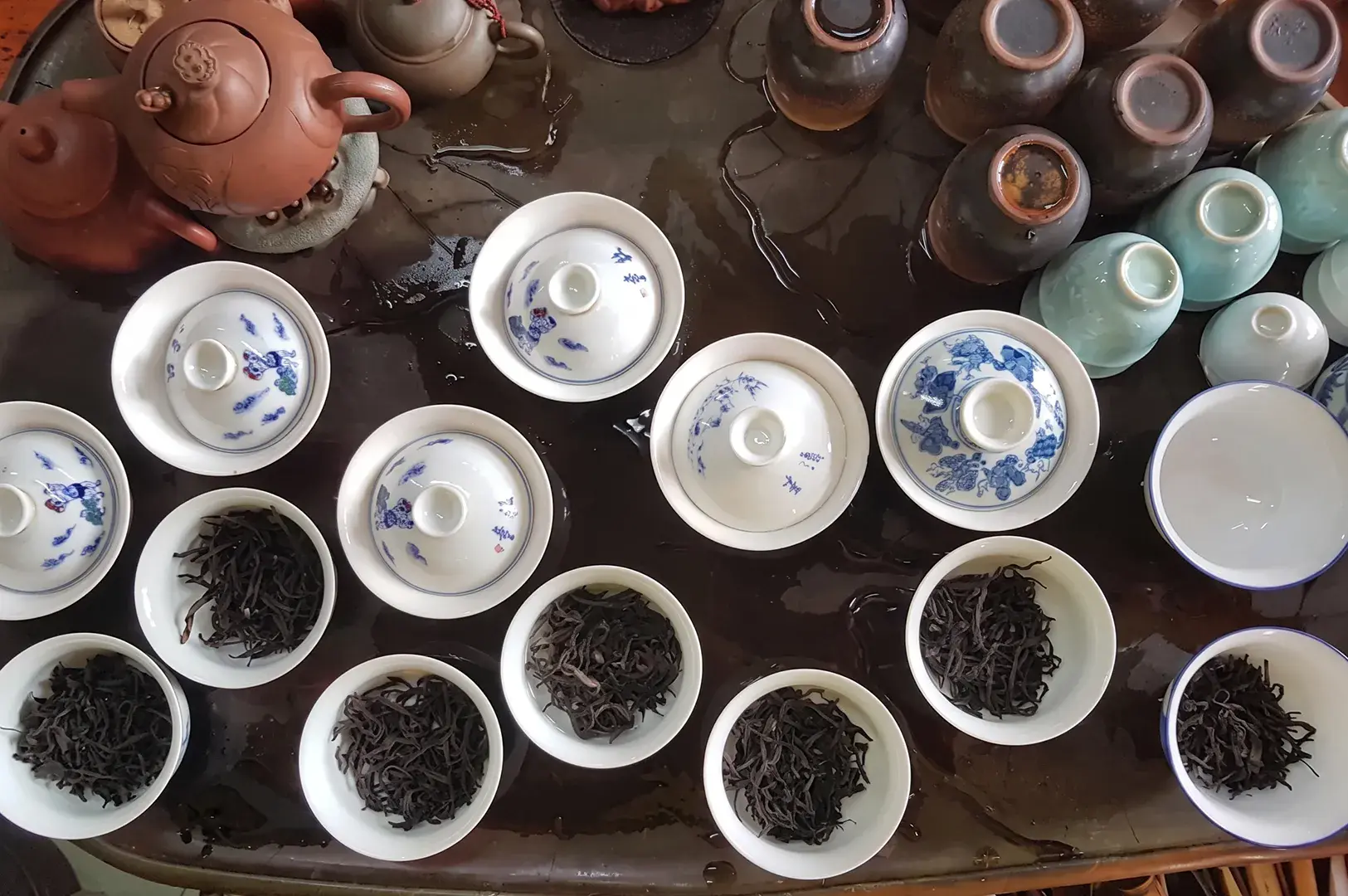
Quietly, yes.
This isn't a slick tasting bar, and it isn't trying to be. It's a merchant that has kept its craft alive through war, redevelopment, and every passing trend, without losing its calm.
I'd recommend it to anyone who wants their tea to come with a story, or who simply wants to buy premium tea from people who understand it deeply. Come with a little time and an open mind. Eat, drink, and enjoy something you'll actually brew, not just display.
Some places sell tea. This one keeps a tradition steeping.
FAQ
Where is Pek Sin Choon located?
At 36 Mosque Street, Singapore 059514, in Chinatown.
What are the opening hours?
Monday to Saturday, 8:30am to 6:30pm. It's closed on Sundays.
What should a first-timer buy?
The Renowned Unknown Fragrance ($10.50 to $52.50) is the signature blend and a good starting point. Grade 1 Tie Guanyin ($6 to $29) is a friendly, affordable option too.
Is Pek Sin Choon really that established?
Yes. Founded in 1925, it's one of Singapore's oldest tea merchants, now run by fourth-generation owner Kenry Peh.
Can I buy online?
You can. They ship worldwide and also offer wholesale, blending, and customized packaging.

Are We Drinking Tea or Just Collecting It?
There was a time when buying tea meant something simple. You chose a tea you liked, brought it home, and brewed it. The leaves were meant for hot water, not long-term storage. Yet something has quietly changed. Today it is not unusual to meet tea drinkers with shelves filled with sealed cakes, tins, and packets…

The Soul of Tea: Unveiling the Beauty of Traditional Tea Ceremonies
Tea is more than just a drink, isn’t it? It is a quiet moment in the middle of a busy day, a small ritual that grounds us. We are not just drinking tea; we are experiencing something far more profound, a glimpse into the centuries-old traditions of cultures that revere this simple beverage. Whether in…

The Matcha Latte and the Tea It Came From
The matcha latte drink has become one of the most recognizable tea-based beverages in modern cafés. From Starbucks menus to independent tea bars, it is served hot in ceramic mugs or as iced matcha lattes layered in a glass with cold milk and ice. It is marketed as a healthy drink. It is praised for…

We Are Drinking Tea Too Quickly
There is something ironic about rushing tea. We order it to relax. We call it calming. We describe it as grounding. And yet, more often than not, we drink it the same way we drink everything else — between emails, between meetings, between scrolling. Tea has become background noise. A mug beside the laptop. A…
-
Where Tea Meets Cuppage Plaza Food: Restaurants That Serve Both Well
Walk into Cuppage Plaza Singapore and you immediately feel the shift. Just a short walk from Somerset MRT Station, Cuppage Plaza is a go-to spot for anyone craving authentic Japanese cuisine. Sure, Orchard Road is just outside, all shiny and bustling, but once you step inside this older building, the vibe totally shifts. The hallways…
-
Milk Tea Is Not Tea
This is not an argument about preference. It is a question about naming. Milk tea is everywhere now. It travels in oversized cups, sealed with plastic film. It arrives layered with foam, syrup, pearls, jelly, whipped cream. It is photographed before it is tasted. It is queued for. It is branded. It is loved. But…
-
A Journey into Herbal Teas: Exploring Nature’s Finest Infusions
Imagine cupping your hands around a warm mug, inhaling the sweet, floral scent of chamomile tea or the invigorating peppermint tea aroma from the peppermint plant. As you take the first sip, you feel a sense of calm and comfort wash over you. This soothing experience is the magic of herbal teas, a diverse and…
-
Singapore Tea for Every Palate and Every Ritual
What draws us to seek something deeper in a simple cup of tea? In Singapore, where countless cultures have settled like leaves steeping in warm water, the answer unfolds quietly in the spaces between tradition and modernity. Good tea emerges from patient sourcing, from the steady hands of those who understand its language, from leaves…
-
Where to Find Private Room Singapore Spaces for Tea Rituals
In a city that never truly rests, quiet becomes something you have to choose. You feel it when you’re weaving through Orchard Road in the middle of the day, or squeezing past crowds in the Central Business District at lunch hour. The lights are bright, the notifications keep coming, and even when you sit down, your…
-
Tea Is Losing Its Ceremony — And We Let It Happen
No one announced it. There was no collective decision, no moment of cultural shift. And yet, the ceremony has quietly receded from everyday tea. What was once deliberate has become automatic. Tea used to require attention. Water temperature mattered. Leaves were measured with care. The cup was chosen, not grabbed. Even in the absence of…