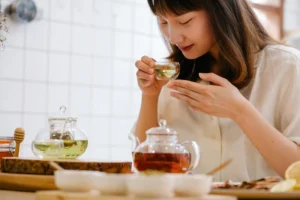
Picture a sticky afternoon in Singapore. The kind where the air sits heavy on your shoulders and the walk from the MRT feels longer than it should.
You reach for something cold. Maybe a teh peng from the drinks stall, ice clinking in a plastic cup. Maybe a bottle of green tea from the convenience store fridge.
And then, somewhere in the back of your mind, a small voice: Isn't tea a diuretic? Am I actually making myself more thirsty? This question about tea dehydrate effects often comes up when people are mindful of their caffeine consumption and staying hydrated.
I think many adults have heard this at some point. From a parent, a colleague, a passing comment online. It's one of those ideas that gets repeated so often it starts to feel like fact, especially when people are concerned about their health.
But what if the truth is gentler than the warning? Let's sit with the question properly.
Drinking Tea: Understanding Tea's Diuretic Properties and Hydration Benefits
Some teas can have natural diuretics properties due to caffeine ingestion. That part is true.
But the effect is usually small. In moderate amounts, even caffeinated tea is unlikely to dehydrate you, and it can still count toward your daily fluid intake alongside drinking water and other hydrating options like sparkling water or juice.
So the honest answer sits somewhere in the middle. Tea isn't a dehydration trap. It also isn't exactly the same as plain water in every situation. The details matter, and they're worth understanding.
What Gives Tea Its Diuretic Effect? Caffeine Compared to Other Drinks
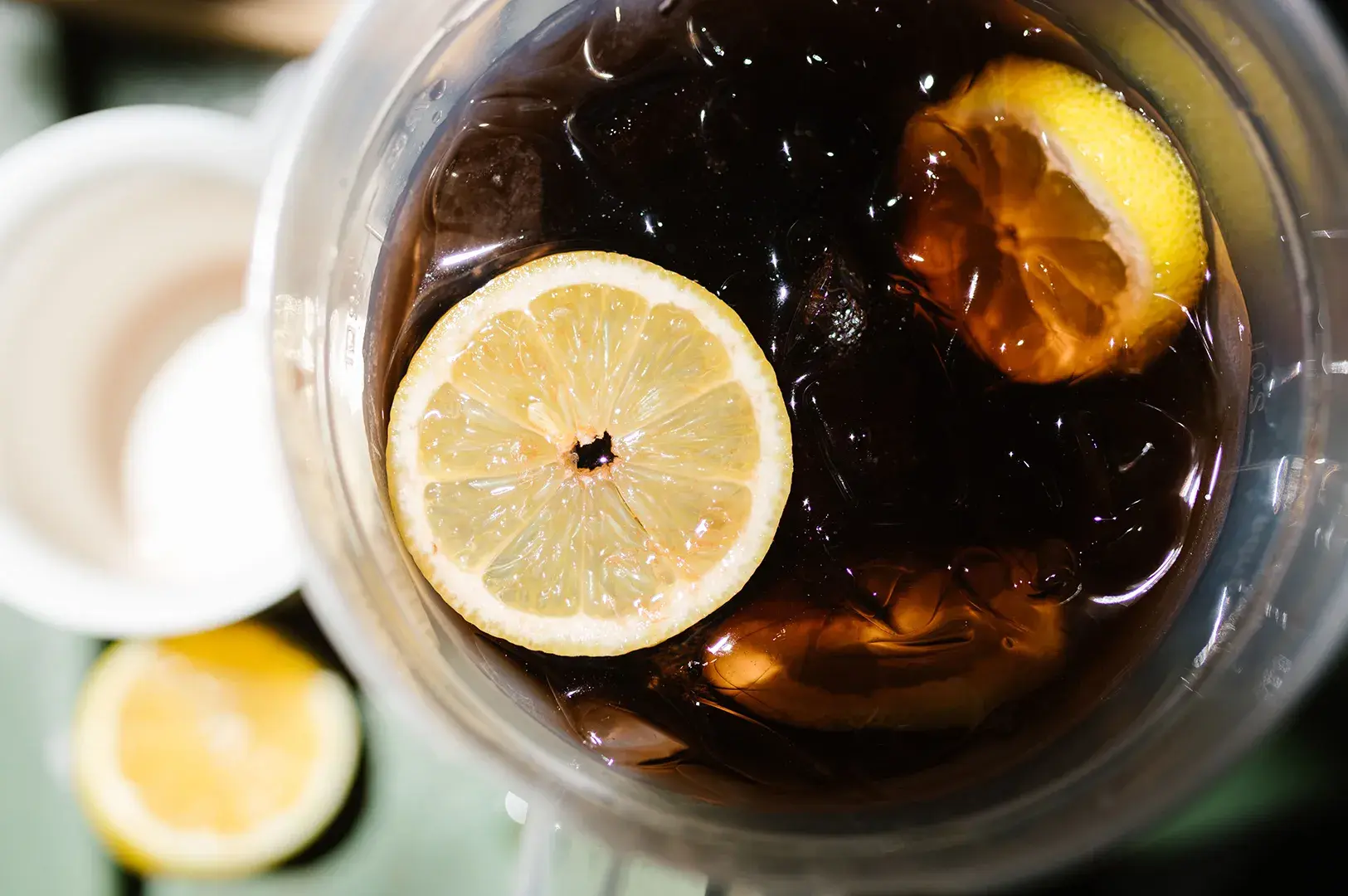
The key ingredient here is caffeine.
Caffeine is a natural stimulant found in coffee, chocolate, energy drinks, soda, and many teas. It's one of the most common food and beverage ingredients in the world.
Once you drink it, caffeine moves from your gut into your bloodstream and then to your liver, where it's broken down into compounds that affect how your organs work. In your brain, that shows up as alertness. In your kidneys, it can show up as increased urine production, contributing to fluid loss.
Here's how it works. A diuretic is anything that causes your body to produce more urine. Caffeine can influence how the kidneys handle sodium and water, partly by blocking adenosine receptors and reducing sodium reabsorption. This can lead to a temporary increase in urine production, although the effect depends on the dose and the individual.
That's where the reputation comes from. More trips to the bathroom can feel like losing fluid. And in a city where we're often already sweating through our shirts, that worry makes sense.
But feeling like something is happening and it meaningfully affecting your fluid balance are two different things.
Different Teas, Different Effects: Regular Tea Versus Herbal Options
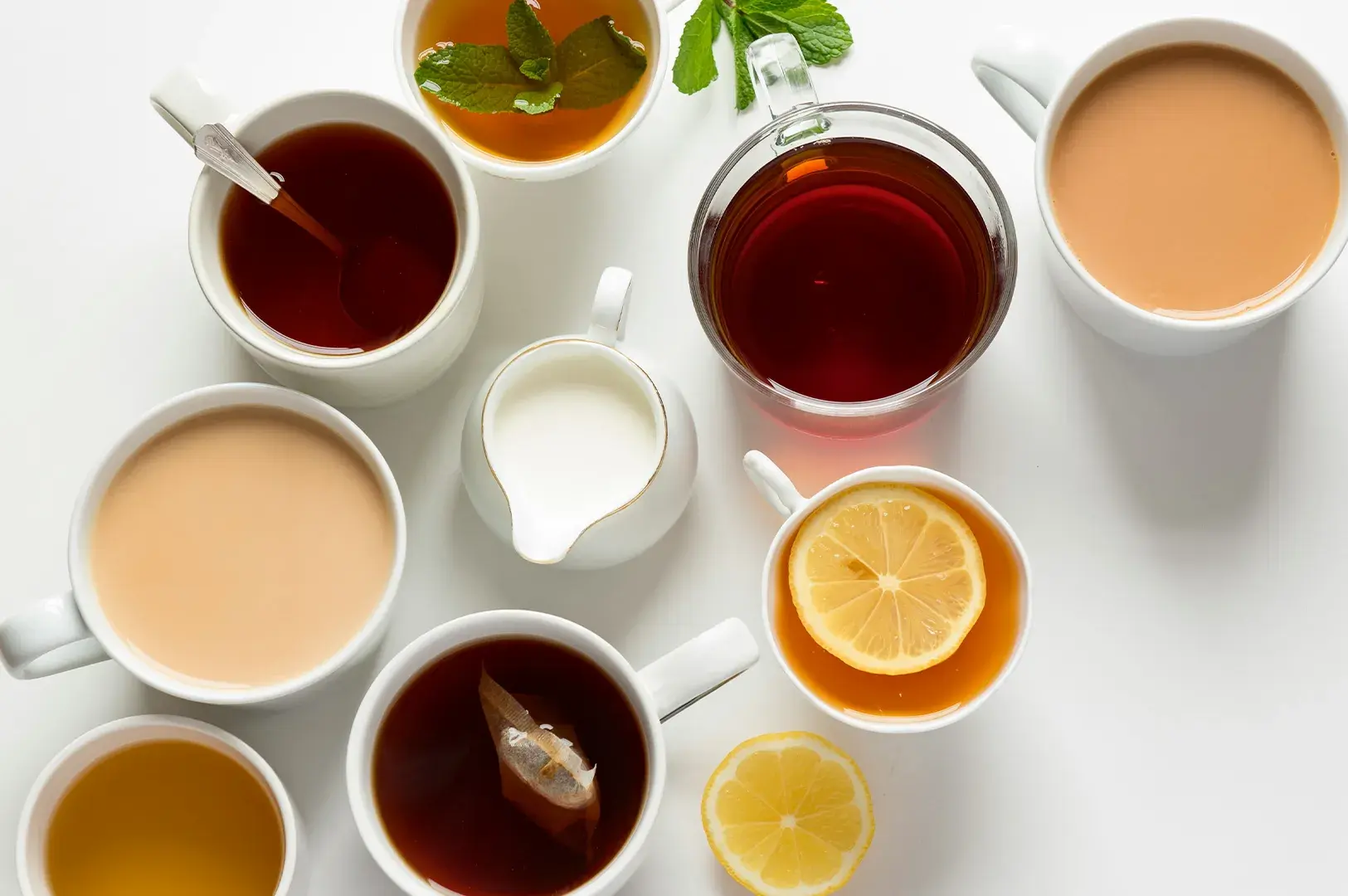
Not every cup carries the same amount of caffeine. This is where it helps to slow down and look at what's actually in your cup.
Black Tea, Green Tea, Oolong Tea, and White Tea
These are the "true" teas. Black tea, green tea, oolong tea, and white tea all come from the leaves of the Camellia sinensis plant, and they all contain caffeine.
Black, green, oolong and white teas all contain caffeine, but the amount that ends up in your cup varies with the leaves and brewing method. A typical cup may contain several dozen milligrams, although stronger preparations can contain considerably more. Tea colour or category alone is not a reliable way to predict caffeine content.
Black tea contains caffeine, but its amount varies by product and brewing method. Research suggests that moderate black tea consumption can provide hydration comparable to water
That said, caffeine content can vary from batch to batch. Some cups can reach as much as 120 mg. Brewing time matters too. The longer your tea steeps, the more caffeine it may contain.
For perspective, a cup of coffee of the same size usually has 102 to 200 mg of caffeine. Many adults who drinks coffee often experience higher caffeine ingestion compared to tea drinkers. An energy drink can have up to 160 mg. So regular tea is generally lighter than many other caffeinated beverages, even if it isn't caffeine free.
Herbal Options and Caffeine-Free Teas
Herbal teas are a different story.
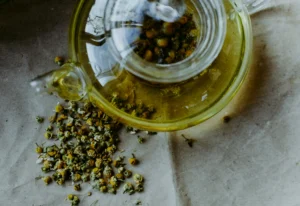
Chamomile, peppermint, rosehip, and similar blends are made from the leaves, stems, flowers, seeds, roots, or fruits of various herbs. Because they don't use Camellia sinensis leaves, they're technically herbal infusions rather than tea.
Most herbal options are generally caffeine free and unlikely to have any dehydrating effect on your body. Rooibos tea, often sold as a naturally caffeine free option, falls into this broader herbal infusion family too.
If you love the ritual of a warm cup in the evening but want to skip caffeine, caffeine free teas like these are an easy, gentle choice.
The Exceptions Worth Knowing
Not every herbal-style drink is caffeine free, though.
Yerba mate, a traditional South American drink, contains about 85 mg of caffeine per cup on average. That's a bit more than a cup of tea, but less than coffee. Infusions made with guayusa, yaupon, guarana, or coffee leaves are also likely to contain caffeine.
So if a blend feels more energizing than you expected, it's worth checking the ingredients.
What About Decaf Tea?
Decaf tea has had most of its caffeine removed, though usually not all of it. For many people, it offers the familiar flavor of black or green tea with far less caffeine. If you're sensitive to caffeine, or simply drinking tea late in the day, decaf tea can be a comfortable middle ground.
How Much Tea Can You Drink? Safe Limits and Hydration Guidance

This is the part I find quietly reassuring.
Higher doses of caffeine can increase urine production, but there is no single threshold at which tea suddenly becomes dehydrating. Research suggests that moderate caffeine consumption usually has only a small effect on fluid balance, particularly among regular caffeine consumers.
Most of us aren't drinking that much in one go.
Researchers have looked at this closely. In one small study, 21 healthy men drank either 4 or 6 cups of black tea, or the same amount of boiled water, over 12 hours. There was no difference in urine production or hydration levels between the two. The researchers concluded that black tea seems to be as hydrating as water when you drink up to 6 cups a day.
Another study followed 50 heavy coffee drinkers who had either 800 ml of coffee or the same amount of water daily for three days. Again, no difference in hydration markers.
A meta-analysis of 16 studies, involving caffeine doses with a median of 300 mg, found an average increase in urine production of approximately 109 ml compared with non-caffeinated conditions. The effect was more noticeable at rest and smaller during exercise.
That's a mild diuretic effect. At typical tea-drinking levels, the fluid consumed generally outweighs the small increase in urine production associated with caffeine.
Interestingly, the effect may be even smaller in men and in people who regularly consume caffeine.
Does Tea Dehydrate or Tea Hydrate? Counting Tea Toward Your Water Intake

Yes. In moderate amounts, tea can count toward your daily fluid intake.
I think this is where the old warning starts to soften. Tea is mostly water, after all. When you drink a reasonable amount, the fluid you take in outweighs the small extra amount your kidneys might release.
So does tea hydrate you? For the average person drinking normal amounts, the answer leans toward yes. Tea can be an interesting alternative to plain water when it comes to reaching your daily fluid needs, especially if you want more flavor without added sugar or the sodium found in soda.
But here's a soft counterpoint. Just because tea counts doesn't mean it has to replace water entirely. Maybe the better way to think about it is variety. Water as the steady base. Tea as a preferred source of hydration benefits, flavor, and a little ritual to the day.
Practical Hydration Guidance for Tea Lovers with Overactive Bladder or Blood Pressure Concerns
None of this needs to feel like a rulebook. Still, a few gentle considerations might help.
Pay attention to how much you drink at once. Drinking less than about 3.5 to 8 cups of tea in one sitting is unlikely to dehydrate you. Spreading your cups across the day is a simple way to stay well within that range.
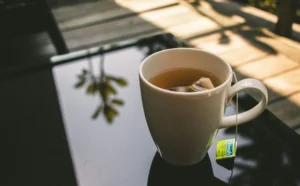
Notice your brewing habits. Longer steeping can mean more caffeine. If you tend to leave your tea bag in for ages, you might be getting a stronger cup than you realize.
Know what's in your blend. Herbal teas are generally caffeine free, but blends with yerba mate, guarana, or similar ingredients aren't. A quick look at the label can save you a restless evening.
Keep drinking water in the picture. Especially on hot days or after exercise, plain water is still a simple, reliable way to support adequate hydration. Tea can sit alongside it. Sparkling water or juice with electrolytes can also be good choices.
Listen to your body. If caffeine makes you feel jittery, affects your blood pressure, or sends you to the bathroom often due to an overactive bladder, switching some cups to decaf tea or caffeine free herbal options might feel better.
Mind added sugar and milk. Some people add sugar or milk to their tea. While these can enhance flavor, be mindful of how much sugar or sodium you consume overall.
FAQ: Common Questions About Tea and Hydration
Is green tea a diuretic?
Green tea contains caffeine, so it can have a mild diuretic effect. In moderate amounts, though, it's unlikely to dehydrate you and can still contribute to your fluid intake.
Is black tea more dehydrating than other teas?
Black and oolong tea tend to contain slightly more caffeine than other true teas. But research suggests black tea is as hydrating as water at up to 6 cups a day.
Do herbal teas count as hydrating?
Most herbal teas, like chamomile and peppermint, are generally caffeine free and considered hydrating. Just watch for blends containing caffeinated ingredients.
How much tea is too much for hydration?
Very high caffeine intakes can increase urine production, but the effect depends on the amount of caffeine rather than a fixed number of tea cups. Moderate tea consumption generally contributes to hydration.
Is coffee more of a diuretic than tea?
Coffee usually contains more caffeine per cup than tea. Even so, studies suggest moderate coffee drinking doesn't affect hydration markers much either.
A Gentler Way to Think About Your Cup
It's funny how a single word like "diuretic" can make us second-guess something so ordinary.
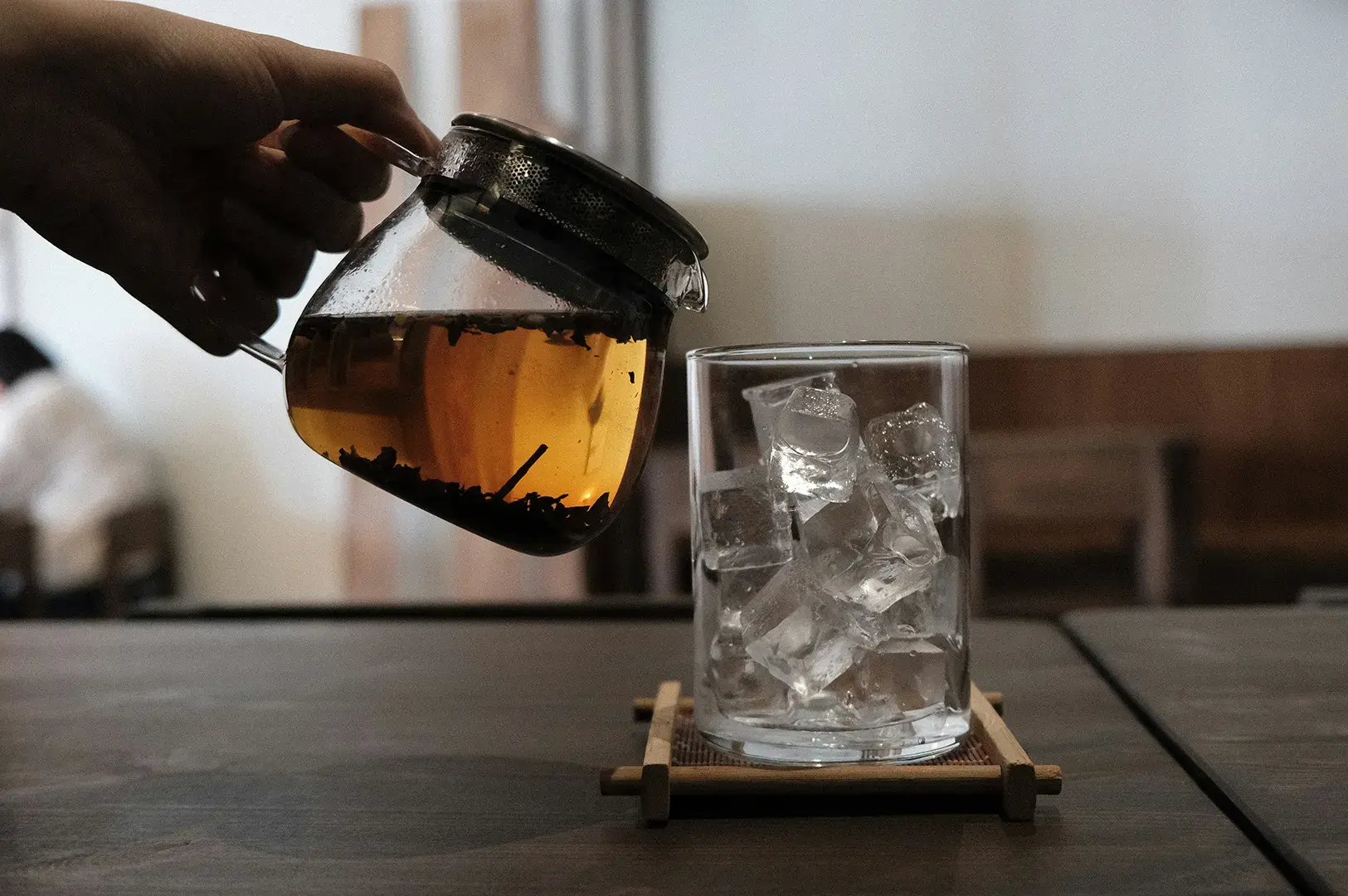
A cup of tea after lunch. A cold glass on a humid afternoon. A warm mug of chamomile before bed.
The science suggests that, for most of us, these moments aren't working against our bodies. Tea has a mild diuretic effect, yes. But in normal amounts, it still hydrates, still counts, still belongs in the day.
Maybe the real question was never is tea a diuretic? Maybe it's how do I want to drink it? With a little attention. With water close by. With enough curiosity to notice what's in the cup.
So pour your next one without the worry. Just notice it a little more.

Brew, Sip, Heal: The Powerful Chamomile Tea Benefits Explained
Singapore is a city that rarely stops moving. Between the hum of the MRT, the endless glow of screens, and the heavy humidity that clings to the air, finding a moment to genuinely wind down can feel like a luxury. For the longest time, my evening routine consisted of scrolling through my phone while finishing…

Why Tea Feels Different at Night
Tea changes after dark. The same leaves, brewed in the same pot, somehow feel quieter in the evening. The aroma lingers longer. The warmth of the cup feels more noticeable in the hands. Even conversation seems to soften slightly around tea at night. Perhaps it is because the world itself becomes quieter. During the day,…

Tea Health Benefits: Best Teas for Relaxation, Focus, and Sleep
Tea is one of the world’s most beloved drinks, enjoyed every day across countless cultures. When we talk about tea health benefits, it’s helpful to know the difference between true tea and herbal infusions. True tea comes from the Camellia sinensis plant, giving us popular varieties like green, black, white, and oolong tea. On the…

The Secret Joy of a Simple Cup of Tea
There’s something so deeply satisfying about a cup of tea-especially when it’s the simplest cup. No complicated brewing methods. No fancy leaves. Just tea, water, and a moment of quiet. I’ve had tea in many places, from grand tea houses to humble kitchen counters. But the most memorable tea moments often happen in the least…
-
A Quiet Tea Café in Somerset: Inside the Experience at Hvala
Amid Singapore’s bustling shopping hubs like Orchard, Club Street, and Tanjong Pagar, finding a peaceful spot to unwind can be a challenge. Hvala, a minimalist tea cafe Singapore locals and visitors adore, offers a serene teahouse experience brimming with natural light and calm vibes. Located on the ground floor of 111 Somerset, this bright, inviting…
-
The Tea We Return To Again and Again
Most tea drinkers have one. A tea they continue returning to, even after trying countless others. It is rarely the rarest tea they own. Often, it is not even the most impressive. It may lack the complexity of aged teas or the elegance of carefully crafted harvests. And yet, somehow, it becomes the tea they…
-
Pek Sin Choon vs Modern Teaware Shops: Two Tea Traditions in Singapore
Walking through Chinatown’s Mosque Street, you encounter two distinct tea traditions that embody Singapore’s rich heritage and evolving culture. Pek Sin Choon, one of the oldest tea merchants in Singapore, stands as a living root of Chinese tea culture, while modern teaware shops offer a fresh perspective on tea appreciation through design and brewing systems….
-
Why I Stopped Saving My “Good Tea” for Special Occasions
For the longest time, I treated my favorite teas like they needed a reason. I would buy something beautiful, maybe a delicate oolong or a tea that smelled faintly floral the moment I opened the tin, then immediately start rationing it in my head. I’ll save this for guests. For weekends. For days that feel…
-
Teapot Set: How It Shapes the Tea Experience
On certain afternoons in Singapore, when rain softens the edges of the day, I find myself lingering before the water reaches its boil. The teapot rests nearby, waiting. There is always a moment like this before tea (quiet, unhurried) when the world seems willing to pause with you. A teapot set belongs to these moments….
-
The Quiet Difference Between Drinking Tea Alone and With Someone
There are days when I reach for tea just to sit with myself for a while. No distractions, no need to fill the silence. Just the slow rhythm of pouring, waiting, sipping. When I’m alone, tea feels almost like a pause button. The kind that lets the day settle a little before continuing. But tea…