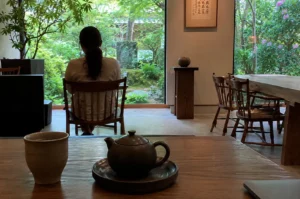
In a city that never truly rests, quiet becomes something you have to choose. You feel it when you’re weaving through Orchard Road in the middle of the day, or squeezing past crowds in the Central Business District at lunch hour. The lights are bright, the notifications keep coming, and even when you sit down, your mind rarely does.
That’s why tea, slow and patient by nature, has found a renewed home in private room Singapore spaces. Not because they’re trendy or exclusive, but because they offer something we quietly crave: a door you can close, a tea lounge that waits for you, and time that finally feels like yours.
Savoring a foie gras terrine alongside your tea adds a gourmet touch, while some venues provide entertainment options like Nintendo Switch consoles to chill and enjoy your time. The team managing these properties ensures each stay is presented with care, reflecting their own interpretation of hospitality inspired by figures like Caroline Astor.
Most private rooms in Singapore are priced reasonably, with bookings available from Monday to Sunday, allowing guests to pay conveniently and enjoy drinks in a peaceful hideout equipped with CCTV for security.
For a deeper dive into the art and tradition behind tea ceremonies, explore this insightful guide from Tea Manor.
Three Private Room Singapore Spaces That Feel Right for Afternoon Tea
Not every private room works well for tea. Some spaces feel too formal, while others still feel busy even behind closed doors. For tea, the atmosphere matters. The room should feel calm enough for conversation to slow down and for the tea itself to become part of the private room experience.
Over time, I have found that a few private room Singapore venues naturally create the kind of environment where tea feels at home, blending the cozy place vibe with the coziest private movie room comforts.
1. Tea Chapter, Chinatown
Location: 9 Neil Road, Singapore 088808
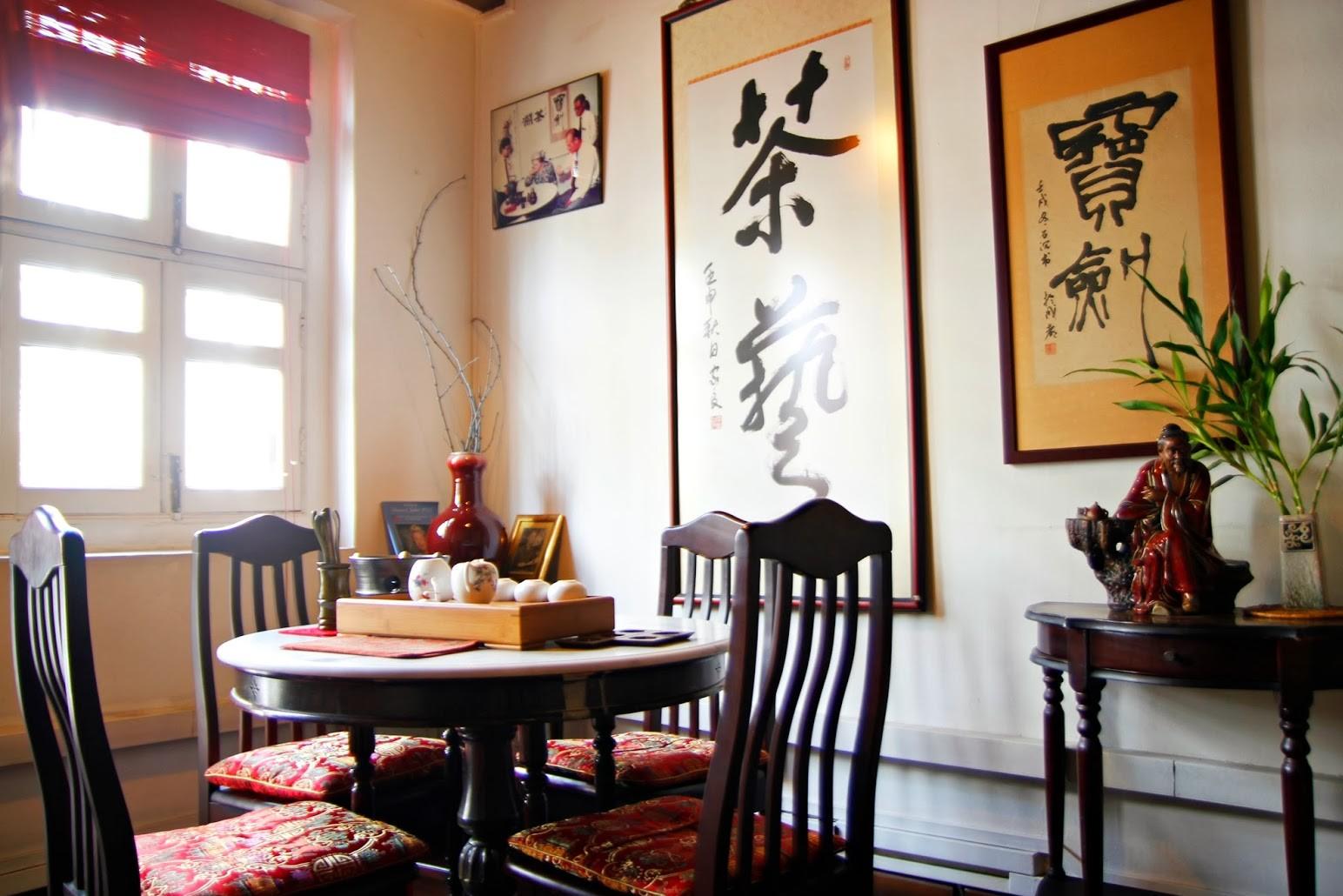
If you’re searching for a spot where tea truly takes center stage, Tea Chapter in Chinatown is one of the rare gems in Singapore that treats tea as a meaningful ritual, not just another item on the menu.
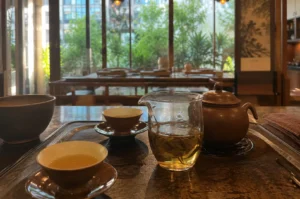
Their private rooms are simple yet inviting, designed in a traditional Chinese style with low tables and warm wooden interiors. The moment you step inside, the bustling energy of Chinatown fades away. Inside, the atmosphere slows down, offering a spacious yet cosy setting, perfect for a small gathering with friends or loved ones who appreciate the afternoon tea ritual.
The staff here are incredibly friendly and add a personal touch by introducing the tea leaves and guiding you through the brewing process. Each infusion reveals subtle differences that make the experience special.
The tea service leans towards a classic afternoon tea setup, featuring bite-sized treats, freshly baked scones, cakes, and even sparkling tea served in delicate glassware. For those who prefer coffee, that’s available too. This private room Singapore venue is truly a cozy place to enjoy your own space with tea, relaxation, and great company.
2. The Tea Room at Glasshouse, City Hall
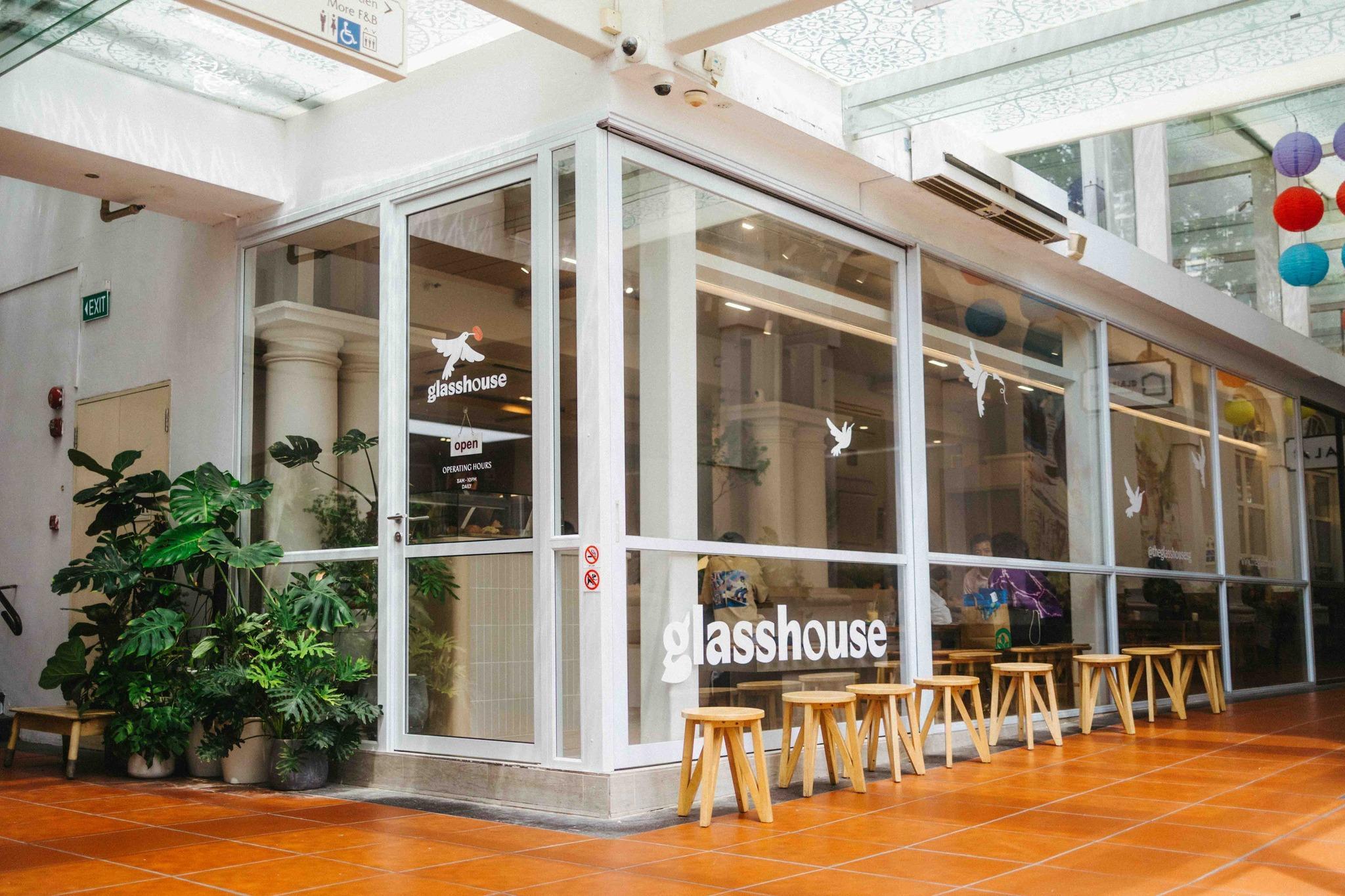
Location: 30 Victoria Street, Glasshouse, Singapore 187996
The Tea Room at Glasshouse offers a different kind of private room Singapore experience. Instead of a traditional tea house atmosphere, the space feels elegant and calm, fully equipped with facilities that make it convenient to spend time relaxing.
The private rooms are comfortable and softly lit, making them ideal for long conversations over tea. During my visit, the room felt warm rather than overly formal, with a lovely scent that smelled fresh and inviting. The tea service leaned toward afternoon tea, with a small patisserie selection of delicate pastries and carefully brewed tea served alongside.
This style of tea experience is similar to what you might find at The St. Regis Singapore, where a live harpist often accompanies afternoon tea sessions.
What stood out to me was how the private space allowed the conversation to unfold naturally. The tea was not rushed. Cups were refilled slowly, and the room felt removed from the busy city outside, a nice place to unwind and enjoy the moment.
3. Yixing Xuan Teahouse, Tanjong Pagar
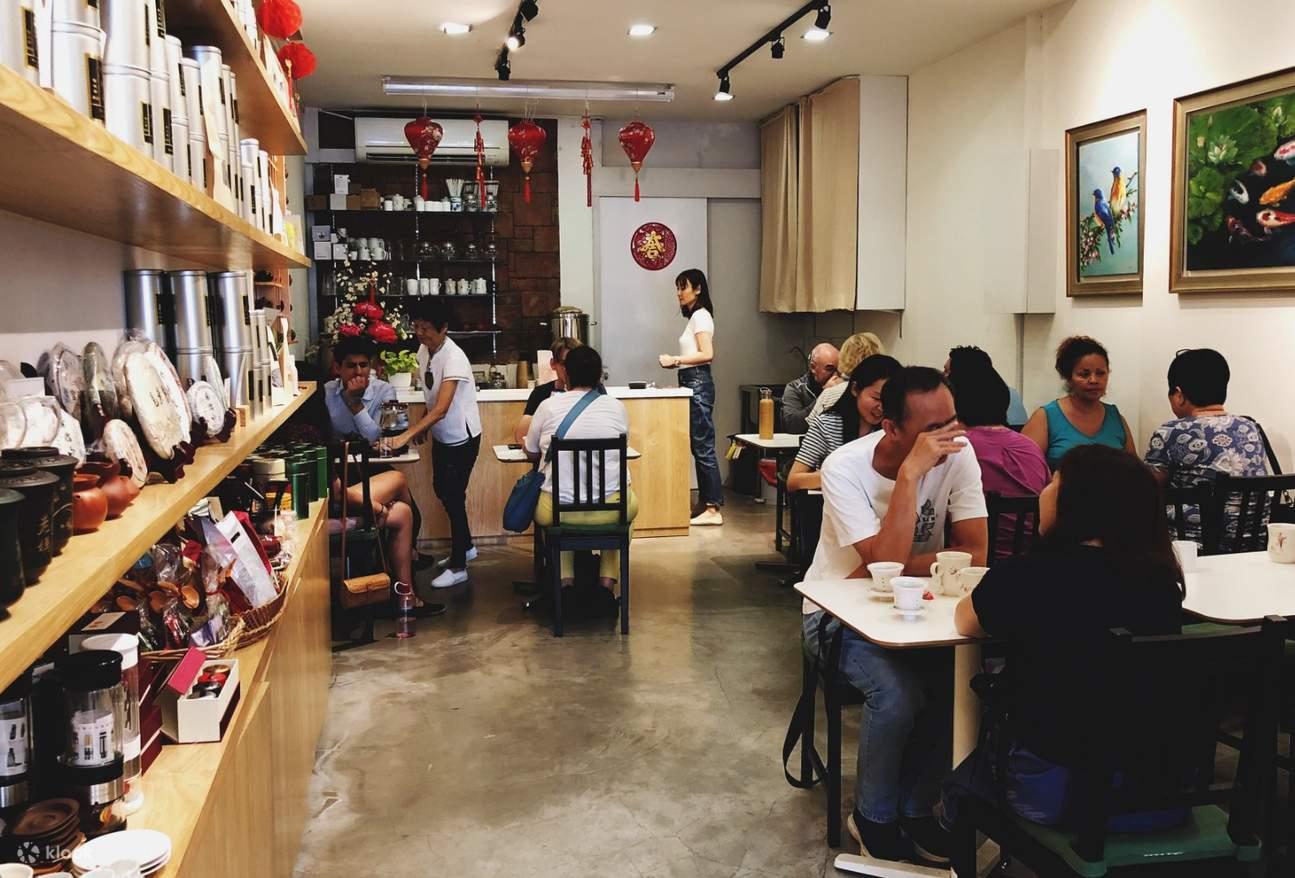
Location: 78 Tanjong Pagar Road, Singapore 088499
For those wanting to dive deeper into the world of tea, Yixing Xuan Teahouse offers one of the most intimate and authentic tea experiences in Singapore.
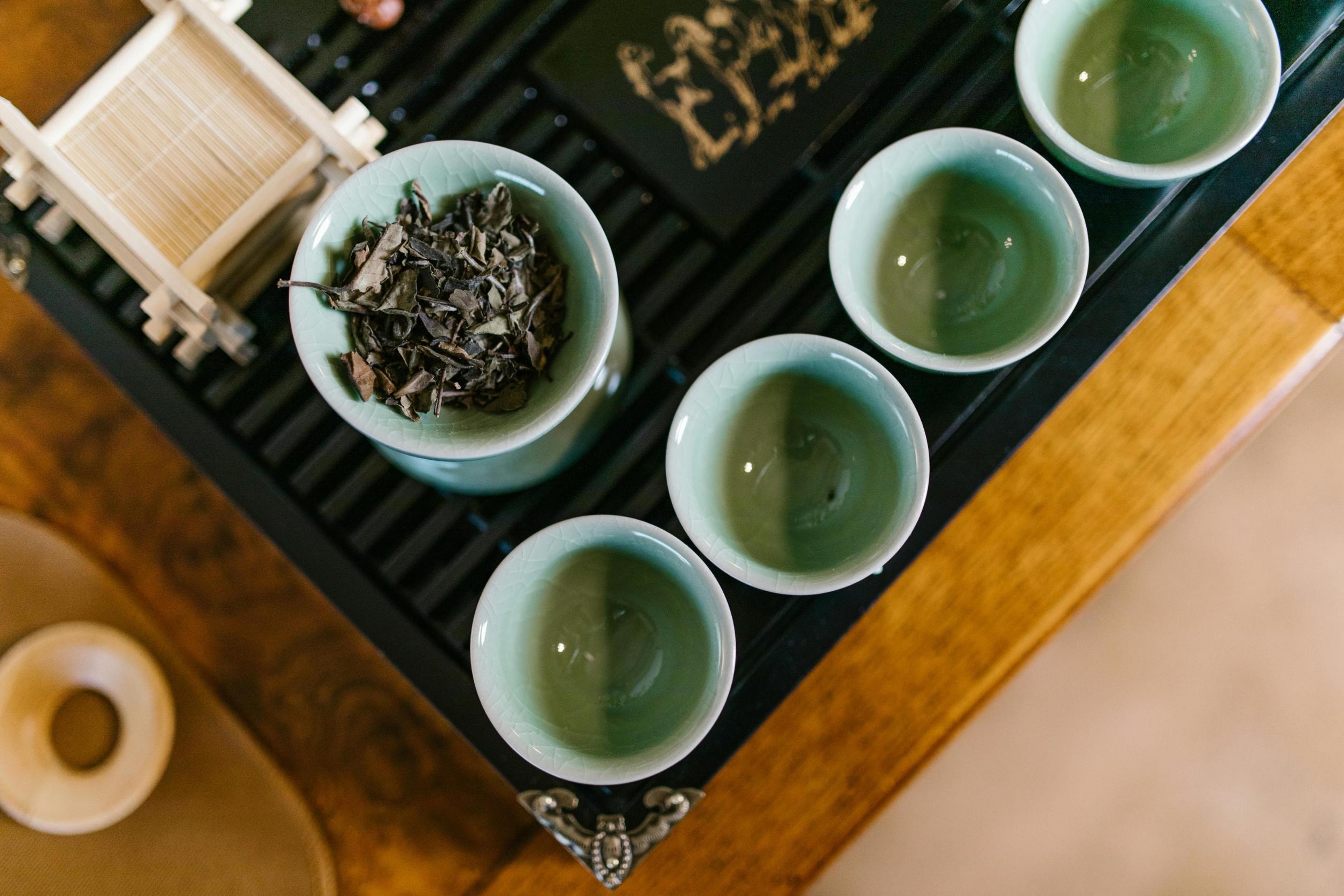
The tea quality here is exceptional. During a recent session, the host carefully prepared multiple infusions of the same tea, and with each round, the flavor evolved beautifully, starting with delicate floral notes and deepening into richer, more complex layers. In a noisy café, these subtle shifts might go unnoticed, but in this private room Singapore setting, they become the highlight of the experience.
Service is warm and attentive without being intrusive. The host guides you through the tasting, sharing insights about the tea’s origin and brewing techniques, which adds a personal touch that makes the moment feel special. You’re encouraged to bring your own snacks or enjoy their curated selection of light bites, which pair wonderfully with the tea’s nuanced flavors.
If you’re looking for a private room Singapore venue that offers a calm, refined atmosphere with top-notch tea quality, attentive service, and memorable moments, Yixing Xuan Teahouse is a cozy place you won’t forget. It’s a perfect spot to slow down, savor every sip, and enjoy tea the way it was meant to be experienced.
4. The Teahouse Studio, Bukit Timah
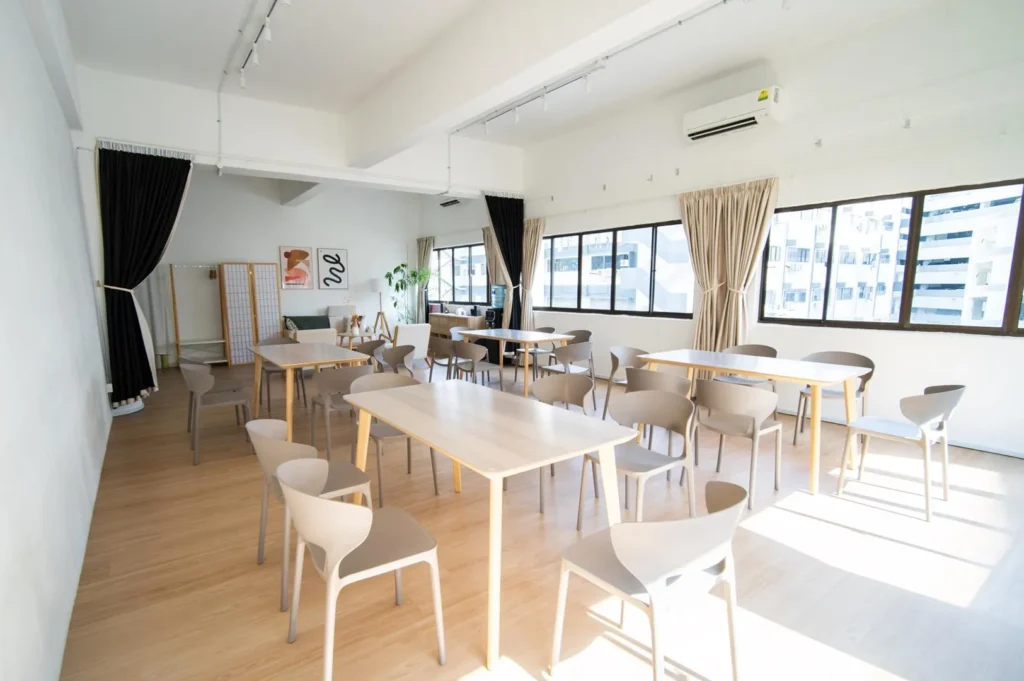
123 Bukit Timah Road, Singapore 589123
Looking for a private room Singapore venue that blends modern simplicity with a tranquil vibe? The Teahouse Studio in Bukit Timah is a cozy place that feels like a breath of fresh air. With large windows that let in natural light and offer views of lush greenery, this space is perfect for anyone wanting to slow down and savor their tea in peace.
The Teahouse Studio offers thoughtfully curated afternoon tea sets featuring delicate pastries like pistachio financier cake and tropical garden tartlet, paired beautifully with cream cheese and fresh fruit accents such as pear and mango pearls. Their tea selection highlights rare blends that complement the serene environment, making it ideal for small groups or intimate gatherings.
What makes this property offering stand out is the balance of elegance and comfort. Whether you’re celebrating a special occasion or just craving a quiet moment away from the city’s buzz, this private room Singapore spot invites you to unwind and enjoy a great time with friends or loved ones.
Bookings are available throughout the week, and the team ensures every detail, from the set-up to the service, reflects a personal touch reminiscent of the hospitality found in regis hotels globally. The Teahouse Studio truly captures the essence of a private room experience where tea and tranquility meet seamlessly.
5. Tea Time in Chinatown, Singapore
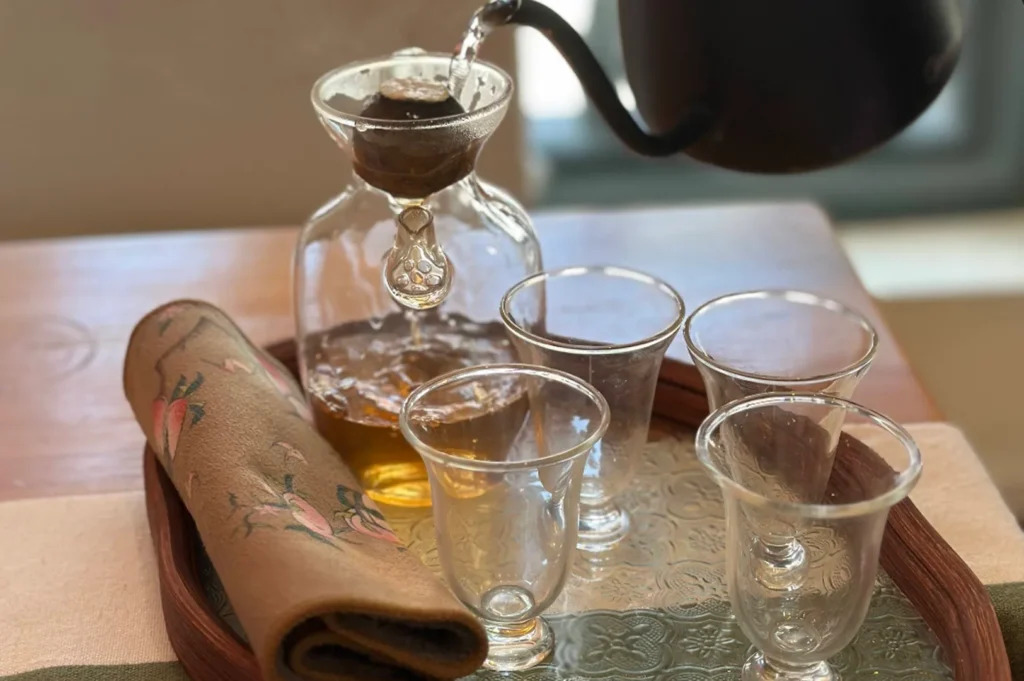
9 Neil Road, Singapore 088808
If you’re looking to experience tea time in Chinatown, Singapore, Tea Timeis a standout choice that embraces tea as a meaningful ritual. This intimate venue offers a private room designed in traditional Chinese style, with warm wooden interiors and low tables that invite you to slow down and savor each sip.
Stepping inside, the busy streets of Chinatown fade away, replaced by a calm, cozy atmosphere perfect for small gatherings or quiet moments alone. The staff provide a personal touch by introducing you to their curated tea leaves and guiding you through the brewing process, enhancing the experience with each infusion.
Their tea time service features classic afternoon tea treats such as freshly baked scones topped with raspberry caviar, delicate pastries, and sparkling tea served in elegant glassware. Coffee options are also available for those who prefer it.
Located conveniently in the heart of Chinatown, this private room offers a serene escape where you can enjoy tea time with friends or loved ones, making it a perfect spot for anyone seeking a peaceful and authentic tea experience in Singapore.
Why It Feels Like a Cozy Place
A cozy place isn’t about size. Some rooms are huge, some are intimate. What matters is how the space makes you feel.
In a private room Singapore tea setting, coziness comes from balance. Plenty of space to breathe. Enough quiet to hear the kettle. Enough warmth to encourage you to stay a little longer.
You sit at the table. Tea is poured. Food may follow, maybe a light course or dinner shared slowly. Time stretches. Your body rests. Your mind follows.
This is the kind of place where you spend time, not just pass through it.
The Cozyplace Difference: Why It Stays With You
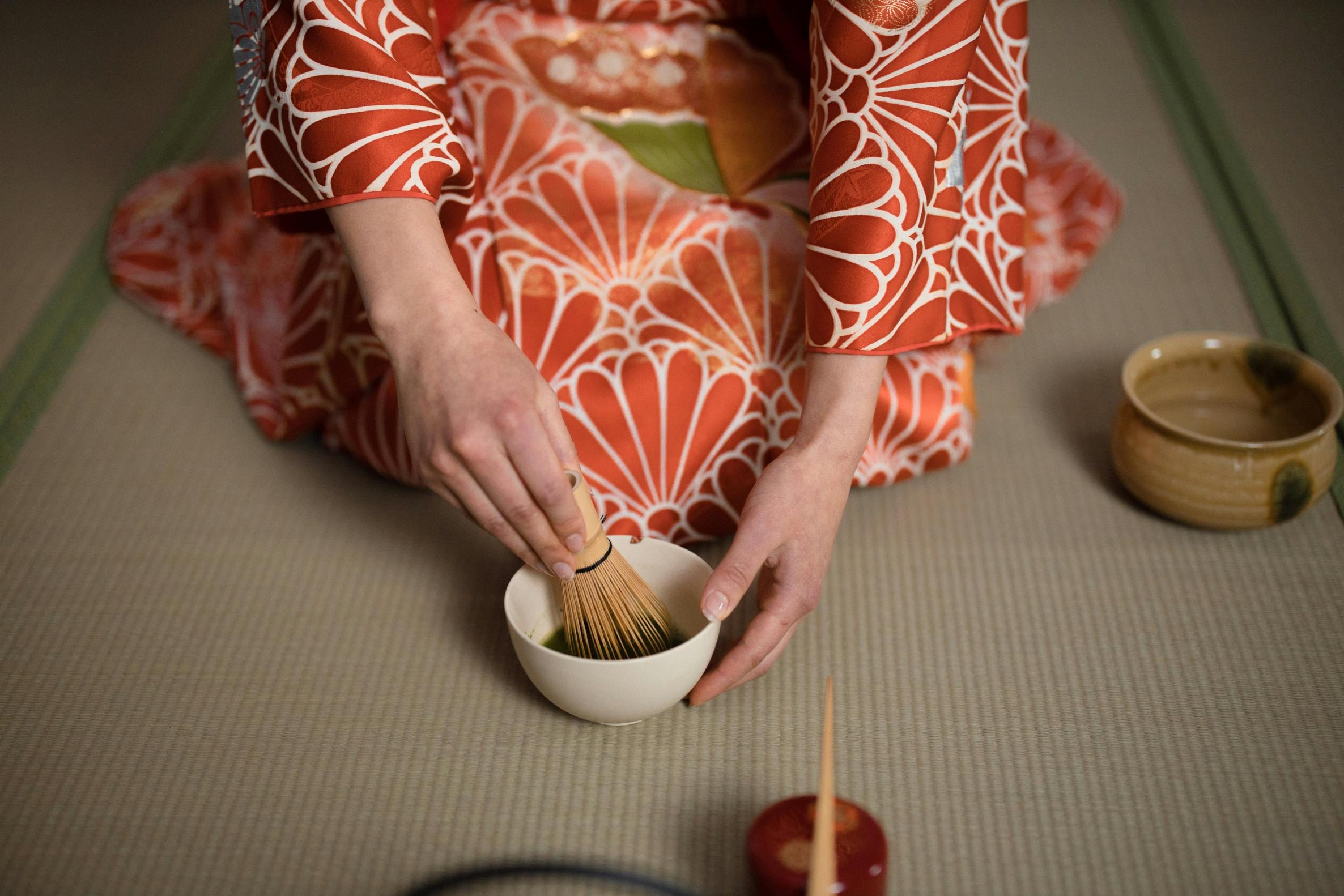
What makes these rooms special isn’t just the decor or location. It’s the feeling that someone thought about you before you arrived.
From Clarke Quay to the Bukit Timah outlet, and even other outlets tucked quietly across the city, each property feels designed for people, not crowds. Access is convenient. Contact is easy. Booking is simple and convenient, and payment options are easy to manage, allowing you to focus on enjoying your time.
The cozyplace difference is subtle. It’s in how the room smells fresh. How the doors close softly. How the table is set just right. How you leave feeling lighter than when you arrived.
Surely, that’s what tea was always meant to do.
Finding Your Quiet Corner in Clarke Quay and Beyond
From Clarke Quay to Orchard and other locations across Singapore, these rooms are becoming small sanctuaries in the middle of the world.
Whether you’re planning a date, a family evening, a gathering with friends, or simply craving rest, a private room offers something rare: a space that waits for you without rushing you.
And when you finally step back outside, tea still warm in your chest, the city feels just a little kinder, making each visit feel complete and worth the time.
To discover more tea rooms and houses that give the best tea in your cup, read our article at Tea Manor Singapore.
Tea is ready when you are.
All you need to do is close the door. 🍵

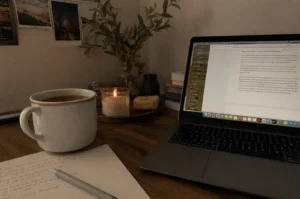
The Tea I Keep Drinking When I Don’t Feel Like Myself
There are days when tea feels unnecessary. Not because I stop liking it, but because I don’t feel like the version of myself who usually drinks it slowly, thoughtfully, and with attention. On those days, I still make tea anyway. Not out of ritual, but out of habit. It is never the elaborate kind of…
-
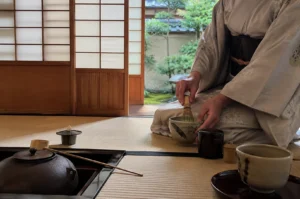
Tea Ceremony Kyoto: A Slow Dance of Bowls and Breath
The room is quiet enough to hear water. Somewhere beyond the paper screens of this traditional tea ceremony venue, a garden drips after morning rain. Inside a tea house on a tatami mat worn soft by years of kneeling, a tea master lifts a bamboo whisk and begins tea making. There is no rush in…
-
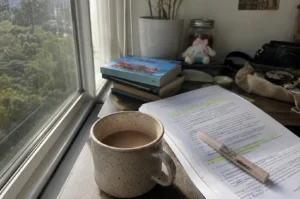
Why We Keep Romanticising Tea Moments That Never Happened
I sometimes wonder if we are drinking tea or remembering something that never really happened. A quiet morning that feels softer in memory than it ever was in real life. A perfect cup by the window that somehow always looks better in hindsight. A tea moment that feels cinematic, even though it probably lasted only…
-
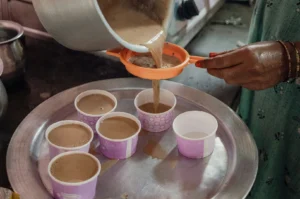
Masala Chai Tea Origins: The Cultural Evolution of India’s Spiced Tea Tradition
There is a sound that belongs to mornings across India: the hiss of milk rising in a battered pot, the clink of a spoon against metal, the low murmur of a tea seller calling out to passing crowds. Before the first sip, there is the scent. Cardamom pods, fresh ginger, and cinnamon stick curling into…
-
We Are Turning Tea Into Something It Was Never Meant to Be
There is something quietly strange happening in tea culture. The more popular the tea becomes, the more it starts to resemble everything it once stood apart from. Speed. Branding. Productivity. Performance. Tea, which once belonged to unhurried moments, is increasingly being asked to do more. To energize. To optimize focus. To replace coffee. To support…
-
Sencha Green Tea vs. Matcha Powder: Understanding the Differences in Japanese Green Tea
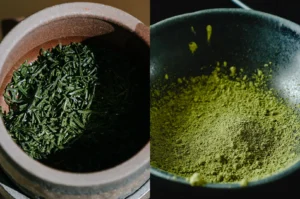
Two tins of tea powder sit side by side on a shelf. Both hold a fine green powder. Both promise the taste of authentic Japanese tea. To the eye, they look almost identical, and that is precisely where the confusion begins. One is matcha powder, often used in matcha lattes and desserts. The other is…
-
Discovering Gryphon Tea Company’s Earl Grey in Singapore
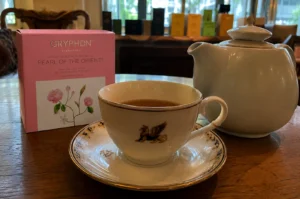
I recently tried the Earl Grey from Gryphon Tea Company Singapore, and I have to admit, it surprised me. Not because it was flawless-it wasn’t, but because it felt like a tea that knew exactly what it wanted to be. The aroma is the first thing that hits you. Bergamot is present but subtle, not…
-
Hojicha: The Roasted Japanese Green Tea With A Mellow Twist
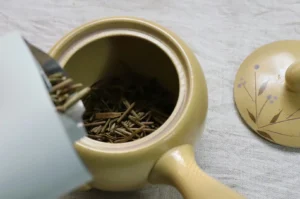
There is a moment, just after the hot water meets the hojicha tea leaves, when the kitchen fills with the aroma of something toasted. Not grassy. Not sharp. Warm, like roasted nuts or the edge of a freshly baked loaf. That moment is where hojicha begins. Hojicha (sometimes spelled houjicha) is a roasted green tea…
-
A Quiet Afternoon at Yixing Xuan Teahouse
I recently spent a quiet afternoon at Yixing Xuan Teahouse, a place that feels like a pause in the city. The moment you step inside, the world seems slower. The air carries the gentle aroma of steeped leaves, and the staff move with quiet precision. I chose an oolong, simple yet familiar. Watching the leaves…
-
The Controversial Smoky Tea That Divides Enthusiasts: Lapsang Souchong Black Tea
There is a tea that empties rooms and fills them in equal measure. Open a box of loose leaf lapsang souchong black tea, and someone nearby will lean in with delight while another quietly steps away. Few teas provoke such immediate, honest reactions. That divide is part of its story. This smoked lapsang souchong smells…