There is a word in tea that carries unusual power.
Rare.
It immediately creates curiosity.
A rare harvest. A rare batch. A rare tree. A tea that may never return.
The suggestion is simple: if something is difficult to obtain, it must be more valuable.
Sometimes, this is true.
Some teas are genuinely limited because of geography, weather, age, or the careful work required to produce them. A particular harvest cannot always be repeated. A certain environment cannot always be recreated.
These limitations are part of what make tea fascinating.
But I sometimes wonder whether we have become too willing to accept rarity as proof of quality.
Because not everything scarce is meaningful.
In modern tea culture, scarcity can also be created.
A limited release.
A numbered collection.
A seasonal announcement.
A carefully worded message suggesting that this opportunity may never come again.
The tea may still be good.
But the feeling of urgency surrounding it can sometimes become more memorable than the tea itself.
I have encountered teas that arrived with impressive stories of exclusivity. The packaging suggested importance. The description created anticipation.
Then came the first sip.
Sometimes, the tea was exceptional.
Other times, it was simply a good tea carrying a very powerful story.
Perhaps this is the challenge of modern tea appreciation.
We do not only taste what is in the cup.
We also taste the expectations surrounding it.
A tea described as rare may feel more special before it is even brewed. We approach it differently. We search for complexity. We look for reasons to confirm the value we were told it had.
But tea does not measure itself by scarcity.
The leaf does not know whether it came from a limited collection or an everyday harvest.
It only reveals what it is.
This does not mean we should ignore the stories behind tea. Those stories matter. Understanding the origin, the farmers, and the process can deepen our appreciation.
But perhaps we should separate rarity from meaning.
A tea can be rare and wonderful.
A tea can be common and wonderful.
The two are not always connected.
Maybe the better question is not, “How difficult is this tea to obtain?”
Maybe it is, “Would I still enjoy this tea if nobody told me it was rare?”
Because in the end, the most valuable teas are not always the ones we struggle to find.
They are the ones we are happy to return to.
With quiet regard,
N. P. Lim

Dong Ding Oolong: The Artisanal Craft Behind Taiwan’s Most Famous Tea
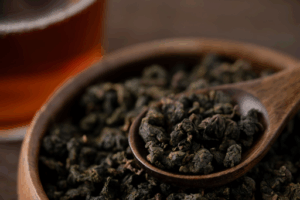
Imagine a warm, inviting aroma that fills the room with essence reminiscent of delicate flowers, toasted nuts, honeycomb, chocolate, and ripe stone fruit. The initial scent from a freshly opened tin of Dong Ding Oolong loose leaf tea can feel almost transportive. Upon brewing, the tea’s infusion shines with a brilliant golden colour, and your…

Yerba Mate Tea: Argentina’s Ancient Energy Brew and Modern Revival
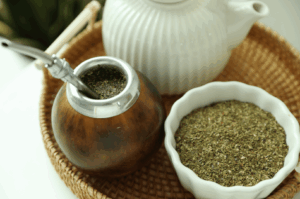
Picture a sun-drenched plaza in Buenos Aires, where the air hums with laughter and the scent of fresh flowers. In the center, friends gather in a close-knit circle, a cherished gourd filled with fragrant yerba mate tea making its way from hand to hand. Each person sips this herbal tea-brewed from green yerba mate leaves-through…

The Complete Guide to Kenyan Tea Industry Transformation in the Great Rift Valley
Imagine standing at the edge of Kenya’s Great Rift Valley, the birthplace of world-renowned Kenya tea. Here, undulating hills blanket the landscape in a lush sea of deep green, where rows of thriving tea bushes stretch across the horizon. This breathtaking region forms the core of the Kenyan tea industry-a powerhouse producing some of the…
-
Ceylon High Grown Tea: The Bright, Crisp Profiles of Nuwara Eliya
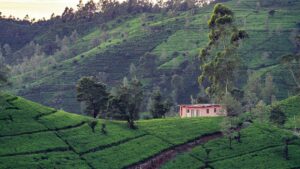
Imagine standing amidst a sea of emerald green on the island of Sri Lanka, where manicured tea bushes climb rolling hills and disappear into a cool, persistent mist. This is the world of Ceylon high grown tea, centred in Nuwara Eliya – a region characterized by bright sunshine in the morning and cool, misty nights….
-
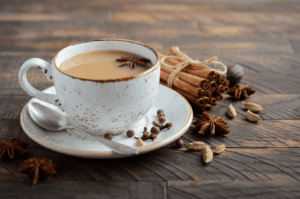
Masala Chai Origins: The Cultural Evolution of India’s Spiced Tea Tradition
The rhythmic clanging of metal kettles echoes through narrow lanes as steam rises from countless chai stalls across India. The intoxicating aroma of cardamom, cinnamon, and fresh ginger mingles with robust black tea, creating an olfactory symphony that has captivated souls for centuries. This is masala chai-not merely a beverage, but a cultural phenomenon that…
-
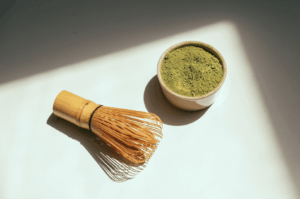
Matcha Tea: The Versatile Japanese Green Tea Powder
The vibrant green powder that transforms simple hot water into liquid jade has captivated tea enthusiasts worldwide. Matcha tea represents more than just a trendy beverage-it’s a bridge connecting ancient Japanese traditions with modern culinary innovation. This unique form of powdered green tea offers endless possibilities, from meditative ceremonial drinking to creative kitchen applications that…
-
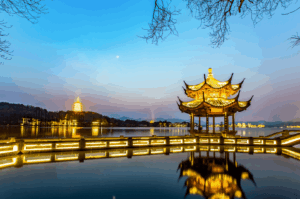
The Dragon Well Legacy: Exploring China’s Legendary Longjing Tea
Among the world’s most revered green teas, few carry the prestige and cultural significance of China’s legendary Dragon Well. This premium tea has captivated tea enthusiasts for centuries, earning its place as an imperial favourite and modern icon alike. From its mystical origins at West Lake to its meticulous processing methods, Longjing represents the pinnacle…