Beyond the celebrated world of Japanese green tea lies a treasure trove of comforting, traditional beverages. Among the most beloved is sobacha (そば茶), a nutty and wholesome roasted buckwheat tea. It’s a staple in Japanese households and restaurants, cherished not just for its delightful flavor but for its deep connection to Japanese culinary culture and wellness philosophy.
While buckwheat-based teas, also known as soba cha in Japan or memil cha in Korea and kuqiao cha in China, are enjoyed across Asia, making memil cha involves roasting Korean buckwheat groats, which imparts a toasty aroma and a slightly earthier flavor compared to Japanese sobacha. This process highlights regional differences, with memil cha often praised for its health benefits and unique taste profile distinct from its Japanese counterpart. The Japanese approach to sobacha has its own distinct character, preparation methods, and cultural nuances. This guide will take you on a journey into the authentic world of Japanese sobacha, exploring its traditions, health benefits, and how to enjoy it. For a broader overview of buckwheat tea as a wellness beverage, you can explore The Complete Guide to Buckwheat Tea: Singapore’s Rising Caffeine-Free Wellness Beverage.
What is Sobacha? The Japanese Tradition of Buckwheat Tea (Soba Cha) with Nutty Flavor
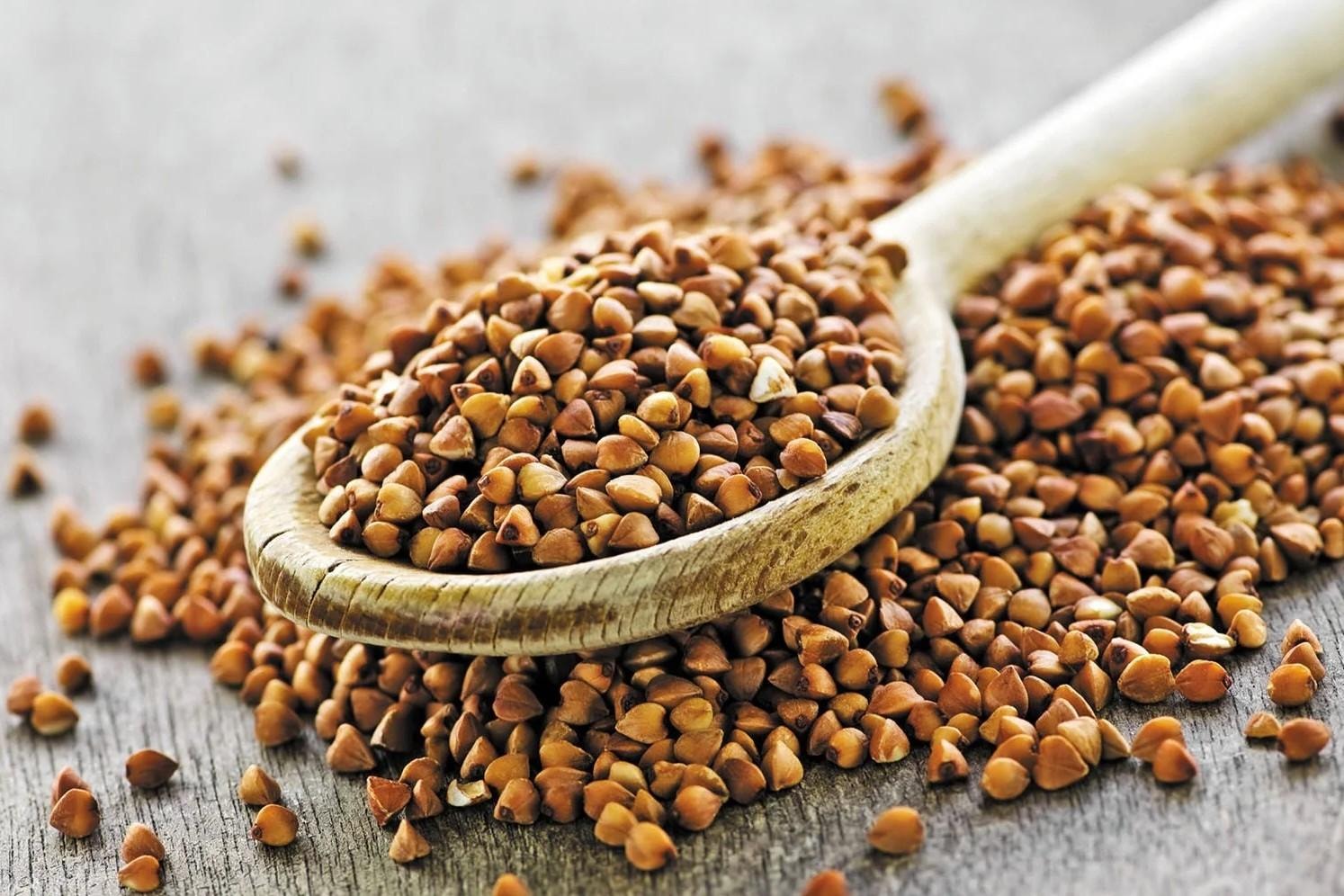
Sobacha (そば茶, pronounced soh-bah-cha) literally translates to “buckwheat tea.” It is a traditional Japanese tisane, or herbal infusion, made from roasted buckwheat groats, known as soba-no-mi (そばの実). As it’s made from roasted buckwheat grains and kernels rather than the Camellia sinensis plant, sobacha is naturally caffeine free, making it a great tea and good alternative for anyone looking to reduce caffeine intake, including pregnant women.
The key to authentic sobacha lies in the Japanese roasting style. The buckwheat kernels are carefully roasted until they achieve a beautiful golden-brown color, releasing a rich toasty aroma and a smooth, nutty flavor. This roasted buckwheat tea offers a toasty flavor profile that is both comforting and refreshing, with a clear, golden-amber hue and a wonderfully smooth mouthfeel. Sobacha tastes pleasantly nutty and aromatic, with a gentle sweetness and a soothing, mellow finish that makes it enjoyable for a wide range of palates.
In Japanese society, sobacha holds a special place. It is most famously served in soba restaurants, offered either alongside or after a meal of soba noodles, as its flavor profile perfectly complements the buckwheat noodles. At home, it’s a favorite tea, enjoyed daily for its delicious taste and health benefits. Sobacha is consumed year-round; served hot during colder months for its warming properties and brewed cold as a refreshing thirst-quencher in the heat of summer.
Sobacha in Japanese Tea Culture: A Caffeine Free Tradition Complementing Green Tea and Barley Tea
While green tea (ryokucha) is the undisputed king of Japanese beverages, sobacha holds an important and complementary role within the broader landscape of Japanese tea culture. Alongside other grain-based teas like barley tea (mugicha), sobacha embodies a core Japanese value: appreciating simple, pure, and natural ingredients.
The Japanese philosophy of “food as medicine” is perfectly reflected in sobacha. It is viewed not just as a drink, but as a wholesome part of a balanced diet that supports heart health and helps regulate blood pressure and blood sugars. Its caffeine-free nature and gentle, nourishing properties make it a staple for daily wellness and a soothing treat to relax with. Sobacha contains no added sugar, emphasizing its pure, natural, and healthy profile for those seeking a clean beverage option.
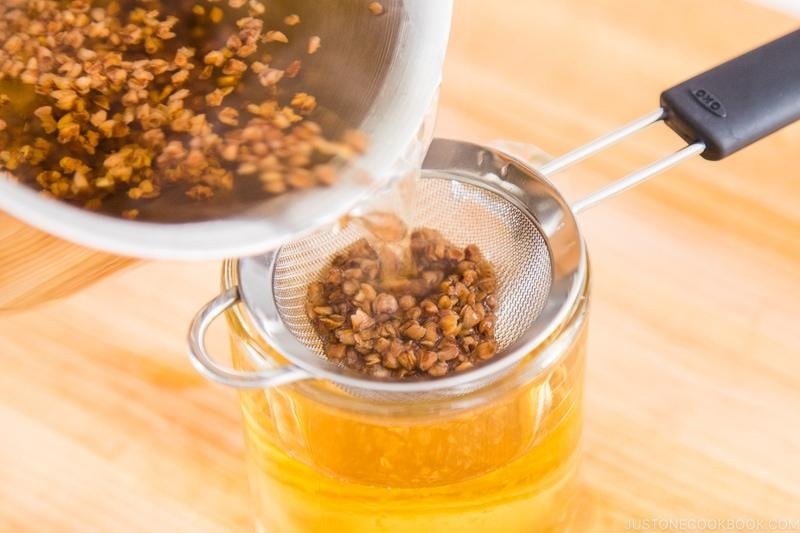
A unique and charming aspect of the sobacha tradition is the practice of eating the softened buckwheat groats after the tea has been brewed. Once steeped, the buckwheat groats become soft and plump, with a pleasant, chewy texture. They can be eaten as is, added to a bowl of rice, or sprinkled over salads and desserts, ensuring that nothing goes to waste and that the full nutritional goodness of the buckwheat is consumed. This practice highlights the Japanese principle of mottainai, or “no waste.”
Traditional Japanese Preparation Methods for Sobacha Aiji: Brewing with Hot Water or Cold for Delicious Results
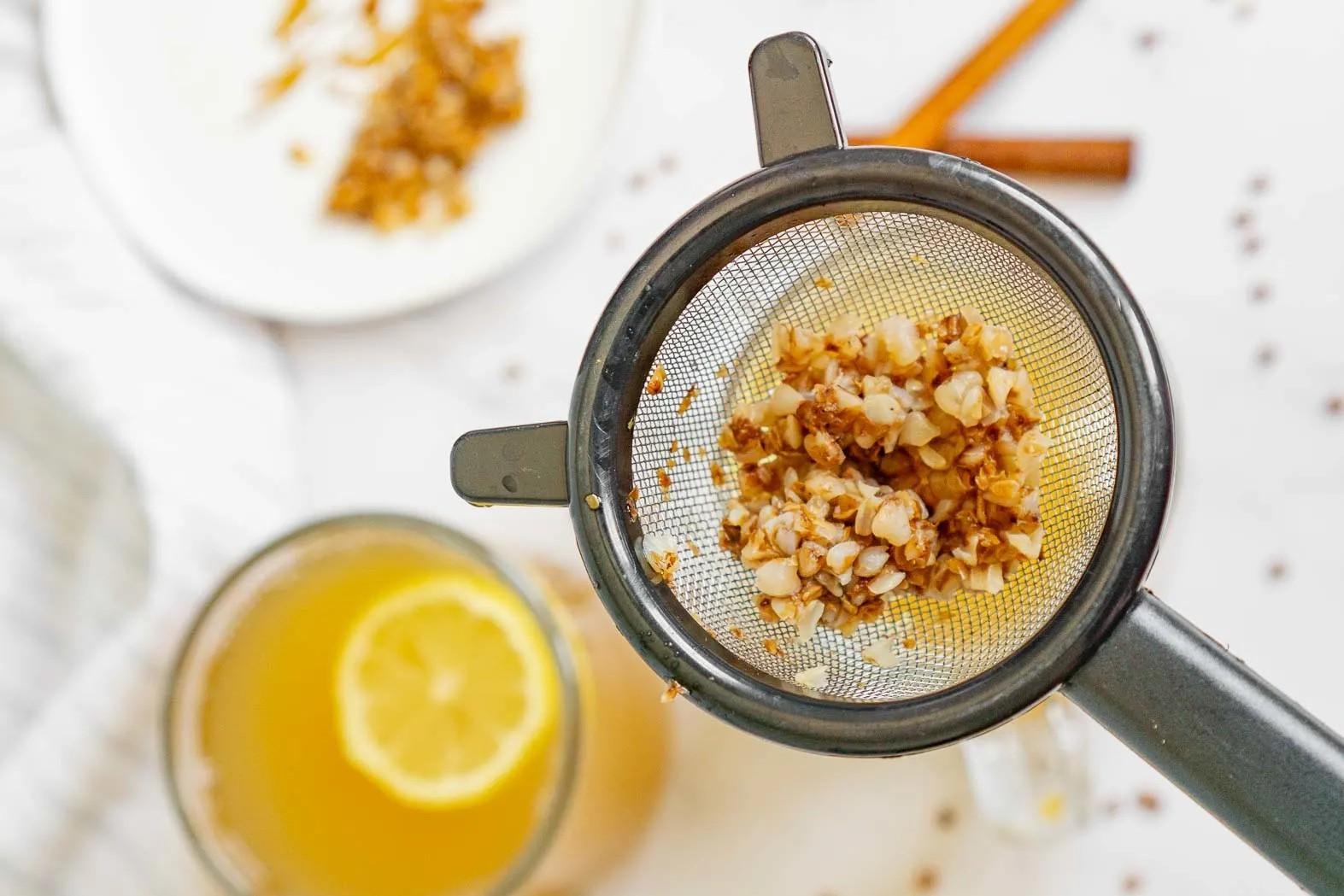
Brewing authentic sobacha aiji is a simple and rewarding ritual. The key is to use quality roasted buckwheat groats and the right water temperature.
Hot Brewing Method
- Use about 1 tablespoon (5–7 grams) of roasted buckwheat groats or kernels per 500 ml of water, or about 1–1.5 teaspoons per cup.
- Bring fresh water to a boil, then let it cool slightly to around 90–95°C.
- Add the buckwheat to your teapot or infuser.
- Pour the hot water over the buckwheat.
- Steep for 3–5 minutes, depending on your preferred strength.
- Strain and serve: Pour the tea into a cup and enjoy a cup of hot sobacha.
Hot Brewing Method with Roasted Buckwheat Grains and Tea Bag Option
This is the most common way to prepare sobacha, creating a warm and aromatic brew with a rich toasty aroma.
- Measure the Sobacha: Use about 1 to 2 tablespoons of roasted buckwheat groats or buckwheat kernels for every 500 ml of hot water. You can also use a tea bag filled with roasted buckwheat grains for convenience.
- Heat the Water: Boil fresh, filtered water, then let it cool slightly to around 95°C (203°F) before pouring. Using boiling water directly can sometimes extract a slight bitterness.
- Steep the Groats or Tea Bag: Place the sobacha groats or tea bag in a teapot. Pour the hot water over them and let steep for 3 to 5 minutes.
- Serve: Pour the tea into cups. The steeped groats can be re-infused 1-2 more times, or you can enjoy eating them after the final infusion.
Cold Brewing Method: A Refreshing Way to Enjoy Sobacha
Perfect for warm climates, cold-brewed sobacha is incredibly smooth and refreshing with a lighter and sweeter toasty flavor.
- Combine and Chill: Place 2 to 3 tablespoons of roasted buckwheat groats into a large pitcher or bottle.
- Add Cold Water: Fill the pitcher with 1 liter of cold, filtered water.
- Infuse: Seal the container and place it in the fridge for at least 4-6 hours, or overnight for a richer flavor.
- Serve: Pour over ice and enjoy. The cold brew retains the antioxidants and vitamins naturally present in the buckwheat.
When selecting sobacha, look for packages that specify the product is from Japan, such as sobacha aiji, which is prized for its pure, high-quality roasted buckwheat grains. Store your sobacha in an airtight container in a cool, dark place to preserve its aromatic goodness and prevent moisture.
Where to Find Authentic Japanese Sobacha and Tea Bags in Singapore
Finding genuine Japanese sobacha in Singapore is quite accessible thanks to the city’s excellent Japanese supermarkets and specialty stores.
- Japanese Supermarkets: This is your best starting point. Stores like Don Don Donki, Meidi-ya, and the supermarket inside Isetan at Scotts Road stock a variety of authentic Japanese sobacha brands and tea bags. Look in the tea or grain aisle.
- Specialty Tea Shops: Some boutique tea shops that carry a range of Japanese teas may also stock sobacha and soba tea varieties.
- Online Retailers: Platforms like Amazon.sg, Shopee, and specialty Japanese grocery websites often carry sobacha that can be delivered to your home.
When shopping, look for packaging with Japanese writing and check the country of origin. Authentic Japanese sobacha will be labeled as そば茶. While other countries produce buckwheat tea such as kuqiao cha in China and memil cha in Korea, the Japanese versions are known for their specific roasting level and flavor profile. Expect to pay between SGD 10 to 20 for a standard bag.
The Sobacha Experience: Delicious Nutty Flavor, Toasty Aroma, and Health Benefits
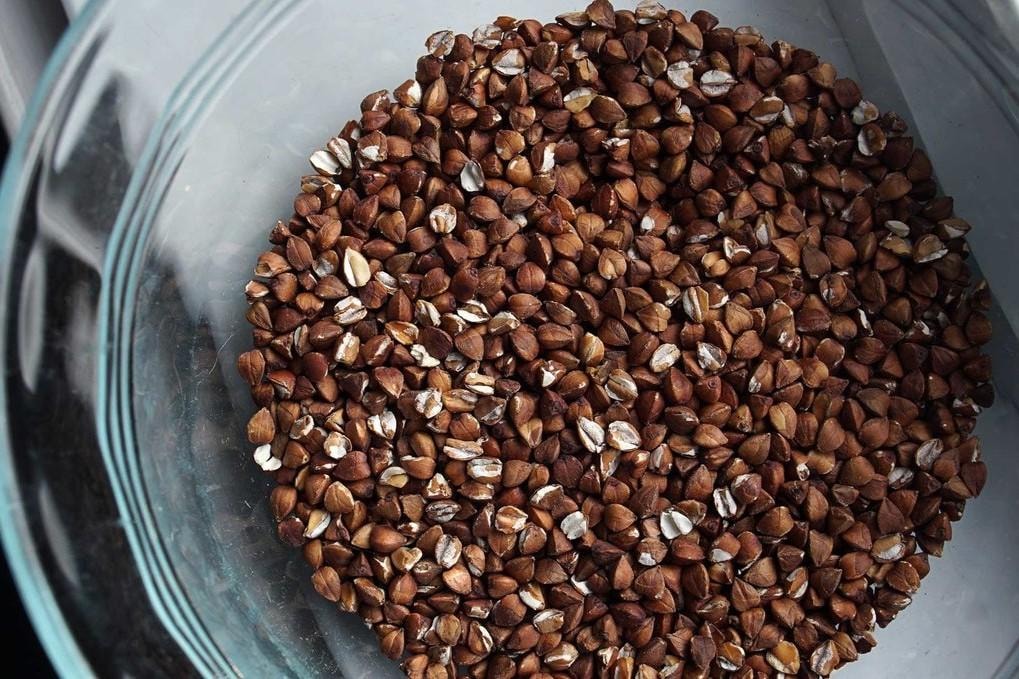
The experience of drinking sobacha is a delight for the senses. It has a distinctive flavor that is often described as nutty, toasty, and reminiscent of popcorn or coffee, with a naturally sweet finish and zero bitterness or astringency, making it incredibly smooth and easy to drink.
In Japanese dining, sobacha is a perfect palate cleanser. Its clean, savory-sweet flavor complements a wide range of Japanese foods, from sushi and tempura to grilled fish. It is especially wonderful when served after a rich or oily meal.
Sobacha is also celebrated for its health benefits. It is rich in antioxidants, vitamins, and nutrients that support heart health, help regulate blood sugars and blood pressure, and contribute to weight loss. Being caffeine free and naturally caffeine free, sobacha is a soothing and healthy alternative to coffee or green tea, suitable for everyone including pregnant women.
Modern twists include serving sobacha as a latte by mixing a strong brew with frothed milk or adding a touch of honey or sweetener for a sweeter treat. The roasted buckwheat kernels left after brewing can be eaten directly as a nutritious snack, or you can eat them as a topping for rice, salads, and desserts.
Conclusion: Sobacha, a Great Tea for Relaxation and Wellness
Sobacha is a wonderful entry point into the quieter, more rustic side of Japanese beverage culture. It offers a unique combination of comforting flavor, cultural richness, and gentle wellness benefits. As a naturally caffeine free and nourishing drink, it’s a perfect addition to any daily routine, whether hot or cold.
To deepen your appreciation for sobacha and other authentic Japanese tea traditions, we invite you to explore the educational resources available at Tea Manor Singapore (tea-manor.com.sg). By learning about the cultural context and preparation methods behind these beverages, you can elevate your tea experience from a simple drink to a moment of mindful connection. We encourage you to seek out a bag of authentic Japanese sobacha and discover the simple, profound pleasure of this traditional brew.

“Detox Tea” Is Mostly Marketing: Here’s What Tea Actually Does
I have always found the phrase “detox tea” a little strange. Not because I dislike tea. Quite the opposite. Tea has been part of my daily life for years. I love the quiet ritual of choosing leaves, waiting for the water, and taking a moment to slow down. But somewhere along the way, tea became…
-
The Tea House That Time Did Not Forget: Tea Chapter Trading Pte Ltd
I almost walked past it. Located at Nine Neil Road, Tea Chapter Trading Pte Ltd sits quietly, a three-storey shophouse just across from Maxwell MRT in Singapore, its restored facade catching afternoon light. Around it, Chinatown moves at its usual pace. Inside, something slower has been happening since October 1989. I stepped in on a…
-
Expensive Tea Doesn’t Guarantee a Better Cup, Here’s Why
There is a belief in tea that we rarely question. If something costs more, it must be better. It is an understandable assumption. A rare tea from a respected region, carefully harvested and beautifully packaged, naturally creates expectations. We associate price with effort, craftsmanship, and quality. And often, that connection is justified. But not always….
-
SUN with MOON Singapore at Wheelock Place: A Unique Tea Dining Cafe Experience on Orchard Road
The lunch crowd had gone. Dinner hadn’t arrived yet. I came in during that strange, in-between hour, a little after three on a weekday, when the escalators at Wheelock Place hum quietly and Orchard Road feels almost gentle. Most people were still at their desks. I wasn’t. I wanted tea, and I wanted to sit…
-
Cold Brew Tea Is Underrated (And Hot Purists Are Missing Out)
I used to think tea had to be hot. There was something about the ritual of it. Boiling water, warming the pot, watching the leaves open. A proper cup of tea seemed to require steam. Then I tried cold brew tea, and I had to admit something slightly uncomfortable. I liked it. More than I…
-
All Things Delicious Review: The Quiet Pleasure of Tea and Cake.
There’s a particular kind of afternoon that asks for tea, and All Things Delicious answers it with a quiet, comforting tea-and-cake experience on Arab Street: handmade sweet treats, warm approachable teas, and a room that makes simple pleasures feel like enough. Not coffee, with its urgency. Tea. The slow kind, poured while the conversation drifts…
-
Wellness Tea Is a Scam, but Tea Can Still Be Good for You
There is a strange contradiction in the way we talk about tea today. For centuries, tea was appreciated for its taste, its rituals, and the moments it created. Today, it is often sold as something else entirely. A solution. A promise. A shortcut. The language surrounding wellness tea has become increasingly familiar. Detox tea. Cleansing…
-
Camellia Tea: A Blossom, A Leaf, A Legacy Rooted in Camellia Sinensis
My grandmother kept her camellia tea in a battered tin that had once held biscuits. She never called it anything fancy. It was just cha, brewed strong in the mornings using fresh tea leaves from the tea plant, poured into small cups that had lost their matching saucers years ago. I didn’t know then that…
-
Why “Caffeine-Free Tea” Marketing Should Be Regulated (Seriously)
Hear me out: we have become far too comfortable with the phrase “caffeine-free tea.” It appears on beautiful packaging, wellness websites, and café menus with the confidence of a health guarantee. The words suggest calm evenings, better sleep, and a gentler relationship with what we drink. But there is a problem. The phrase sounds clearer…
-
The Forgotten Luxury of Sitting Still at Japanese Tea House
You stoop to enter the traditional japanese tea house. That is the first thing the tea house asks of you, before the tea, before the talk, before anything at all. The doorway is low, deliberately so, and even the tall must bow to pass through it. In that small act of folding the body, something…