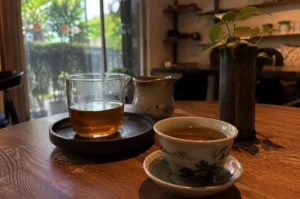
Beyond the celebrated world of Japanese green tea lies a treasure trove of comforting, traditional beverages. Among the most beloved is sobacha (そば茶), a nutty and wholesome roasted buckwheat tea. It’s a staple in Japanese households and restaurants, cherished not just for its delightful flavor but for its deep connection to Japanese culinary culture and wellness philosophy.
While buckwheat-based teas, also known as soba cha in Japan or memil cha in Korea and kuqiao cha in China, are enjoyed across Asia, making memil cha involves roasting Korean buckwheat groats, which imparts a toasty aroma and a slightly earthier flavor compared to Japanese sobacha. This process highlights regional differences, with memil cha often praised for its health benefits and unique taste profile distinct from its Japanese counterpart. The Japanese approach to sobacha has its own distinct character, preparation methods, and cultural nuances. This guide will take you on a journey into the authentic world of Japanese sobacha, exploring its traditions, health benefits, and how to enjoy it. For a broader overview of buckwheat tea as a wellness beverage, you can explore The Complete Guide to Buckwheat Tea: Singapore’s Rising Caffeine-Free Wellness Beverage.
What is Sobacha? The Japanese Tradition of Buckwheat Tea (Soba Cha) with Nutty Flavor
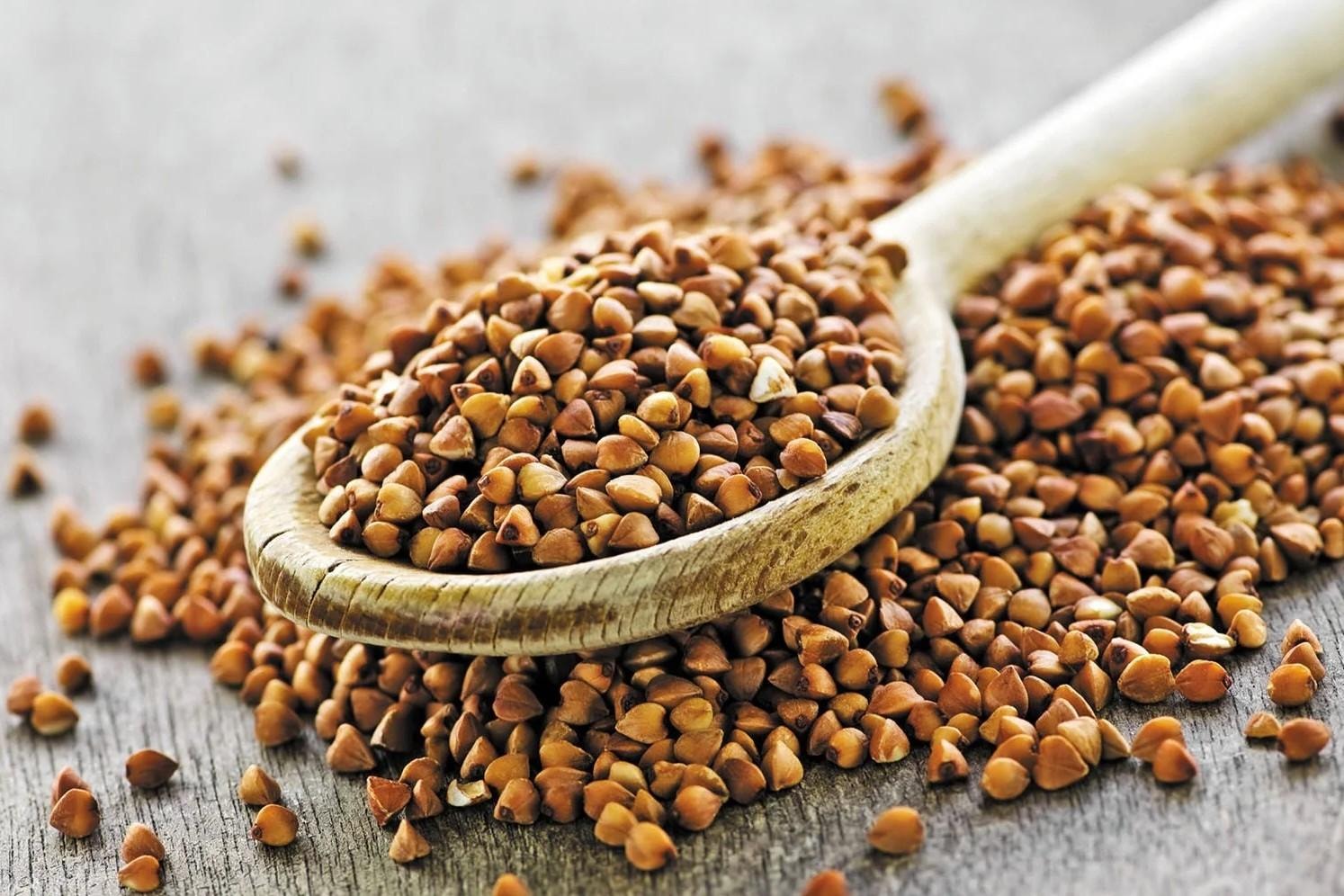
Sobacha (そば茶, pronounced soh-bah-cha) literally translates to “buckwheat tea.” It is a traditional Japanese tisane, or herbal infusion, made from roasted buckwheat groats, known as soba-no-mi (そばの実). As it’s made from roasted buckwheat grains and kernels rather than the Camellia sinensis plant, sobacha is naturally caffeine free, making it a great tea and good alternative for anyone looking to reduce caffeine intake, including pregnant women.
The key to authentic sobacha lies in the Japanese roasting style. The buckwheat kernels are carefully roasted until they achieve a beautiful golden-brown color, releasing a rich toasty aroma and a smooth, nutty flavor. This roasted buckwheat tea offers a toasty flavor profile that is both comforting and refreshing, with a clear, golden-amber hue and a wonderfully smooth mouthfeel. Sobacha tastes pleasantly nutty and aromatic, with a gentle sweetness and a soothing, mellow finish that makes it enjoyable for a wide range of palates.
In Japanese society, sobacha holds a special place. It is most famously served in soba restaurants, offered either alongside or after a meal of soba noodles, as its flavor profile perfectly complements the buckwheat noodles. At home, it’s a favorite tea, enjoyed daily for its delicious taste and health benefits. Sobacha is consumed year-round; served hot during colder months for its warming properties and brewed cold as a refreshing thirst-quencher in the heat of summer.
Sobacha in Japanese Tea Culture: A Caffeine Free Tradition Complementing Green Tea and Barley Tea
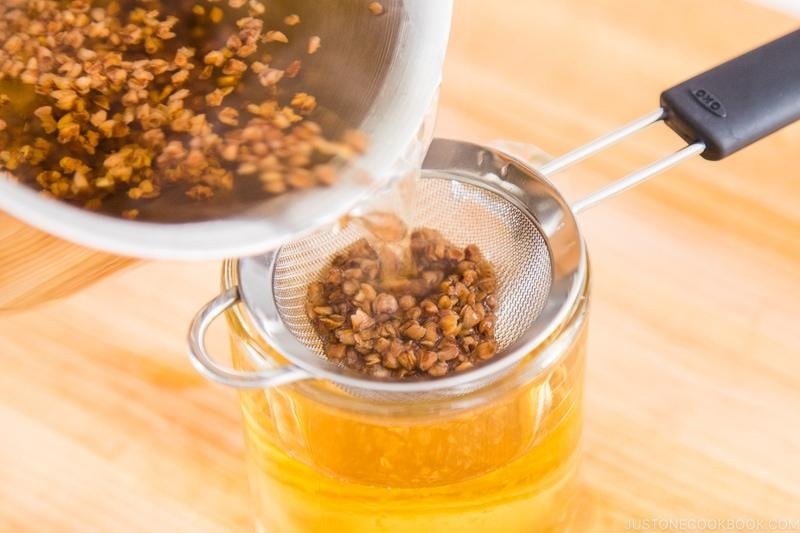
While green tea (ryokucha) is the undisputed king of Japanese beverages, sobacha holds an important and complementary role within the broader landscape of Japanese tea culture. Alongside other grain-based teas like barley tea (mugicha), sobacha embodies a core Japanese value: appreciating simple, pure, and natural ingredients.
The Japanese philosophy of “food as medicine” is perfectly reflected in sobacha. It is viewed not just as a drink, but as a wholesome part of a balanced diet that supports heart health and helps regulate blood pressure and blood sugars. Its caffeine-free nature and gentle, nourishing properties make it a staple for daily wellness and a soothing treat to relax with. Sobacha contains no added sugar, emphasizing its pure, natural, and healthy profile for those seeking a clean beverage option.
A unique and charming aspect of the sobacha tradition is the practice of eating the softened buckwheat groats after the tea has been brewed. Once steeped, the buckwheat groats become soft and plump, with a pleasant, chewy texture. They can be eaten as is, added to a bowl of rice, or sprinkled over salads and desserts, ensuring that nothing goes to waste and that the full nutritional goodness of the buckwheat is consumed. This practice highlights the Japanese principle of mottainai, or “no waste.”
Traditional Japanese Preparation Methods for Sobacha Aiji: Brewing with Hot Water or Cold for Delicious Results
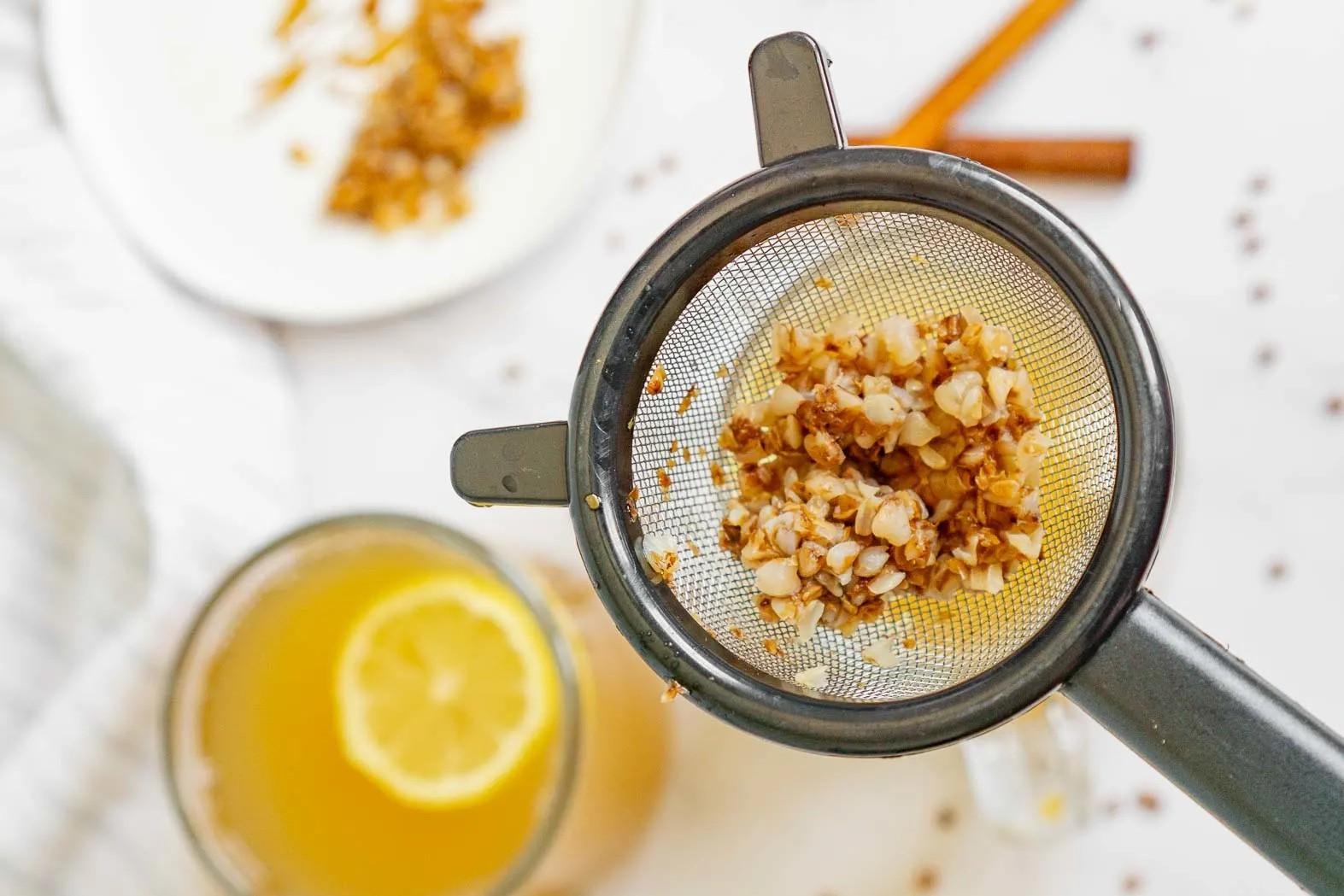
Brewing authentic sobacha aiji is a simple and rewarding ritual. The key is to use quality roasted buckwheat groats and the right water temperature.
Hot Brewing Method
- Use about 1 tablespoon (5–7 grams) of roasted buckwheat groats or kernels per 500 ml of water, or about 1–1.5 teaspoons per cup.
- Bring fresh water to a boil, then let it cool slightly to around 90–95°C.
- Add the buckwheat to your teapot or infuser.
- Pour the hot water over the buckwheat.
- Steep for 3–5 minutes, depending on your preferred strength.
- Strain and serve: Pour the tea into a cup and enjoy a cup of hot sobacha.
Hot Brewing Method with Roasted Buckwheat Grains and Tea Bag Option
This is the most common way to prepare sobacha, creating a warm and aromatic brew with a rich toasty aroma.
- Measure the Sobacha: Use about 1 to 2 tablespoons of roasted buckwheat groats or buckwheat kernels for every 500 ml of hot water. You can also use a tea bag filled with roasted buckwheat grains for convenience.
- Heat the Water: Boil fresh, filtered water, then let it cool slightly to around 95°C (203°F) before pouring. Using boiling water directly can sometimes extract a slight bitterness.
- Steep the Groats or Tea Bag: Place the sobacha groats or tea bag in a teapot. Pour the hot water over them and let steep for 3 to 5 minutes.
- Serve: Pour the tea into cups. The steeped groats can be re-infused 1-2 more times, or you can enjoy eating them after the final infusion.
Cold Brewing Method: A Refreshing Way to Enjoy Sobacha
Perfect for warm climates, cold-brewed sobacha is incredibly smooth and refreshing with a lighter and sweeter toasty flavor.
- Combine and Chill: Place 2 to 3 tablespoons of roasted buckwheat groats into a large pitcher or bottle.
- Add Cold Water: Fill the pitcher with 1 liter of cold, filtered water.
- Infuse: Seal the container and place it in the fridge for at least 4-6 hours, or overnight for a richer flavor.
- Serve: Pour over ice and enjoy. The cold brew retains the antioxidants and vitamins naturally present in the buckwheat.
When selecting sobacha, look for packages that specify the product is from Japan, such as sobacha aiji, which is prized for its pure, high-quality roasted buckwheat grains. Store your sobacha in an airtight container in a cool, dark place to preserve its aromatic goodness and prevent moisture.
Where to Find Authentic Japanese Sobacha and Tea Bags in Singapore
Finding genuine Japanese sobacha in Singapore is quite accessible thanks to the city’s excellent Japanese supermarkets and specialty stores.
- Japanese Supermarkets: This is your best starting point. Stores like Don Don Donki, Meidi-ya, and the supermarket inside Isetan at Scotts Road stock a variety of authentic Japanese sobacha brands and tea bags. Look in the tea or grain aisle.
- Specialty Tea Shops: Some boutique tea shops that carry a range of Japanese teas may also stock sobacha and soba tea varieties.
- Online Retailers: Platforms like Amazon.sg, Shopee, and specialty Japanese grocery websites often carry sobacha that can be delivered to your home.
When shopping, look for packaging with Japanese writing and check the country of origin. Authentic Japanese sobacha will be labeled as そば茶. While other countries produce buckwheat tea such as kuqiao cha in China and memil cha in Korea, the Japanese versions are known for their specific roasting level and flavor profile. Expect to pay between SGD 10 to 20 for a standard bag.
The Sobacha Experience: Delicious Nutty Flavor, Toasty Aroma, and Health Benefits
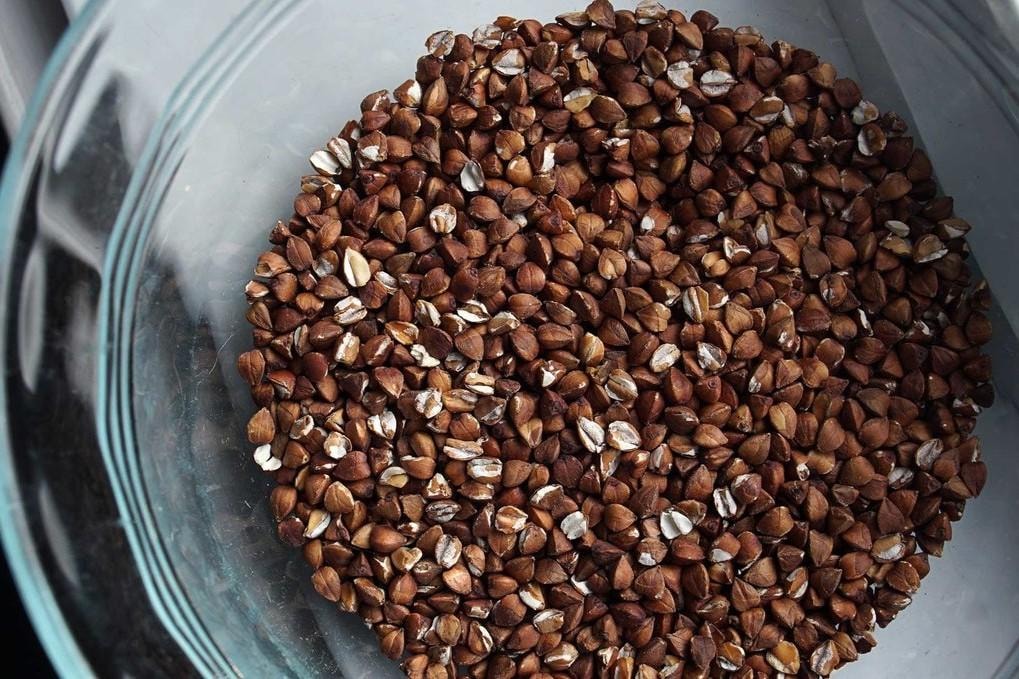
The experience of drinking sobacha is a delight for the senses. It has a distinctive flavor that is often described as nutty, toasty, and reminiscent of popcorn or coffee, with a naturally sweet finish and zero bitterness or astringency, making it incredibly smooth and easy to drink.
In Japanese dining, sobacha is a perfect palate cleanser. Its clean, savory-sweet flavor complements a wide range of Japanese foods, from sushi and tempura to grilled fish. It is especially wonderful when served after a rich or oily meal.
Sobacha is also celebrated for its health benefits. It is rich in antioxidants, vitamins, and nutrients that support heart health, help regulate blood sugars and blood pressure, and contribute to weight loss. Being caffeine free and naturally caffeine free, sobacha is a soothing and healthy alternative to coffee or green tea, suitable for everyone including pregnant women.
Modern twists include serving sobacha as a latte by mixing a strong brew with frothed milk or adding a touch of honey or sweetener for a sweeter treat. The roasted buckwheat kernels left after brewing can be eaten directly as a nutritious snack, or you can eat them as a topping for rice, salads, and desserts.
Conclusion: Sobacha, a Great Tea for Relaxation and Wellness
Sobacha is a wonderful entry point into the quieter, more rustic side of Japanese beverage culture. It offers a unique combination of comforting flavor, cultural richness, and gentle wellness benefits. As a naturally caffeine free and nourishing drink, it’s a perfect addition to any daily routine, whether hot or cold.
To deepen your appreciation for sobacha and other authentic Japanese tea traditions, we invite you to explore the educational resources available at Tea Manor Singapore (tea-manor.com.sg). By learning about the cultural context and preparation methods behind these beverages, you can elevate your tea experience from a simple drink to a moment of mindful connection. We encourage you to seek out a bag of authentic Japanese sobacha and discover the simple, profound pleasure of this traditional brew.

Stop Calling It “Premium”: Why Most Luxury Tea Branding Is Empty
There is a word I have become increasingly cautious of in the tea world. Premium. It appears everywhere. Premium leaves. Premium harvests. Premium collections. Premium experiences. The word sounds reassuring. It suggests care, quality, and something worth paying attention to. But after seeing it attached to almost everything, I sometimes wonder whether it has started…
-
Pryce Tea: A Modern Pour with Old Tea-Room Ambitions
I visited on a weekday afternoon, around three, when the city had quieted into that particular lull between lunch and the evening rush. I’d been curious about Pryce Tea for a while, mostly because the brand keeps surfacing among people who talk about teas the way some people talk about wine. With a reputation built…
-
The Seasons in a Tin: How Weather Shapes What I Reach For
I have a small habit that I never really noticed until recently. The weather changes, and somehow, so does the tea I want. On a hot afternoon, I find myself reaching for something light and floral. When rain settles over the windows, I want something darker, warmer, perhaps a little more comforting. On those rare…
-
Ginger Lily Afternoon Tea on Orchard Road: A Floral Chapter in Singapore’s Culinary Story
I noticed the ginger lily flowers before I noticed anything else. Not real ones, exactly. A wall of them, suspended in resin, catching the light as I stepped off the lift on Level 5 at Hilton Singapore Orchard, home to Ginger Lily, a floral-themed afternoon tea lounge on Orchard Road. I stood there a second…
-
Minimalism, But Make It Warm: A Simpler Way to Drink Better Tea
There is a certain irony about tea. The more we learn about it, the easier it becomes to complicate it. A simple cup of leaves and water slowly becomes surrounded by equipment, measurements, techniques, and expectations. We begin collecting teapots, comparing brewing methods, and searching for the perfect setup. None of these things are wrong….
-
A Humble Cup in an Age of Overdesigned Drinks: iTea Review
The bubble tea I queued for last month came with a caramelized brûlée top I had to crack with the back of my spoon. It was fine. Pretty, even. But somewhere between the torched sugar and the cheese foam and the third topping I didn’t ask for, I lost the drink itself. So I went…
-
Matcha Hype Has Gone Too Far (But I Still Drink It)
I have a confession. I am slightly tired of seeing matcha everywhere. Not because I dislike matcha. In fact, I drink it quite often. But there is something amusing about watching a humble tea become the centre of every café menu, wellness conversation, and social media trend. Matcha has gone from a traditional Japanese tea…
-
Hortus Afternoon Tea Review: When the Garden Becomes the Occasion in the Flower Dome
I forgot, for a moment, that I was indoors at Hortus, the Mediterranean restaurant nestled within the Flower Dome at Gardens by the Bay. There were trees above me, real ones, and the air held that cool, green stillness you usually find early in the morning somewhere far from the city. A leaf drifted down…
-
The Real Reason Your Tea at Cafés Tastes Flat
There is a particular disappointment that comes with ordering tea at a café. You see the menu. You notice the carefully written descriptions. Perhaps there is a mention of fragrant jasmine, roasted oolong, or a carefully selected blend. The presentation arrives beautifully arranged, and for a moment, there is anticipation. Then you take the first…
-
Herbal Tea in Chinese: A Cup Shaped by Heat, Balance, and Belief
The first sip was bitter. I was maybe seven, and my grandmother had pressed a small ceramic cup into my hands, dark liquid inside, steam curling up between us. She didn’t explain. She just said, “Drink. You’ve been too heaty.“ I made a face. She didn’t smile. She just waited until I finished. Years later,…