Introduction
A good tea shop Singapore offers is not simply a place to buy tea. It is a place where flavour, craft, and tradition meet. In a city known for speed and convenience, a proper tea house offers something different. It invites people to slow down, pay attention, and actually taste what is in their cup.
Over the past decade, the landscape of tea shops in Singapore has grown in interesting ways. Traditional merchants continue to sell tea leaves that reflect generations of knowledge, while newer brands experiment with blends, modern packaging, and creative tea drinks. Together they create a tea scene that feels both rooted and evolving.
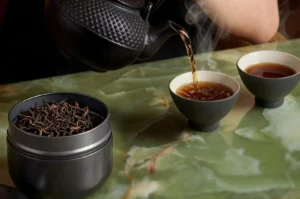
For many tea lovers, stepping into a thoughtful tea shop can feel like entering another rhythm. The aroma of tea leaves, the quiet sound of water filling teapots, and the calm atmosphere remind visitors that tea is not meant to be rushed. It is meant to be experienced.
Tea Shop Singapore and the Culture of Tea
The story of the tea shop Singapore landscape is closely tied to the city’s cultural history. Tea has long been a part of daily life here, influenced by Chinese traditions and the broader tea cultures of Asia.
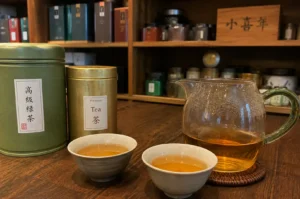
Walk through certain neighbourhoods and you will still find classic tea houses that have served generations of customers. These spaces often feel timeless. Wooden shelves hold tins of tea leaves, traditional teapots sit neatly arranged, and the air carries subtle hints of roasted or floral teas.
Many tea merchants here still focus on sourcing high quality tea from established growing regions. Some teas are sourced directly from farms in China, while others come from Taiwan, where taiwanese tea has developed a strong reputation for complexity and balance.
The result is a tea culture that values authenticity. Tea is not treated as a trend. It is treated as a craft.
Tea Shops That Preserve Tradition
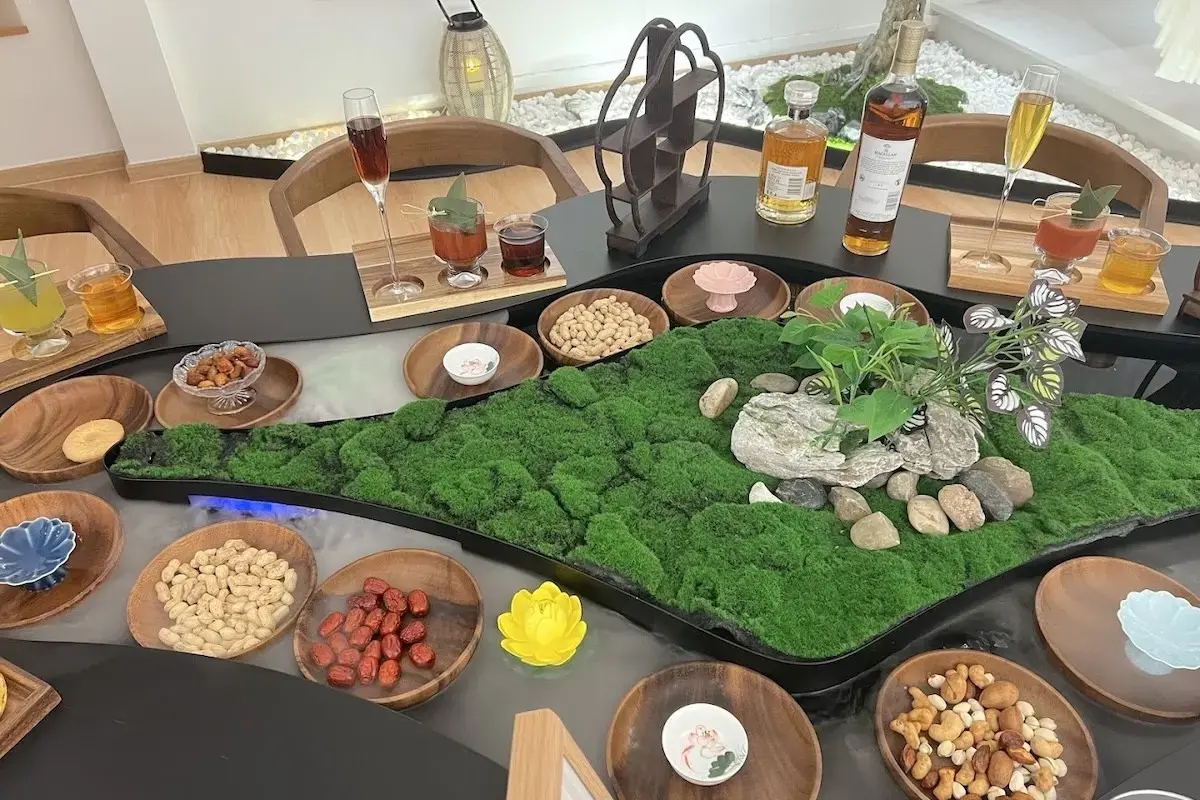
Among the tea houses in Singapore, a few names stand out for their dedication to heritage and tea knowledge.
Tea Chapter is one of the most well known examples. More than just a shop, it operates as a traditional tea house where visitors can experience tea the way it was meant to be enjoyed. Guests are invited to sit down, learn about tea preparation, and discover how different teas unfold over multiple infusions.
Inside Tea Chapter, the atmosphere feels deliberately calm. Shelves display teapots and carefully stored tea leaves, while staff guide visitors through different teas ranging from delicate green tea to deeper oolong and pu’er.
Visiting Pek Sin Choon feels less like shopping and more like stepping into a workshop where tea making continues as a living craft.
Modern Tea Makers Bringing New Inspiration
While heritage tea houses remain important, Singapore has also seen a wave of modern tea makers exploring exciting new directions.
Matcha has become a popular part of this contemporary tea culture. Many tea shops now serve matcha-based drinks, including creamy matcha lattes that blend the earthy richness of matcha with smooth textures. For those seeking a gentle caffeine boost, matcha provides a wonderful alternative to coffee, all while preserving the calming qualities traditionally associated with tea.
Tily Tea: A Modern Herbal Approach
What I love about Tily Tea is their dedication to creating blends that truly match different moods and daily rituals. Take their “Morning Shine” blend, for example—it gives you a gentle caffeine boost with warming ginseng and ginger to kickstart your day. Then there’s “Evening Calm,” a soothing mix of lavender, chamomile, and longan that helps you unwind and relax as night falls.
Tily Tea makes picking the perfect herbal match fun and personal with their interactive quiz, so you can find just the right blend for your taste and needs. Whether you want a calming cup to slow down or a refreshing tonic to lift your spirits, Tily Tea offers thoughtful, natural options that feel like a little gift to your soul.
You can easily browse their products online, and with convenient delivery right to your doorstep, enjoying these carefully crafted blends has never been simpler. For me and many tea lovers in Singapore, Tily Tea remains the best bet when it comes to savouring herbal teas made from quality, natural ingredients.
A Personal Directory: Three More Tea Shops to Explore in Singapore
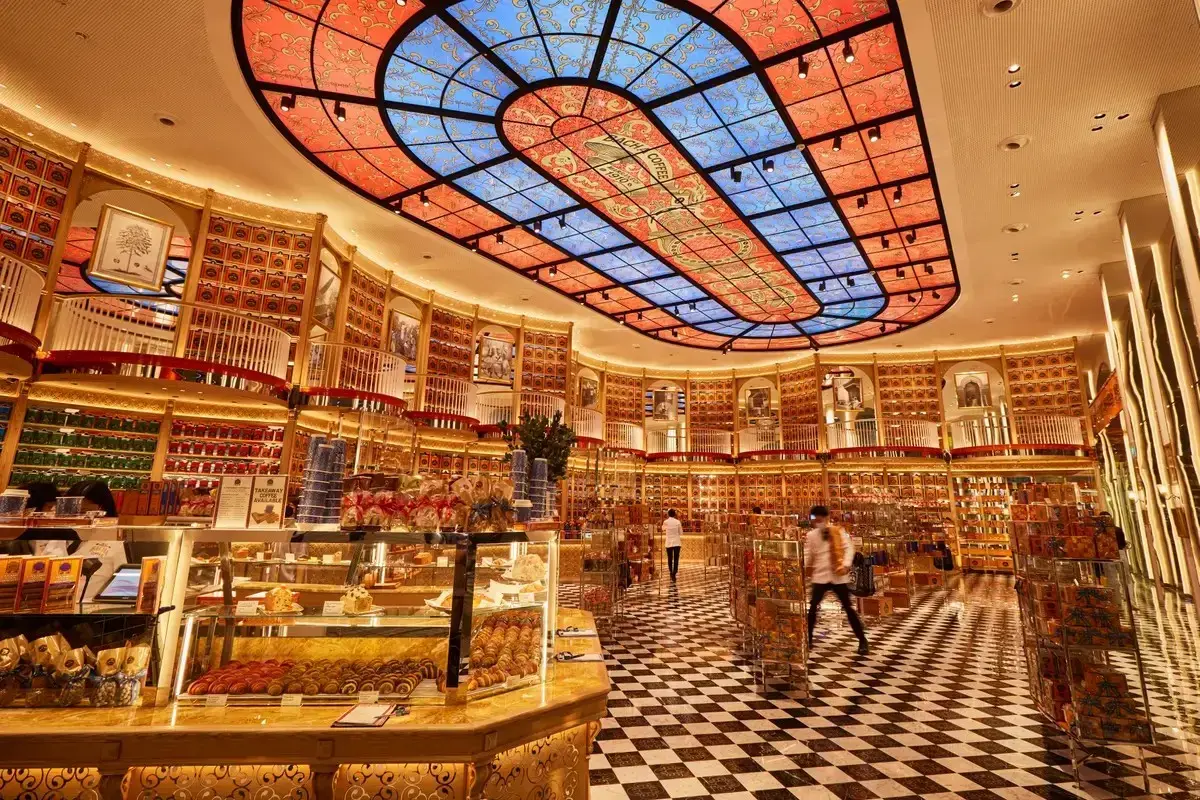
If you’re ready to take your tea journey further, here are three more tea shops in Singapore that I personally recommend visiting. Each offers a unique experience and a chance to discover new flavours and stories behind the leaves.
1. King of Tea Enterprise
Hidden on the second floor of an unassuming HDB building on Banda Street, King of Tea Enterprise is a must-visit for pu’er lovers. The owner’s traditional tea ritual offers an intimate, authentic experience that connects you to the rich heritage of tea. With hundreds of pu’er varieties to savour, this tea house is a true gem for tea lovers seeking depth and earthiness in their cup.
2. Silk Tea Bar
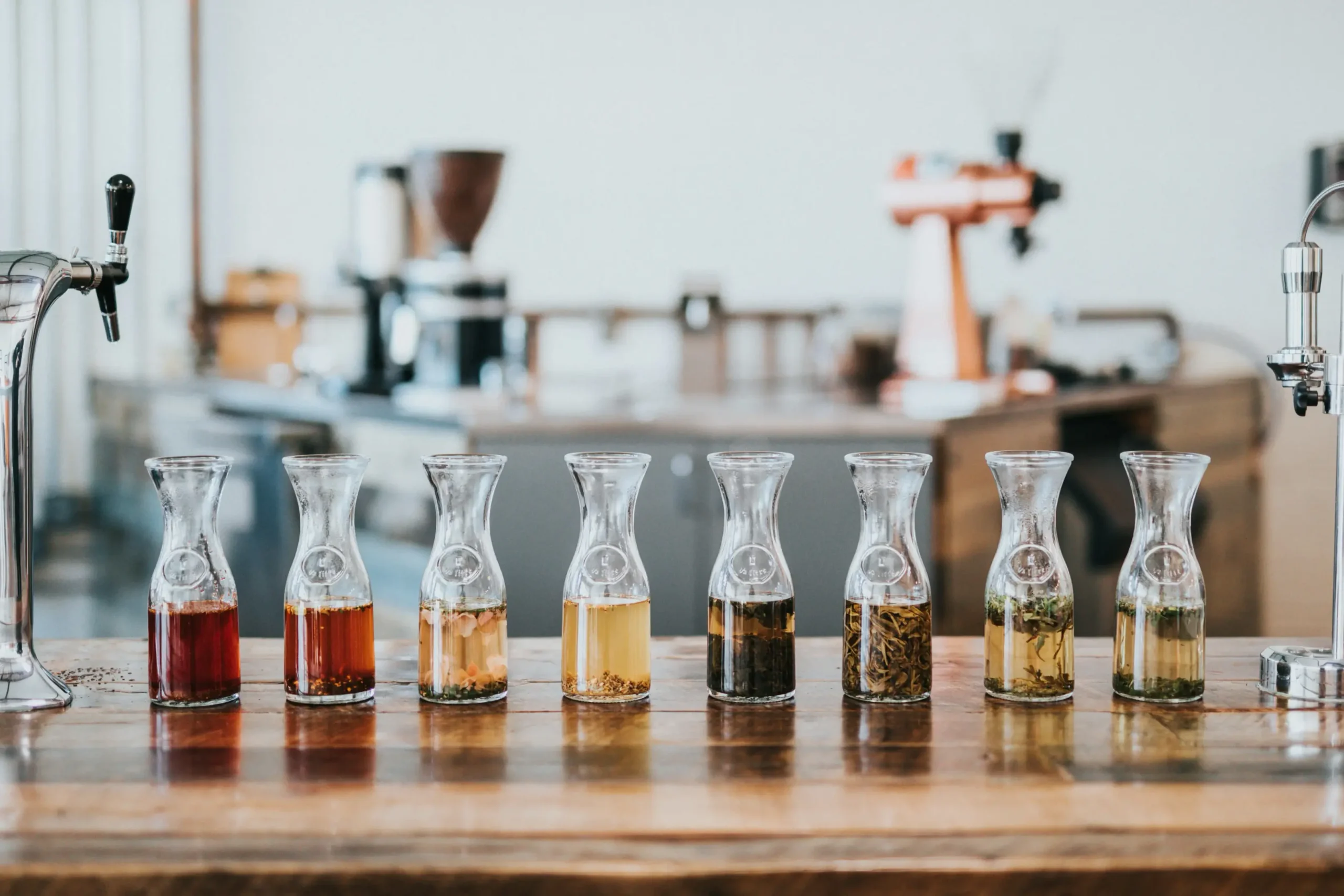
For a modern yet calming experience, Silk Tea Bar provides expertly guided tea flights featuring single-origin teas. This tea shop Singapore visitors love invites you to slow down, catch the subtle nuances of each brew, and deepen your appreciation for tea. The knowledgeable staff and serene space make it perfect for those wanting to learn and enjoy tea in a zen atmosphere.
3. Antea Social
Located in the charming Farrer Park area, Antea Social sources teas directly from tea makers, emphasizing quality and storytelling. Their focus on oolong blends with unique flavours invites you to savour every sip in a minimalistic, welcoming space. This tea house offers a present moment of calm and connection for anyone passionate about tea’s craft and culture.
Together, these tea shops enrich Singapore’s tea scene, offering a blend of tradition, education, and direct connection with tea makers. Whether you seek a deep, earthy cup or a fresh, floral taste, these spots are the best bet to explore and enjoy tea in Singapore.
The Role of Tea Leaves in Crafting the Best Tea
At the centre of every great cup of tea are the tea leaves themselves.
Quality tea begins with careful cultivation and harvesting. Tea leaves are often picked by hand and processed through methods that shape their flavour and aroma. These processes include drying, rolling, oxidation, and roasting.
Each technique produces a different character.
- Green tea is known for its fresh and slightly grassy taste. It is minimally oxidised and often enjoyed for its clean flavour and moderate caffeine content.
- Oolong tea occupies a space between green tea and black tea. Depending on the oxidation level, it can express floral notes, roasted warmth, or even subtle fruit flavours.
- Pu’er tea, on the other hand, develops depth through aging and fermentation. Its earthy profile appeals to tea drinkers who appreciate richer, more grounded flavours.
The diversity of tea leaves means there is always something new to discover. A tea that feels light and delicate one day may reveal deeper complexity the next time it is brewed.
Choosing the Best Tea for Yourself

Finding the best tea often begins with curiosity.
A helpful approach is to begin with a few different styles and see how each one feels. Green tea, oolong, pu’er, and matcha each offer distinct experiences. Over time, personal preferences begin to emerge. Many tea shops in Singapore also offer curated selections that allow customers to explore different teas without committing to a large purchase. These small sets make excellent gifts for friends or family members who are curious about tea.
The beauty of tea is that there is no single correct choice. Each cup becomes part of a personal journey through flavours, aromas, and traditions.
Bringing Tea Home
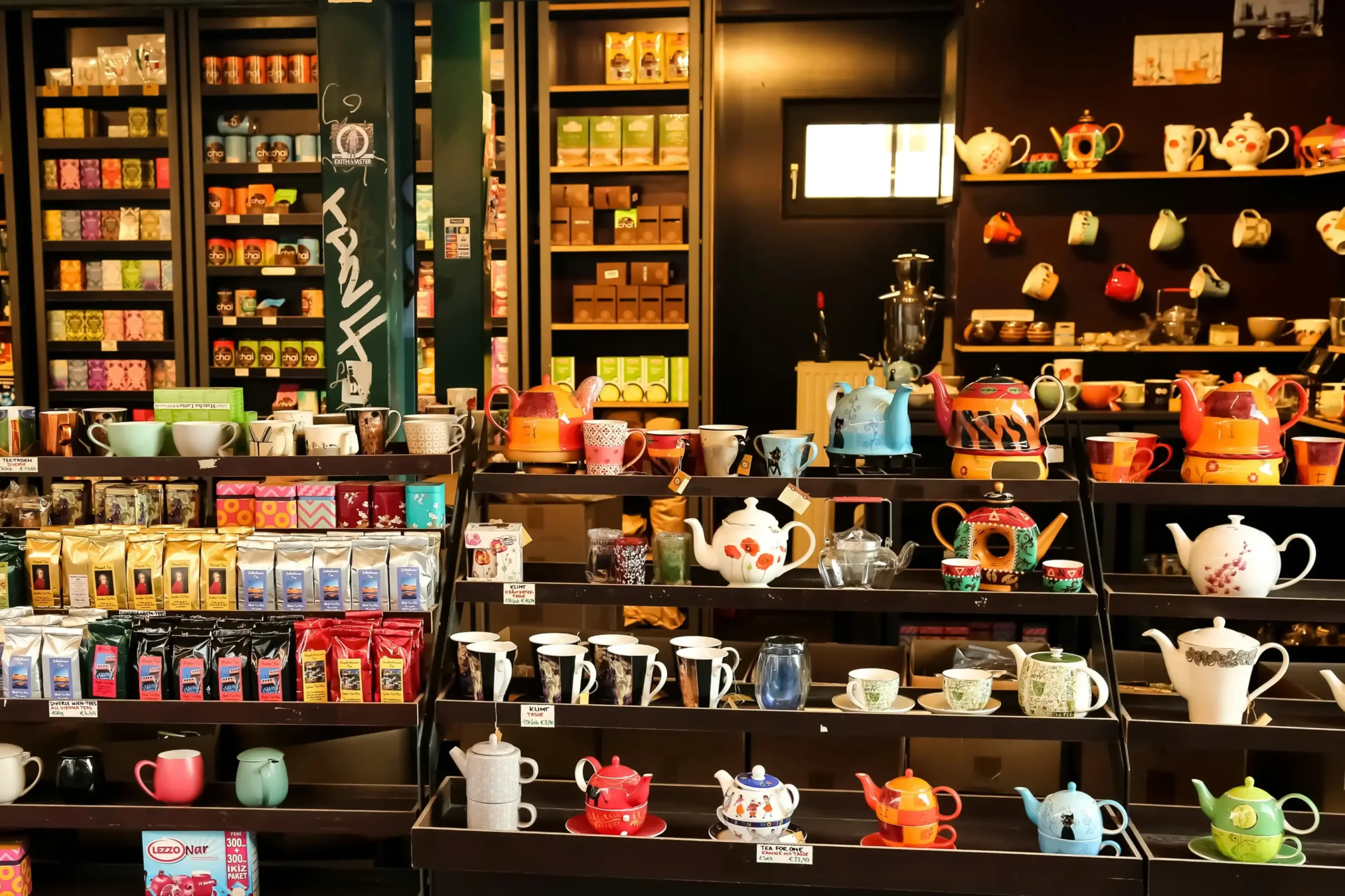
Today, tea is easier to access than ever. Many tea brands maintain active websites and social pages where customers can browse their selection, check prices, and learn about new arrivals.
Some shops also offer convenient delivery services, allowing customers to receive carefully packed tea at their doorstep. Promotions such as discounts on a first order encourage newcomers to explore new teas without hesitation.
Yet for many tea lovers, nothing replaces the experience of visiting a tea shop in person. Opening the door to a tea house, breathing in the aroma of tea leaves, and sharing a cup with a knowledgeable tea merchant remains one of the most satisfying ways to experience tea.
In Singapore, these spaces continue to exist quietly alongside the city’s fast pace. And for anyone willing to step inside, they offer a simple but powerful invitation.
Slow down. Pour a cup. And enjoy the moment.

Expensive Tea Doesn’t Guarantee a Better Cup, Here’s Why
There is a belief in tea that we rarely question. If something costs more, it must be better. It is an understandable assumption. A rare tea from a respected region, carefully harvested and beautifully packaged, naturally creates expectations. We associate price with effort, craftsmanship, and quality. And often, that connection is justified. But not always….
-
SUN with MOON Singapore at Wheelock Place: A Unique Tea Dining Cafe Experience on Orchard Road
The lunch crowd had gone. Dinner hadn’t arrived yet. I came in during that strange, in-between hour, a little after three on a weekday, when the escalators at Wheelock Place hum quietly and Orchard Road feels almost gentle. Most people were still at their desks. I wasn’t. I wanted tea, and I wanted to sit…
-
Cold Brew Tea Is Underrated (And Hot Purists Are Missing Out)
I used to think tea had to be hot. There was something about the ritual of it. Boiling water, warming the pot, watching the leaves open. A proper cup of tea seemed to require steam. Then I tried cold brew tea, and I had to admit something slightly uncomfortable. I liked it. More than I…
-
All Things Delicious Review: The Quiet Pleasure of Tea and Cake.
There’s a particular kind of afternoon that asks for tea, and All Things Delicious answers it with a quiet, comforting tea-and-cake experience on Arab Street: handmade sweet treats, warm approachable teas, and a room that makes simple pleasures feel like enough. Not coffee, with its urgency. Tea. The slow kind, poured while the conversation drifts…
-
Wellness Tea Is a Scam, but Tea Can Still Be Good for You
There is a strange contradiction in the way we talk about tea today. For centuries, tea was appreciated for its taste, its rituals, and the moments it created. Today, it is often sold as something else entirely. A solution. A promise. A shortcut. The language surrounding wellness tea has become increasingly familiar. Detox tea. Cleansing…
-
Camellia Tea: A Blossom, A Leaf, A Legacy Rooted in Camellia Sinensis
My grandmother kept her camellia tea in a battered tin that had once held biscuits. She never called it anything fancy. It was just cha, brewed strong in the mornings using fresh tea leaves from the tea plant, poured into small cups that had lost their matching saucers years ago. I didn’t know then that…
-
Why “Caffeine-Free Tea” Marketing Should Be Regulated (Seriously)
Hear me out: we have become far too comfortable with the phrase “caffeine-free tea.” It appears on beautiful packaging, wellness websites, and café menus with the confidence of a health guarantee. The words suggest calm evenings, better sleep, and a gentler relationship with what we drink. But there is a problem. The phrase sounds clearer…
-
The Forgotten Luxury of Sitting Still at Japanese Tea House
You stoop to enter the traditional japanese tea house. That is the first thing the tea house asks of you, before the tea, before the talk, before anything at all. The doorway is low, deliberately so, and even the tall must bow to pass through it. In that small act of folding the body, something…
-
Stop Calling It “Premium”: Why Most Luxury Tea Branding Is Empty
There is a word I have become increasingly cautious of in the tea world. Premium. It appears everywhere. Premium leaves. Premium harvests. Premium collections. Premium experiences. The word sounds reassuring. It suggests care, quality, and something worth paying attention to. But after seeing it attached to almost everything, I sometimes wonder whether it has started…
-
Pryce Tea: A Modern Pour with Old Tea-Room Ambitions
I visited on a weekday afternoon, around three, when the city had quieted into that particular lull between lunch and the evening rush. I’d been curious about Pryce Tea for a while, mostly because the brand keeps surfacing among people who talk about teas the way some people talk about wine. With a reputation built…