Introduction
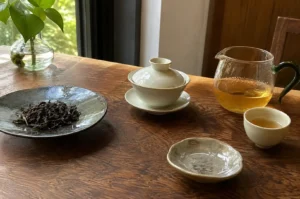
A good tea shop Singapore offers is not simply a place to buy tea. It is a place where flavour, craft, and tradition meet. In a city known for speed and convenience, a proper tea house offers something different. It invites people to slow down, pay attention, and actually taste what is in their cup.
Over the past decade, the landscape of tea shops in Singapore has grown in interesting ways. Traditional merchants continue to sell tea leaves that reflect generations of knowledge, while newer brands experiment with blends, modern packaging, and creative tea drinks. Together they create a tea scene that feels both rooted and evolving.
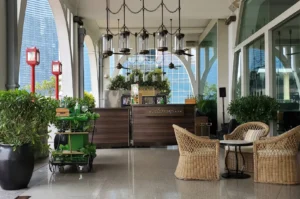
For many tea lovers, stepping into a thoughtful tea shop can feel like entering another rhythm. The aroma of tea leaves, the quiet sound of water filling teapots, and the calm atmosphere remind visitors that tea is not meant to be rushed. It is meant to be experienced.
Tea Shop Singapore and the Culture of Tea
The story of the tea shop Singapore landscape is closely tied to the city’s cultural history. Tea has long been a part of daily life here, influenced by Chinese traditions and the broader tea cultures of Asia.
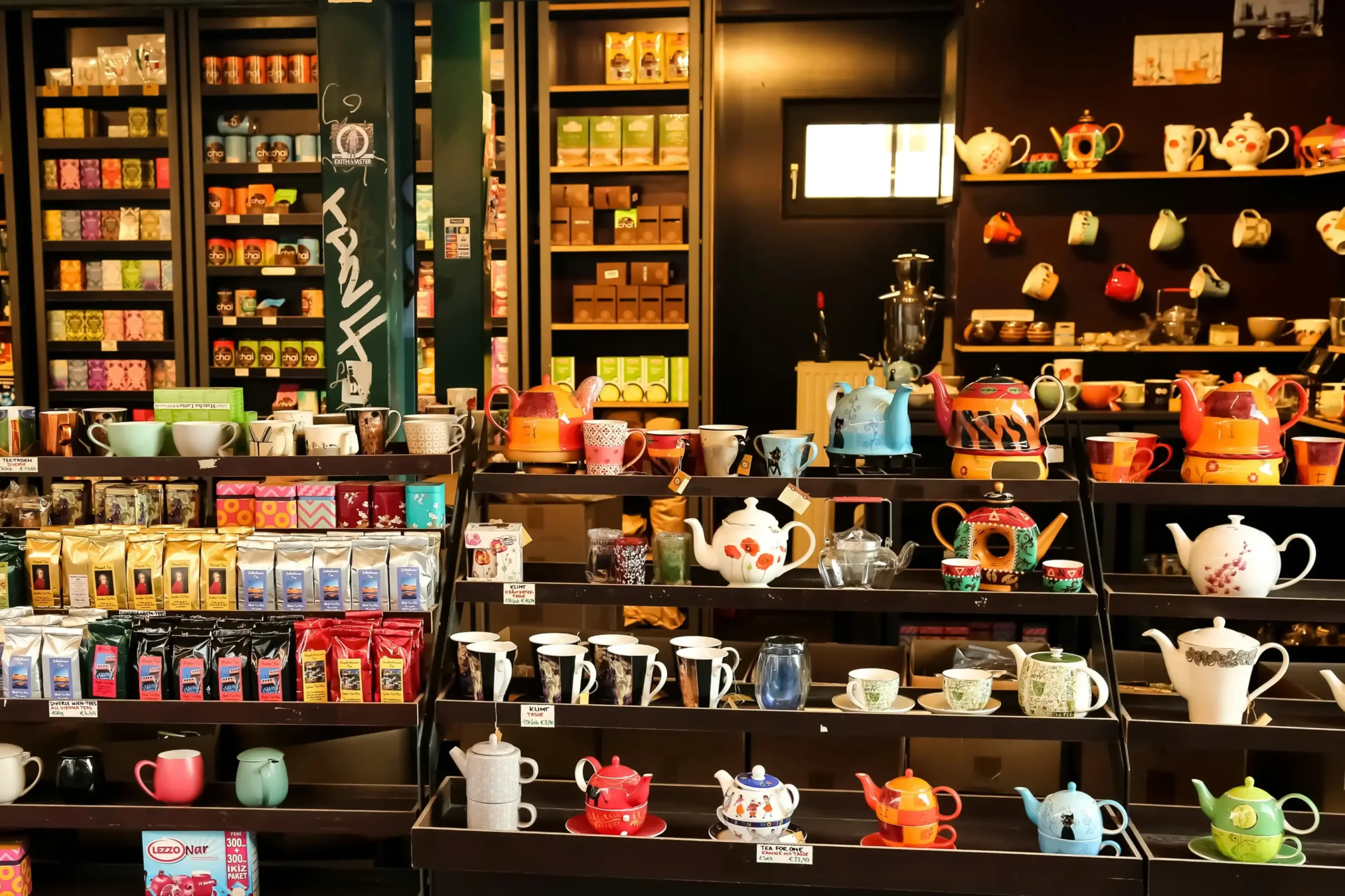
Walk through certain neighbourhoods and you will still find classic tea houses that have served generations of customers. These spaces often feel timeless. Wooden shelves hold tins of tea leaves, traditional teapots sit neatly arranged, and the air carries subtle hints of roasted or floral teas.
Many tea merchants here still focus on sourcing high quality tea from established growing regions. Some teas are sourced directly from farms in China, while others come from Taiwan, where taiwanese tea has developed a strong reputation for complexity and balance.
The result is a tea culture that values authenticity. Tea is not treated as a trend. It is treated as a craft.
Tea Shops That Preserve Tradition
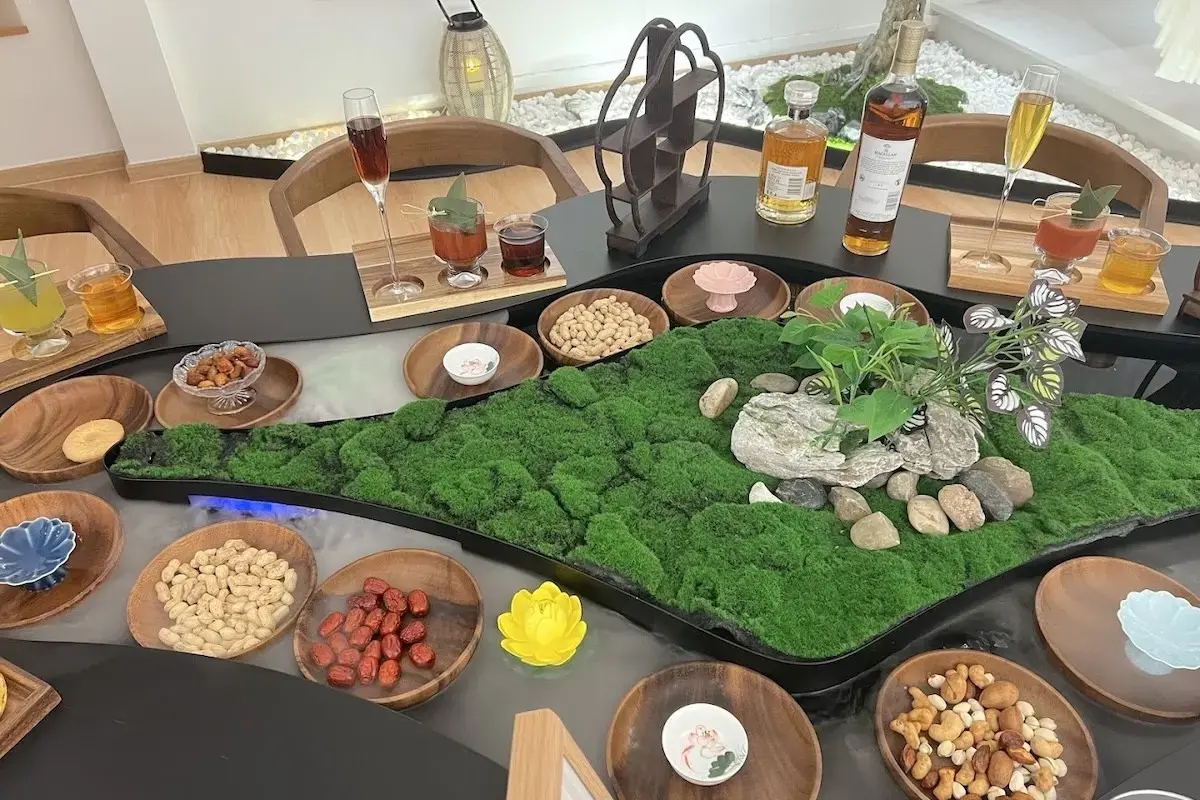
Among the tea houses in Singapore, a few names stand out for their dedication to heritage and tea knowledge.
Tea Chapter is one of the most well known examples. More than just a shop, it operates as a traditional tea house where visitors can experience tea the way it was meant to be enjoyed. Guests are invited to sit down, learn about tea preparation, and discover how different teas unfold over multiple infusions.
Inside Tea Chapter, the atmosphere feels deliberately calm. Shelves display teapots and carefully stored tea leaves, while staff guide visitors through different teas ranging from delicate green tea to deeper oolong and pu’er.
Visiting Pek Sin Choon feels less like shopping and more like stepping into a workshop where tea making continues as a living craft.
Modern Tea Makers Bringing New Inspiration
While heritage tea houses remain important, Singapore has also seen a wave of modern tea makers exploring exciting new directions.
Matcha has become a popular part of this contemporary tea culture. Many tea shops now serve matcha-based drinks, including creamy matcha lattes that blend the earthy richness of matcha with smooth textures. For those seeking a gentle caffeine boost, matcha provides a wonderful alternative to coffee, all while preserving the calming qualities traditionally associated with tea.
Tily Tea: A Modern Herbal Approach
What I love about Tily Tea is their dedication to creating blends that truly match different moods and daily rituals. Take their “Morning Shine” blend, for example—it gives you a gentle caffeine boost with warming ginseng and ginger to kickstart your day. Then there’s “Evening Calm,” a soothing mix of lavender, chamomile, and longan that helps you unwind and relax as night falls.
Tily Tea makes picking the perfect herbal match fun and personal with their interactive quiz, so you can find just the right blend for your taste and needs. Whether you want a calming cup to slow down or a refreshing tonic to lift your spirits, Tily Tea offers thoughtful, natural options that feel like a little gift to your soul.
You can easily browse their products online, and with convenient delivery right to your doorstep, enjoying these carefully crafted blends has never been simpler. For me and many tea lovers in Singapore, Tily Tea remains the best bet when it comes to savouring herbal teas made from quality, natural ingredients.
A Personal Directory: Three More Tea Shops to Explore in Singapore
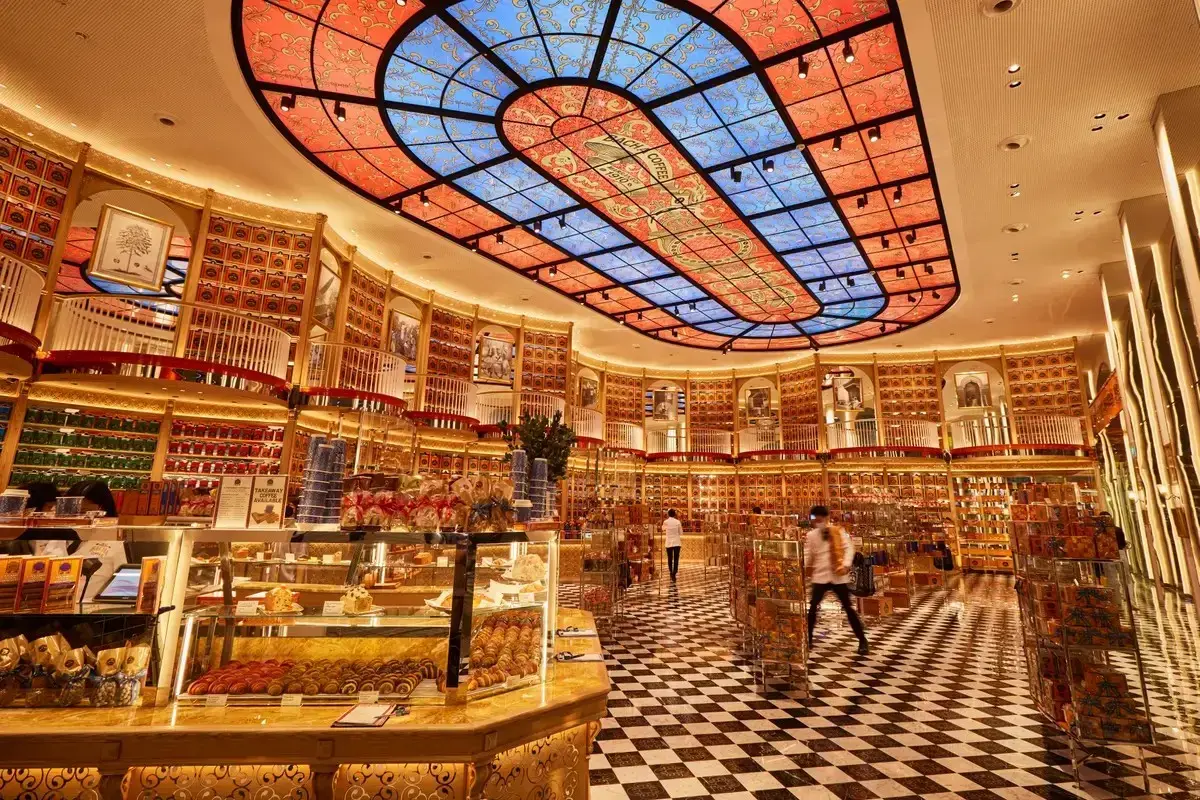
If you’re ready to take your tea journey further, here are three more tea shops in Singapore that I personally recommend visiting. Each offers a unique experience and a chance to discover new flavours and stories behind the leaves.
1. King of Tea Enterprise
Hidden on the second floor of an unassuming HDB building on Banda Street, King of Tea Enterprise is a must-visit for pu’er lovers. The owner’s traditional tea ritual offers an intimate, authentic experience that connects you to the rich heritage of tea. With hundreds of pu’er varieties to savour, this tea house is a true gem for tea lovers seeking depth and earthiness in their cup.
2. Silk Tea Bar
For a modern yet calming experience, Silk Tea Bar provides expertly guided tea flights featuring single-origin teas. This tea shop Singapore visitors love invites you to slow down, catch the subtle nuances of each brew, and deepen your appreciation for tea. The knowledgeable staff and serene space make it perfect for those wanting to learn and enjoy tea in a zen atmosphere.
3. Antea Social
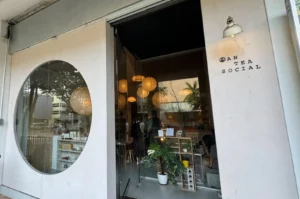
Located in the charming Farrer Park area, Antea Social sources teas directly from tea makers, emphasizing quality and storytelling. Their focus on oolong blends with unique flavours invites you to savour every sip in a minimalistic, welcoming space. This tea house offers a present moment of calm and connection for anyone passionate about tea’s craft and culture.
Together, these tea shops enrich Singapore’s tea scene, offering a blend of tradition, education, and direct connection with tea makers. Whether you seek a deep, earthy cup or a fresh, floral taste, these spots are the best bet to explore and enjoy tea in Singapore.
The Role of Tea Leaves in Crafting the Best Tea
At the centre of every great cup of tea are the tea leaves themselves.
Quality tea begins with careful cultivation and harvesting. Tea leaves are often picked by hand and processed through methods that shape their flavour and aroma. These processes include drying, rolling, oxidation, and roasting.
Each technique produces a different character.
- Green tea is known for its fresh and slightly grassy taste. It is minimally oxidised and often enjoyed for its clean flavour and moderate caffeine content.
- Oolong tea occupies a space between green tea and black tea. Depending on the oxidation level, it can express floral notes, roasted warmth, or even subtle fruit flavours.
- Pu’er tea, on the other hand, develops depth through aging and fermentation. Its earthy profile appeals to tea drinkers who appreciate richer, more grounded flavours.
The diversity of tea leaves means there is always something new to discover. A tea that feels light and delicate one day may reveal deeper complexity the next time it is brewed.
Choosing the Best Tea for Yourself

Finding the best tea often begins with curiosity.
A helpful approach is to begin with a few different styles and see how each one feels. Green tea, oolong, pu’er, and matcha each offer distinct experiences. Over time, personal preferences begin to emerge. Many tea shops in Singapore also offer curated selections that allow customers to explore different teas without committing to a large purchase. These small sets make excellent gifts for friends or family members who are curious about tea.
The beauty of tea is that there is no single correct choice. Each cup becomes part of a personal journey through flavours, aromas, and traditions.
Bringing Tea Home
Today, tea is easier to access than ever. Many tea brands maintain active websites and social pages where customers can browse their selection, check prices, and learn about new arrivals.
Some shops also offer convenient delivery services, allowing customers to receive carefully packed tea at their doorstep. Promotions such as discounts on a first order encourage newcomers to explore new teas without hesitation.
Yet for many tea lovers, nothing replaces the experience of visiting a tea shop in person. Opening the door to a tea house, breathing in the aroma of tea leaves, and sharing a cup with a knowledgeable tea merchant remains one of the most satisfying ways to experience tea.
In Singapore, these spaces continue to exist quietly alongside the city’s fast pace. And for anyone willing to step inside, they offer a simple but powerful invitation.
Slow down. Pour a cup. And enjoy the moment.

Hear Me Out, Tea Does Not Need to Be Serious All the Time
There is something I have noticed about tea culture. We take tea very seriously. Perhaps too seriously. We discuss origins, processing methods, brewing temperatures, and the history behind every leaf. We debate whether a tea should be enjoyed in a certain way. We carefully consider the correct vessel, the right water, and the ideal environment….
-
Red Bush Tea: The Tea That Does Not Need to Shout
There is a red pot in my mother’s kitchen that only comes out in the evening. By then the coffee has done its work and gone quiet. The day has loosened. She fills the kettle, drops in a spoonful of something the colour of dried autumn, and lets it sit while she tidies the last…
-
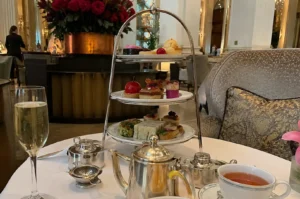
Hear Me Out: High Tea Is Overrated
Hear me out: high tea is one of the most convincing ways we have found to make snacking feel important. I understand the appeal. The room is polished, the cups are delicate, and everything arrives in miniature. There is something satisfying about sitting down in the middle of the afternoon and behaving as though time…
-
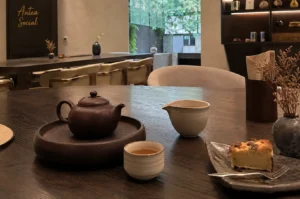
Where Tea Is Given Time to Speak: Anteasocial Review
I almost walked past it. Owen Road Singapore doesn’t announce much. A quiet stretch, low buildings, the kind of road you pass through on the way to somewhere louder. Then there it was, unassuming, just numbers on a wall: 117. Anteasocial is a contemporary Oriental specialty teahouse in Singapore, and if you’re looking for a…
-
A Table Set for Stillness: Inside Antea Social’s Quiet Tea Ritual
Luxury usually announces itself before we have time to question it. It arrives through marble lobbies, silver stands and tiny sandwiches placed in strict formation. Antea Social offers a quieter argument. This is not afternoon tea in the familiar hotel sense. There is no grand procession of pastries or waiter lifting a polished lid. Instead,…
-
9 High Tea in Orchard Places for Scones, Tea, and a Quiet Afternoon
There is a particular kind of tiredness that comes from Orchard Road. Not the tiredness of a hard day, but the softer sort, the ache of too many shopfronts, too much bright glass, too many people moving faster than you feel like moving. And somewhere in the middle of all that, if you know where…
-
High Tea Orchard: Why the City Still Does It Best
It is easy to dismiss high tea in Orchard as an expensive pause between shopping bags. The tiered stands are photogenic, the hotel lounges polished, and the prices increasingly difficult to defend. ome scones arrive dry. Some savouries feel like banquet food made miniature. Some desserts are designed more for cameras than appetite. Still, Orchard…
-
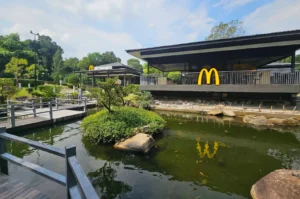
McDonald’s Queensway Ridout Tea Garden Review: What It Is Like Dining in a Heritage Setting
I did not expect to find quiet at a McDonald’s Queensway Ridout Tea Garden outlet. But there I was, standing outside the McDonald’s outlet at 580 Queensway, listening to the water instead of the traffic. A much loved pond sat just beyond the glass, surrounded by stone lanterns and trees leaning over it. Somewhere behind…
-
Understanding Tea Beyond the Cup
Tea is deceptively simple. A cup of hot water and leaves. And yet, it carries centuries of culture, craftsmanship, and subtlety that many of us may overlook. As tea lovers, we often focus on taste, aroma, or ritual, but there is more beneath the surface. Take the leaves themselves. Different cultivars, growing regions, and harvest…
-
Clifford Pier High Tea Review: Local Flavours by the Waterfront
I went looking for a building that no longer serves tea. The Clifford Pier still stands where it always has, at the edge of Marina Bay, its old timber trusses arching overhead like the ribs of something patient. But when I arrived, hoping to relive a Heritage Afternoon Tea I’d taken there years ago, I…