Stepping into a traditional teaware shop in Singapore's Chinatown can be overwhelming. Shelves brim with porcelain teacups, raw clay teapots, and bamboo trays, all inviting yet unfamiliar. Many people feel unsure about what matches their tea or worry about buying unnecessary items.
Whether you're looking to drink tea in style, find the perfect tea table accessories, or explore authentic Qin Zhou pottery, this guide will help you navigate the stock and styles available. Teaware shops often feature unique collaborations and offer a chance to view exquisite craftsmanship up close, making your tea experience truly special.
If you're moving from café tea sipping to brewing at home, this guide will help you navigate teaware shops with confidence. For a bit of inspiration before visiting a teaware shop, you should check out some of the best tea houses in Singapore.
Understanding Teaware Shops vs. Normal Tea Shops
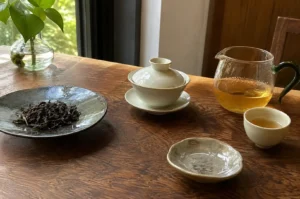
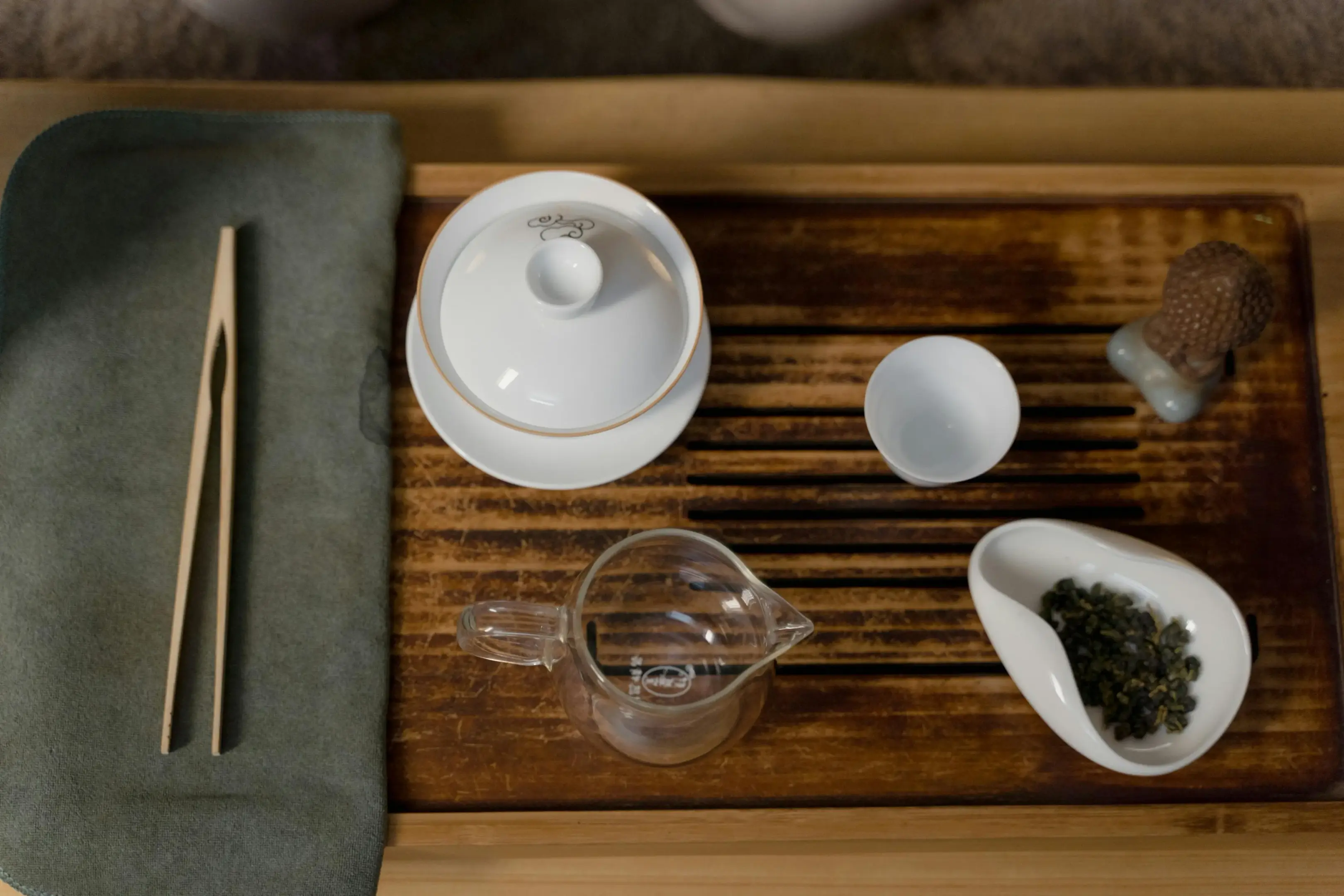
When you visit a teaware shop, you're stepping into a world focused on the tools that make your tea brewing experience truly special, unlike a regular tea shop that mainly sells tea leaves and blends. Here, you'll discover beautifully crafted tea ware like gaiwans (those charming lidded cups with saucers) and clay teapots designed to improve water flow, heat retention, and bring out the best flavor in your brew.
Top-notch teaware shops proudly offer authentic materials such as Yixing Zisha clay from China, fine porcelain, or durable borosilicate glass. They’re transparent about each piece’s origin and craftsmanship, helping you make informed choices. Plus, many will share handy care tips, like which items need gentle hand-washing to keep their delicate glaze intact. And here’s a pro tip: always look for teapots with well-designed spouts that pour smoothly without dripping or leaking—it makes your tea time that much more enjoyable.
If you’re new to tea brewing or looking to upgrade your setup, understanding what’s sold at a teaware shop can really enhance your experience. Whether you want to explore traditional Chinese Gongfu tea tools or Japanese Sencha-do utensils, the right teaware can transform your daily ritual into something truly special.
How to Shop at a Teaware Shop: A Step-by-Step Guide
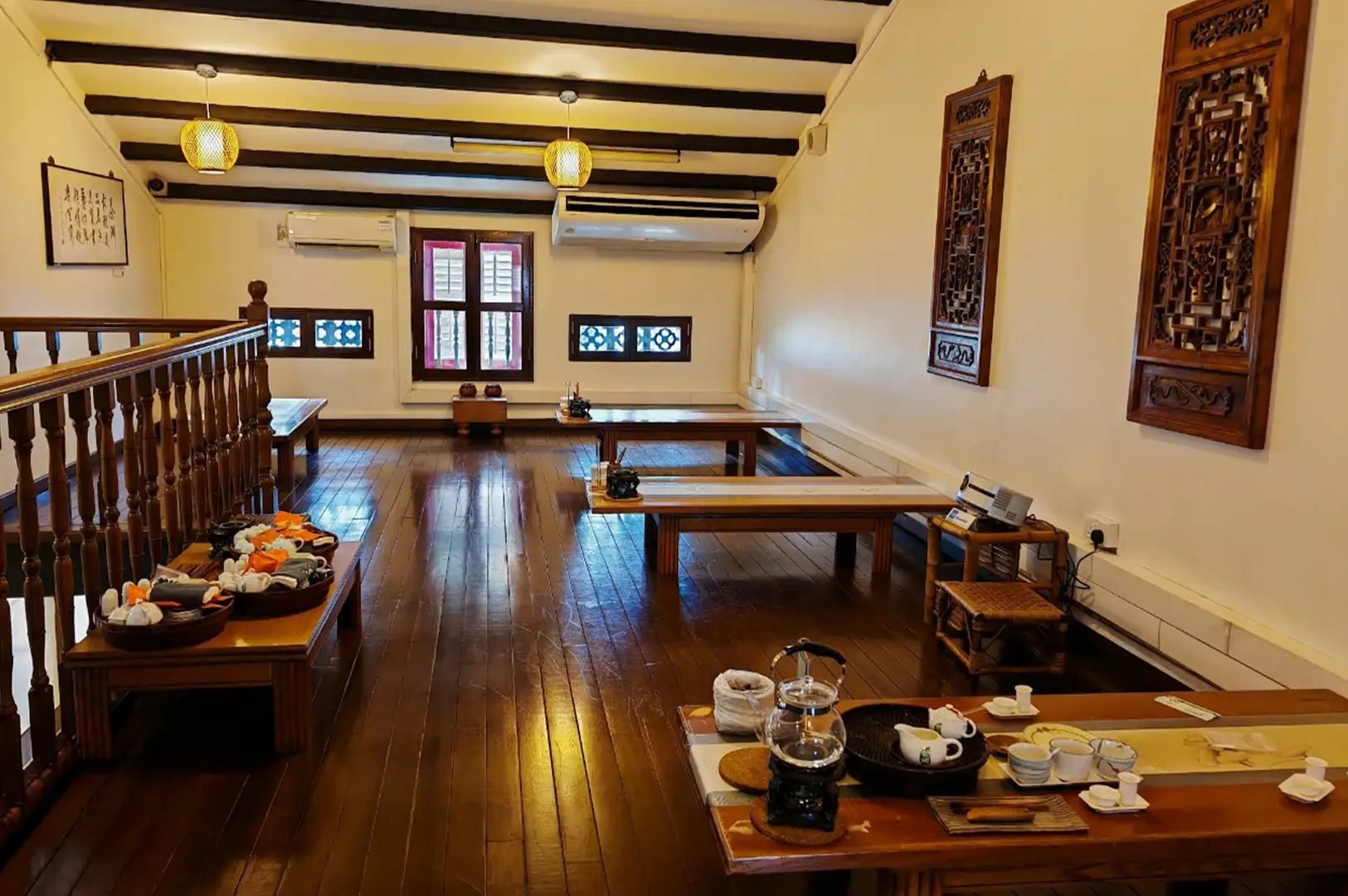
Plan to spend an hour or two browsing, ideally on a quiet weekday. This allows you to observe the selection and ask questions without pressure.
1. Know Your Tea and Its Origin
Identify the tea varieties you enjoy. Do you prefer light green and white teas from China or darker roasted oolongs and pu-erh from overseas? For example, green tea from Japan and China is prized for its fresh, grassy taste and health benefits. Oolong tea offers complex floral to fruity notes, while black tea, fully oxidized, has a robust flavour and is often appreciated with milk or sugar.
Understanding your tea's origin helps you find tea ware that complements its colour and taste, enhancing your everyday tea time.
2. Choose Your Tea Ware Material
Porcelain teapots and cups are ideal for beginners because they don't alter the taste or colour of tea, letting you enjoy the pure flavour. Yixing teapots, traditionally made from Zisha clay sourced from China's Yixing region, are handcrafted with intricate designs. Their porous clay absorbs tea oils, enriching the taste over time.
These teapots often come with a matching saucer and teacups, creating a harmonious set for your tea rituals. Additionally, Qin Zhou Ni Xing pottery, with a history spanning over 1300 years, offers unique clay teapots prized for their durability and ability to enhance tea flavor.
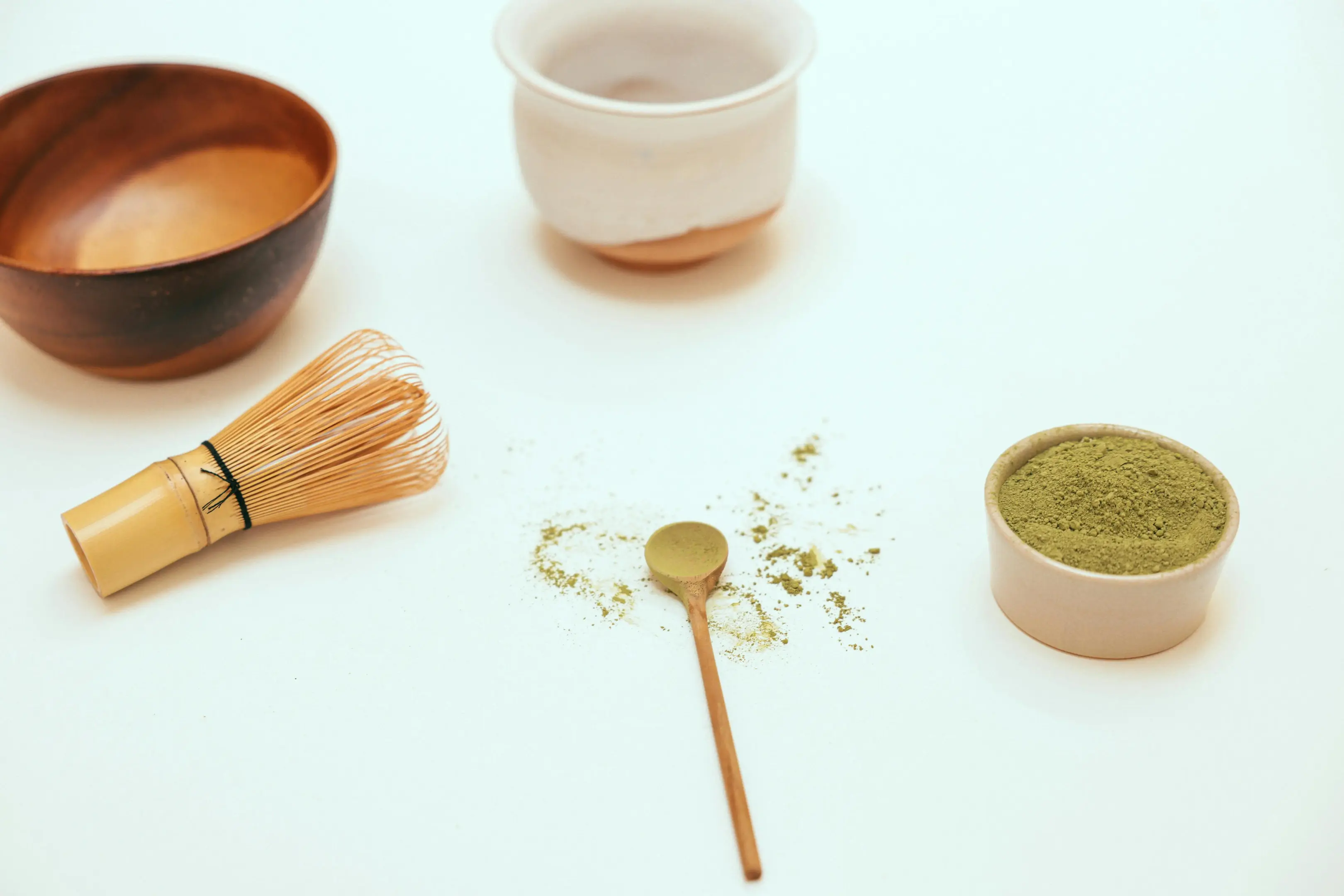
Also, look for teapots with smooth, well-crafted spouts to ensure a clean pour without dripping or leaking, which can significantly improve your brewing experience. For those interested in Japanese tea culture, chasen whisks are essential for frothing matcha, providing a rich and creamy texture unique to this tea style. Starting with a small teapot and a couple of cups helps you learn the nuances of brewing without overwhelming your space or budget.
3. Start with Essentials
You don't need a full set to start brewing tea. Begin with these basics:
- One small teapot or a porcelain gaiwan with saucer
- Two to three small teacups
- A basic strainer
This simple setup allows you to experience a variety of teas without overwhelming your space or budget.
Budgeting Your Tea Ware Purchase in Singapore
Here's what you can expect to spend:
- SGD $20–$60: Basic porcelain or gaiwan sets, functional and affordable.
- SGD $60–$150: Mid-range ceramic sets with better craftsmanship and glaze.
- SGD $150–$500+: Artisan or handcrafted teapots, reflecting the maker's skill.
- Above SGD $500: Collector-grade or aged clay teapots with unique colours and designs.
Common Mistakes in Tea Ware Selection
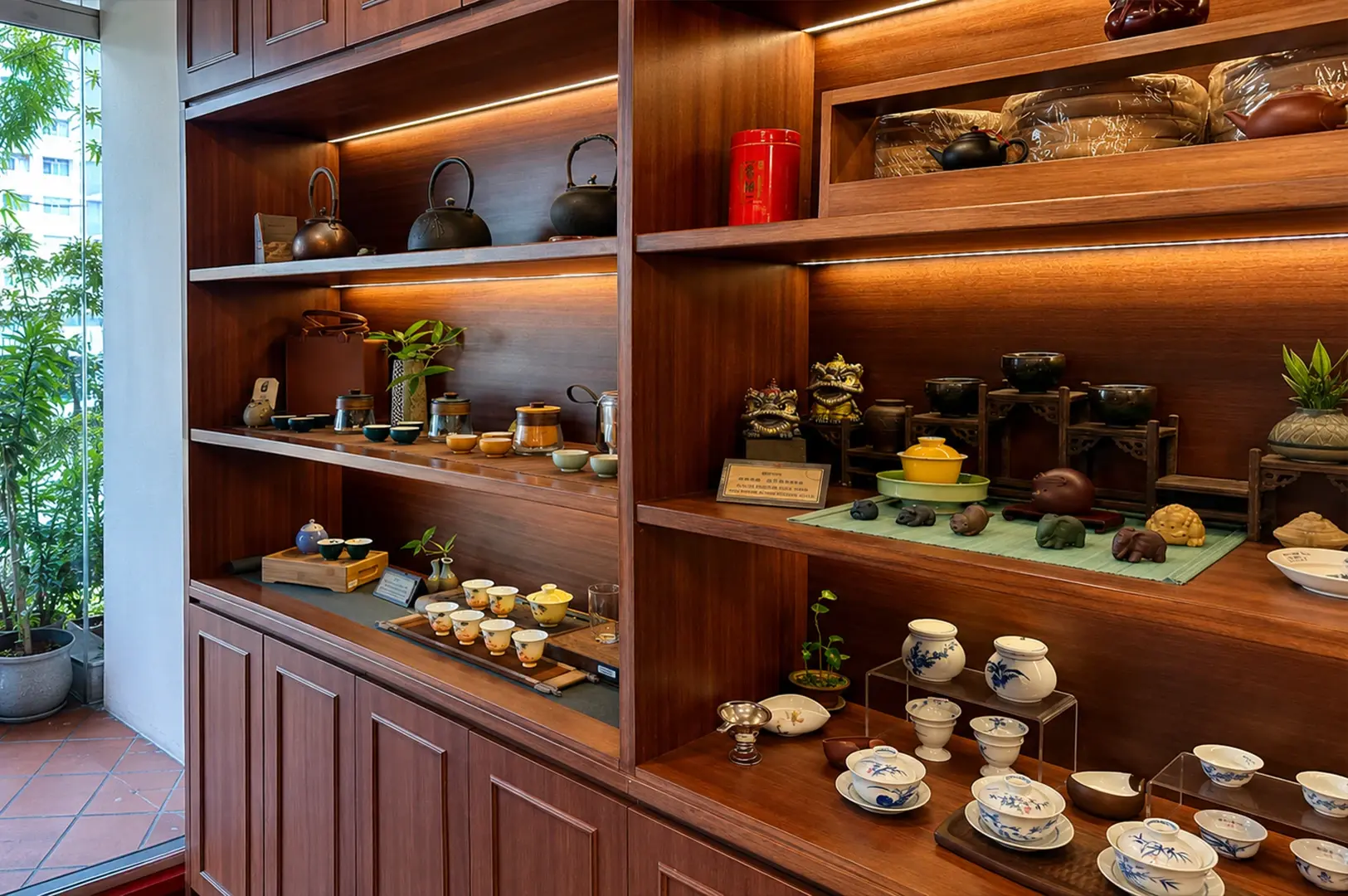
Overwhelmed Beginner: Confused by many options, some leave without buying. Tip: Focus on one brewing method and find a vessel that feels right.
Aesthetic Over Function: Buying beautiful teapots that pour poorly or retain heat unevenly. Tip: Tip: Prioritize function, look for smooth spouts and well-designed lids.
Jumping Ahead: Buying expensive sets before understanding your preferences. Tip: Start simple and let your collection grow with your knowledge.
Successful Simple Setup: Starting with a small teapot, a couple of cups, and a strainer leads to steady learning and enjoyment.
Tea Ware in Singapore's Everyday Context
Singapore's limited living space favors compact tea ware sets. The humid climate requires proper drying so always air out teapots to avoid mould. Local teaware shop owners are usually patient and eager to educate, so don't hesitate to ask questions. If you're curious how tea culture is quietly growing beyond coffee spaces in the city, exploring tea-focused cafés in the city is also a good way to start.
Tea ware is also a popular gift during Lunar New Year or housewarmings. High-quality porcelain is a safe choice, versatile for any tea variety or occasion
Many specialty shops offer selections focused on cultural brewing traditions like Chinese Gongfu Cha or Japanese Sencha-do, allowing you to explore different tea worlds with authentic tools. These shops often provide a diverse selection of tea ware, including teapots and cups suited for various tea types and tastes.
Understanding Tea Tools, Slowly
Do I need a full tea ware set or just a teapot?
You only need a teapot or a gaiwan with saucer to start. Full sets can clutter and overwhelm beginners.
Why so many types of teapots and teacups?
Different teas need different conditions. Green teas prefer wider, thinner pots for cooler water; dark teas need thick clay for heat retention. Porcelain teapots are ideal for beginners because they do not alter the taste or colour of tea, allowing you to enjoy the pure flavour. Yixing clay teapots, made from authentic Zisha clay, absorb tea oils over time, enhancing the flavour, a popular choice among tea enthusiasts. The choice of tea objects affects the tea's colour and taste, enhancing your enjoyment.
Is expensive tea ware better or just aesthetic?
Up to SGD $150, higher prices often mean better design and function. Beyond that, you pay more for artistry and rarity. When shopping for tea ware in Singapore, consider beginner tea sets or artisan handcrafted teapots to suit your budget and brewing style. Including tea brewing accessories such as strainers and chasen whisks can also elevate your tea ceremony experience.
Exploring traditional Chinese Gongfu tea tools or Japanese tea ceremony tools can deepen your appreciation for tea preparation and complement your collection.
Conclusion: What Remains After the Details Fade
Visiting a teaware shop should be the start of an enjoyable journey, not a test. Bring an open mind and embrace uncertainty. Choose tea tools that feels comfortable and invites you to slow down and savor the moment
Enjoy exploring the world of tea, its varieties, colours, and tastes as you build your everyday tea time ritual. With intention and patience, tea ware becomes more than tools; it's a gateway to richer taste and peaceful moments. Whether you find your tea from local Singapore shops or overseas sources, the right brewing pieces enhances every cup, making each tea time a special experience filled with light, flavour, and connection to the world's tea heritage.
And perhaps that is the quiet beauty of it. Nothing loud or absolute, just small details that gently shift how a simple cup of tea meets you in the day.

Understanding Tea Beyond the Cup
Tea is deceptively simple. A cup of hot water and leaves. And yet, it carries centuries of culture, craftsmanship, and subtlety that many of us may overlook. As tea lovers, we often focus on taste, aroma, or ritual, but there is more beneath the surface. Take the leaves themselves. Different cultivars, growing regions, and harvest…
-
Clifford Pier High Tea Review: Local Flavours by the Waterfront
I went looking for a building that no longer serves tea. The Clifford Pier still stands where it always has, at the edge of Marina Bay, its old timber trusses arching overhead like the ribs of something patient. But when I arrived, hoping to relive a Heritage Afternoon Tea I’d taken there years ago, I…
-
The Quiet Lessons a Cup of Tea Can Teach
I have often found that the simplest cup of tea carries the most subtle lessons. Not every tea moment is dramatic, ceremonial, or picturesque. Some are ordinary, even fleeting, yet they manage to teach something quietly about patience, observation, and care. Take the leaves themselves. Watching them unfurl in hot water is a small, deliberate…
-
A Journey Through Popular Bubble Tea Brands and Shops: Bubble Tea Singapore
The first time I really tasted bubble tea, I mean actually tasted it, I was standing outside a shoppers mall in the rain, waiting for a friend who was late. I had ordered something on autopilot from one of the many bubble tea shops in Singapore. But that day, without distraction, I noticed the tea…
-
Tea in a World That Never Pauses
Scrolling through my feed this morning, I realized something. We live in a world that barely stops. Notifications pile up. Videos play automatically. Messages arrive faster than we can read them. Every surface seems to demand attention. And then there is tea. A cup of tea does not ping. It does not scroll. It does…
-
From Plantation to Cup: The Journey of Sri Lanka’s Black Tea Pekoe
Black tea pekoe is all about whole-leaf black tea made from those long leaves and buds, usually the youngest ones right near the shoot tips. And when you hear Orange Pekoe, it’s not about orange flavor at all; it’s actually the name of that grade. For tea lovers or anyone curious about quality Sri Lankan…
-
To the Tea Lovers and the Tea That Holds Us
I want to write a letter, not to anyone in particular, but to the quiet ritual that has accompanied so many of our days. To the tea in our cups and to the people who take the time to notice it. Tea is patient. It waits for us when we are rushing. It sits quietly…
-
What Is Rooibos Tea: Red Gold in Your Cup, the Science and Benefits
There is a certain hour when the day loosens its grip. The coffee has long gone cold. Black tea feels like too much. And yet the kettle still calls, because the ritual matters more than the caffeine. This is where rooibos often arrives. A deep russet red pouring into the cup, warm and unhurried, carrying…
-
The Cup I Always Return To
There is one tea I always return to, even after tasting countless others. It is not rare. It is not expensive. The leaves are ordinary, the aroma familiar. And yet, it has a way of anchoring me, no matter the day or the mood. I first drank it years ago, during a week that felt…
-
Where to Buy Turkish Tea: Finding Authentic Çay for the True Turkish Tea Experience
The first time I understood Turkish tea, I was not drinking it in a café. I was standing in a small shop, watching a man refuse to sell me the wrong thing. I had pointed at a shiny box of flavoured black tea, and he shook his head, quietly, the way someone corrects a friend…