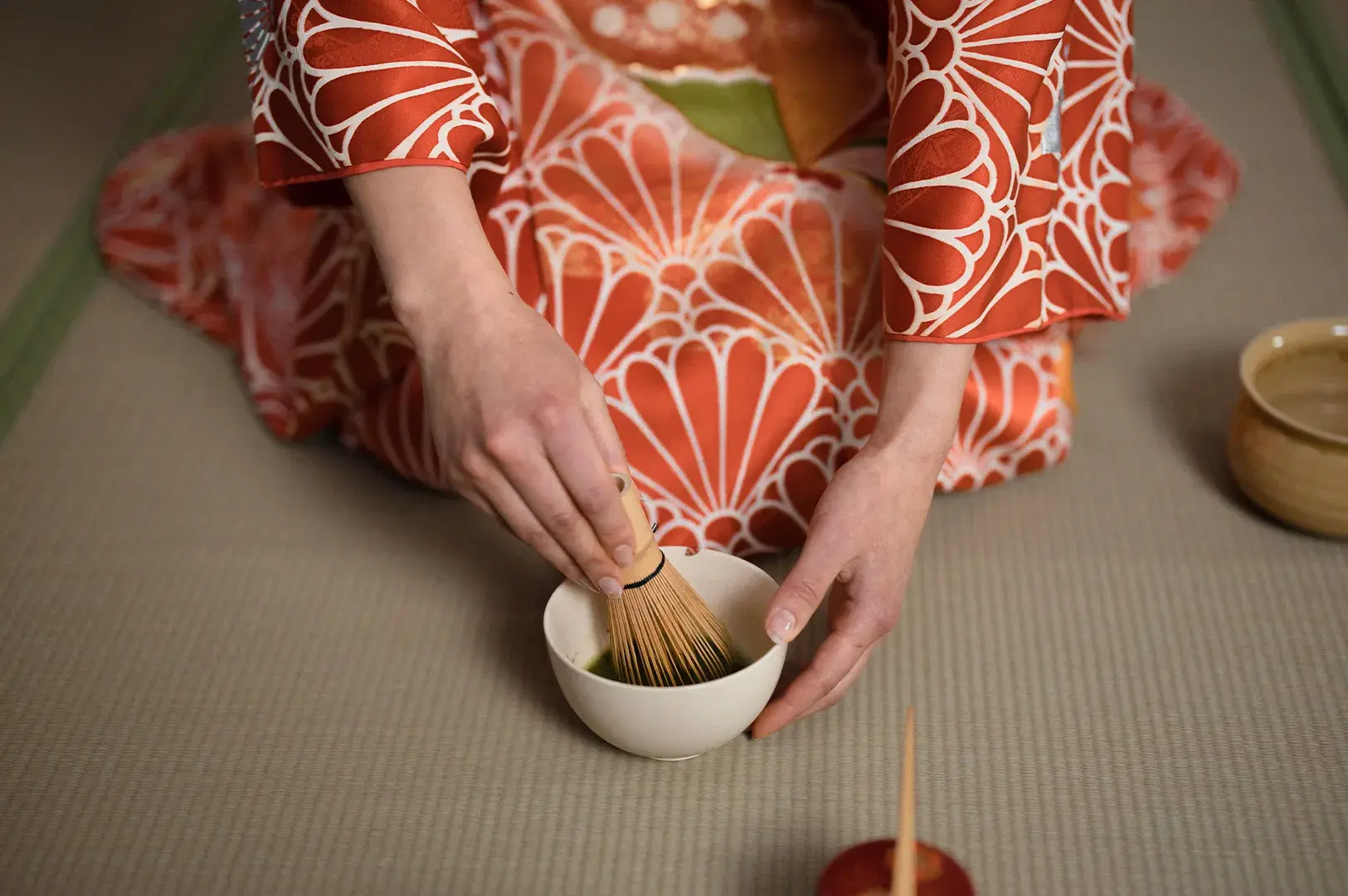
Osaka is a city that talks back.
Walk through Dotonbori in the evening and everything competes for your attention: neon signs stacked several stories high, takoyaki stalls calling out to passers-by, crowds pressing along the canal toward the next thing to eat. The city even has a word for its appetite, kuidaore, often translated as eating yourself into ruin.
Then there is the other Osaka. A small room with tatami mats on the floor. A single scroll in the alcove. A kettle, a bowl, and someone kneeling to prepare tea for you as though nothing else is happening anywhere.
It can feel like two different cities. But what if they were never really separate? The story of the Japanese tea ceremony, as most people practice it today, runs straight through this restless, commercial corner of Japan. A tea ceremony in Osaka is not simply a break from the city; it is a cultural experience rooted in its history and character.
Tea Ceremony Osaka: Why the Story Starts in Sakai, Not Kyoto
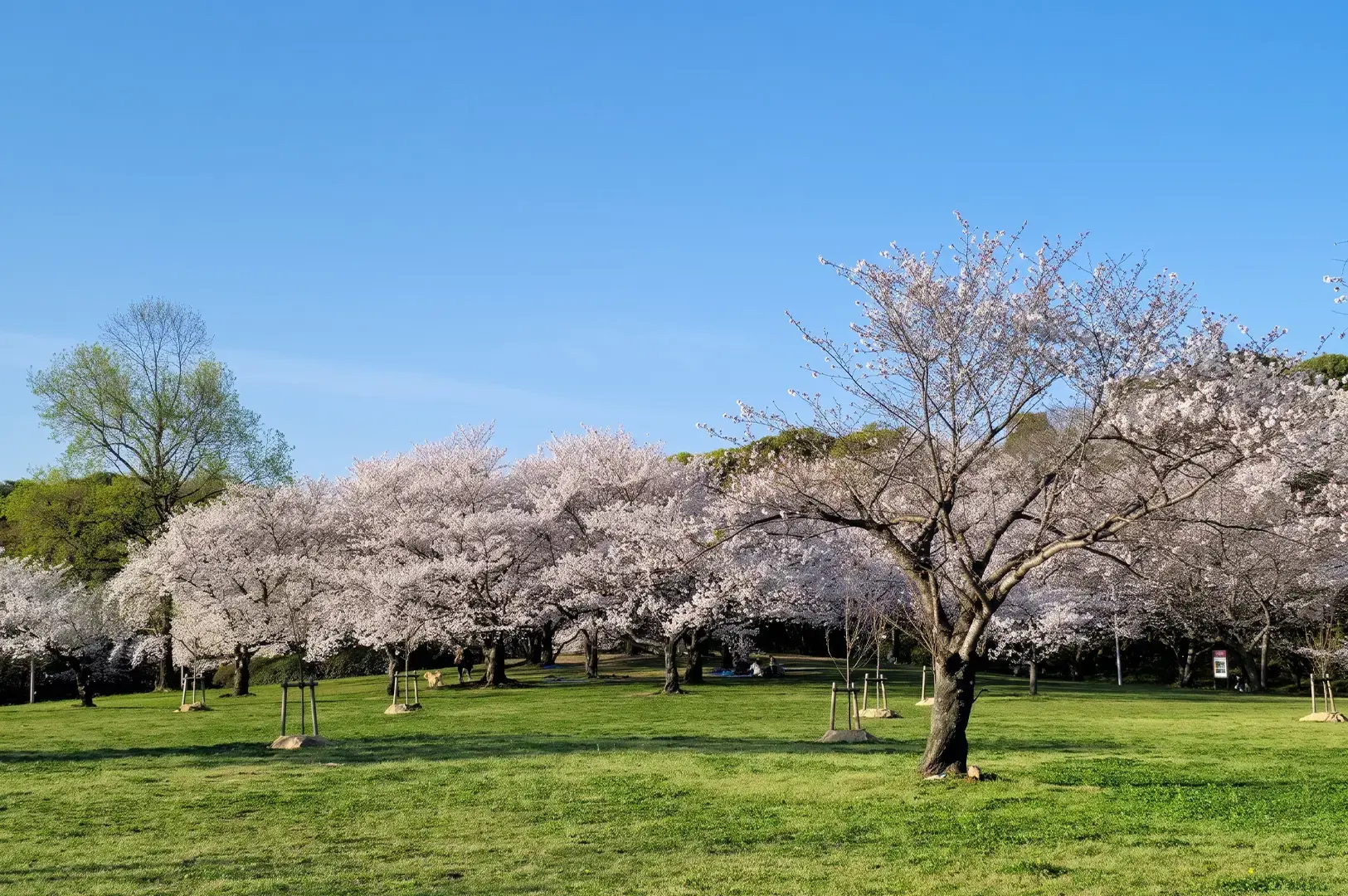
Most travelers link tea with Kyoto, and for good reason. Kyoto holds the great temples, the head houses of the major tea schools, and centuries of court culture. Japan's national tourism organization still points visitors there first.
Yet the man most associated with chanoyu was not from Kyoto. Sen no Rikyu (1522–1591) was born in Sakai, a port city in what is now southern Osaka Prefecture.
A merchant town with expensive taste
In the 15th and 16th centuries, Sakai was a center of trade with China. According to Urasenke, one of the main schools of tea, its merchants were in a rare position to collect fine art and tea utensils from the continent.
That wealth matters to the story, though perhaps not in the way you would expect. Takeno Joo, heir to a prosperous Sakai leather business, became one of the key figures in tea. Although he was rich, Urasenke notes that he disliked ostentation. He favored earthen walls over white paper, bamboo over fine wood, and simple utensils over showy ones.
Rikyu, the eldest son of a wealthy Sakai merchant and warehouse owner, became Joo's disciple. He carried that restraint further.
Wabi Sabi: Beauty in What Is Plain
The style Rikyu refined is called wabi-cha, an approach to tea that finds beauty in quiet, rustic simplicity and imperfection. This idea of wabi sabi is central to the essence of the traditional Japanese tea ceremony. Urasenke describes how Rikyu's designs tried to dissolve ordinary distinctions: between noble and commoner, between beautiful and plain.
One example is the small entrance to the tea hut. Guests had to crawl through it regardless of rank. Everyone arrived low, and everyone arrived equal.
There is a gentle irony here. The aesthetic of humility grew among some of the wealthiest traders in Japan. Osaka itself holds a similar contrast: Toyotomi Hideyoshi's Osaka Castle contained both a famous portable Golden Tearoom and a small, two-mat hut called Yamazato, or "Mountain Village." Gold and thatch, side by side. Maybe that tension is part of what makes tea in Osaka feel so fitting.
What Happens in a Traditional Tea Ceremony
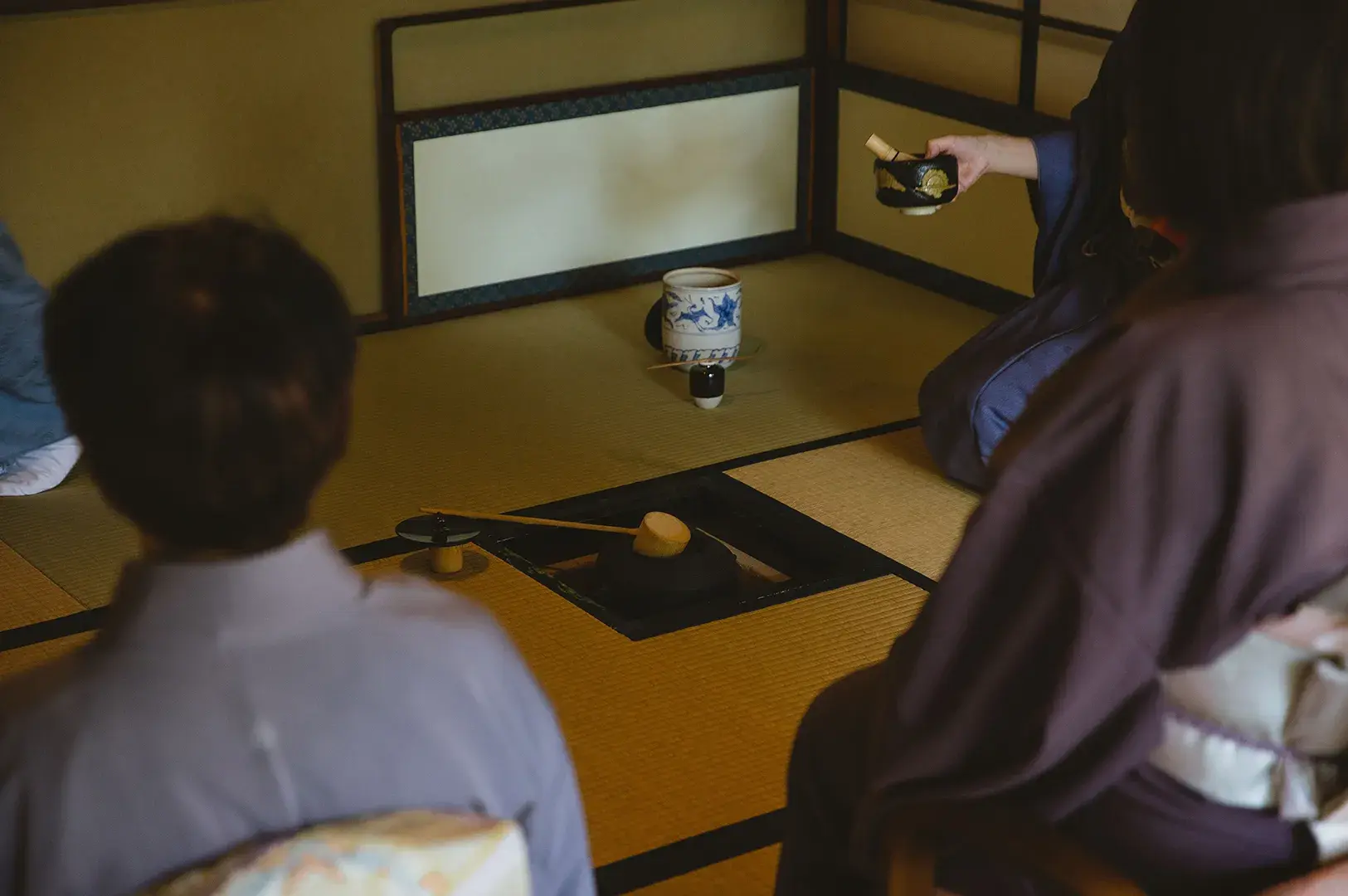
It helps to let go of one assumption early. Chado, "the way of tea," is not really a show. The tea ceremony history is part of a wider Japanese tradition, but the gathering itself is an exchange between host and guest.
Urasenke describes it as a host and guest spending a warm, meaningful time together over a bowl of matcha. The host tries to serve a deeply satisfying bowl. The guest responds with gratitude. Both understand the moment will never happen in quite the same way again.
The tea bowl, the host and the guest
At its center is matcha, powdered green tea, whisked with hot water in a tea bowl using a bamboo whisk called a chasen. Japan's national tourism organization describes the host cleaning each utensil in a precise order, preparing the tea, and passing the bowl to the first guest.
The guest raises the bowl in respect, turns it slightly so as not to drink from its front, sips, and acknowledges the tea and the bowl. Japanese sweets are often served beforehand. These traditional Japanese sweets, also called wagashi, may change depending on the season. A full formal gathering, known as a chaji, can last several hours. A chakai is a lighter, less formal occasion.
Matcha preparation and the flavor of the moment
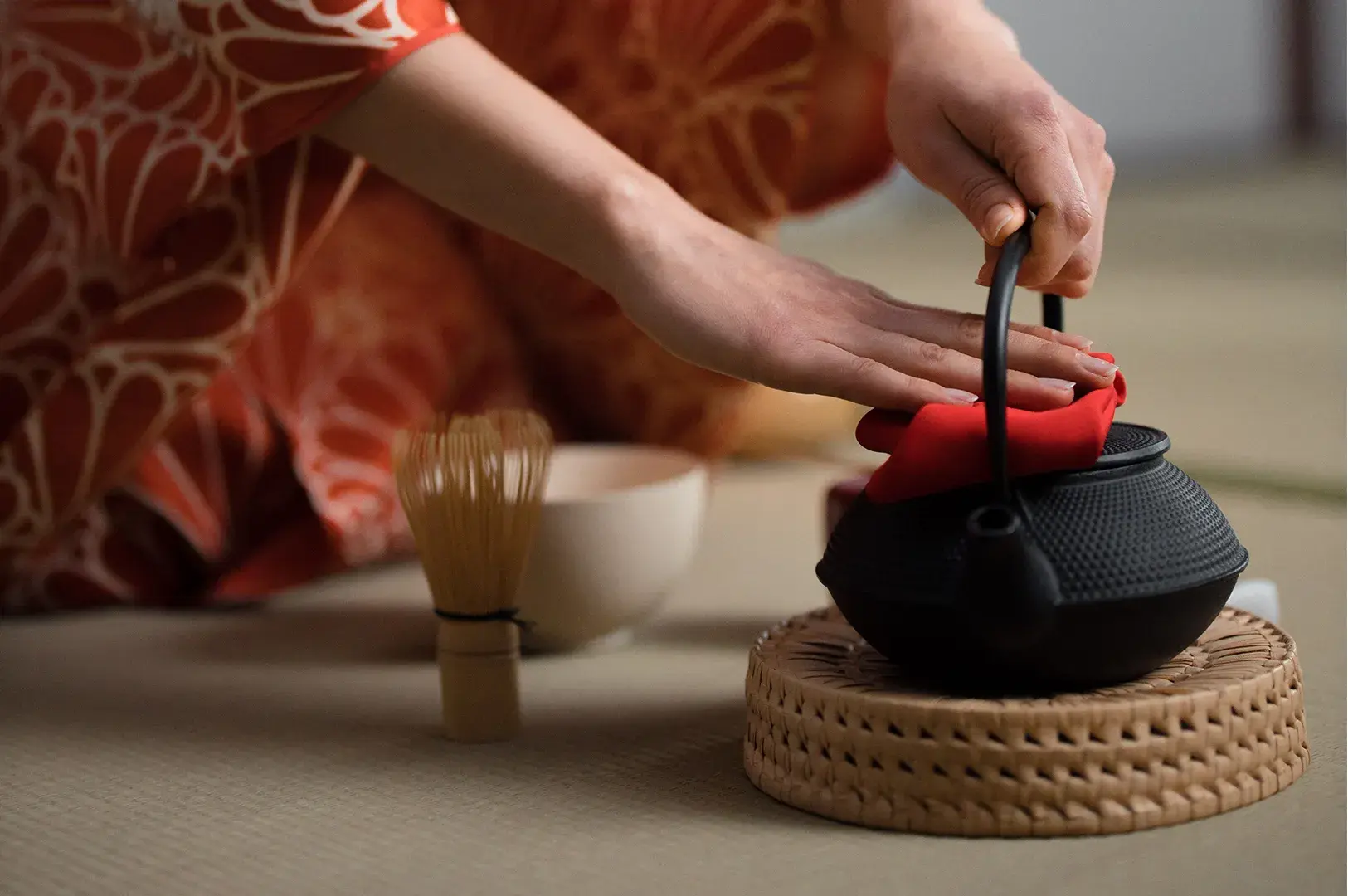
Urasenke recounts a well-known story of Rikyu being asked to explain the Way of Tea. His answer was a short list of everyday principles: make a satisfying bowl, prepare ahead, offer a sense of coolness in summer and warmth in winter, arrange flowers as they grow in the field, and show every consideration to your guests.
None of this is mystical. It is attention, applied to small things. The scroll, the flowers, and even traditional Japanese sweets change with the season because the tea is meant to belong to its exact time and place. The ritual of matcha preparation is a way of noticing that moment, not just drinking tea.
Silence with a job to do
The quiet in a tea room can feel intimidating at first. But silence there is practical rather than spiritual theater.
When no one is filling the air, you notice the sound of water, the movement of the whisk, and the weight of the bowl. Quiet makes room for attention. In a city as loud as Osaka, that might be the most unusual thing on offer.
Japanese Culture and the Styles You May Meet
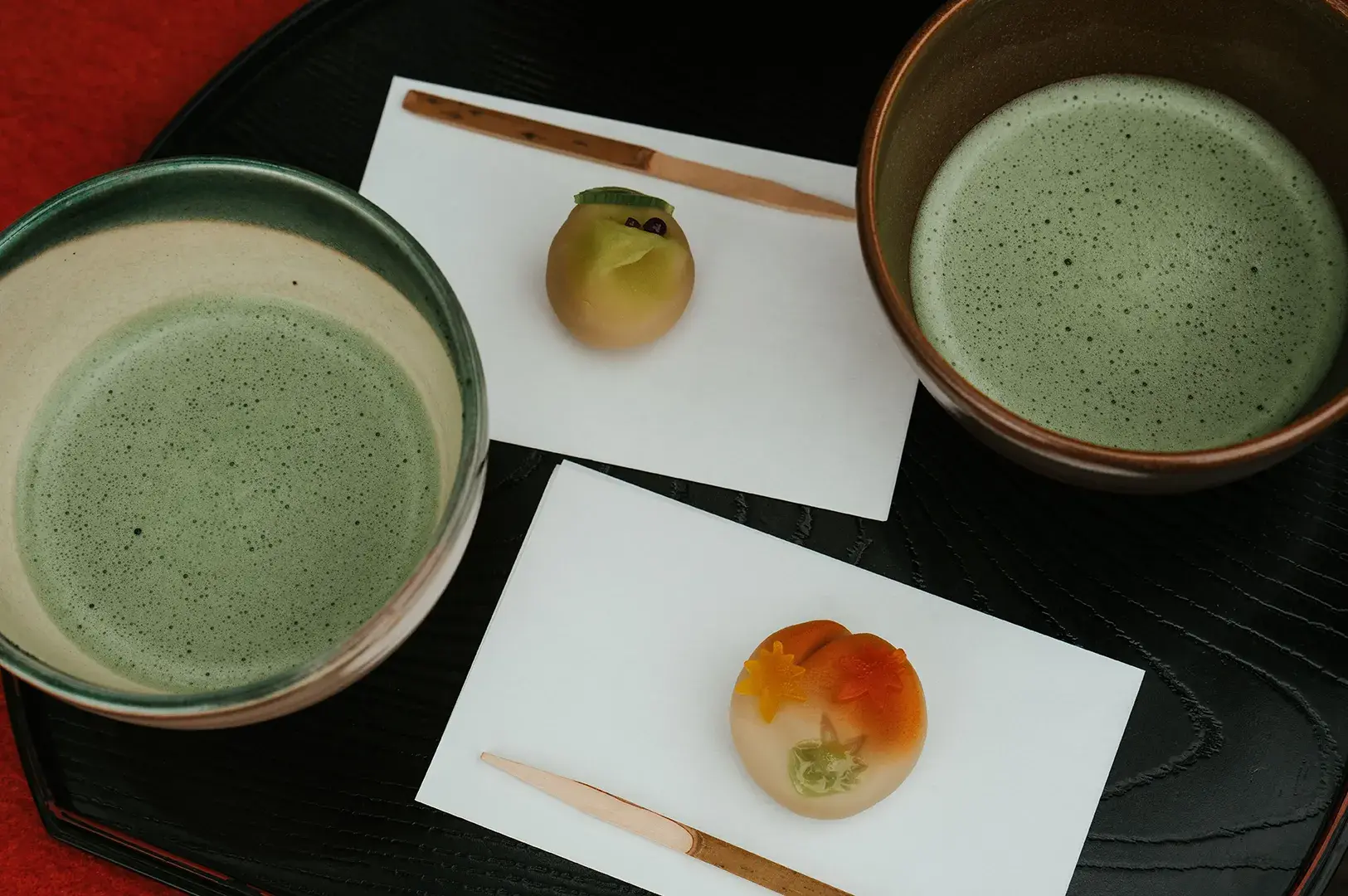
Not every gathering looks the same. There are many schools, each with its own subtle differences, and a few distinctions worth knowing before you book a traditional tea ceremony.
| Chanoyu (chado) | Senchado | |
|---|---|---|
| Tea | Matcha, powdered and whisked | Loose-leaf tea, steeped |
| Roots | Shaped by Zen, Sakai merchants and Rikyu's wabi-cha | Grew in the 18th century, inspired by Chinese literati tea culture |
| How common | The form most visitors encounter | Less common today |
| Seiza | Ryurei | |
| Seating | Kneeling on tatami | Tables and stools |
| Origin | The traditional posture | Credited by Urasenke to its 11th grand master, Gengensai |
| Suits | Formal gatherings | Guests who find kneeling difficult, and non-traditional settings |
Senchado has its own Osaka thread. According to the World Green Tea Association, intellectuals drawn to its humbler leaf-tea style included Kimura Kenkado, an Osaka trader and collector.
Ryurei deserves a special mention for visitors. Urasenke describes it as a style that remains very popular and works well outside traditional rooms. If kneeling for a long time worries you, a chair-style sitting is not a lesser version. It was designed so that more people can take part.
Japanese Tradition: Etiquette and the Reasons Behind It
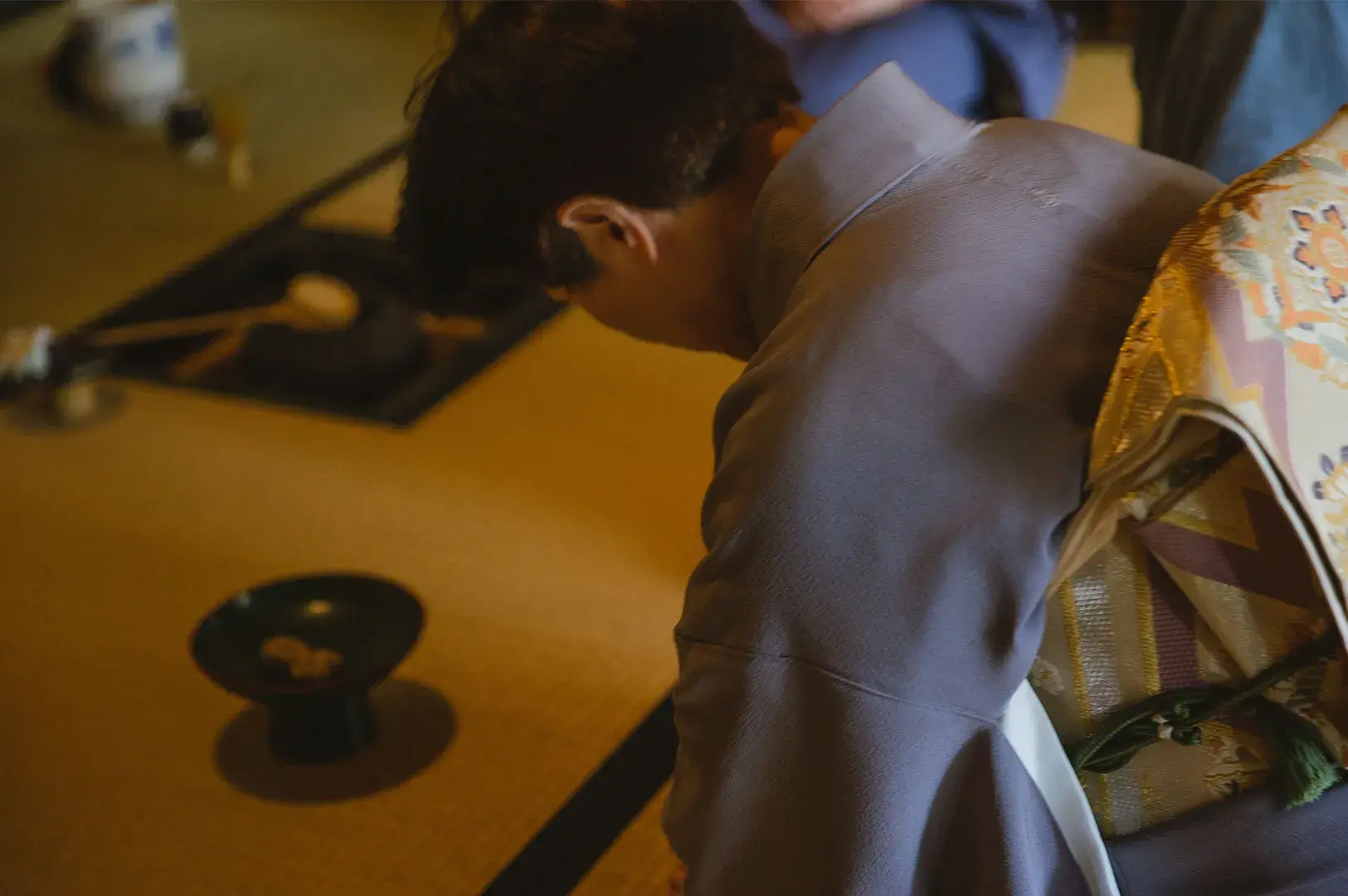
Tea ceremony etiquette can look like a long list of rules. It makes more sense when you see what each gesture is for.
- Remove your shoes and keep the room clean. Tatami is both floor and seat, so care for the space is care for everyone in it.
- Purify your hands at the stone basin, if there is one. It marks the shift from the outside world to the tea room.
- Look at the scroll and flowers. The host chose them for this day and season. Noticing them is part of being a guest.
- Turn the bowl before drinking. The front of the bowl is offered to you. Turning it away is a quiet way of not taking the best side for yourself.
- Thank the host and admire the bowl. Appreciation is the guest's half of the exchange.
- Wear modest, comfortable clothing. Formal attire is expected at formal occasions, but demonstrations for visitors usually do not require it.
Japan's tourism organization also offers some reassurance: minor slip-ups are overlooked. The point is sincerity, not a perfect performance.
Where Osaka Offers a Tea House Experience
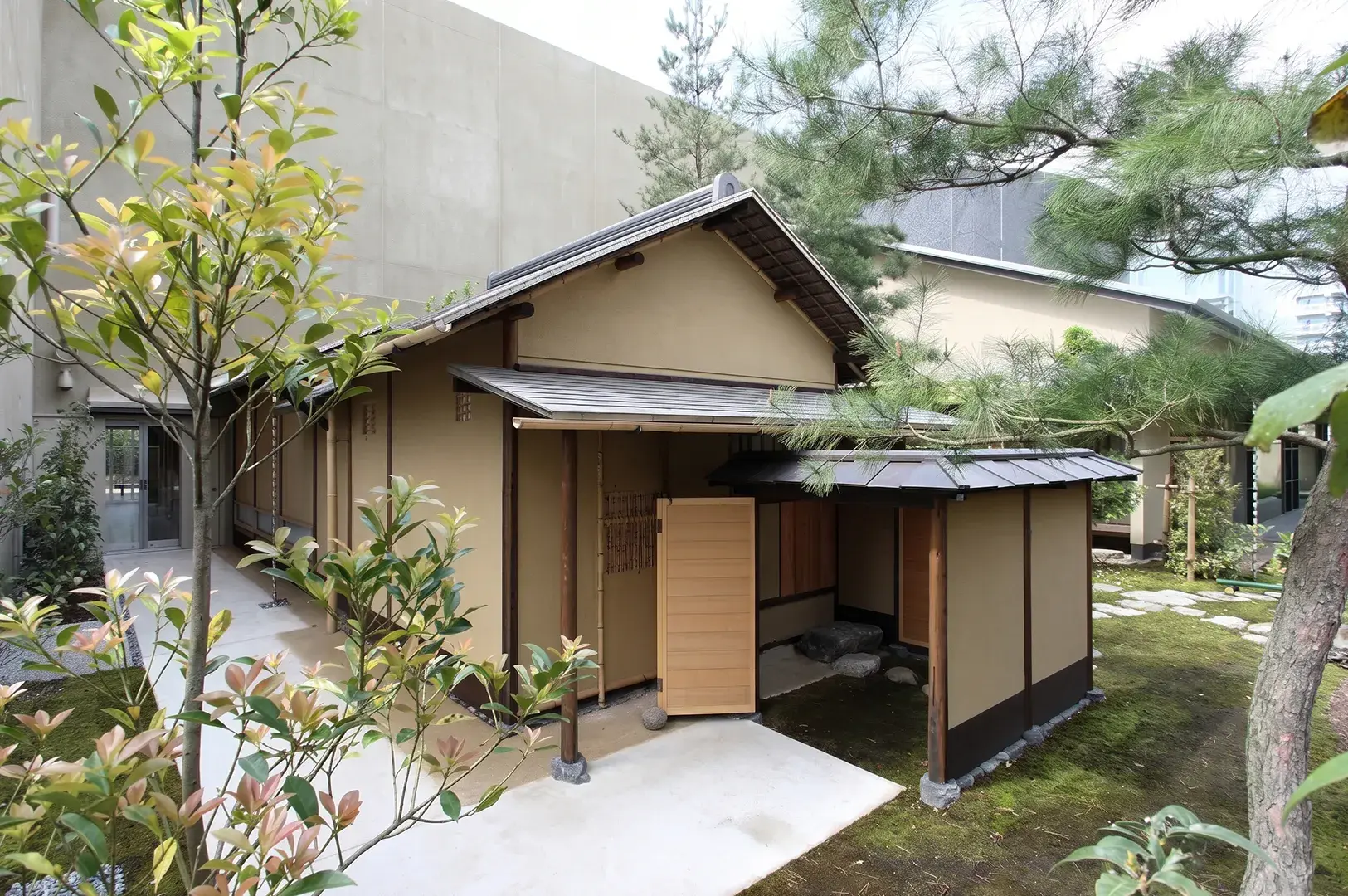
If you are listing things to do in Osaka, a tea sitting fits easily between museums and meals. The settings vary quite a bit, from a formal tea house to a short introduction to Japanese culture. Some visitors look for a tea ceremony near Osaka's Dotonbori or Osaka Doutonbori, while others make a dedicated trip to Sakai.
Sakai, Rikyu's hometown
The most direct link to Rikyu is Sakai Plaza of Rikyu and Akiko, at 2-1-1 Shukuin-cho Nishi, Sakai-ku. It opened in 2015 as a cultural tourism facility and houses the Sen no Rikyu Chanoyu Museum, alongside a museum dedicated to the poet Yosano Akiko.
Its tea experiences range from casual to more authentic sittings, including seated ryurei, with chairs designed for people who find kneeling difficult and for overseas visitors. The museums are open 9:00 to 18:00, closing on the third Tuesday of each month and over the New Year. Schedules for tea sessions change, so check before you go and book ahead.
Cultural centers, temples and Osaka Castle Park
Elsewhere in Osaka, tea experiences appear in cultural facilities, temples, gardens and some hotels. Cultural centers may offer short-term lessons in English, while gardens sometimes host demonstrations. Osaka Castle Park also hosts cultural events that can include a live demonstration of tea ceremony, though schedules change, so verify details before visiting.
Some visitors search for a tea ceremony instructor or a venue with a kimono-clad host, but offerings vary by location. Use the venue's current information rather than relying on an old reservation form or outdated listing. Google Maps can help with directions, but confirm the exact entrance and session location with the provider.
Traditional Japanese Tea Ceremony: History and Meaning
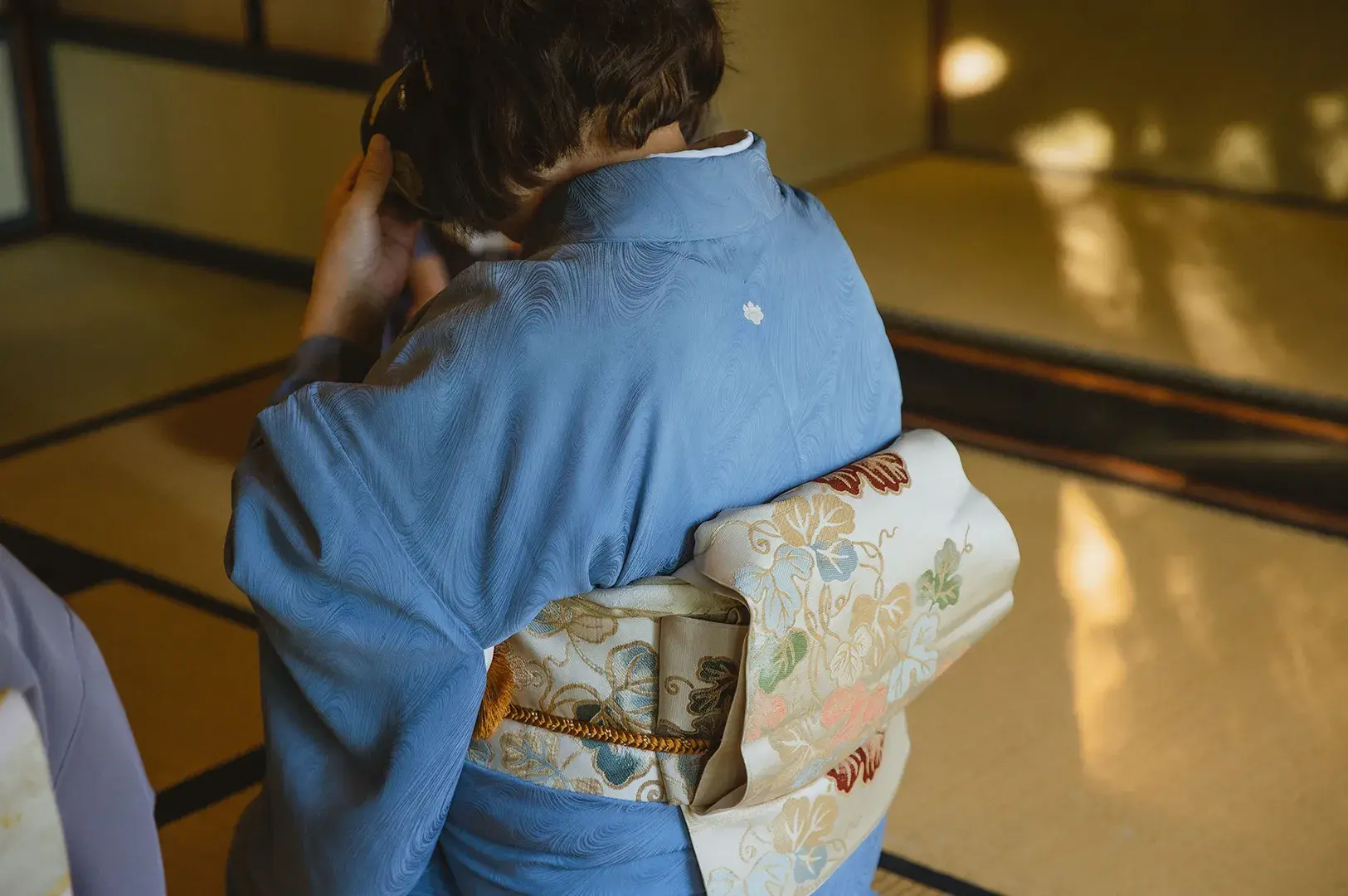
The history of the tea ceremony stretches back centuries. Tea was introduced to Japan by Buddhist monks, and the practice gradually developed into a refined art of hospitality. The history of the tea is therefore more than the story of a drink: it reflects Japanese culture, aesthetics and the influence of Zen philosophy.
A beautiful tea ceremony does not require visitors to know every rule in advance. Some experiences let you join a demonstration, learn basic etiquette and make your own matcha, using your own bowl or a bowl provided by the host. Ask what is included, how long the session lasts and whether the room has chair seating if that matters to you.
Planning a Cultural Experience in Osaka
There is no single format for every visitor. A shared plan can offer better prices than a private session, while a regular plan may suit a solo traveler or couple. Some providers set a maximum number of participants per session; check the current listing before booking. Fees and inclusions vary, so review the following fees, payment terms and cancellation policy directly with the venue. Do not assume a full refund is available unless the provider's current terms say so.
Experiences around Chuo Ward and central Osaka may have easy access from major stations, including areas near Dotonbori. Maikoya Osaka is one name travelers may encounter when searching for activities, but availability, location and services can change. Confirm all details with the operator before making plans. The same applies to special occasions: ask in advance about private bookings, group size and any accessibility needs.
What Stillness Is For in a City That Never Sits Still
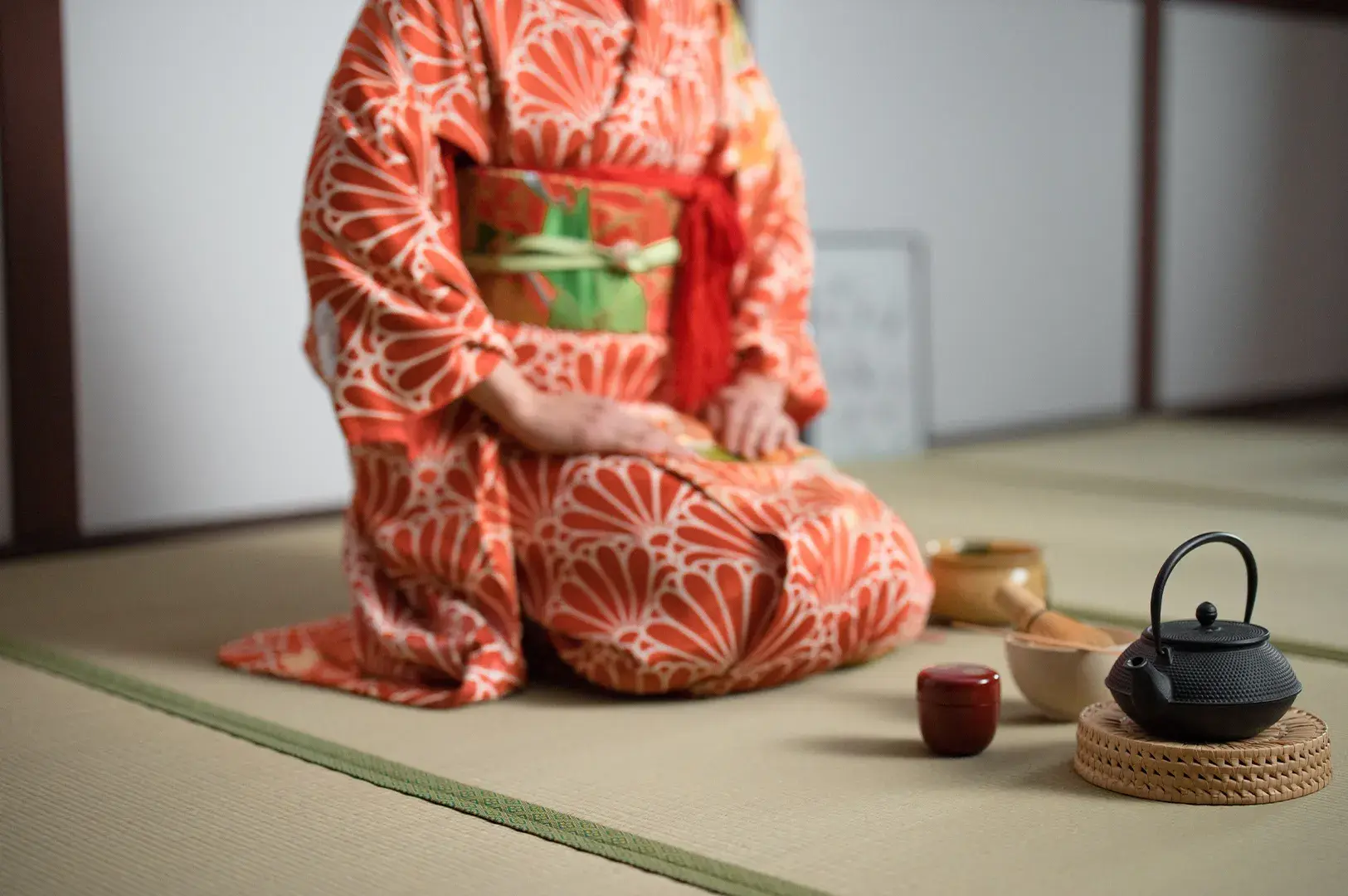
It would be easy to frame a tea ceremony as an escape from Osaka. A break from the noise.
But Rikyu was no hermit. Urasenke points out that he lived close to the political center of his era, serving as tea master to Oda Nobunaga and later Hideyoshi. His quiet tea existed alongside power, trade and ambition, not apart from them.
Maybe that is the real lesson for Osaka. Stillness does not need the world to be calm first. It can sit right in the middle of a busy one. Whether the room feels like a tranquil setting or a peaceful setting, the point is the care shared between host and guest.
For readers in Singapore, that may feel familiar. We also live in a place that moves quickly and eats well. A bowl of matcha prepared slowly, for one person, asks a simple question: what changes when you give one small thing your full attention?
A Great Experience Worth the Detour
Osaka will feed you, entertain you and keep you up late. It is worth letting it do all of that.
But if you are planning a trip, consider leaving one afternoon for Sakai, or for a tea room tucked somewhere quieter. Book a sitting, choose chair or tatami, and arrive without needing to get everything right. A tea ceremony can be an unforgettable experience, not because it is an elaborate performance, but because it gives you time to notice.
The neon will still be there when you step outside. You may simply see it differently.
If you enjoy Japanese food and tea, explore our guide to the best Japanese restaurants in Singapore for tea lovers to discover places worth visiting.

Matcha Hype Has Gone Too Far (But I Still Drink It)
I have a confession. I am slightly tired of seeing matcha everywhere. Not because I dislike matcha. In fact, I drink it quite often. But there is something amusing about watching a humble tea become the centre of every café menu, wellness conversation, and social media trend. Matcha has gone from a traditional Japanese tea…
-
Hortus Afternoon Tea Review: When the Garden Becomes the Occasion in the Flower Dome
I forgot, for a moment, that I was indoors at Hortus, the Mediterranean restaurant nestled within the Flower Dome at Gardens by the Bay. There were trees above me, real ones, and the air held that cool, green stillness you usually find early in the morning somewhere far from the city. A leaf drifted down…
-
The Real Reason Your Tea at Cafés Tastes Flat
There is a particular disappointment that comes with ordering tea at a café. You see the menu. You notice the carefully written descriptions. Perhaps there is a mention of fragrant jasmine, roasted oolong, or a carefully selected blend. The presentation arrives beautifully arranged, and for a moment, there is anticipation. Then you take the first…
-
Herbal Tea in Chinese: A Cup Shaped by Heat, Balance, and Belief
The first sip was bitter. I was maybe seven, and my grandmother had pressed a small ceramic cup into my hands, dark liquid inside, steam curling up between us. She didn’t explain. She just said, “Drink. You’ve been too heaty.“ I made a face. She didn’t smile. She just waited until I finished. Years later,…
-
Maybe Your Favourite Tea Is Not Your Best Tea
I have a tea sitting in my cupboard that I would never call my “best” tea. It is not the rarest. It is not the most expensive. It does not come with an impressive story about ancient tea trees, remote mountains, or a limited harvest. And yet, I drink it more often than almost anything…
-
Clipper Tea Review: Does the Packaging Match the Pour?
There’s a box of Clipper Tea that’s lived in my cupboard longer than most of my mugs. I didn’t plan to buy it. I was standing in the tea aisle, tired, half-decided on something familiar, when the colour caught me. Bright, cheerful, a little hand-drawn looking. So I brought it home. And I’ve been drinking…
-
Hear Me Out, Tea Does Not Need to Be Serious All the Time
There is something I have noticed about tea culture. We take tea very seriously. Perhaps too seriously. We discuss origins, processing methods, brewing temperatures, and the history behind every leaf. We debate whether a tea should be enjoyed in a certain way. We carefully consider the correct vessel, the right water, and the ideal environment….
-
Red Bush Tea: The Tea That Does Not Need to Shout
There is a red pot in my mother’s kitchen that only comes out in the evening. By then the coffee has done its work and gone quiet. The day has loosened. She fills the kettle, drops in a spoonful of something the colour of dried autumn, and lets it sit while she tidies the last…
-
Hear Me Out: High Tea Is Overrated
Hear me out: high tea is one of the most convincing ways we have found to make snacking feel important. I understand the appeal. The room is polished, the cups are delicate, and everything arrives in miniature. There is something satisfying about sitting down in the middle of the afternoon and behaving as though time…
-
Where Tea Is Given Time to Speak: Anteasocial Review
I almost walked past it. Owen Road Singapore doesn’t announce much. A quiet stretch, low buildings, the kind of road you pass through on the way to somewhere louder. Then there it was, unassuming, just numbers on a wall: 117. Anteasocial is a contemporary Oriental specialty teahouse in Singapore, and if you’re looking for a…