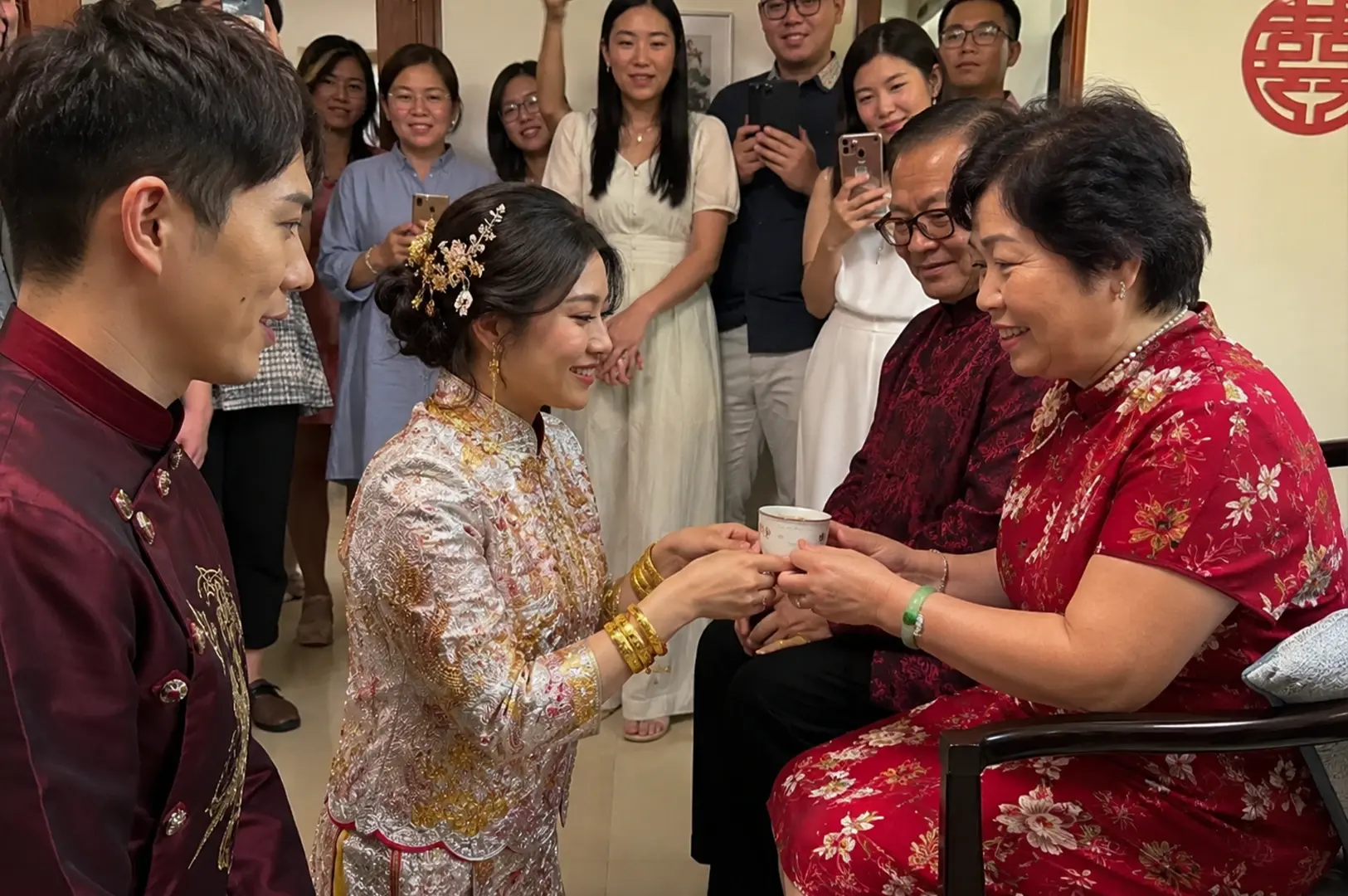
I still remember the morning of my older sister’s wedding day. We were packed into my parents' flat, and the sticky humidity in the air was intense, even with the air conditioning running on full blast. Amidst the loud laughter and the fun of the morning gatecrash, everything suddenly slowed down.
I watched her kneel in her heavy, traditional dress, her hands trembling slightly as she prepared to offer tea to our grandmother. The room fell completely silent. Our grandmother took the cup, smiled warmly at her granddaughter, and slipped a red packet containing family gifts into her hands with a quiet blessing.
That was the exact moment I realized this ritual is not just an obligatory photo opportunity. It is a profound emotional anchor. In our fast-paced world, where marriages often feel like massive, heavily produced events, this quiet break forces everyone to stop and acknowledge the joining of two families. If you are preparing for your own journey and feeling overwhelmed, take a breath. In my experience, it is entirely possible to honor this beautiful tradition without losing your mind.
Wedding Tea Ceremony Singapore
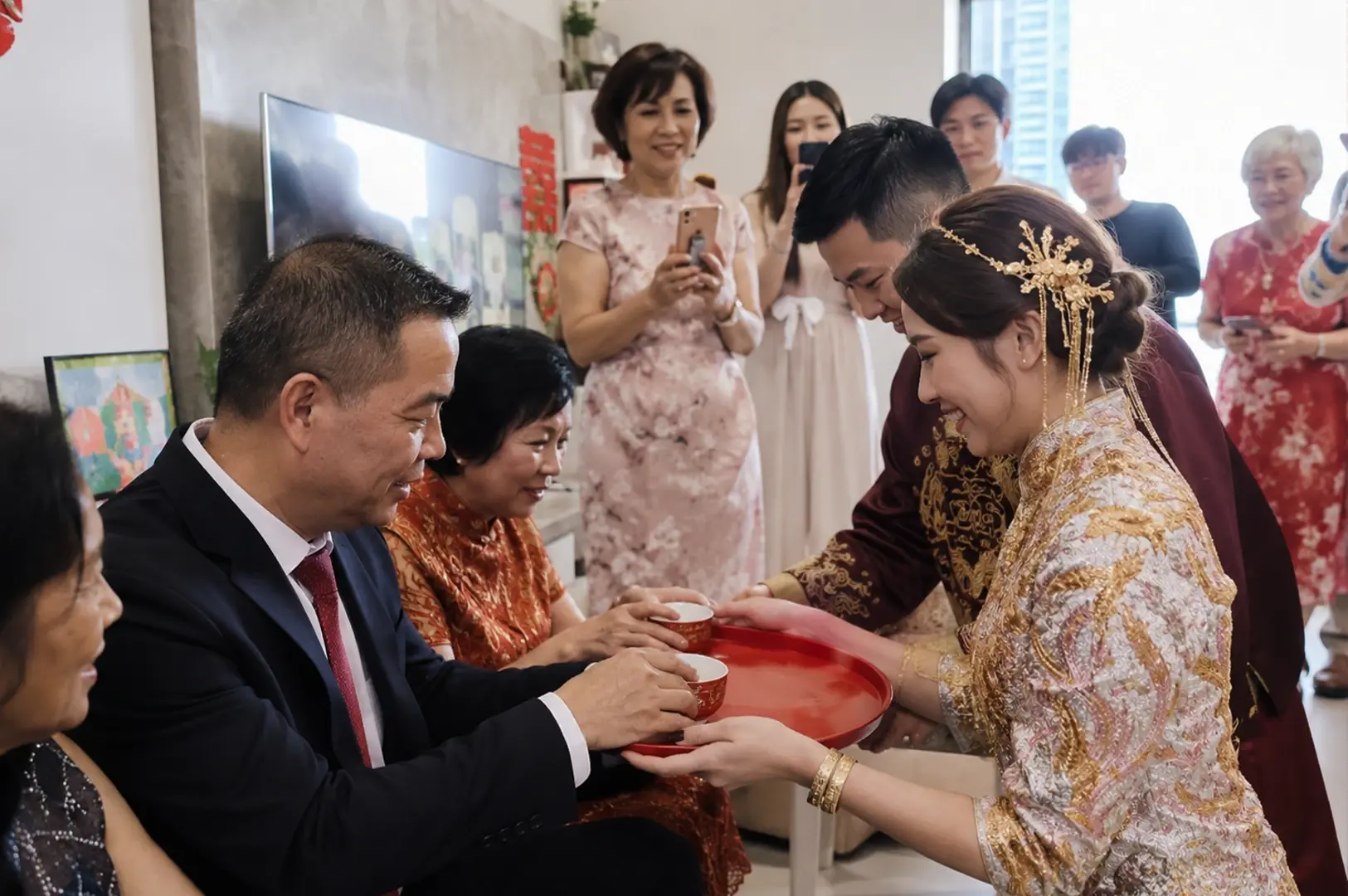
At its core, the Chinese wedding tea ceremony is a symbolic act of deep respect and family unity. It marks the formal introduction of the bride and groom to their new extended families. Historically, it was the specific moment a bride was officially accepted into the groom's household, often tied to the giving of the bride price and other ancestral customs.
Today, in modern Singapore, the tradition has evolved beautifully. We now use it to show gratitude to both sets of parents for raising us. While your evening banquet might celebrate the newlyweds with hundreds of guests, colleagues, and friends, this morning ritual remains fiercely intimate.
It acts as a quiet, profound bridge between generations. Whether your family has lived here for generations or you are blending many cultures into one celebration, the act of serving tea transcends language. It is a universal sign of respect and the true beginning of your life as a happily married couple.
What may look like a simple ritual is actually guided by traditions rooted in the tea ceremony and its long-established practices of etiquette and presence.
Tea Leaves and Symbolic Ingredients
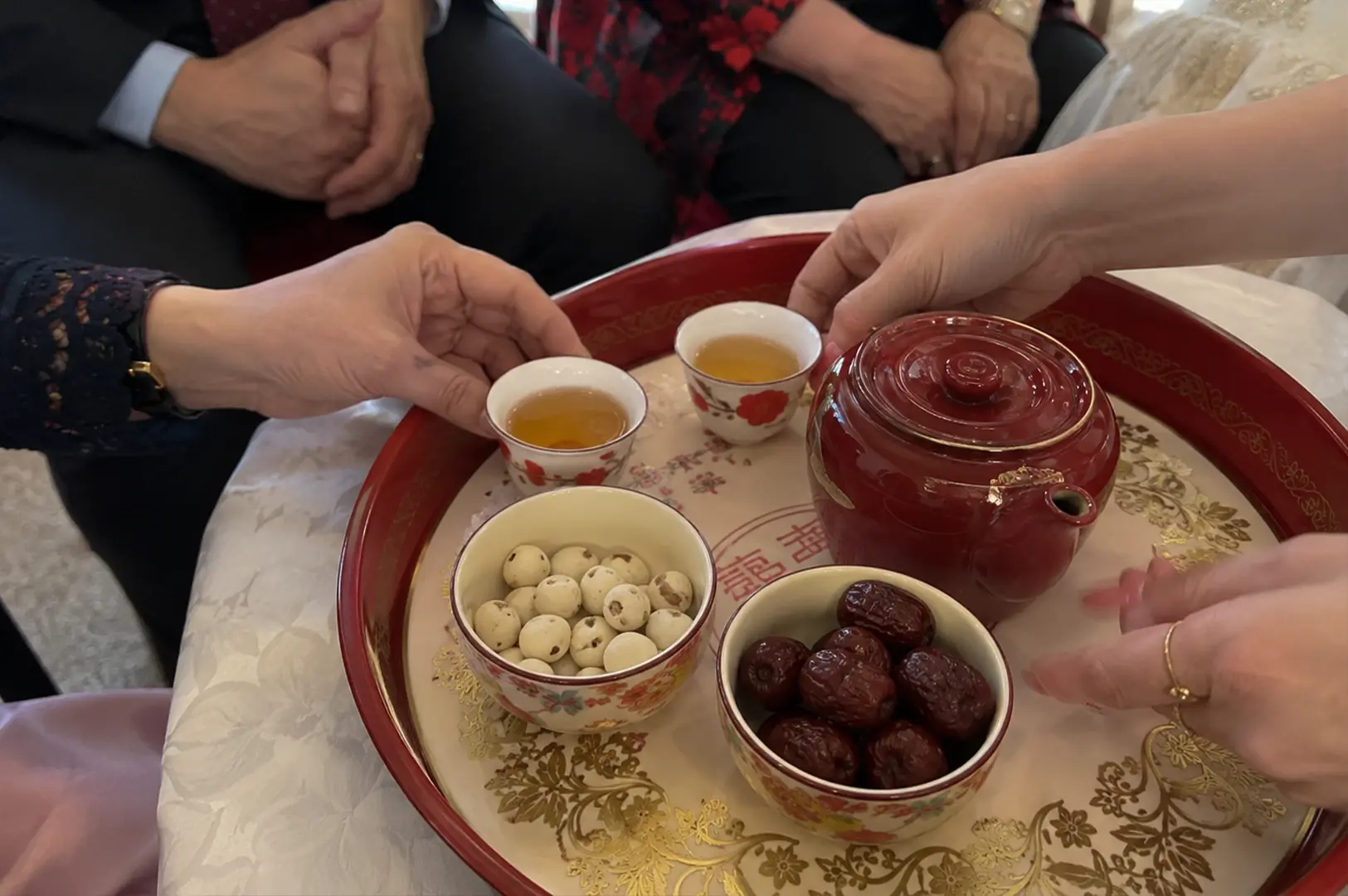
The ceremony revolves around a few specific items, and none of them are chosen simply for their beauty. The style and freshness of your ingredients matter deeply.
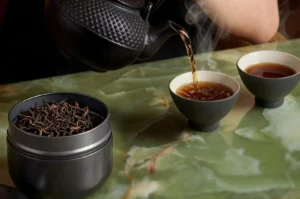
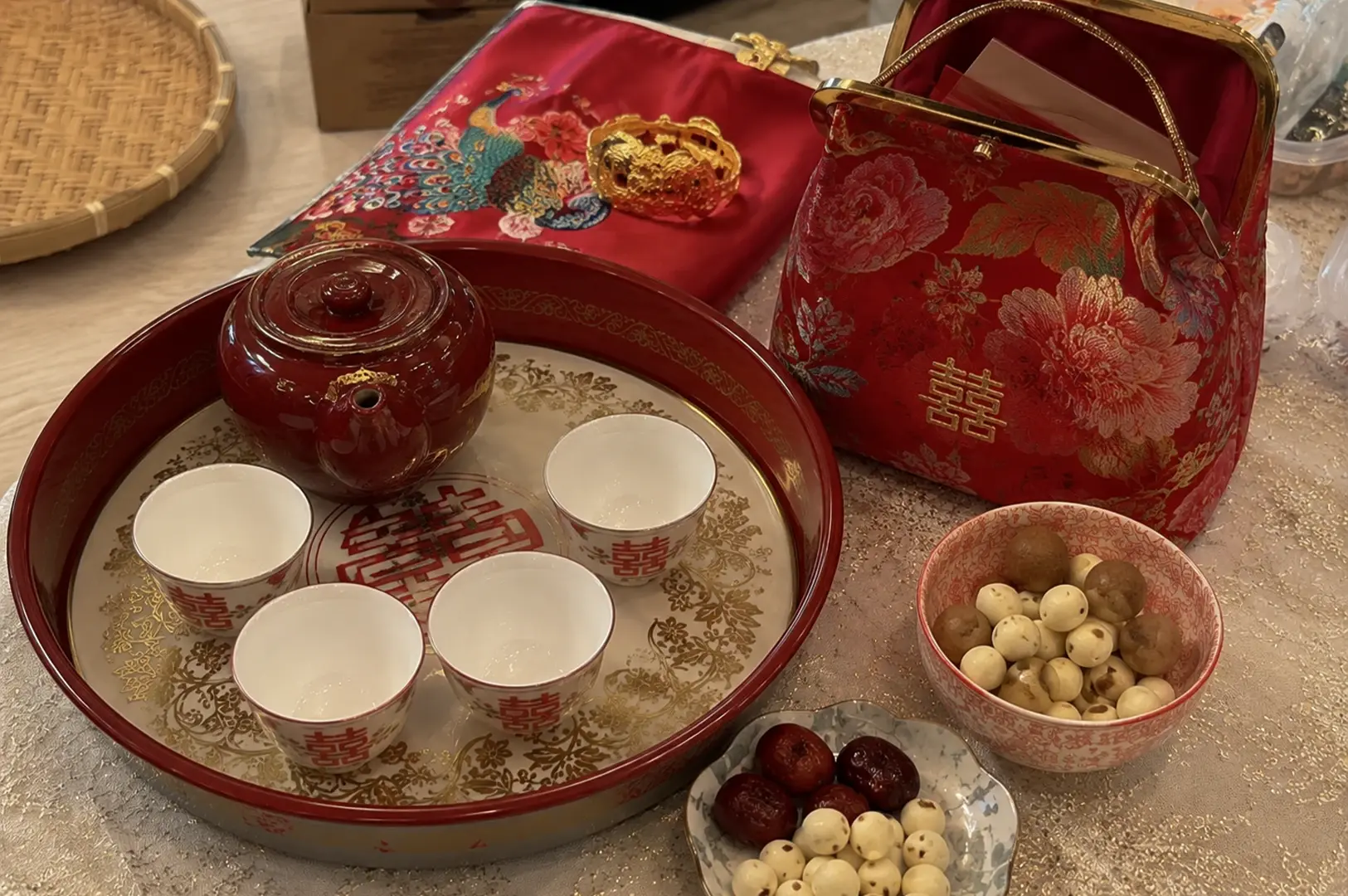
You will need a proper tea set, which is usually gifted by the bride's family and proudly displayed on a serving tray. When it comes to the brew itself, we almost never use plain oolong, green tea, or bitter infusions. Instead, we serve a sweet combination brewed with red dates, dried longan, and lotus seeds. Sometimes, subtle herbs or light florals are added to the infusion to enhance the aroma.
When you take a sip, the taste is distinctly sweet and rich. These specific fruits and ingredients carry heavy symbolism, representing fertility, harmony, and the promise of a sweet marriage. The tea is carefully prepared in quality teapots and served in tiny, handle-less teacups.
The serving order is another crucial element you must get right. Traditionally, you serve the groom’s family first, starting with the grandparents, then the father and mother, followed by older uncles and aunts. You always serve strictly by seniority.
The Wedding Ceremony: Answering Your Biggest Fears
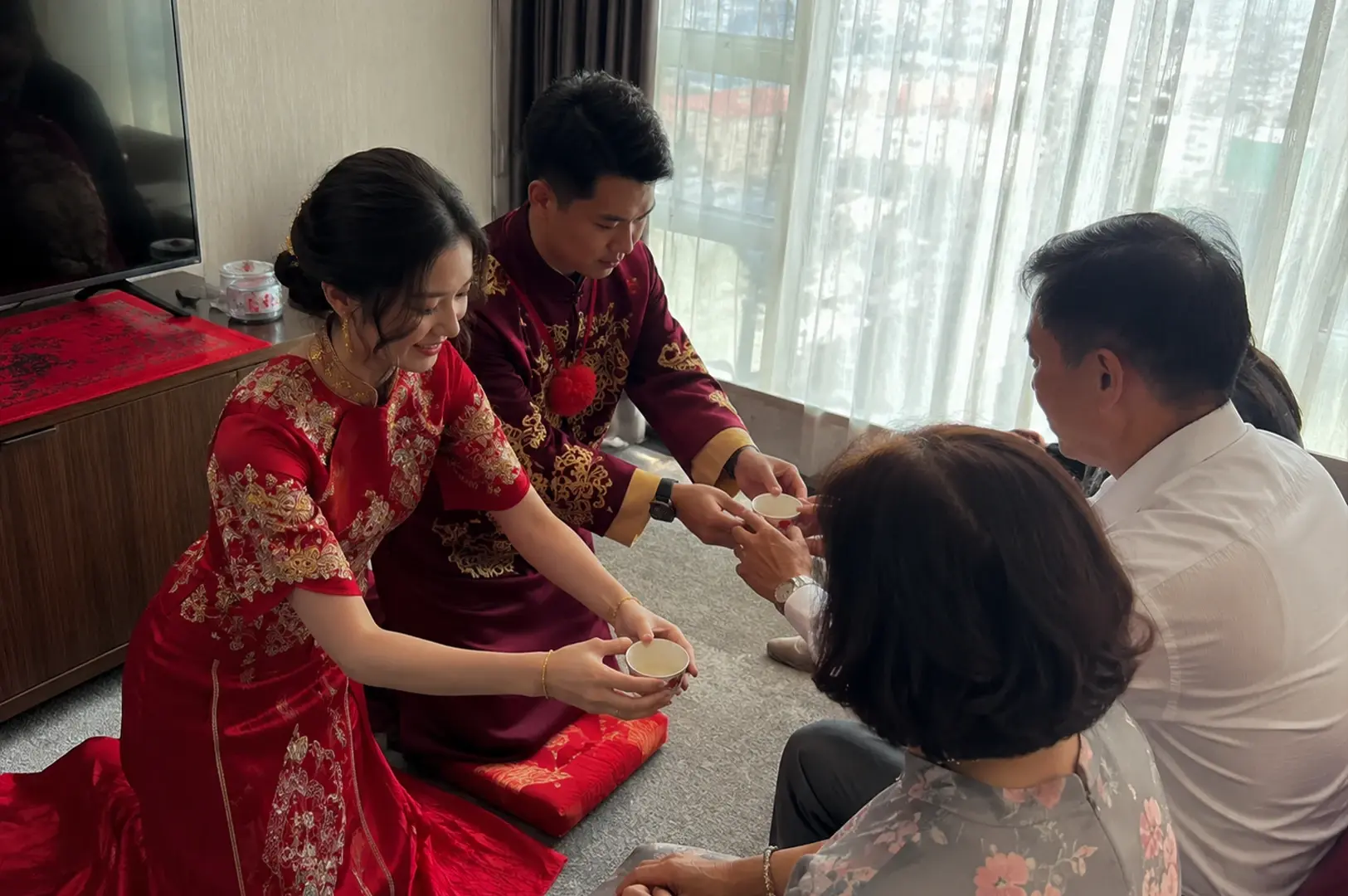
When couples ask me for advice, the same few fears always pop up. Here is the honest truth about making the wedding ceremony work smoothly.
Do we really need to kneel?
Not necessarily. Traditionally, couples kneel on red cushions to show maximum respect to their parents. However, I have found that many modern families are incredibly flexible. If your grandparents have mobility issues, or if the bride is wearing a restrictive dress, sitting on chairs or offering a deep bow is perfectly acceptable. Talk to your family beforehand to set realistic expectations.
What if my partner is not Chinese?
Intercultural weddings are incredibly common in Singapore, and this occasion is a wonderful way to share your heritage. I suggest keeping the ritual brief and perhaps printing small cards with English explanations of what the tea represents. In my experience, non-Chinese in-laws absolutely love the gesture of being served tea, provided someone gently guides them through the steps.
Serving the tea boiling hot
This sounds trivial, but it happens constantly. You pour fresh boiling water from a thermos, hand the tiny ceramic cup to an elderly aunt, and she burns her fingers. Always let the brewed tea cool slightly so it is just pleasantly warm by the time you pour it.
Practical Tips for Your Wedding Venue
Organization is the secret to a stress-free morning. Moving between multiple locations can exhaust you before the night even begins. Here is what I highly suggest to keep things running smoothly.
Host it at a central location
The classic schedule involves the groom fetching the bride, holding a ceremony at her home, rushing across the island to his home, and then scrambling to the hotel for a banquet. Many couples now choose to host a combined tea ceremony at their primary wedding venue. Renting a day-use room or using a hotel suite makes logistics infinitely easier and provides a comfortable, air-conditioned escape for your elderly guests.
Assign a Tea Ceremony Captain
You cannot pour tea, manage your dress, and coordinate your uncles all at once. Assign a vocal, organized person—usually one of your bridesmaids—to be your captain. Their sole job is to call out names, usher the right elders to the chairs, and handle the tea refills. This dramatically reduces the chaos in the room.
Prepare your tools the night before
Create a designated bag for your essential items. It should include your teapots, extra teacups, a thermos for warm water, and paper towels for inevitable spills. You should also bring a beautifully designed bag or pouch to safely hold the red packets and gold jewelry you receive.
A Simple Cup of Tea: Why This Tradition Matters
It is incredibly easy to view the tea ceremony as an outdated chore that disrupts your schedule. I completely understand the temptation to rush through it so you can get to the rest of the celebrations. But I encourage you to see it differently.
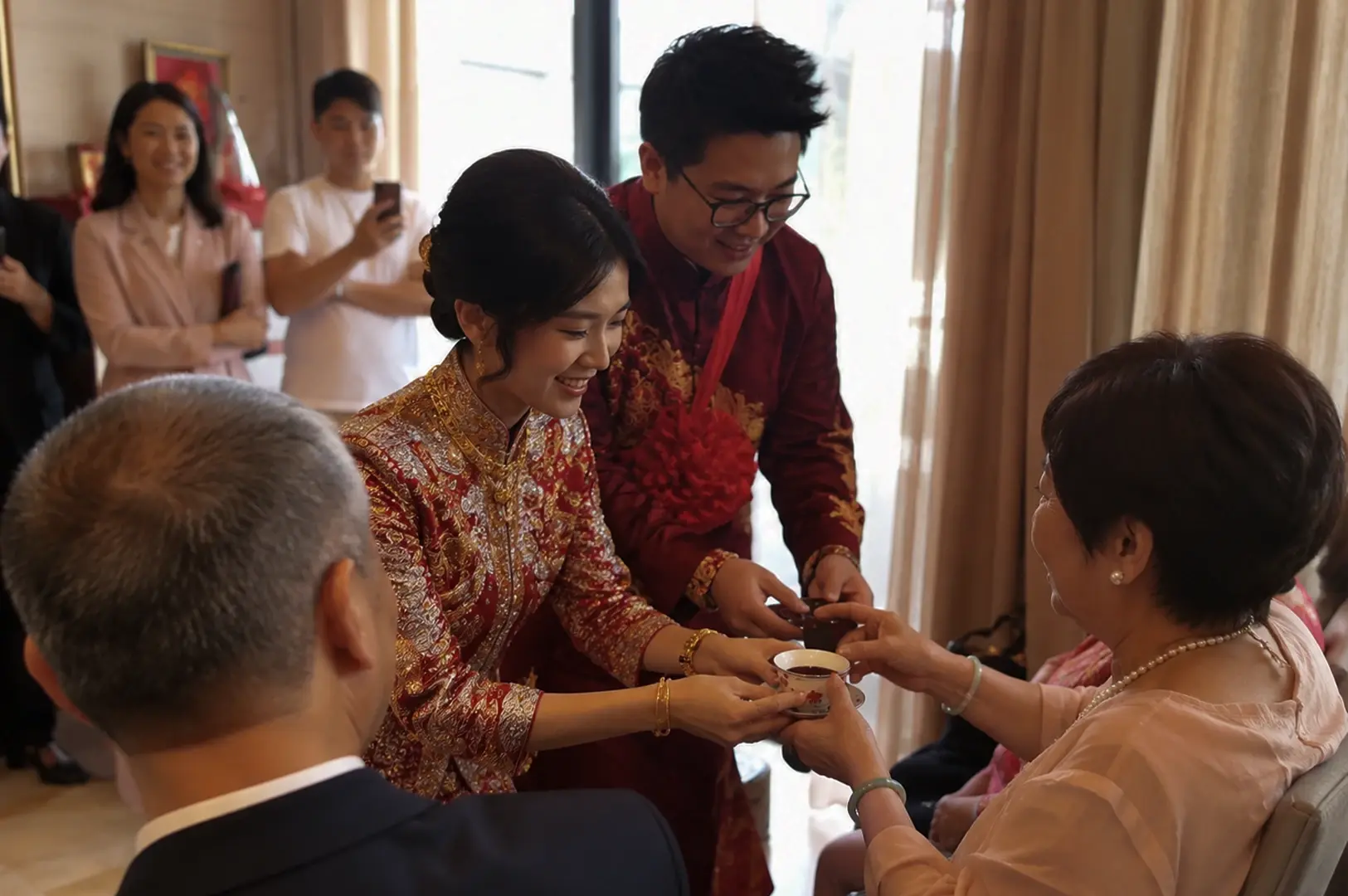
This ceremony is often the only time your entire extended family will be gathered in one room solely to wish you well. When you hand that cup of tea to your parents, you are acknowledging decades of their sacrifice and care. When they hand you a gift in return, they are formally acknowledging your transition into adulthood.
The most successful ceremonies I have witnessed are never the flawless, highly rigid ones. They are the ones where someone mispronounces a title, where a bit of tea spills on the tray, and where everyone simply laughs it off. Do not get hung up on creating a perfect, cinematic moment. Prepare your tools, rely on your bridesmaids, and let go of the stress. Hold the cup with both hands, look your family in the eye, and simply enjoy the warmth of the tradition.

Wellness Tea Is a Scam, but Tea Can Still Be Good for You
There is a strange contradiction in the way we talk about tea today. For centuries, tea was appreciated for its taste, its rituals, and the moments it created. Today, it is often sold as something else entirely. A solution. A promise. A shortcut. The language surrounding wellness tea has become increasingly familiar. Detox tea. Cleansing…
-
Camellia Tea: A Blossom, A Leaf, A Legacy Rooted in Camellia Sinensis
My grandmother kept her camellia tea in a battered tin that had once held biscuits. She never called it anything fancy. It was just cha, brewed strong in the mornings using fresh tea leaves from the tea plant, poured into small cups that had lost their matching saucers years ago. I didn’t know then that…
-
Why “Caffeine-Free Tea” Marketing Should Be Regulated (Seriously)
Hear me out: we have become far too comfortable with the phrase “caffeine-free tea.” It appears on beautiful packaging, wellness websites, and café menus with the confidence of a health guarantee. The words suggest calm evenings, better sleep, and a gentler relationship with what we drink. But there is a problem. The phrase sounds clearer…
-
The Forgotten Luxury of Sitting Still at Japanese Tea House
You stoop to enter the traditional japanese tea house. That is the first thing the tea house asks of you, before the tea, before the talk, before anything at all. The doorway is low, deliberately so, and even the tall must bow to pass through it. In that small act of folding the body, something…
-
Stop Calling It “Premium”: Why Most Luxury Tea Branding Is Empty
There is a word I have become increasingly cautious of in the tea world. Premium. It appears everywhere. Premium leaves. Premium harvests. Premium collections. Premium experiences. The word sounds reassuring. It suggests care, quality, and something worth paying attention to. But after seeing it attached to almost everything, I sometimes wonder whether it has started…
-
Pryce Tea: A Modern Pour with Old Tea-Room Ambitions
I visited on a weekday afternoon, around three, when the city had quieted into that particular lull between lunch and the evening rush. I’d been curious about Pryce Tea for a while, mostly because the brand keeps surfacing among people who talk about teas the way some people talk about wine. With a reputation built…
-
The Seasons in a Tin: How Weather Shapes What I Reach For
I have a small habit that I never really noticed until recently. The weather changes, and somehow, so does the tea I want. On a hot afternoon, I find myself reaching for something light and floral. When rain settles over the windows, I want something darker, warmer, perhaps a little more comforting. On those rare…
-
Ginger Lily Afternoon Tea on Orchard Road: A Floral Chapter in Singapore’s Culinary Story
I noticed the ginger lily flowers before I noticed anything else. Not real ones, exactly. A wall of them, suspended in resin, catching the light as I stepped off the lift on Level 5 at Hilton Singapore Orchard, home to Ginger Lily, a floral-themed afternoon tea lounge on Orchard Road. I stood there a second…
-
Minimalism, But Make It Warm: A Simpler Way to Drink Better Tea
There is a certain irony about tea. The more we learn about it, the easier it becomes to complicate it. A simple cup of leaves and water slowly becomes surrounded by equipment, measurements, techniques, and expectations. We begin collecting teapots, comparing brewing methods, and searching for the perfect setup. None of these things are wrong….
-
A Humble Cup in an Age of Overdesigned Drinks: iTea Review
The bubble tea I queued for last month came with a caramelized brûlée top I had to crack with the back of my spoon. It was fine. Pretty, even. But somewhere between the torched sugar and the cheese foam and the third topping I didn’t ask for, I lost the drink itself. So I went…