
Introduction
Among the many tea types that have emerged from centuries of tea cultivation, white tea often stands apart for its quiet character. It is light in colour, gentle in aroma, and remarkably simple in its making. Yet behind this softness lies a long tradition of craftsmanship that has shaped some of the most refined Chinese teas.
Like all true teas, white tea comes from the Camellia sinensis plant. The same tea plant also produces green tea, black tea, and oolong. What distinguishes white tea is not the plant itself, but the way the tea leaves are handled after harvest.
The production process of white tea is intentionally restrained. Tea makers allow the leaves to wither and dry with minimal interference. Because the leaves undergo minimal oxidation, the final tea retains a delicate flavour that reflects the natural character of the leaf.
Most Chinese white tea originates from Fujian Province, a region known for producing some of the best quality teas in China. Over time, white tea has become valued not for intensity but for subtlety. In a well prepared cup, its sweetness appears slowly, carried by soft floral notes and a lingering aroma.
Understanding how white tea is produced and the types of white tea that exist helps reveal why it remains one of the most respected teas in the world.
What Is White Tea
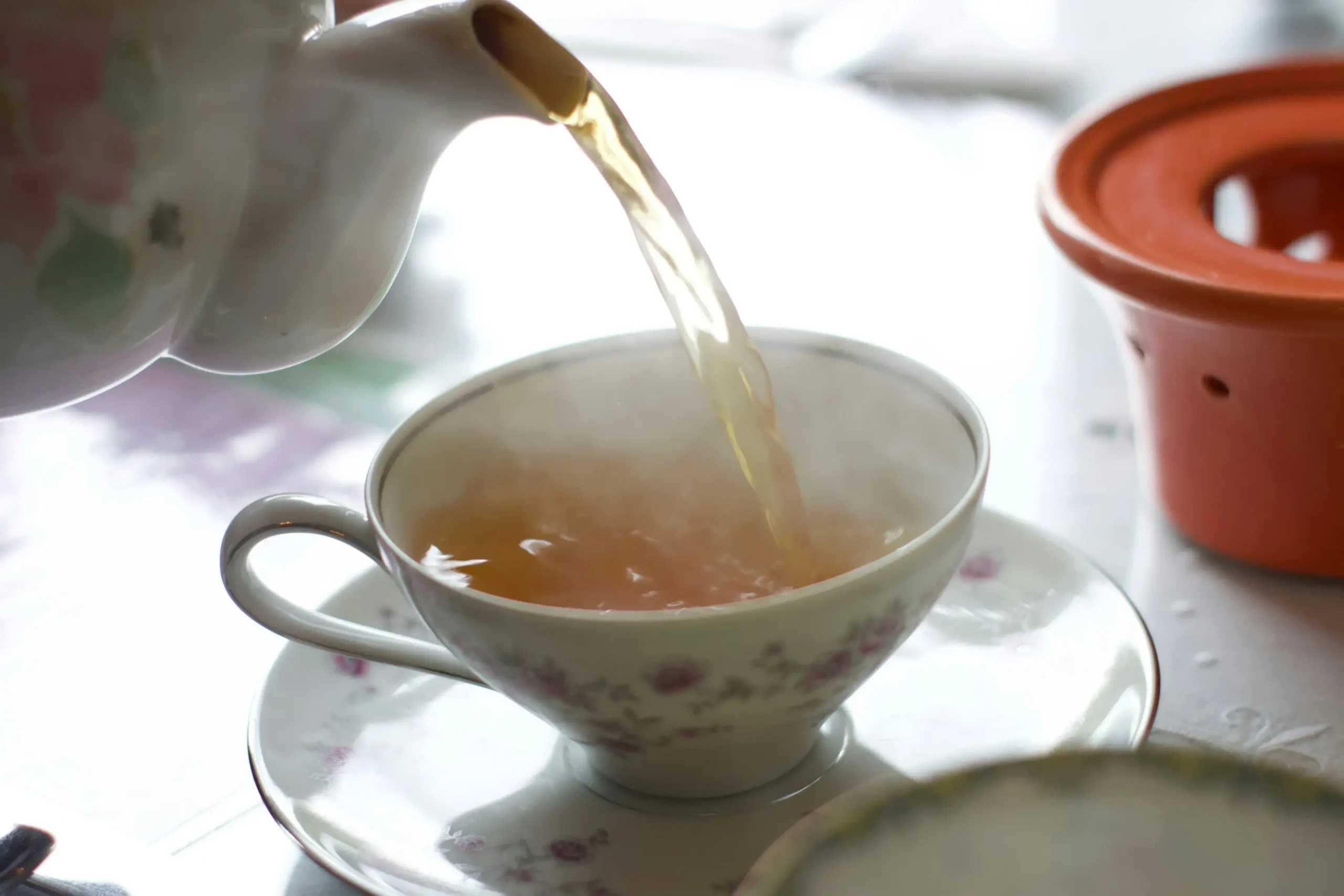
White tea is often described as the least processed of all traditional teas.
Unlike green tea, which is heated to stop oxidation, or black tea, which undergoes full oxidation, white tea follows a much gentler path. Freshly harvested young tea leaves and young buds are simply allowed to wither and dry.
This simple process allows the natural qualities of the leaf to remain intact.
Many white teas are made from unopened buds that are covered with fine white hairs. These small silver hairs are what give the tea its name. When brewed, the tea produces a pale golden liquor with a soft fragrance.
Common characteristics of white tea include:
- minimal oxidation
- delicate sweetness
- light floral aroma
- smooth texture in the cup
Because the leaves are handled so lightly, white tea preserves the original character of the tea plant more than most other tea types.
Chinese White Tea and Its Origins
The story of Chinese white tea is closely connected to Fujian Province in China.
Areas such as Fuding County have long been known for producing excellent white tea. The region’s climate, soil, and tea plant varieties allow the buds to develop slowly during the early spring season.
Two important tea plant varieties are widely used:
- Da Bai
- Da Hao
These tea bushes produce large buds with the fine white hairs that are essential for producing high grade white tea.
Historical records suggest that early forms of white tea were already appreciated during the Song Dynasty. At the time, refined teas were sometimes offered as tribute tea to the imperial court.
Today, while white tea is also produced in other countries and other regions, the traditional style from Fujian continues to represent the standard for quality.
How White Tea Is Made
Understanding white tea production reveals why the tea feels so gentle in flavour.
The white tea manufacture process generally follows three key stages.
First Phase: Solar Withering
The first phase is known as solar withering.
Freshly harvested buds and young leaves are spread out in thin layers and exposed to soft sunlight. During this stage the leaves begin to lose moisture while subtle enzymatic changes occur.
The warmth of the sun allows the leaf to soften naturally without heavy processing.
This stage contributes greatly to the delicate aroma found in good quality white tea.
Second Stage: Natural Drying
After withering, the leaves are moved to shaded areas where solar drying continues under careful supervision.
The aim is to gradually reduce the moisture content while keeping the structure of the leaf intact. Unlike other tea types, the leaves are not rolled or aggressively heated.
Because of this restrained method, the leaves often appear almost unchanged after drying.
Final Phase: Stabilising the Tea
The final phase of white tea processing ensures that the leaves are fully dried and stable for storage.
At this point the tea is considered supposedly dried, meaning it has reached the appropriate dryness to preserve its aroma and flavour.
The tea is then sorted and packed as loose leaf tea, ready for distribution.
Popular Types of White Tea
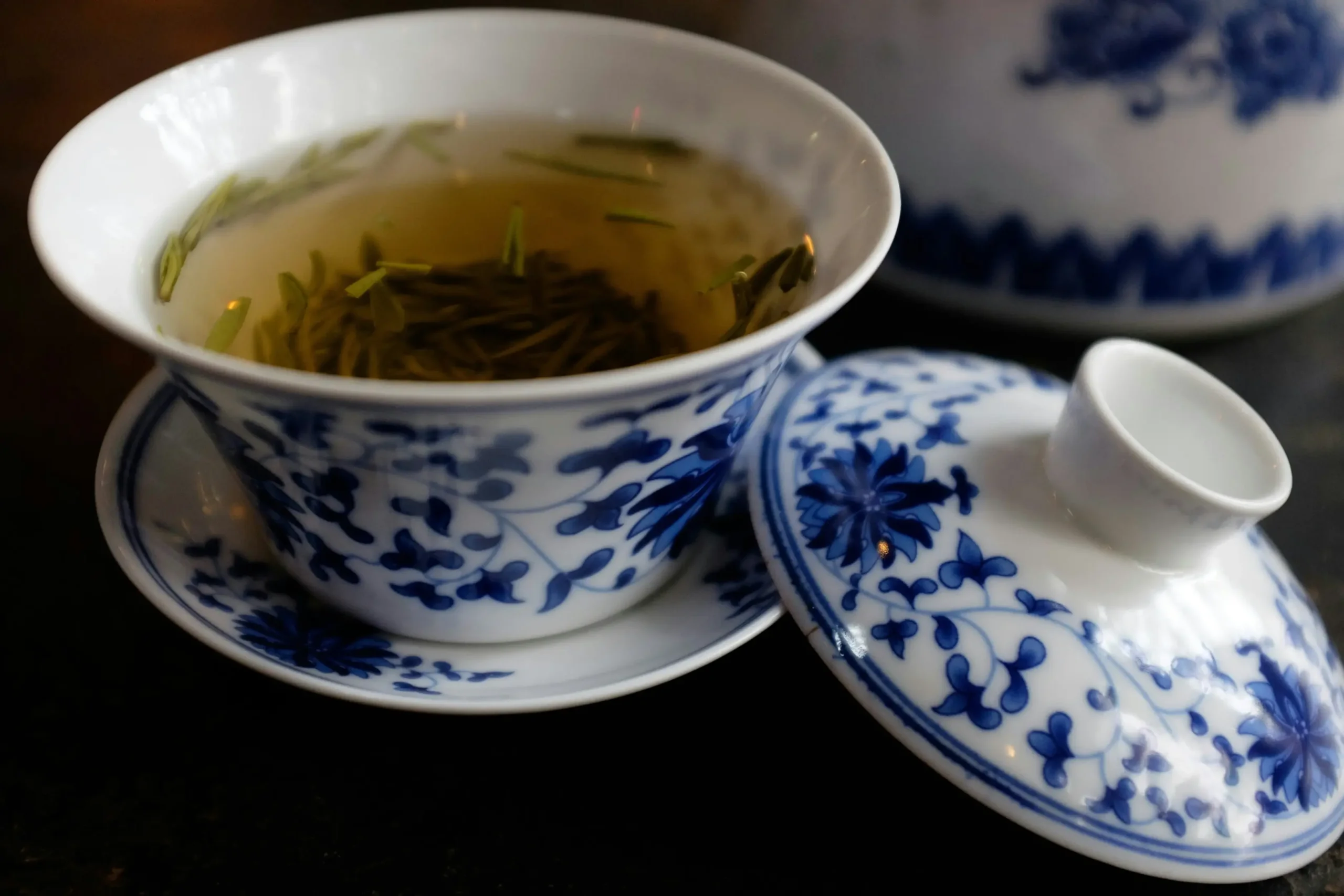
Several popular types of white tea are widely recognised among tea drinkers.
Each type differs slightly depending on the balance of buds and leaves used.
Silver Needle
Silver Needle tea, known in Chinese as Bai Hao Yin Zhen, is often considered the highest quality white tea.
It is made entirely from young buds, harvested before they open. Because of this careful selection, the tea produces a very smooth and delicate flavour.
The aroma is soft and sweet, with a light floral cha Bai Mu Dan.racter.
White Peony
Another respected tea is White Peony, or Bai Mu Dan.
This tea combines buds with young leaves. The result is a fuller body compared with Silver Needle while still maintaining the gentle character of white tea.
Many tea drinkers find White Peony slightly richer while remaining soft and balanced.
Other Types of White Tea
Additional varieties include:
- Shou Mei
- Gong Mei
- Tribute Eyebrow
- Yue Guan Bai
- Ya Bao
These teas often include more mature leaves and produce deeper flavours while still retaining the smooth nature of white tea.
Caffeine Content in White Tea
Many people wonder about the caffeine content of white tea.
In general, white tea tends to contain less caffeine than many green or black teas. However, the exact amount depends on several many factors, including:
- the age of the leaf or bud
- brewing temperature
- steeping time
- tea plant variety
Teas made primarily from buds, such as Silver Needle, can sometimes contain slightly higher caffeine because the buds store concentrated nutrients.
Even so, white tea remains one of the gentler teas in terms of stimulation.
Preparing White Tea
Preparing white tea requires a lighter approach than brewing stronger teas.
Because the leaves are delicate, very hot water can overwhelm their subtle flavour.
A simple method for preparing white tea includes:
- Use fresh loose leaf white tea.
- Heat water to moderate low temperatures.
- Pour water gently over the leaves.
- Allow the tea to steep for two to three minutes.
Many white teas can produce multiple infusions, revealing slightly different aromas with each brewing.
Storing White Tea
Properly storing white tea helps preserve its delicate aroma.
Tea should be protected from moisture, heat, and strong smells.
Good storage practices include:
- placing tea in an airtight container
- keeping it away from sunlight
- storing it in a cool, dry place
When handled carefully, good quality white tea can maintain its character for a long time.
A Quiet Expression of Tea Craft
Among the many tea types produced from the Camellia sinensis plant, white tea remains one of the most understated.
Its production process relies on patience rather than intervention. The sun, the air, and careful observation guide the transformation of leaf into tea.
In the cup, white tea does not shout for attention. Instead it offers a gentle sweetness, a delicate aroma, and a reminder that sometimes the most refined flavours come from the simplest approach to tea.
A Tea Lover’s Guide to the Best Japanese Restaurant Singapore Dining Experiences
Searching for the best Japanese restaurant Singapore offers usually leads people toward sushi counters, omakase menus, or beautifully plated sashimi. Those elements certainly define much of the appeal of Japanese cuisine, but anyone who has spent time dining in Japan knows that the experience rarely ends with the food alone. Tea quietly accompanies the meal….

Why Tea Conversations Always Last Longer Than Expected
There is a small pattern I have started to notice about tea. Whenever tea is involved, conversations tend to last longer than planned. Someone says they will only stay for a short while. A kettle is placed on the stove. Tea is poured into a few cups, and suddenly the conversation begins to stretch in…
White Tea: The Most Delicate Expression of Chinese Tea
Introduction Among the many tea types that have emerged from centuries of tea cultivation, white tea often stands apart for its quiet character. It is light in colour, gentle in aroma, and remarkably simple in its making. Yet behind this softness lies a long tradition of craftsmanship that has shaped some of the most refined…
The Quiet Discipline of Brewing Tea
There is a quiet discipline that lives inside the act of brewing tea. It is not something that announces itself loudly. There are no strict rules written on the wall, no visible signs that something significant is taking place. From the outside, the process appears simple enough. Water is heated. Leaves are placed into a…
Understanding the Six Types of Chinese Tea and What Makes Each Unique
Introduction Across centuries of Chinese culture, tea has held a place of quiet importance. It appears in homes, markets, and tea houses across China, where the simple act of sharing a cup reflects patience, hospitality, and tradition. For many people, Chinese tea is not only a beverage. It is a moment of reflection and a…

Stepping Into a Tea Shop Singapore: A World of Leaves, Craft, and Calm
Introduction A good tea shop Singapore offers is not simply a place to buy tea. It is a place where flavour, craft, and tradition meet. In a city known for speed and convenience, a proper tea house offers something different. It invites people to slow down, pay attention, and actually taste what is in their…
When Tea Becomes Too Beautiful to Drink
I recently saw a photograph of a tea session online that looked almost too perfect. The teapot sat neatly on a polished tray. The cups were aligned in a way that suggested someone had carefully adjusted them, perhaps more than once. A small branch of flowers leaned gently toward the tea set as if it…
How Tea in Singapore Traveled From Colonial Tables to Modern Teahouses
Tea in Singapore moves quietly through the day, carrying within its steam the gentle convergence of traditions that have found their way to this island over generations. In the soft morning light of hawker centers, the rhythmic pour of teh tarik creates small moments of pause, while afternoon finds its way into tranquil tea rooms…

Are We Drinking Tea or Just Collecting It?
There was a time when buying tea meant something simple. You chose a tea you liked, brought it home, and brewed it. The leaves were meant for hot water, not long-term storage. Yet something has quietly changed. Today it is not unusual to meet tea drinkers with shelves filled with sealed cakes, tins, and packets…
The Soul of Tea: Unveiling the Beauty of Traditional Tea Ceremonies
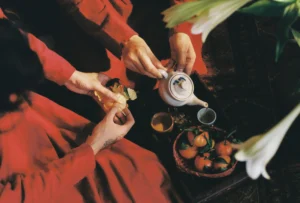
Tea is more than just a drink, isn’t it? It is a quiet moment in the middle of a busy day, a small ritual that grounds us. We are not just drinking tea; we are experiencing something far more profound, a glimpse into the centuries-old traditions of cultures that revere this simple beverage. Whether in…