The ritual of British tea—especially the celebrated afternoon tea—conjures a very specific image: tiered cake stands laden with delicate finger sandwiches, fluffy scones, and exquisite cakes. This cherished tradition, born in the 1840s, is often attributed to Anna, the seventh Duchess of Bedford, who sought a small meal to bridge the long gap between lunch and a late dinner. What started as an aristocratic ritual soon blossomed into a widespread custom, with afternoon tea parties becoming social highlights across England. While the simple cucumber sandwich remains a potent symbol, the landscape of tea accompaniments has dramatically expanded over time. It’s a story not just of class distinction, but of innovation and evolving taste—reflected in the nation’s varied approach to what’s served alongside that comforting cup of tea. This article journeys far beyond the classic cucumber sandwich to explore the diverse, delicious foods Britons enjoy when drinking tea—presenting a timeline of change and a taste of tradition meeting modern creativity.
A Timeline of British Tea Accompaniments
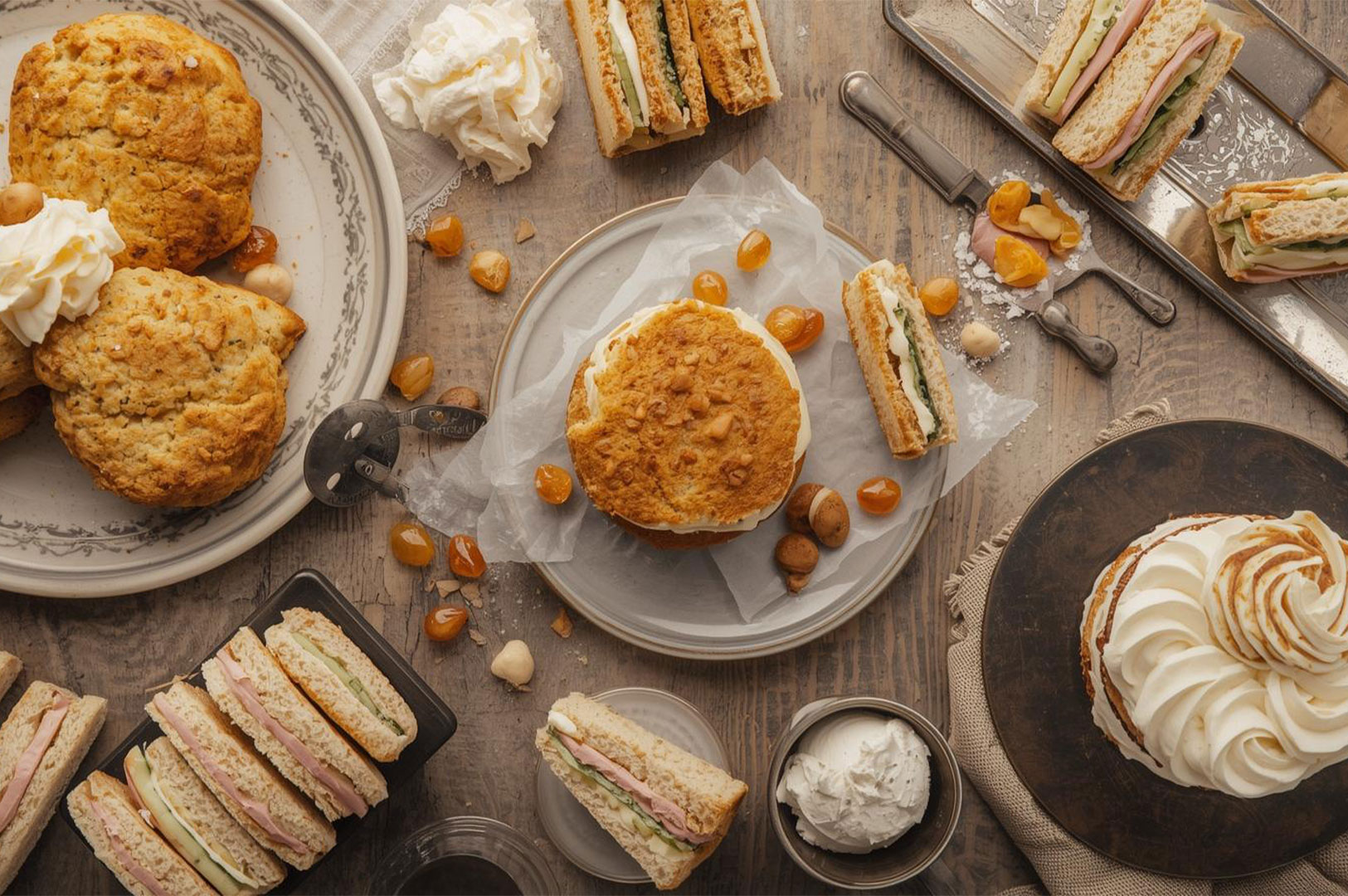
- 1840s: Anna, Duchess of Bedford, popularizes afternoon tea with small cakes and sandwiches. The iconic cucumber sandwich emerges as a symbol of wealth, thanks to the challenge of growing cucumbers year-round.
- Late 19th Century: Scones with clotted cream and jam become fixtures of the afternoon tea spread. The difference between low tea (afternoon tea) and high tea becomes part of the British food lexicon.
- Early 20th Century: The Victoria sponge cake, named for Queen Victoria, is a staple. Regional recipes like bara brith in Wales add new flavors to the table.
- 1940s-1950s: Post-war rationing leads to creative substitutes and simpler recipes, like using carrots for sweetness. Commercial tea rooms like Lyons’ Corner Houses standardize what’s typically served.
- 1980s-1990s: High-end hotels revive luxury afternoon tea parties, elevating food presentation and using more elaborate cake stands.
- 2000s: Global flavors and patisserie crafts influence menus, and celebrity chefs reinvent classics while Instagram makes presentation key.
- 2010s-Present: Inclusivity becomes the norm: vegan, gluten-free, and health-focused options are now served at most tea rooms. Trendy new iced tea, creative desserts, and fusion sandwiches are highlighted.
Afternoon Tea: The Classic Foundation of British Tea Accompaniments
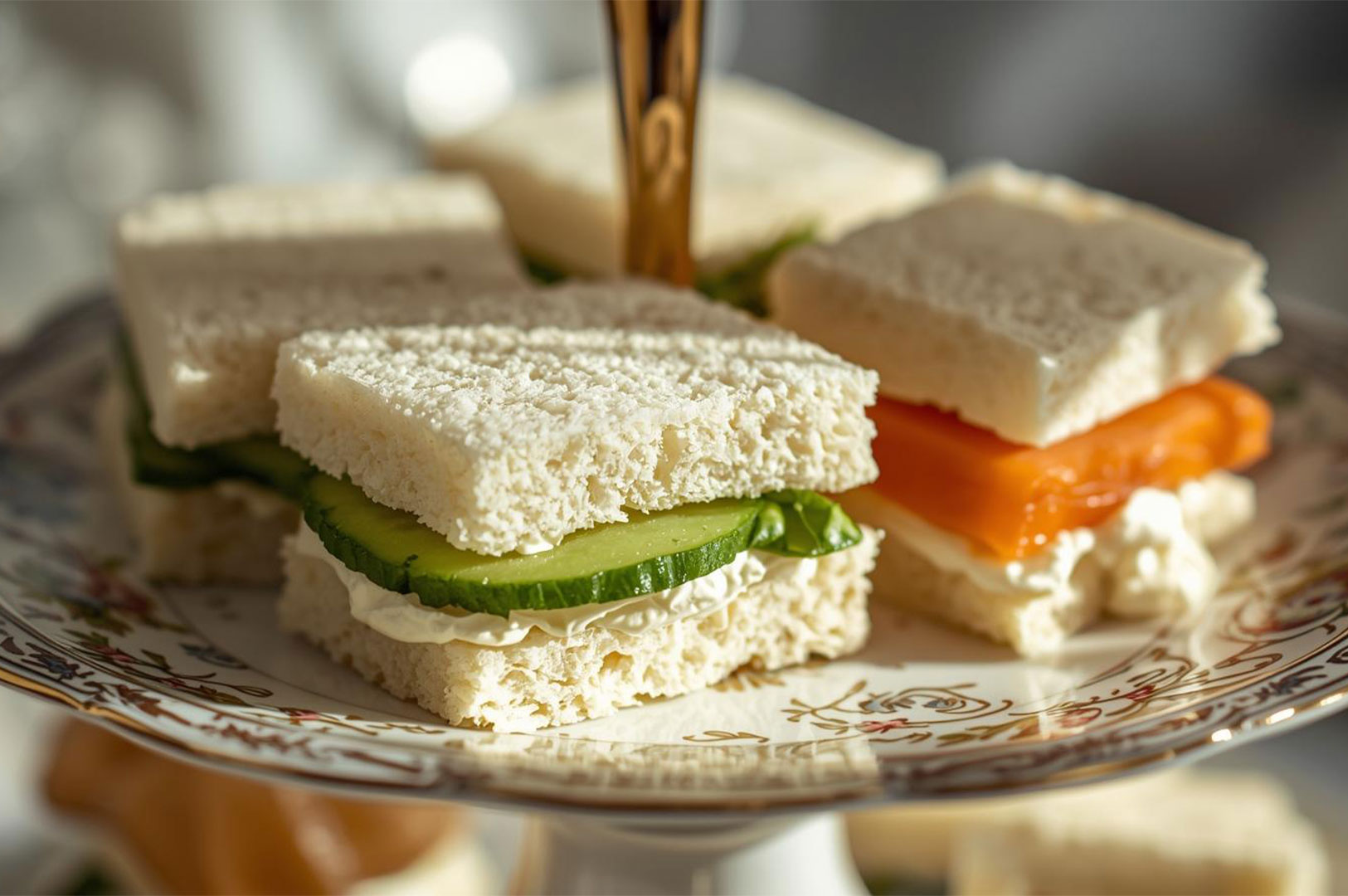
The classic afternoon tea spread is a masterclass in balance, beauty, and taste. At its core is the famous cucumber sandwich—thin white bread, delicately buttered and layered with paper-thin slices of cucumber, often sprinkled with a touch of salt and sometimes edible flowers for a fresh, pretty finish. As food historian Polly Russell notes, “The cucumber sandwich was a signifier of leisure—of having ‘enough tea’ and time to indulge in luxury.”
Alongside this timeless bite, other tea sandwiches are typically served. Egg mayonnaise with cress, smoked salmon with cream cheese (occasionally with lemon and dill), and ham with mustard are classics, all cut into neat two slices or even with cookie cutters for themed tea parties and baby showers. The focus—even for these finger sandwiches—is on impeccable presentation, uniform shingling, and just the right amount of filling.
Rising up the cake stand, we find the quintessential scone—served with rich clotted cream and tangy strawberry jam. The debate over whether to add jam or cream first remains a delicious controversy (try both ways with your next cup of tea). The Victoria sponge—a soft, buttery cake layered with raspberry jam and buttercream—epitomizes the sweet side of British afternoon tea. Both scones and sponges speak of an era when sharing cake—“one slice” or “second slice”—was a cherished, communal gesture.
Regional Tea Variations: Tea Sandwiches and Cake from North to South
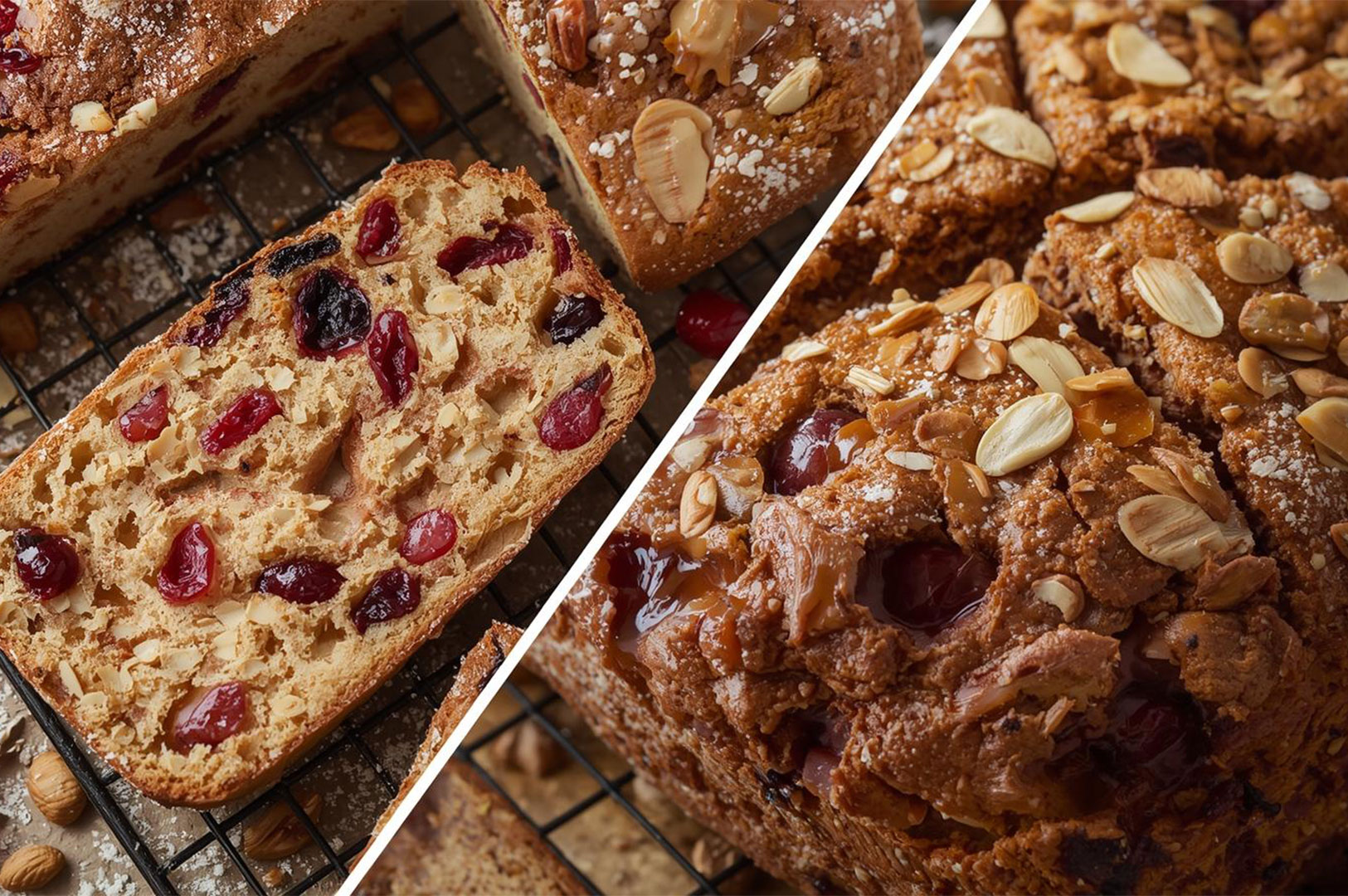
Across the UK, regional influences bring unique taste and character to the afternoon tea party. Scottish tables often feature heartier options—Scotch eggs, fruit cake like Dundee cake, and crumbly shortbread—as the colder climate inspired tasty fare designed to satisfy. Wales boasts bara brith, a moist tea loaf full of fruit, and hot-off-the-griddle Welsh cakes dusted with sugar.
Northern England favors the “Yorkshire Fat Rascal,” a cheerful, substantial scone-like cake, while Southern English teas are more delicate, emphasizing elegant Victoria sponge and dainty sandwiches. Geography dictated what was typically served, with local availability affecting recipe choices and even how tea sandwiches were cut and presented.
Cream Cheese, Social Class, and the Art of Afternoon Tea
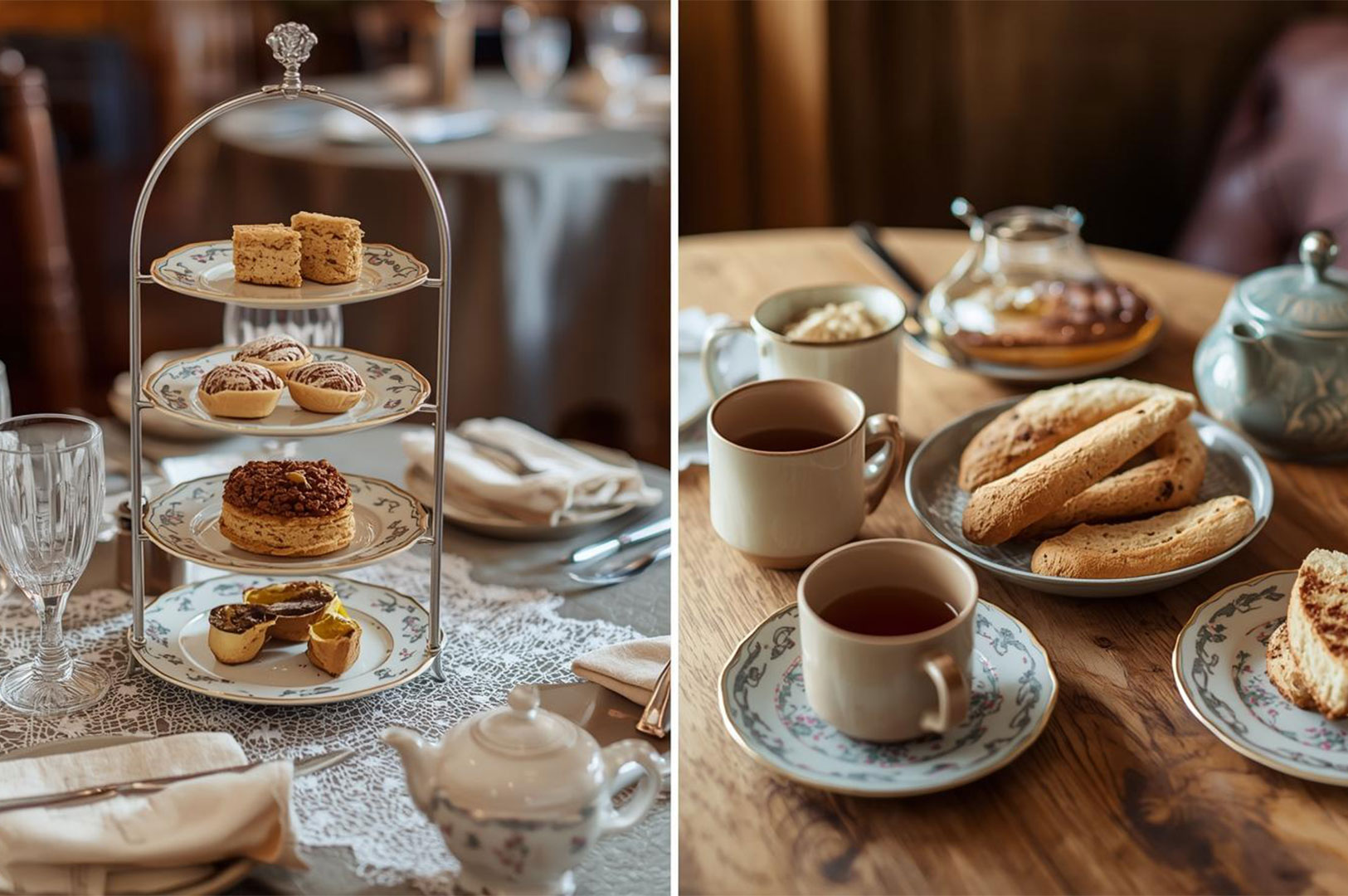
Throughout the history of british tea, the accompaniments have doubled as social markers. The distinction between afternoon tea (or "low tea") and high tea runs deep. Afternoon tea, taken with the finest china and tiered stands, meant light sandwiches, scones, and cakes—a ritual for aristocrats with friends and guests at the drawing room table.
High tea developed in working-class homes: strong tea poured from teapots into sturdy mugs, serving hearty bread, hot dishes, and even salad. Luxury was in the spread, while sustenance was found in humble ingredients and more robust fare. “Prep time was minimal, but the portion generous,” observed chef Tom Kerridge. The way one assembled a sandwich, used milk (or didn’t), and enjoyed the teapot could signal class status as distinctly as china patterns.
The Mid-20th Century Shift: Tea Bags and Commercial Standardization
The World Wars and subsequent rationing shifted every aspect of tea making and eating in Britain. Making tea relied more on tea bags than loose leaf, butter and cream became precious, and cakes were adapted with ingredients like carrots or beets—proof of creativity under constraint. Sugar was often rationed, so desserts became simpler or relied on other recipes that could stretch supplies.
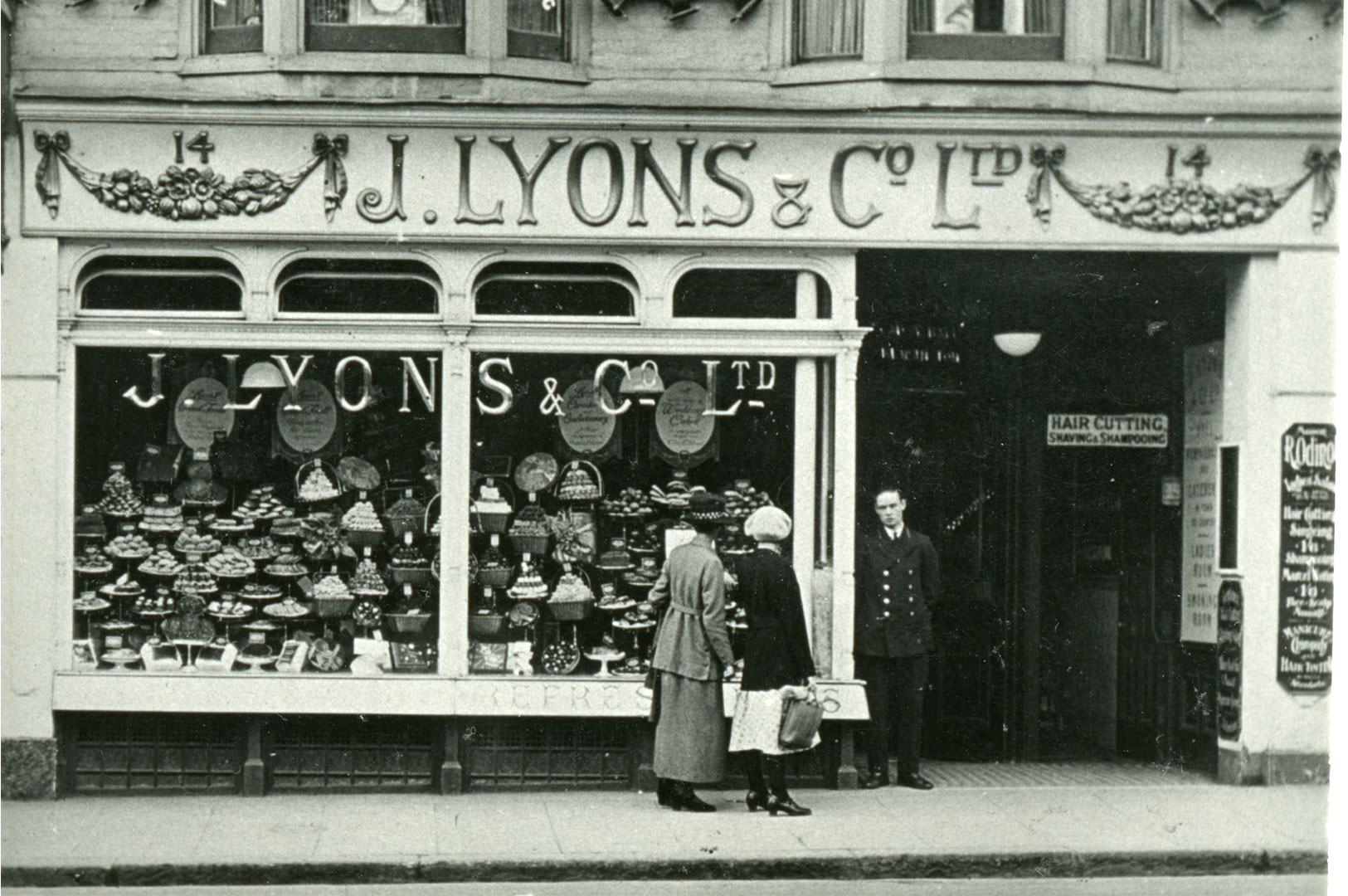
The rise of commercial chains, such as Lyons’ tea rooms, standardized the afternoon tea party, making it accessible but also less unique. Afternoon teas at home became celebrations for special occasions—a baby shower or reunion—rather than weekday routine.
Contemporary Tea Party and Afternoon Tea Innovations
Today’s afternoon tea is a vibrant canvas for culinary creativity. Chefs reinvent finger sandwiches—think cucumber sandwiches with gin and lemon zest, or coronation chicken with spiced curry powder. Modern afternoon tea spreads include globally-inspired other recipes—Sichuan chicken sandwiches, sushi rolls, or tandoori prawns with cherry tomatoes and microgreens. Even classic fillings like ham and cheese are reimagined with smarter ingredient sourcing or fun cookie cutter shapes for home tea parties.
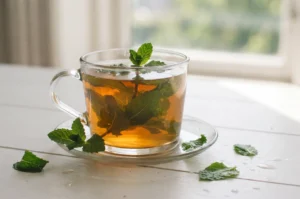
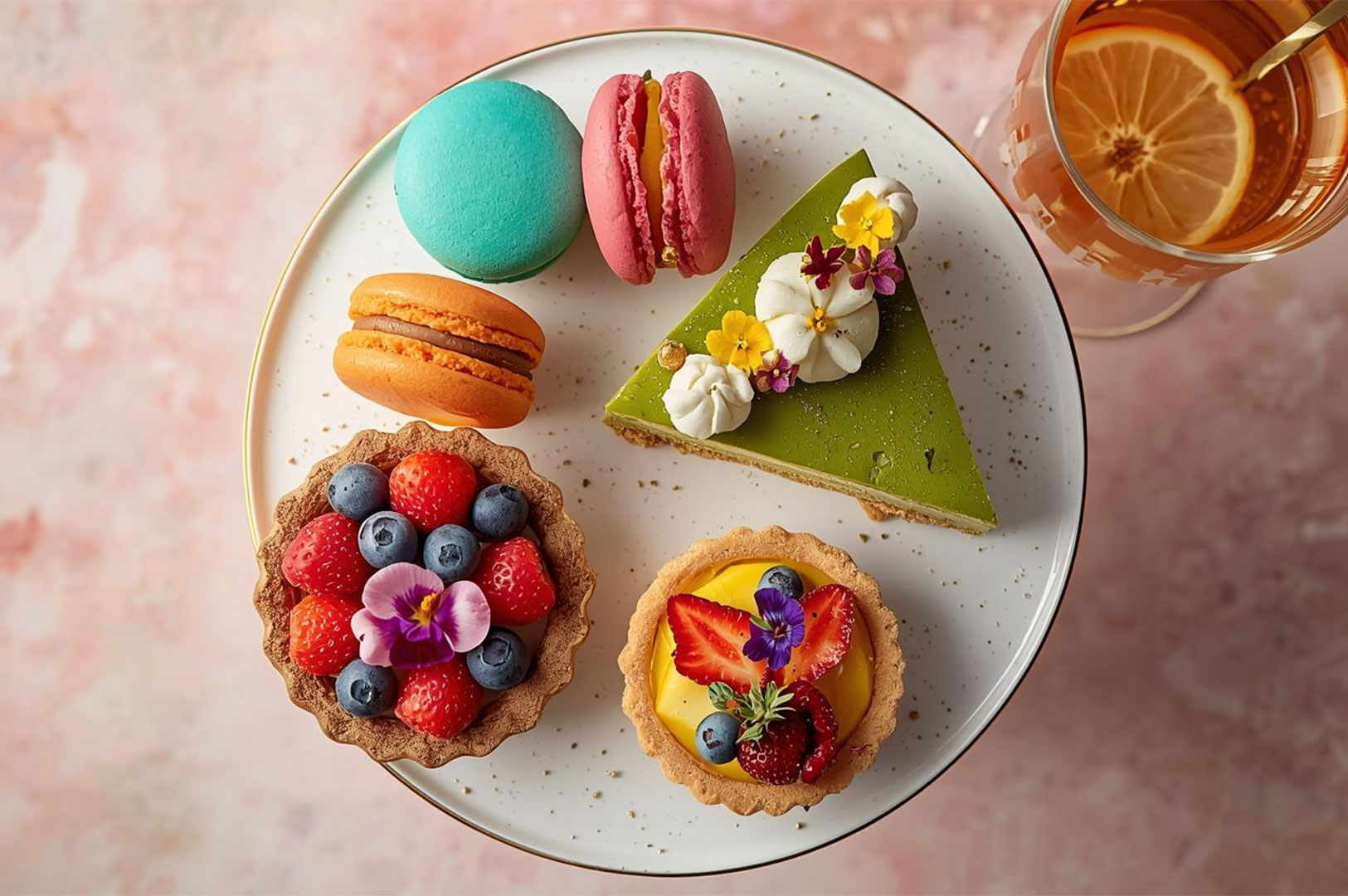
The dessert tier is bolder today; matcha cheesecake, chocolate-dipped strawberries, and delicate fruit tarts sprinkled with edible flowers might join the classic Victoria sponge or French macaron. Iced tea is often served alongside traditional brews, especially in summer, with infusions of mint, fresh fruit, or even botanical syrups to sweeten the cup.
“British tea service has never been more exciting,” says Great British Bake Off champion Nadiya Hussain. “People want to honor tradition, but also delight their guests with something new and special—whether it’s a classic Victoria sponge or a vegan lemon cheesecake.”
Clotted Cream, Dietary Adaptations, and the Inclusive Tea Table
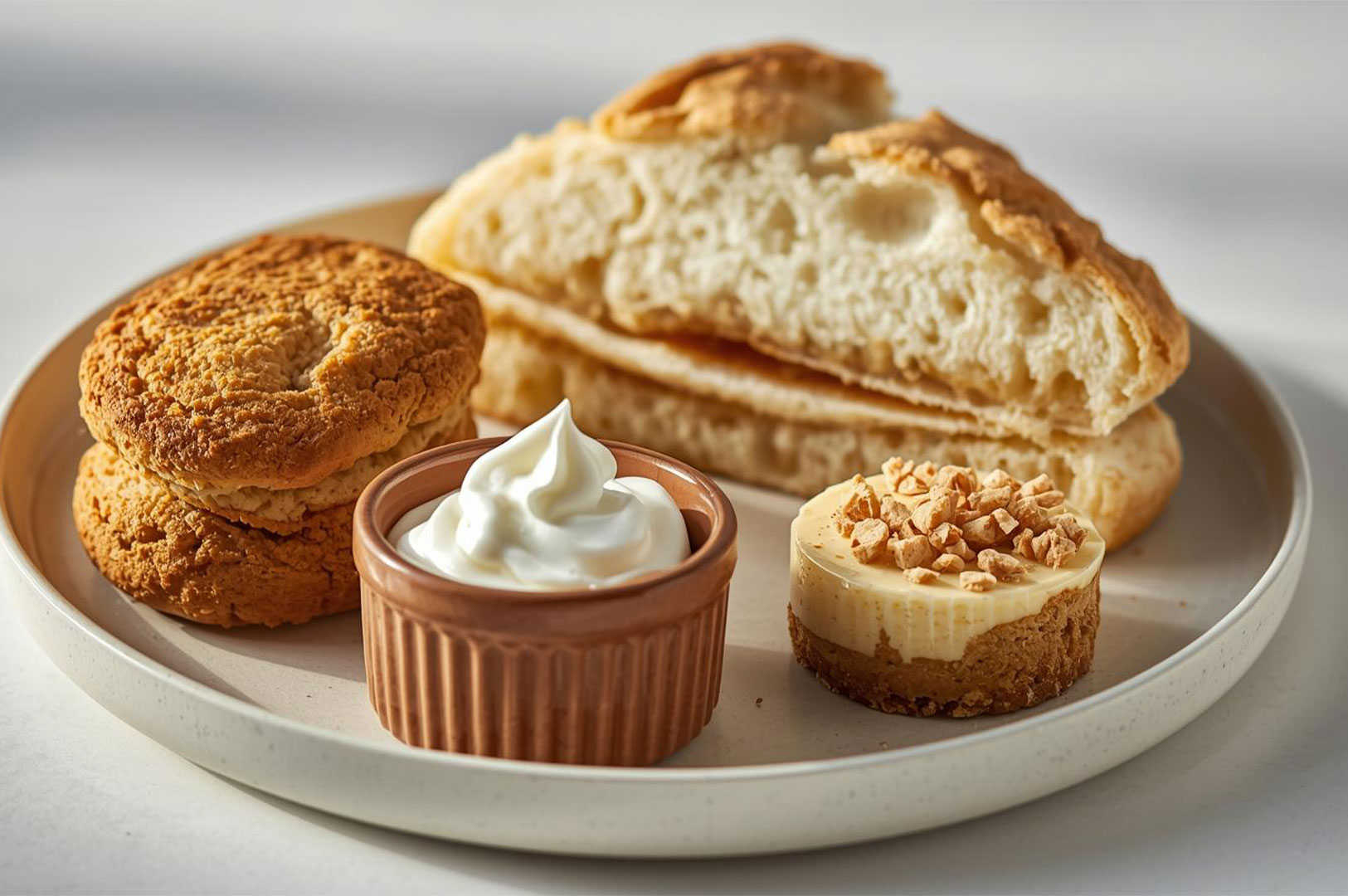
Today’s afternoon tea parties are defined by inclusivity and creative adaptation. Venues now routinely offer dairy-free clotted cream (coconut- or cashew-based), gluten-free white bread, and vegan cream cheese for tea sandwiches—making it possible for more guests to indulge. A recent survey showed nearly 25% of new UK food products are vegan-friendly, and this shift is clearly reflected in menus. Even the classic scone may be available in gluten-free, wholemeal, or plant-based variations.
Allergy awareness is high—labels indicate potential allergens, and nut-free or sugar-aware (slightly increase or decrease as needed) desserts are prepared ahead to ensure everyone can safely enjoy the spread. Lighter options, like fresh salad, sprinkled cherry tomatoes, or cucumber-ribbon sandwiches, balance the rich fare with a nod to contemporary tastes.
Luxury Hotel Afternoon Tea Party vs. Home Tea Gatherings
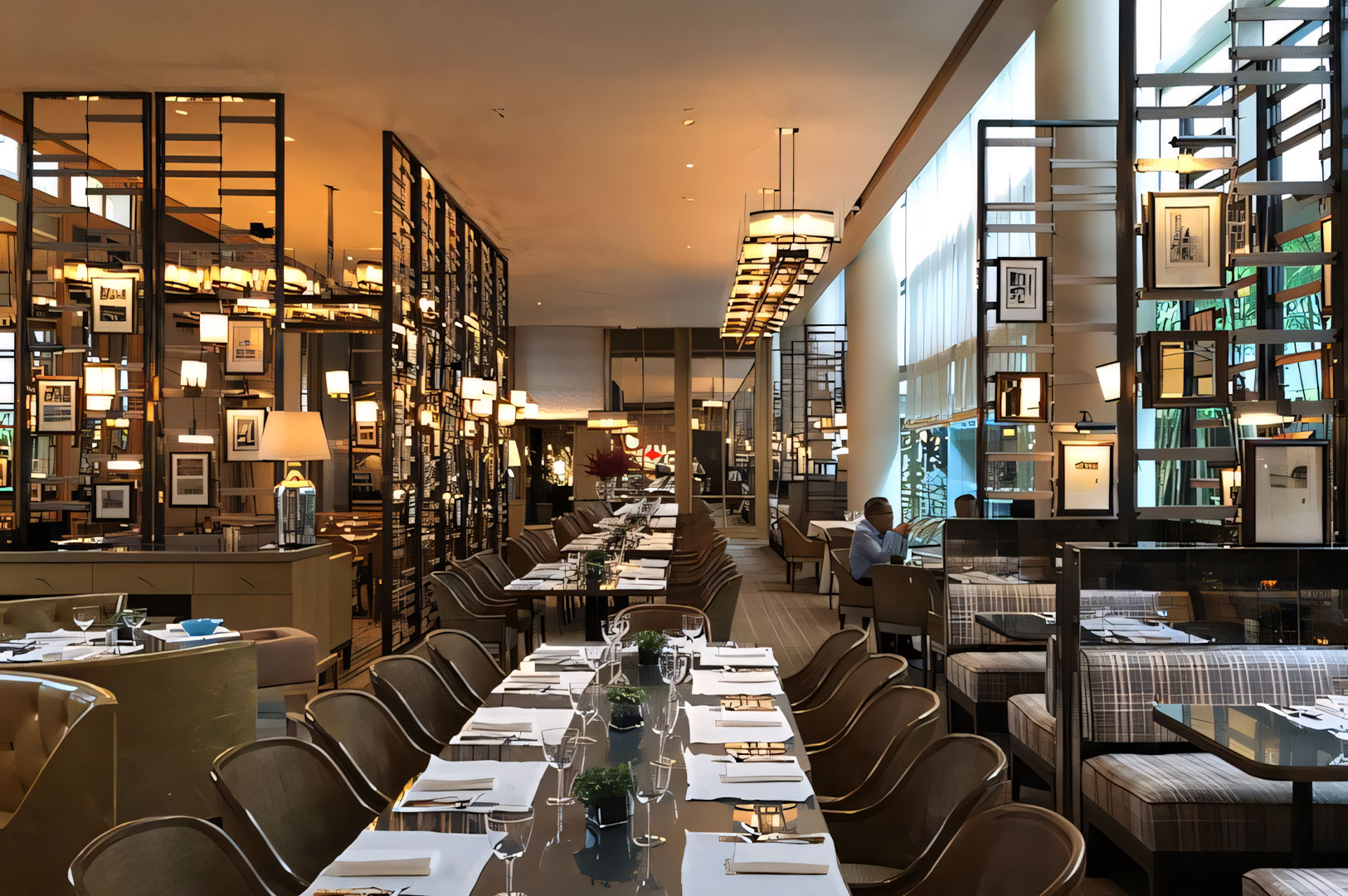
High-end hotels such as The Ritz and The Savoy have turned afternoon tea into a ceremonial tea party event, complete with cake stands, live music, and beautiful settings. Some partner with luxury brands or infuse tea menus with celebrity chef inspiration, while others use the event to showcase British produce and creativity.
Yet the home tea party has seen a renaissance, with social media (Instagram, Pinterest) fueling a trend for show-stopping homemade cakes, sandwiches, and stunning tablescapes. Home bakers layer classic Victoria sponge, artfully pile scones on the table, and experiment with cheesecake or mini fruit tarts. Friends and family gather to eat, drink, and indulge in this tasty British tradition.
The Future of British Tea Sandwiches, Sweet Treats, and More
Sustainability, technology, and local sourcing will define the future of drinking tea in Britain. Expect foraged herbs, garden-fresh produce, and even 3D-printed patisserie to grace the cake stand. Trends point to smaller, tastier bites, creative use of edible flowers, and custom tea bags with quick brewing times for modern, on-the-go lifestyles.
The afternoon tea party will continue to thrive—in luxury hotels, cozy homes, and every imaginable setting—because the magic of sharing tea, sandwiches, and sweets is truly timeless.
Conclusion: One Slice of Tradition, Two Slices of Innovation
From the dainty cucumber sandwich to the dazzling, modern afternoon tea spread, British tea accompaniments tell a rich story of adaptation and pleasure. Smoked salmon with cream cheese, clotted cream on fresh scones, and bright jam on buttery Victoria sponge—all find a place on the ever-evolving tea table. The pairing of bread, cheese, sweets, and fruit with enough tea satisfies both tradition and contemporary craving. Whether brewing in a pot for a mug, arranging snacks on a cake stand for guests, or using a cookie cutter for fun-shaped sandwiches, the tradition endures not only because it is British, but because it is delicious, sociable, and—at its heart—designed to bring people together for a truly satisfying cup of tea.

The Problem With “Single-Origin” Tea Obsession
There was a time when knowing where a tea came from was enough. Now, it sometimes feels as though we need to know everything. The mountain. The village. The garden. The harvest date. The particular plot where the leaves were grown. Single-origin tea has become a mark of quality in modern tea culture. The idea…
-
Where Singapore’s Tea Traditions Still Steep: Pek Sin Choon
The first thing I noticed was the smell. Not perfume, not incense. Something warmer and older than both. Roasted tea leaves, drifting out onto Mosque Street before I even reached the door. It’s the kind of smell that makes you slow your steps without knowing why. Pek Sin Choon has been on this corner of…
-
Not All Comfort Is Sweet: The Bitterness I Now Appreciate
I used to think comfort was supposed to be easy. A familiar drink. A familiar taste. Something that immediately made me feel better. For a long time, I gravitated towards teas that were gentle. Soft flavours. Natural sweetness. Anything that felt welcoming from the first sip. Then I started appreciating bitter teas. Not because I…
-
Understanding the Herb Behind the Refreshing Cup: Peppermint Tea
There is a moment, just after the hot water meets the fresh peppermint leaves, when the whole room seems to change. A sharp, green coolness lifts from the cup and settles somewhere behind your eyes. Drinking peppermint tea does this quietly, without fuss. It asks for nothing and offers a great deal. Most of us…
-
Why Most People Hate Oolong: Overcomplicated Advice Ruined It
I have always found it interesting that oolong tea is one of the most misunderstood teas. People often describe it as complicated. Too many varieties. Too many brewing methods. Too many rules. The leaves should be prepared this way. The water should be at this temperature. The teapot should be a certain material. The first…
-
Kempinski Singapore High Tea Review: When Afternoon Tea Feels Like an Occasion
The rain had come and gone by the time I arrived, leaving the street outside slick and quiet. I stepped in without knowing quite what I wanted from the afternoon. Only that I wanted it to be slow. The Lobby Lounge at The Capitol Kempinski Hotel Singapore does not rush you. It waits. And there…
-
Scent, Memory, and a Kettle: How Tea Anchors My Days
There are certain smells that bring us somewhere else before we even realise it. The scent of rain on warm pavement. A familiar perfume. The food someone used to make when we were younger. For me, tea belongs in that category. Sometimes, before I even take a sip, the aroma is enough to bring back…
-
The Chinese Yixing Teapot: More Than a Teapot, a Living Tea Tradition
The first time I held a Chinese Yixing teapot, I wasn’t ready for how warm it would feel. Small, reddish-brown, sitting in my palm like a river stone that had been kept somewhere warm. I’d just rinsed it with hot water, the way you’re supposed to before the first brew, and the clay drank up…
-
Your “Tea Sommelier” Might Be Selling You a Vibe, Not a Better Cup
There is a particular moment that has become increasingly familiar in modern tea culture. A tea is presented. Before the first sip, we are introduced to its story. The region. The altitude. The history. The carefully chosen words that describe its character. Perhaps there are notes of wildflowers, distant forests, roasted grains, or forgotten memories….
-
Does Tea Contain Caffeine? Understanding What’s Really in Your Tea
There’s a quiet moment many of us know well. The kettle clicks off. Steam curls up. You wrap your hands around a warm cup and feel your shoulders drop, just a little. Tea has always carried this sense of calm, of slowing down. So it can feel almost contradictory to ask: does tea contain caffeine?…