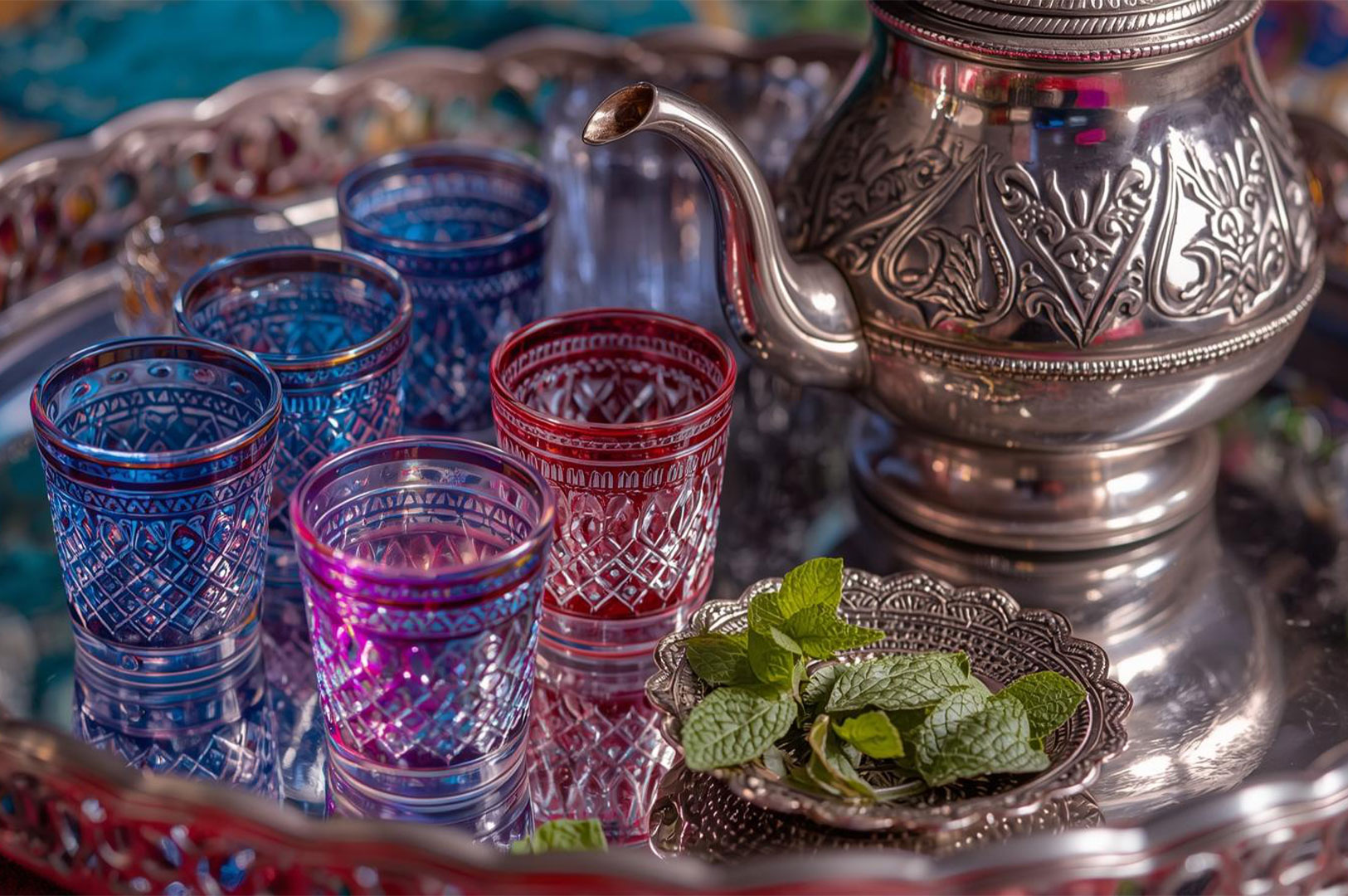
Imagine this: you’re seated on low cushions in a Marrakech riad, surrounded by patterned tiles and the scent of spices wafting through the air. Your host approaches with a polished silver teapot, or berrad, holding it high above a small glass. A thin stream of steaming green tea flows gracefully, landing perfectly in an ornate teacup. As it hits, a foamy layer blooms on top—a froth as beautiful as it is symbolic. The traditional way to serve Moroccan mint tea involves pouring from a height, creating this signature foam and adding a ceremonial touch to the experience.
This is the essence of the Moroccan tea service. Known for its elegance and savoir faire, this tea ceremony is more than the act of pouring a beverage. It’s a performance of hospitality, tradition, and artistry. The moroccan mint tea—sometimes called “Berber whiskey”—is not merely delicious; it is a symbol of friendship and generosity, a warm invitation into Moroccan culture. Alongside mint tea, a variety of drinks such as spiced coffee are often served, highlighting the diversity of beverages enjoyed at Moroccan tea gatherings. Take time to savor each sip to fully appreciate the aroma, flavor, and cultural significance of the tea.
A Tradition Steeped in History: From Green Tea to Moroccan Mint Tea
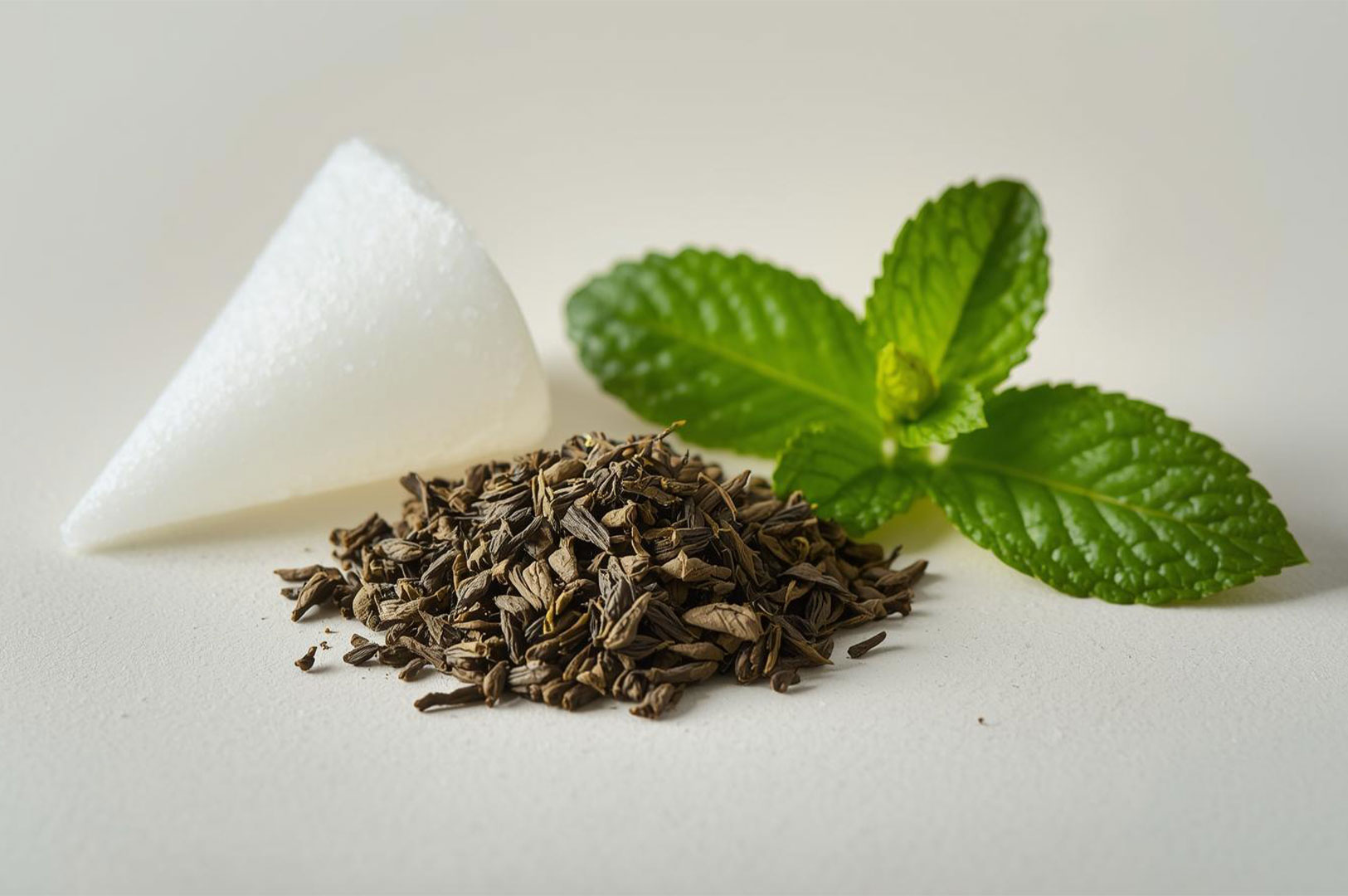
Tea was first introduced to Morocco in the 18th century by British merchants bringing loose leaf teas from China. Over time, Moroccans adopted gunpowder green tea, blending it with fresh mint leaves (na’na) and sugar to create a drink that would come to define the country’s style of tea making.
(For more on China’s historical green teas, see Tea Manor’s “The Dragon Well Legacy: Exploring China’s Legendary Longjing Tea”, which traces how teas like Longjing influenced global green tea culture.)
The process became deeply embedded in Moroccan life and food culture. Moroccan mint tea is often flavored with herbs, orange blossom, or aromatic spices, enhancing its sensory appeal and making each cup uniquely inviting. Among Berber communities in North Africa, serving tea to guests became a way to express warmth and welcome. To offer a cup of mint tea was to extend friendship, to turn a brief encounter into shared sips and conversation.
Over time, the ritualized tea ceremony became a centerpiece of Moroccan hospitality, blending a process similar to the Japanese tea ceremony with local character and rustic simplicity.
The Tea Ceremony: Preparing Authentic Moroccan Mint Tea
The Three Pours: A Journey of Life and Flavor

The Moroccan tea ceremony traditionally includes three rounds of pouring, each with symbolic meaning captured in the proverb:
“The first glass is as bitter as life. The second is as strong as love. The third is as gentle as death.”
During the ceremony, the tea is drunk slowly and with mindfulness, following proper etiquette to honor the tradition and savor each pour.
The First Glass: Bitter as Life
Brewed with intensity, the first pour carries the sharp, earthy notes of green tea, symbolizing the challenges one faces in life.
The Second Glass: Strong as Love
As boiling water is added and the tea leaves mellow, this cup turns sweet and balanced—representing the warmth of love and friendship shared among guests.
The Third Glass: Gentle as Death
The final pour is lighter, with a softened flavor, offering a serene conclusion. Each glass invites a few sips of reflection, just as the Japanese thin tea (usucha) softens the formal tone of a tea ceremony into something intimate and personal.
Participating in all three pours means embracing the full arc of Moroccan tradition, from bitterness to sweetness to peace.
Hospitality and Tradition: The Heart of Moroccan Tea
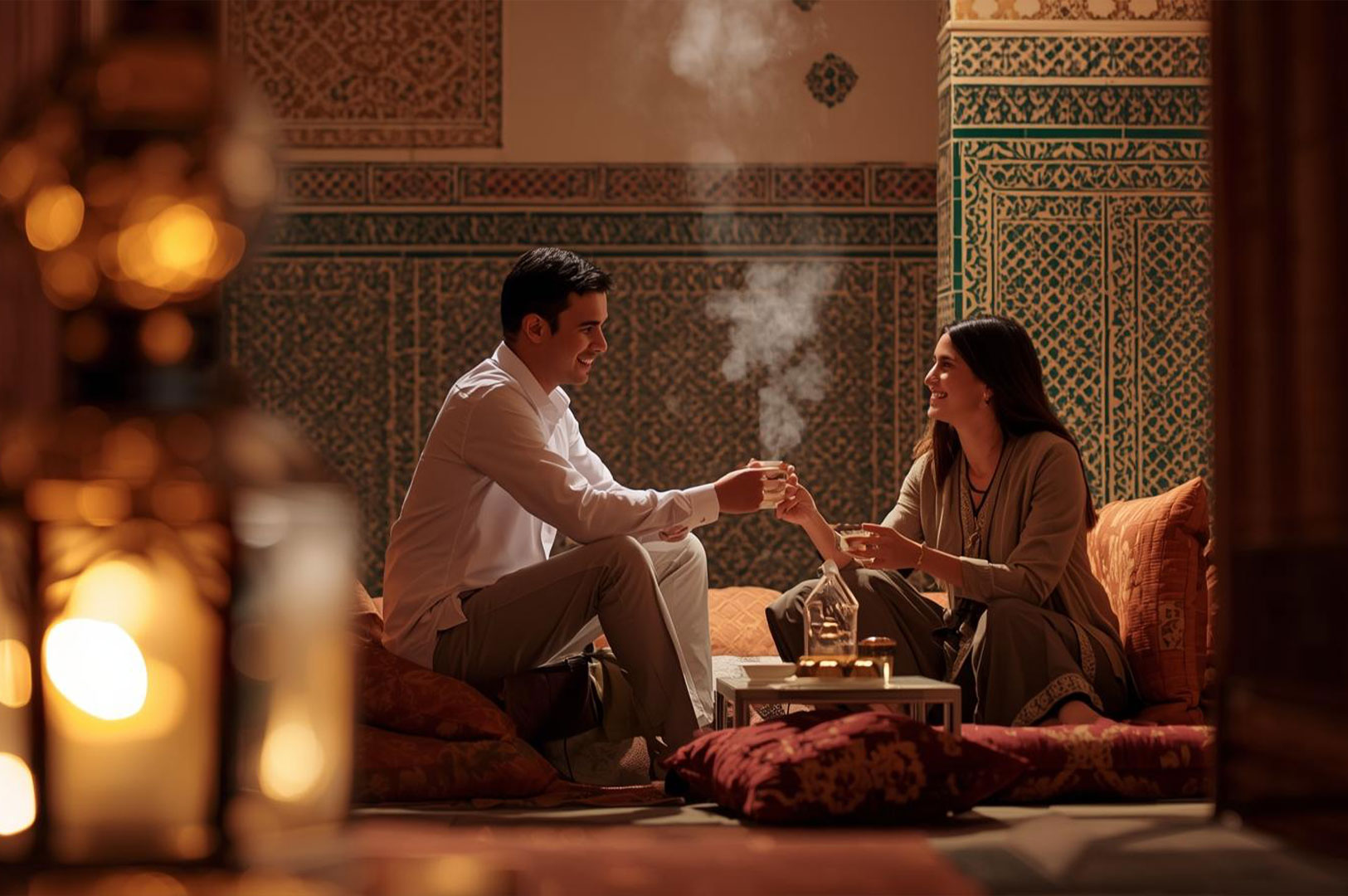
In Morocco, tea is more than a drink—it is a gesture of hospitality that transcends occasion, time, or place. Whether visiting a merchant’s store in Fez or entering a family room in Essaouira, a tray of tea will almost always appear before any food, coffee, or conversation.
Refusing tea is rarely done—it’s akin to declining friendship. The act of preparing, pouring, and sharing mint tea is one of the most important ceremonies in Moroccan life, just as the Japanese have formal tea ceremonies involving thin tea and thick tea (koicha). Both cultures express respect, mindfulness, and artistry through the ritual. While most tea ceremonies around the world are traditional, full-length events with multiple courses and specific rituals, the Moroccan tea ceremony stands out for its unique approach, focusing on hospitality and the communal enjoyment of mint tea.
The Moroccan host, through careful handling of the teapot, glasses, and tea tray, demonstrates the grace and patience of a true tea master—even without the whisk, scoop, or bowl found in Japan.
Comparison with Other Ceremonies: Moroccan Tea in a Global Context
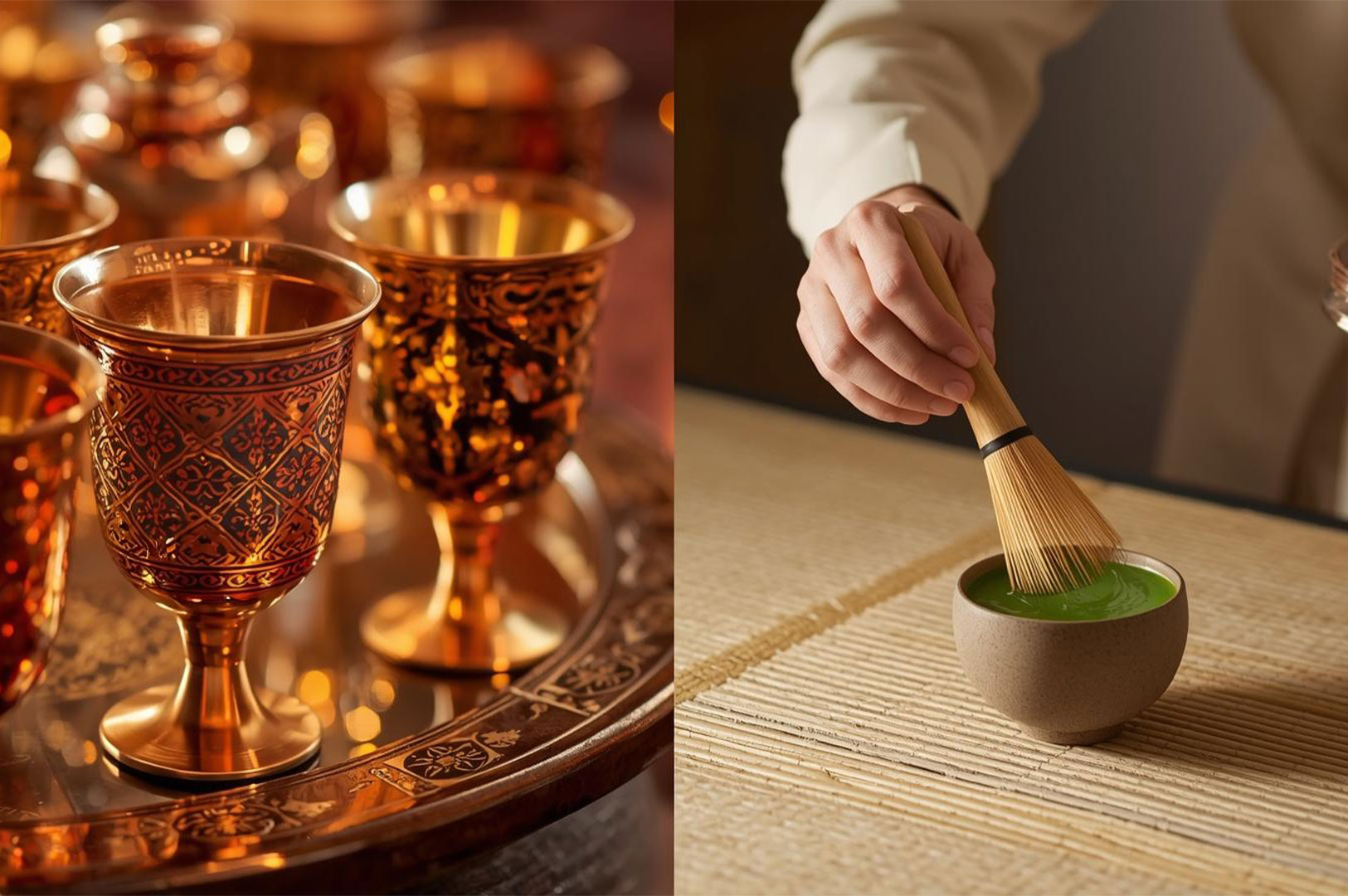
Across the world, tea ceremonies are a window into the soul of a culture, each with its own rituals, flavors, and sense of hospitality. Moroccan mint tea, with its vibrant blend of green tea, fresh mint leaves, and sugar, stands apart as a symbol of North African warmth and generosity. Yet, when placed alongside other renowned tea ceremonies—such as the Japanese tea ceremony—its unique character shines even brighter.
In Morocco, the art of tea making is rooted in tradition but thrives on social connection. The ceremony centers around the teapot, tea tray, and ornate glasses, with the tea master skillfully blending loose leaf teas, boiling water, and generous handfuls of mint. The result is a sweet, aromatic mint tea, served in small glasses and always accompanied by a spirit of welcome. The process is lively and communal, inviting guests to share in a few sips, laughter, and conversation.
Contrast this with the Japanese tea ceremony, where rustic simplicity and mindful precision reign. Here, the tea master prepares matcha—a powdered green tea—using specialized tea utensils like the tea scoop and tea whisk. The ceremony unfolds on a tatami floor, with each movement carefully choreographed, from scooping the tea leaves to whisking the hot water in a tea bowl. The Japanese formal tea ceremony is a meditative experience, emphasizing harmony, respect, and the beauty of imperfection.
While both traditions celebrate the act of serving tea, their approaches differ. Moroccan mint tea is all about bold flavors, sweet notes, and the joy of gathering, with the tea master pouring from a height to create a signature froth. The Japanese ceremony, on the other hand, is defined by its quiet elegance, the subtle taste of thin tea or thick tea, and the use of traditional tea equipment.
Modern Adaptations: Evolving the Moroccan Tea Service
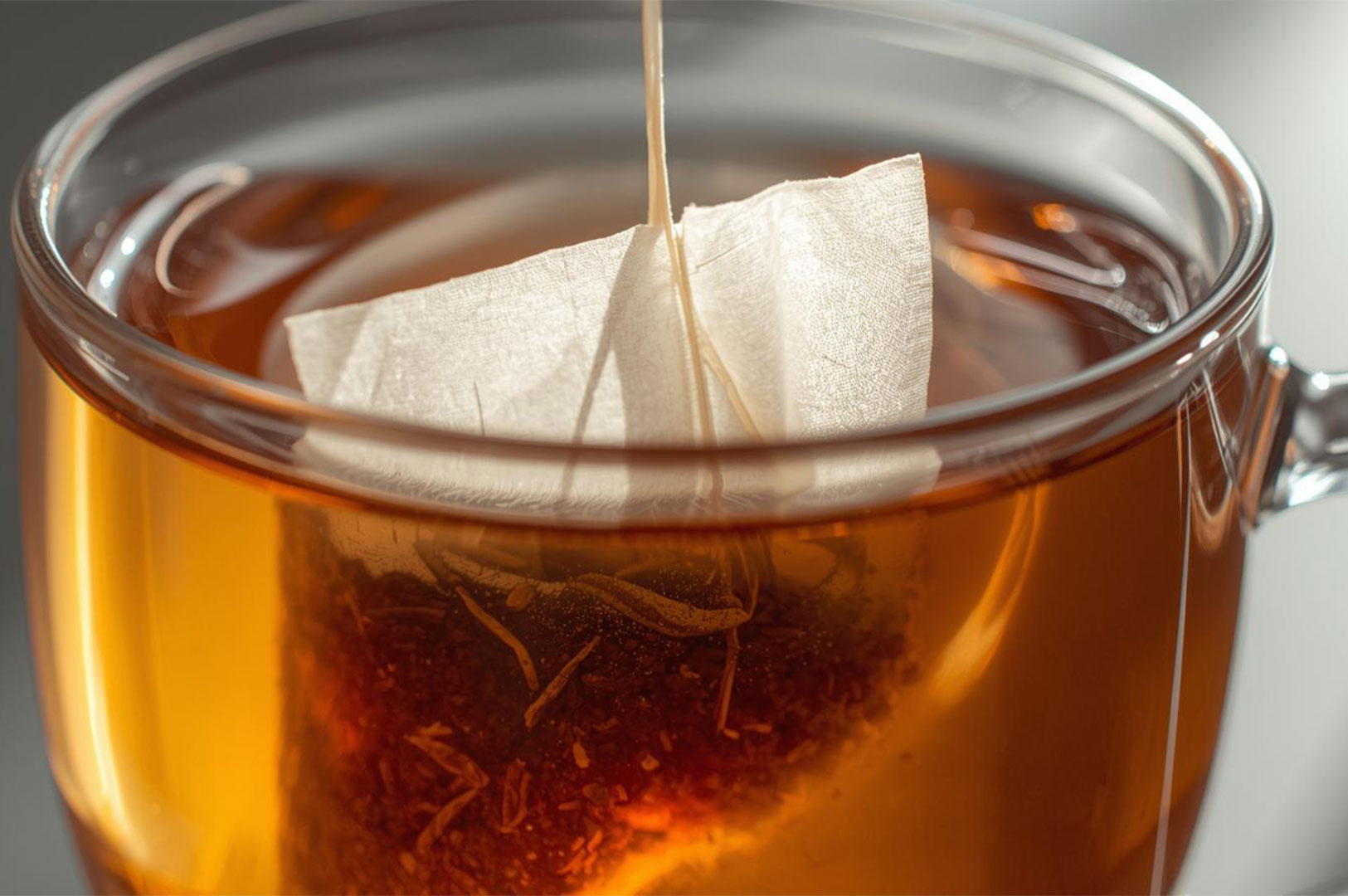
While deeply traditional, the moroccan tea service has adapted to the modern world. In chic cafes across Casablanca and Marrakech, mint tea is sometimes prepared quickly with teabags, or sugar served separately. For modern tea drinkers, using a tea bag offers added convenience and speed. Still, for any important occasion—a wedding, a guest’s arrival, or a family meal—the formal tea ceremony remains unchanged.
Regional styles also bring unique nuances:
- In North Africa’s Sahara region, tea is brewed stronger and served in tiny cups, sometimes through a three-pot process similar to tasting thin tea and thick tea in a Japanese tea ceremony.
- In Tangier, orange blossom water and flowers are often added for a fragrant twist.
- In Fez, hosts may pour tea at elaborate angles to showcase their skill—a nod to Morocco’s blend of artistry and savoir faire.
(For comparison, Tea Manor’s “Ceylon High Grown Tea” explores how terroir and preparation techniques shape regional flavor and ceremony elsewhere in the world.)
Experience Moroccan Tea: A World of Flavor and Connection
To experience moroccan mint tea is to experience Morocco itself—a country where hospitality is expressed through every pour, every cup, and every smile. It teaches the value of slowing down, of savoring a few sips with intention.
In Moroccan tea culture, it is common for pastries or sweets to be served and eaten before drinking tea, enhancing the overall tea experience and echoing similar traditions found in Japanese tea ceremonies.
Whether you visit a tea house in Marrakesh, prepare a pot at home, or explore related topics like the Japanese tea ceremony, each ceremony reveals the same universal truth: tea is a bridge between people, cultures, and moments of shared peace.
So next time you lift your teapot, remember: in both Moroccan and Japanese traditions, the art lies not just in how tea is made, but in how it is shared.

The Tea I Keep Drinking When I Don’t Feel Like Myself
There are days when tea feels unnecessary. Not because I stop liking it, but because I don’t feel like the version of myself who usually drinks it slowly, thoughtfully, and with attention. On those days, I still make tea anyway. Not out of ritual, but out of habit. It is never the elaborate kind of…
-
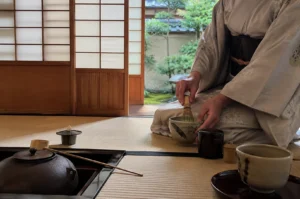
Tea Ceremony Kyoto: A Slow Dance of Bowls and Breath
The room is quiet enough to hear water. Somewhere beyond the paper screens of this traditional tea ceremony venue, a garden drips after morning rain. Inside a tea house on a tatami mat worn soft by years of kneeling, a tea master lifts a bamboo whisk and begins tea making. There is no rush in…
-
Why We Keep Romanticising Tea Moments That Never Happened
I sometimes wonder if we are drinking tea or remembering something that never really happened. A quiet morning that feels softer in memory than it ever was in real life. A perfect cup by the window that somehow always looks better in hindsight. A tea moment that feels cinematic, even though it probably lasted only…
-
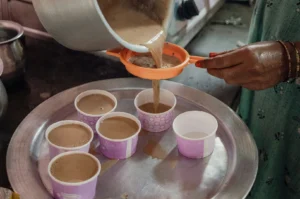
Masala Chai Tea Origins: The Cultural Evolution of India’s Spiced Tea Tradition
There is a sound that belongs to mornings across India: the hiss of milk rising in a battered pot, the clink of a spoon against metal, the low murmur of a tea seller calling out to passing crowds. Before the first sip, there is the scent. Cardamom pods, fresh ginger, and cinnamon stick curling into…
-
We Are Turning Tea Into Something It Was Never Meant to Be
There is something quietly strange happening in tea culture. The more popular the tea becomes, the more it starts to resemble everything it once stood apart from. Speed. Branding. Productivity. Performance. Tea, which once belonged to unhurried moments, is increasingly being asked to do more. To energize. To optimize focus. To replace coffee. To support…
-
Sencha Green Tea vs. Matcha Powder: Understanding the Differences in Japanese Green Tea
Two tins of tea powder sit side by side on a shelf. Both hold a fine green powder. Both promise the taste of authentic Japanese tea. To the eye, they look almost identical, and that is precisely where the confusion begins. One is matcha powder, often used in matcha lattes and desserts. The other is…
-
Discovering Gryphon Tea Company’s Earl Grey in Singapore
I recently tried the Earl Grey from Gryphon Tea Company Singapore, and I have to admit, it surprised me. Not because it was flawless-it wasn’t, but because it felt like a tea that knew exactly what it wanted to be. The aroma is the first thing that hits you. Bergamot is present but subtle, not…
-
Hojicha: The Roasted Japanese Green Tea With A Mellow Twist
There is a moment, just after the hot water meets the hojicha tea leaves, when the kitchen fills with the aroma of something toasted. Not grassy. Not sharp. Warm, like roasted nuts or the edge of a freshly baked loaf. That moment is where hojicha begins. Hojicha (sometimes spelled houjicha) is a roasted green tea…
-
A Quiet Afternoon at Yixing Xuan Teahouse
I recently spent a quiet afternoon at Yixing Xuan Teahouse, a place that feels like a pause in the city. The moment you step inside, the world seems slower. The air carries the gentle aroma of steeped leaves, and the staff move with quiet precision. I chose an oolong, simple yet familiar. Watching the leaves…
-
The Controversial Smoky Tea That Divides Enthusiasts: Lapsang Souchong Black Tea
There is a tea that empties rooms and fills them in equal measure. Open a box of loose leaf lapsang souchong black tea, and someone nearby will lean in with delight while another quietly steps away. Few teas provoke such immediate, honest reactions. That divide is part of its story. This smoked lapsang souchong smells…