Introduction
Most people arrive at KOMA Singapore, a stunning venue by Tao Group Hospitality located in Marina Bay Sands, expecting a spectacle. And to be fair, that is exactly what they get. From the moment guests enter, the experience begins with glowing vermillion arches inspired by Kyoto’s Fushimi Inari Shrine, leading into a dining space that feels almost cinematic.
But after the first impression settles, something else begins to surface.
Beyond the scale, the music, and the movement of the room, there is a quieter layer to the experience. One that does not compete for attention. One that appears gradually as the meal unfolds.
Tea.
At first, it feels like an afterthought. But by the end of the evening, it becomes clear that tea plays a subtle but important role in shaping the rhythm of the KOMA Singapore dining experience. For those interested in exploring more about tea pairings at top Japanese restaurants in Singapore, this A Tea Lover’s Guide to the Best Japanese Restaurant Singapore Dining Experiences offers valuable insights.
KOMA Singapore and the First Impression of Contrast
A Dramatic Space That Calls for Balance
Walking into KOMA Singapore, the contrast is immediate.
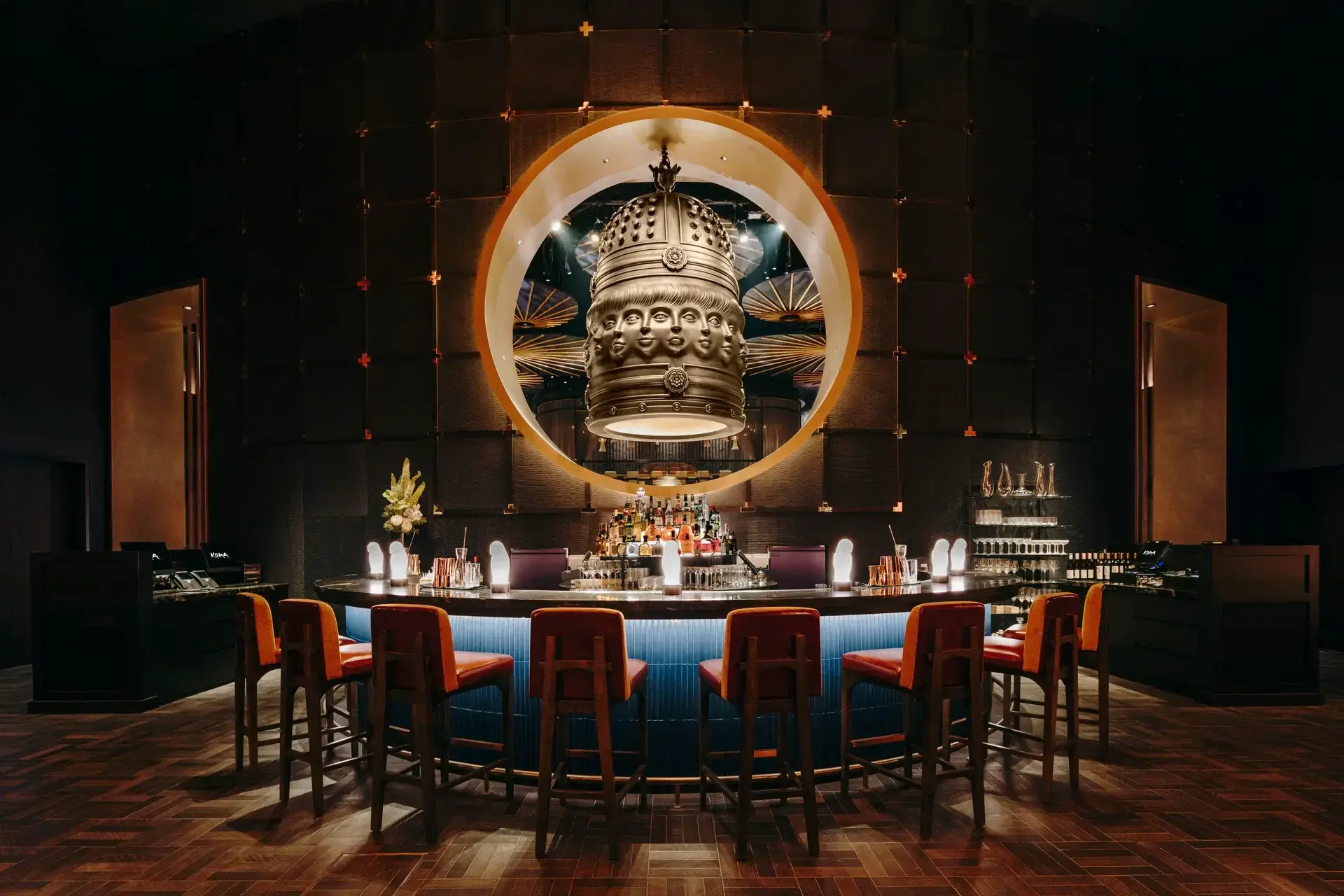
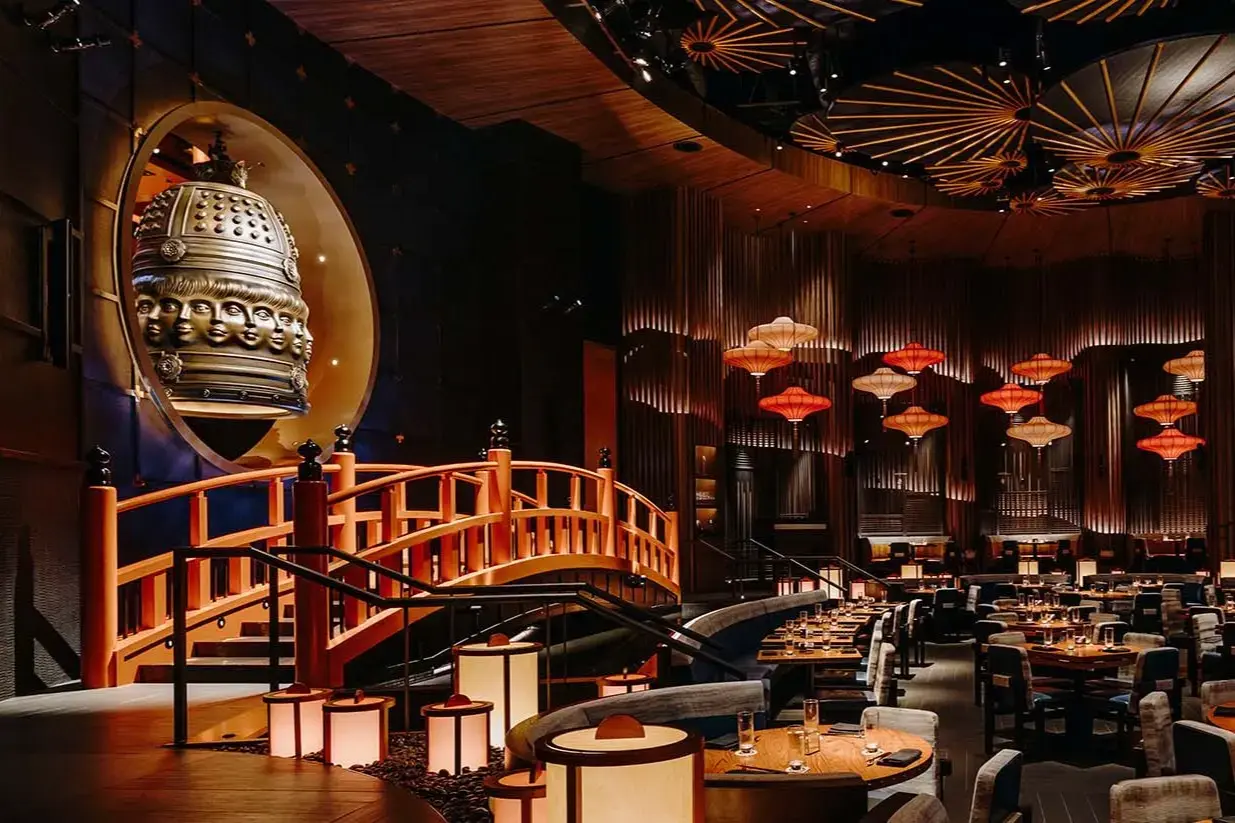
The space is bold. The main dining room stretches out beneath soaring high ceilings, anchored by a striking 2.5m tall Japanese bell. The traditional Japanese foot bridge cuts across the room, creating a visual focal point that draws your attention inward. The orange arches lining the entrance passageway set the tone for a dramatic night.
It is easy to get caught up in the scale of it all.
Yet spaces like this also create a need for balance. With so much visual energy, the dining experience could easily become overwhelming. This is where tea begins to make sense, even before the first cup arrives.
Tea, by nature, slows things down. It introduces a pause. And in a setting like KOMA, that pause feels necessary.
The KOMA Singapore Menu and the Weight of Flavour
A Bold Approach to Japanese Cuisine Featuring Innovative and Traditional Flavours
The KOMA Singapore menu is built around a modern interpretation of Japanese cuisine, featuring innovative twists on traditional maki and dishes that incorporate fresh and seasonal produce from Japan. It does not shy away from intensity. Flavours are layered, textures are contrasted, and presentation is designed to stand out with modern presentations.
The menu moves across several styles:
- sushi from an oversized sushi bar offering light makis, nigiri, and sashimi
- grilled selections from the robata grill
- dishes built around fresh and seasonal produce
- premium cuts such as snow aged Niigata wagyu ribeye and wagyu sirloin
Some of the more memorable standout dishes include:
- barbecued beef short rib with deep, smoky flavour and a hint of truffle oil
- crispy chicken finished with roasted jalapeño and crispy shallot
- shrimp tempura roll and spicy tuna crispy rice with inventive twists
- truffle fried rice with truffle paste and oil
Each dish leans toward richness. The flavours are bold, often enhanced with sauces like tomato ponzu or seasoning that build quickly across the palate.
And this is exactly where tea begins to matter.
Tea as a Counterbalance to Rich Dishes
Resetting the Palate in a Lounge Sunday Setting
After a sequence of dishes like wagyu beef, sushi, and fried rice, the palate becomes layered.
Flavours linger. Textures overlap. Even great food can begin to feel heavy if nothing interrupts the flow.
This is where tea enters the experience more clearly.
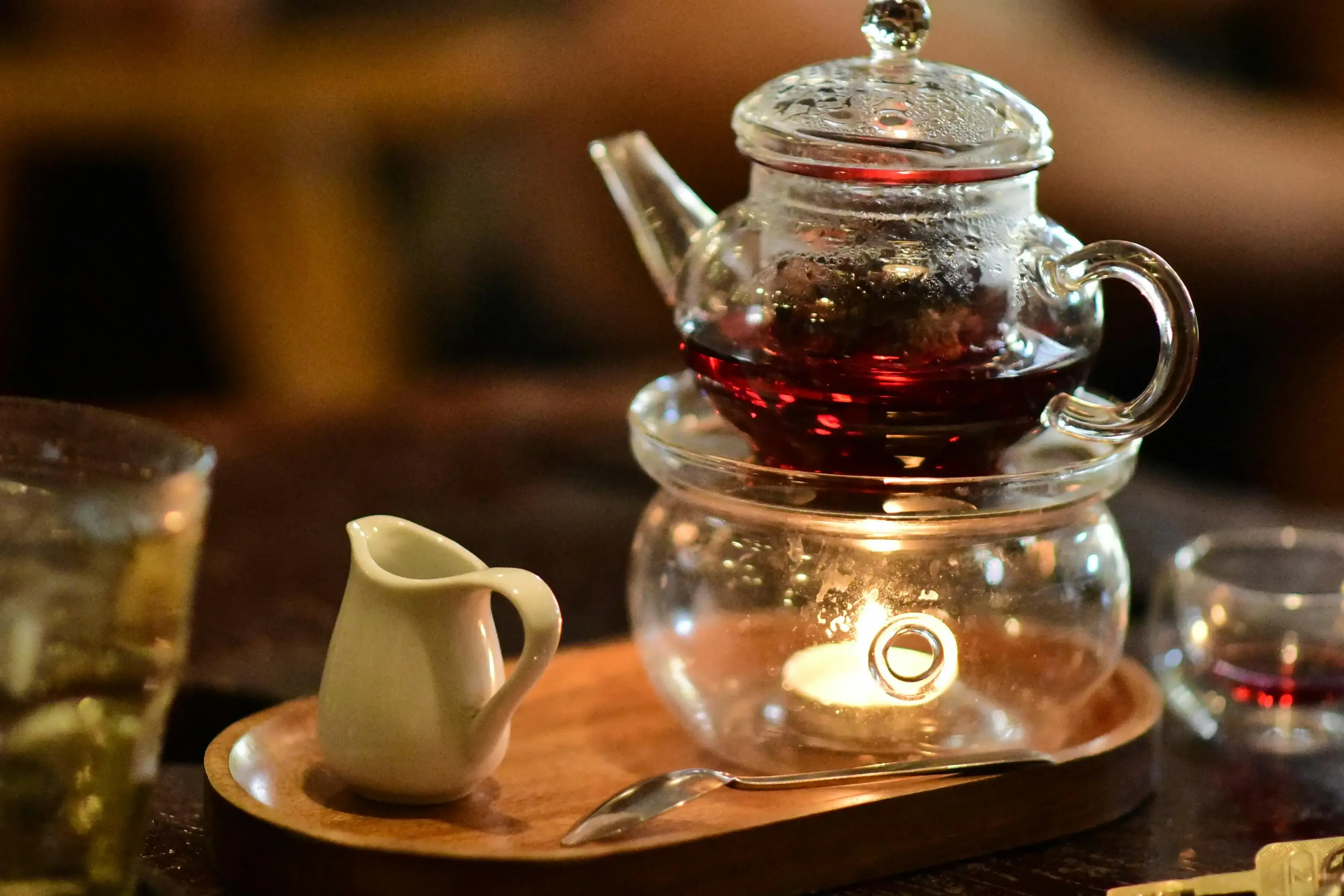
A simple cup, often served quietly in the intimate lounge area, resets the palate in a way that nothing else does. It clears the richness of barbecued beef short ribs, softens the oil from fried dishes, and allows the next bite to feel distinct again.
Unlike cocktails or sake, tea does not add complexity. It removes it.
That difference becomes noticeable the longer you stay at the table.
Tea Pairings Within the KOMA Experience
Not Highlighted, But Always Present Alongside the Venue's Extensive Sake List
KOMA does not position itself as a tea-focused restaurant. The emphasis remains on food, presentation, and atmosphere. But tea still finds its place within the flow of the meal.
After pre-dinner cocktails or even the venue’s creative new cocktails, tea shifts the tone of the evening.
It often appears:
- after heavier dishes
- toward the final courses
- or as a quiet ending to the meal
The pairing is not formal, but it works.
With dishes that rely on fresh ingredients and bold seasoning, tea acts as a neutral ground. It brings clarity back to the palate without distracting from the flavours that came before.
This complements the artfully curated selection of drinks, including yuzu sake and other Japanese spirits, enhancing the overall dining experience.
A Connection to Japanese Tea Culture
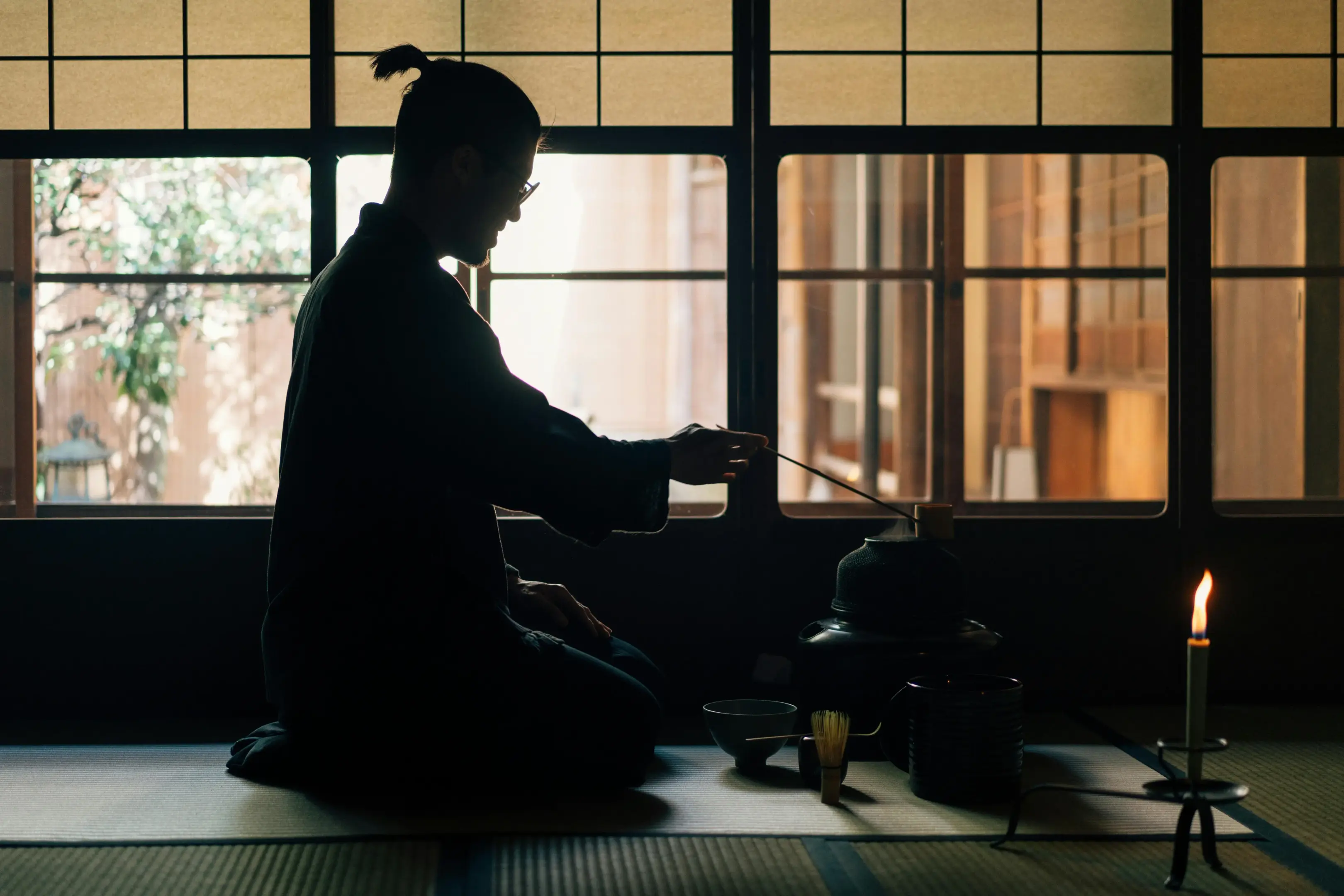
Subtle, But Intentional in a Venue Featuring Innovative Japanese Flavours
In traditional Japanese cuisine, tea is never the centre of attention. But it is always there.
It serves a purpose:
- to cleanse the palate
- to provide warmth between courses
- to mark the transition toward the end of a meal
At KOMA Singapore, this connection is subtle. The restaurant leans heavily into a dramatic modern Japanese restaurant identity, but traces of tradition still remain.
Tea becomes one of those traces.
Even within a space defined by visual spectacle, tea quietly anchors the experience back to something more familiar. Something rooted in balance rather than excess.
The Atmosphere and the Role of Tea in Slowing It Down
Finding Stillness in a Busy Room During Dinner Sunday
KOMA is rarely quiet.
The room moves constantly. Guests arrive, dishes are served, conversations rise and fall. It is part of the appeal.
But within that movement, there are smaller moments that feel more contained.
A cup of tea creates one of those moments.
It gives you something to hold onto. Something to focus on that is not the room, not the next dish, not the next course.
Just a pause.
In that sense, tea does something the rest of the experience does not try to do. It slows everything down without asking for attention.
The Overall Dining Experience at KOMA Singapore
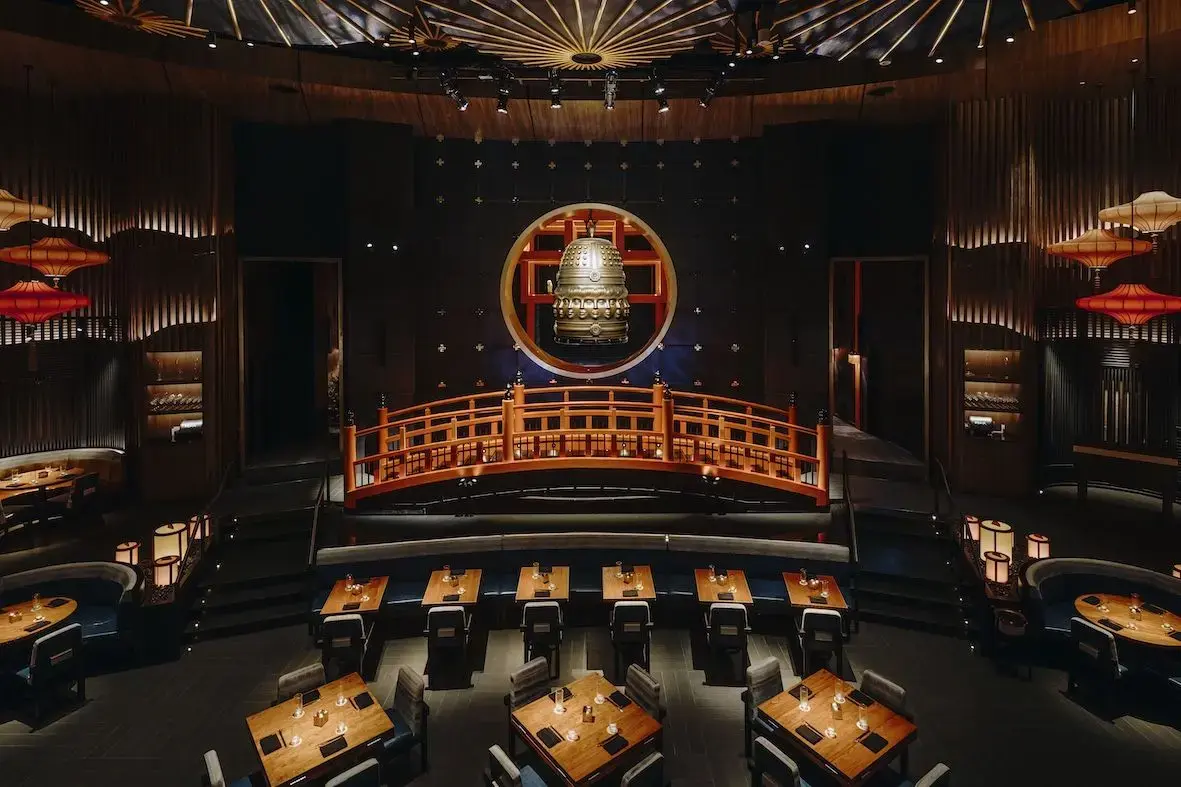
More Than Just a Japanese Restaurant and Sushi Bar
It would be easy to describe KOMA Singapore simply as a japanese restaurant and sushi bar known for good food and a dramatic setting.
And it is both of those things.
The combination of:
- a visually striking dining room with orange arches and a rising sun motif
- a menu built around premium ingredients like Kaluga Queen Oscietra caviar
- dishes with bold and distinct approach featuring Japanese flavours and inventive twists
makes it one of the more memorable restaurants in Singapore.
It works well for:
- date night
- celebrations
- group dining experiences
The presence of a private dining room also allows for more controlled, intimate settings within the larger space.
Where Tea Fits In
What makes the experience feel complete is not just the scale or the menu.
It is how everything settles at the end.
After the last dish, after the intensity of flavours, tea becomes the final note. It does not compete with the meal. It completes it.
Conclusion
KOMA is often approached as a destination for bold Japanese cuisine, and it delivers on that expectation with confidence.
The space is dramatic. The menu is expressive. The energy is constant. But what lingers is not just the spectacle. It is the quiet moments that follow.
Tea, in its simplest form, becomes part of that memory. Not as the main feature, but as the element that brings everything back into balance.
At KOMA Singapore, the experience may begin with impact, but it ends with something softer.
For more Asian tea culture contents, visit and read our article at Tea Manor Singapore.

Not All Comfort Is Sweet: The Bitterness I Now Appreciate
I used to think comfort was supposed to be easy. A familiar drink. A familiar taste. Something that immediately made me feel better. For a long time, I gravitated towards teas that were gentle. Soft flavours. Natural sweetness. Anything that felt welcoming from the first sip. Then I started appreciating bitter teas. Not because I…
-
Understanding the Herb Behind the Refreshing Cup: Peppermint Tea
There is a moment, just after the hot water meets the fresh peppermint leaves, when the whole room seems to change. A sharp, green coolness lifts from the cup and settles somewhere behind your eyes. Drinking peppermint tea does this quietly, without fuss. It asks for nothing and offers a great deal. Most of us…
-
Why Most People Hate Oolong: Overcomplicated Advice Ruined It
I have always found it interesting that oolong tea is one of the most misunderstood teas. People often describe it as complicated. Too many varieties. Too many brewing methods. Too many rules. The leaves should be prepared this way. The water should be at this temperature. The teapot should be a certain material. The first…
-
Kempinski Singapore High Tea Review: When Afternoon Tea Feels Like an Occasion
The rain had come and gone by the time I arrived, leaving the street outside slick and quiet. I stepped in without knowing quite what I wanted from the afternoon. Only that I wanted it to be slow. The Lobby Lounge at The Capitol Kempinski Hotel Singapore does not rush you. It waits. And there…
-
Scent, Memory, and a Kettle: How Tea Anchors My Days
There are certain smells that bring us somewhere else before we even realise it. The scent of rain on warm pavement. A familiar perfume. The food someone used to make when we were younger. For me, tea belongs in that category. Sometimes, before I even take a sip, the aroma is enough to bring back…
-
The Chinese Yixing Teapot: More Than a Teapot, a Living Tea Tradition
The first time I held a Chinese Yixing teapot, I wasn’t ready for how warm it would feel. Small, reddish-brown, sitting in my palm like a river stone that had been kept somewhere warm. I’d just rinsed it with hot water, the way you’re supposed to before the first brew, and the clay drank up…
-
Your “Tea Sommelier” Might Be Selling You a Vibe, Not a Better Cup
There is a particular moment that has become increasingly familiar in modern tea culture. A tea is presented. Before the first sip, we are introduced to its story. The region. The altitude. The history. The carefully chosen words that describe its character. Perhaps there are notes of wildflowers, distant forests, roasted grains, or forgotten memories….
-
Does Tea Contain Caffeine? Understanding What’s Really in Your Tea
There’s a quiet moment many of us know well. The kettle clicks off. Steam curls up. You wrap your hands around a warm cup and feel your shoulders drop, just a little. Tea has always carried this sense of calm, of slowing down. So it can feel almost contradictory to ask: does tea contain caffeine?…
-
“Detox Tea” Is Mostly Marketing: Here’s What Tea Actually Does
I have always found the phrase “detox tea” a little strange. Not because I dislike tea. Quite the opposite. Tea has been part of my daily life for years. I love the quiet ritual of choosing leaves, waiting for the water, and taking a moment to slow down. But somewhere along the way, tea became…
-
The Tea House That Time Did Not Forget: Tea Chapter Trading Pte Ltd
I almost walked past it. Located at Nine Neil Road, Tea Chapter Trading Pte Ltd sits quietly, a three-storey shophouse just across from Maxwell MRT in Singapore, its restored facade catching afternoon light. Around it, Chinatown moves at its usual pace. Inside, something slower has been happening since October 1989. I stepped in on a…