Some luxuries make a sound. Others barely announce themselves at all.
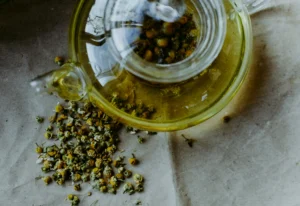
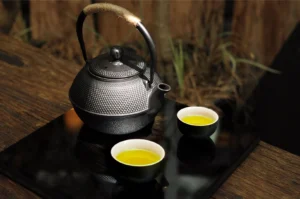
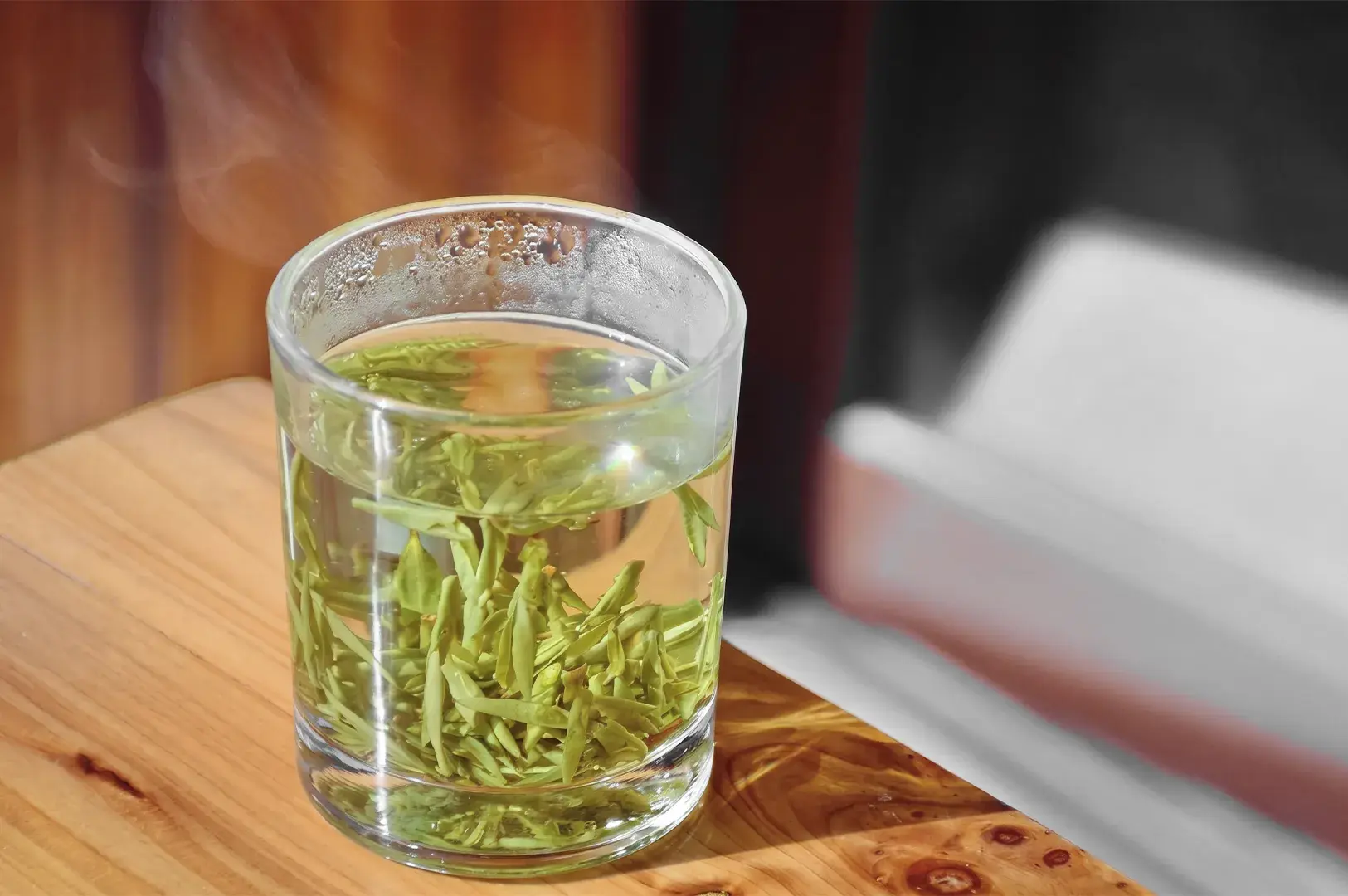
A small handful of flat, pale green tea leaves. Water allowed to cool after boiling. A glass, perhaps, so the leaves can be watched as they open and drift. Nothing about it is loud. Yet a fresh cup of Long Jing green tea carries a season inside it, and a great deal of human work.
In Singapore, where the year moves from hot to wet to hot again, spring is something most of us know from a distance. We do not feel the first warm weeks after winter or see tea trees pushing out new buds. A cup of spring green tea may be one of the few ways that season reaches us here.
This feature looks at why that cup can feel special. It considers where Longjing tea comes from, why spring timing matters, how skilled hands shape the leaves, and what it means to give a simple cup your full attention.
What Is Long Jing Green Tea?
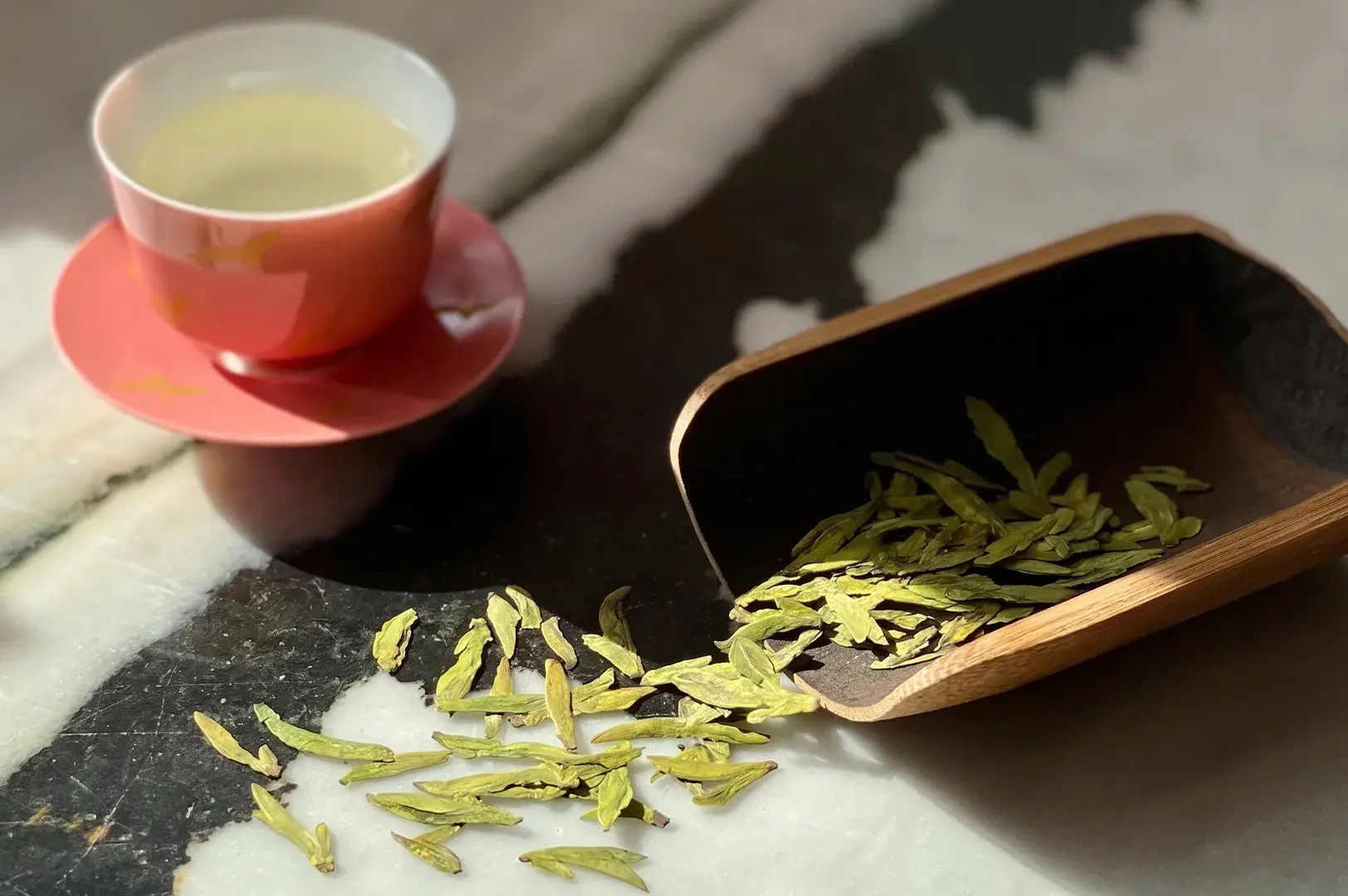
Long Jing, also written Longjing and often called Dragon Well tea in English, is a Chinese green tea from China. Its name literally translates as “dragon well.” According to the product specification for Longjing Cha registered as a geographical indication, the tea takes its name from its place of origin, linked to the Old Longjing Temple near Hangzhou in Zhejiang Province.
The same specification describes Longjing tea as famous for four qualities: its green colour, rich aroma, sweet aftertaste and beautiful appearance. It is also defined by its shape. Longjing is a flat tea, made from specific tea plant varieties and processed with particular techniques. This combination of appearance, aroma and flavor gives the tea its unique taste.
A tea with a long memory
The specification traces the tea's story back nearly a thousand years. It describes Longjing as originating in the Song dynasty, gaining its name in the Yuan, growing in reputation during the Ming and flourishing in the Qing. During the Qing dynasty, Longjing became associated with imperial tea through stories about Emperor Qianlong's visits to the region. These accounts remain part of the tea's cultural heritage, although the details are better treated as historical tradition than independently established fact.
It connects the tea to monks and writers who gathered near Lion Peak Mountain, including the Northern Song poet Su Dongpo, who wrote in praise of the fresh spring buds. A Ming-era county record, as translated in the specification, even compared the tea's fragrance to tofu pudding.
I find that detail quietly charming. It is not a grand comparison. It is a homely one, the kind a person makes when they are trying to describe something real. Longjing has been served to guests and given as gifts, but its appeal is not only ceremonial; it is also an elegant, everyday pleasure for anyone who enjoys tea.
West Lake Longjing and the Wider Longjing Region
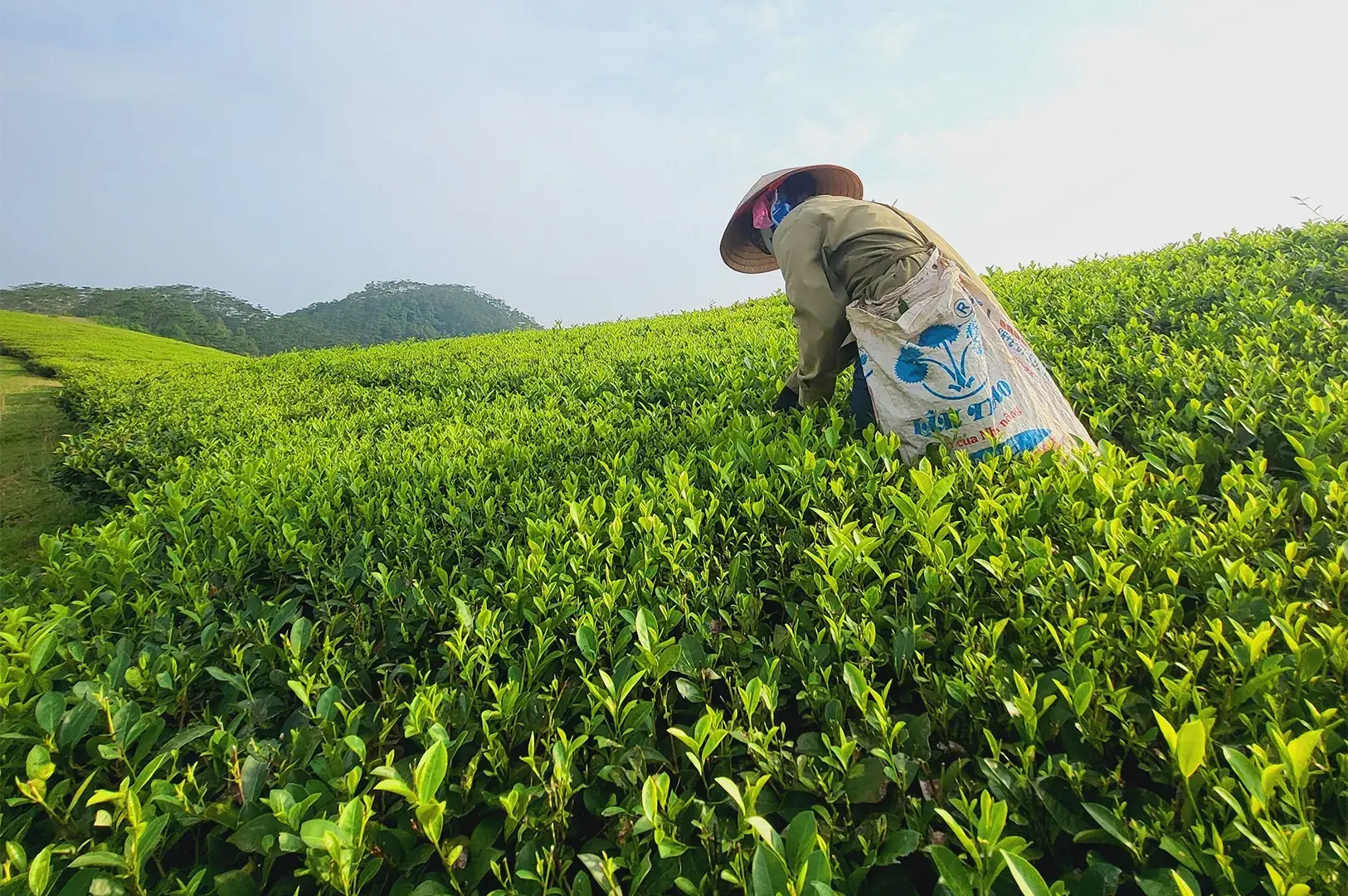
Many people assume that every Longjing comes from West Lake. That is not quite true, and the distinction matters.
The geographical indication specification names three designated growing regions for Longjing Cha:
- Xihu, the West Lake scenic and historic district of Hangzhou
- Qiantang, which covers several counties and districts of Hangzhou, including Xiaoshan, Yuhang, Fuyang, Lin'an, Tonglu, Jiande and Chun'an
- Yuezhou, which covers areas around Shaoxing, including Xinchang, Shengzhou and Zhuji, along with towns in several nearby counties
All three are recognised regions for Longjing. According to the specification, packaging should state the growing region. Only tea picked and processed in the Xihu district can be labelled as Xihu Longjing, which is what most people mean when they say West Lake Longjing. Shi Feng, or Lion Peak, is one particularly well-known area within the West Lake region.
Why the label deserves a second look
This is useful knowledge for anyone buying tea in Singapore. A tea called Longjing may come from any of the three regions. That does not make it lesser. It simply tells you something different about where it grew.
The specification also describes a certificate system for plantations within the geographical indication area. It is meant to trace fresh tea leaves back to registered gardens. For a curious drinker, asking about origin is not fussiness. It is a way of respecting where the tea came from. Longjing is sometimes compared with other green teas, but the growing place and making style can give each tea its own character; white teas, by contrast, are processed differently.
The land beneath the leaf
The growing area sits in the river basins of the Qiantang and Cao'e rivers, among hills, lakes and mountains. The specification describes a subtropical monsoon climate with four distinct seasons, steady rainfall and humid air. Its soils are mostly red and yellow, and slightly acidic.
Local stories also link the tea's name to a well whose relatively dense water can look distinct after rainfall. In the telling, lighter rainwater floating across the dense water creates a twisting boundary that may resemble the movement of a Chinese dragon. The image is poetic rather than a tasting rule, but it captures how landscape and story have become part of Longjing's identity.
Those details may seem technical. But they remind us that a tea is first a plant, and a plant belongs to its place. Water matters, too: well water has long featured in accounts of how tea might be prepared, although good, clean water is the practical priority for a cup today.
Why Spring Matters for Longjing Tea
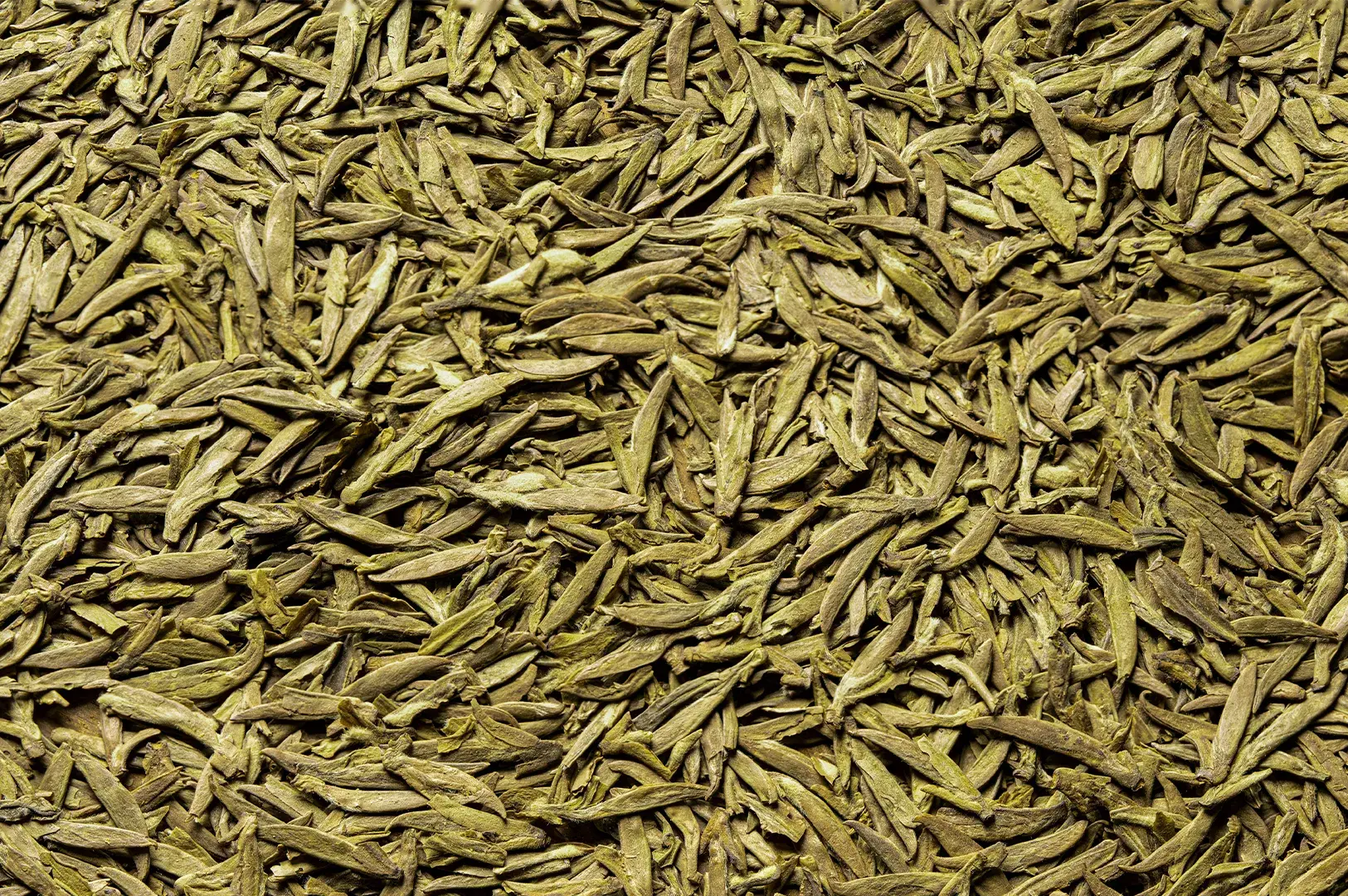
Long Jing is closely tied to spring. The specification describes three guiding principles for picking: early, tender and diligent.
It also explains when harvest begins. Picking starts once enough tender buds have appeared on the surface of the tea bushes. In spring, the tea should be picked every day or every other day, while summer and autumn harvests can follow longer intervals. The brief arrival of new shoots is part of the tea's freshness and appeal.
Early spring and the Grain Rain harvest
In tea circles, you will often hear about pre-Qingming tea. Qingming is a seasonal marker in the traditional Chinese calendar that falls in early April. Leaves picked before it are often described as among the earliest and most tender of the year.
Guyu, or Grain Rain, comes a little later in April. The historical records quoted in the specification praise tender buds picked before Guyu, describing them as rare and prized. So the idea of early spring tea being special is not new. It runs through centuries of writing about Longjing. The best harvest is not simply a date on a calendar: weather, the garden and the maker all contribute to the final cup.
Early is not the same as better
Still, it is worth holding that idea gently. An early harvest does not automatically make a better cup. Weather changes from year to year. Gardens differ. A skilled maker working with later spring leaves may produce a more satisfying tea than a careless one working with the earliest buds.
Price and origin follow the same rule. They can tell you about scarcity and place. They cannot promise how a tea will taste in your cup. The specification itself sets out several grades of Longjing, from Special Grade down to Grade V, each with its own sensory standards. The grades are divided by standards of leaf and liquor quality. Quality, in other words, is something to be judged, not assumed.
The Hands Behind the Leaf
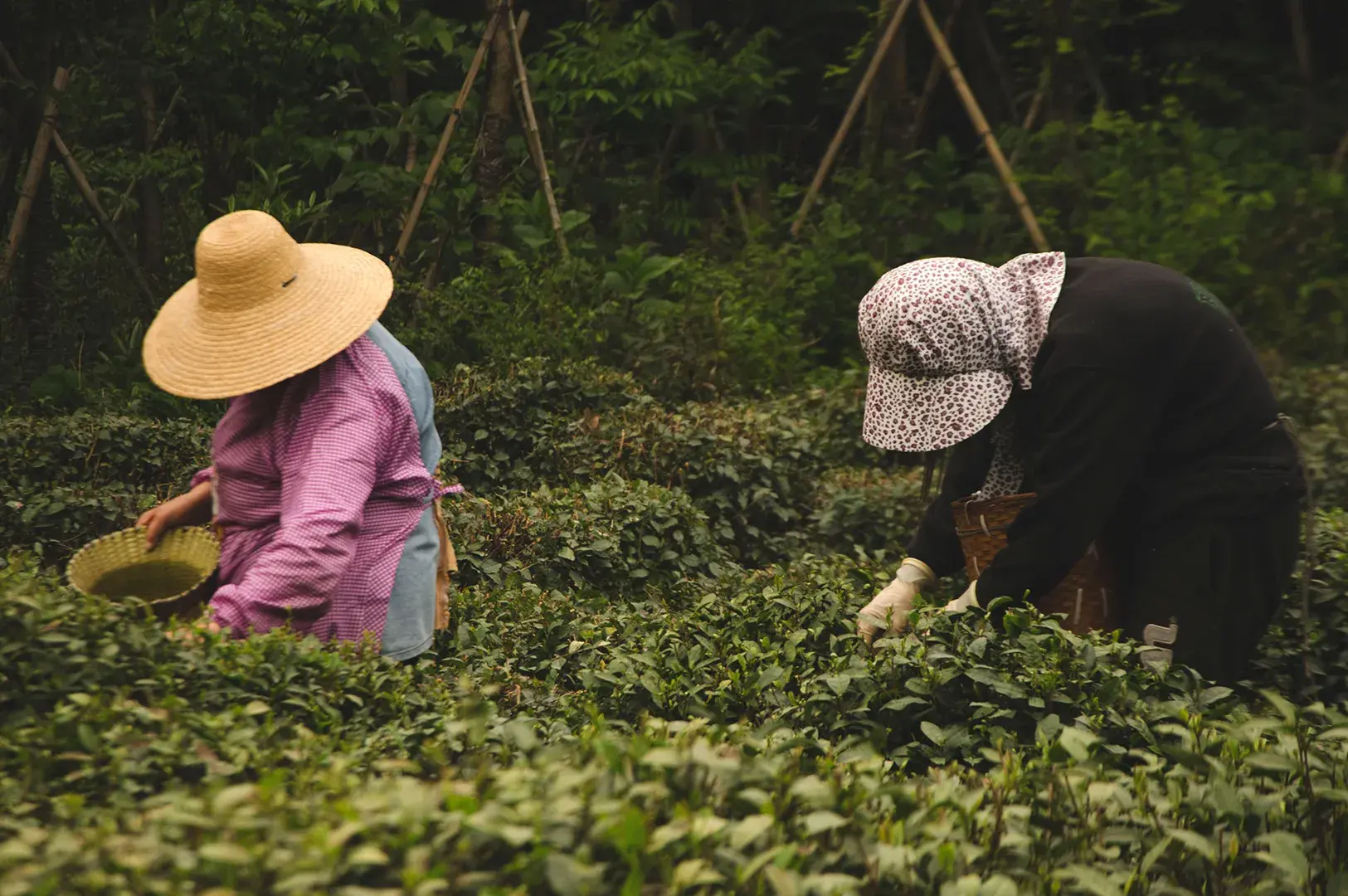
It is easy to forget, while drinking, how many people a cup of tea passes through. With Long Jing, that chain of care begins in the garden.
Picking with care
The specification describes a picking technique with the palm facing down. The picker nips the tender stem between thumb and index finger, then turns the wrist so the bud falls into the palm. Pinching, scratching or stripping leaves along the branch is not allowed.
After picking, fresh tea leaves are placed in well-ventilated baskets and kept out of sun and rain. They should reach the processing site within four hours. Even at this stage, the tea is being protected.
Two woks, two stages
The heart of Longjing's craft is pan-firing. Unlike many other green teas that are steamed, Longjing is shaped and dried in heated woks. The specification sets out the sequence: slight withering, then the first firing, a period of cooling and moistening, and then the second firing.
The first stage is called Qingguo. Here the wok is hot, around 90 to 100°C, with the heat starting high and easing lower. The leaves are worked for roughly 12 to 14 minutes until they turn an even bright green and most of their moisture has gone. As the maker works, pressure moves from light to heavy, and the leaves begin to flatten.
After resting, the leaves move to Huiguo, the second firing. The wok is cooler, around 60 to 70°C. Two batches from the first stage are combined into one. Over 15 to 20 minutes, the leaves are pressed flat, straight and smooth until fully dry, with pressure following a light, heavy, light rhythm.
The ten techniques
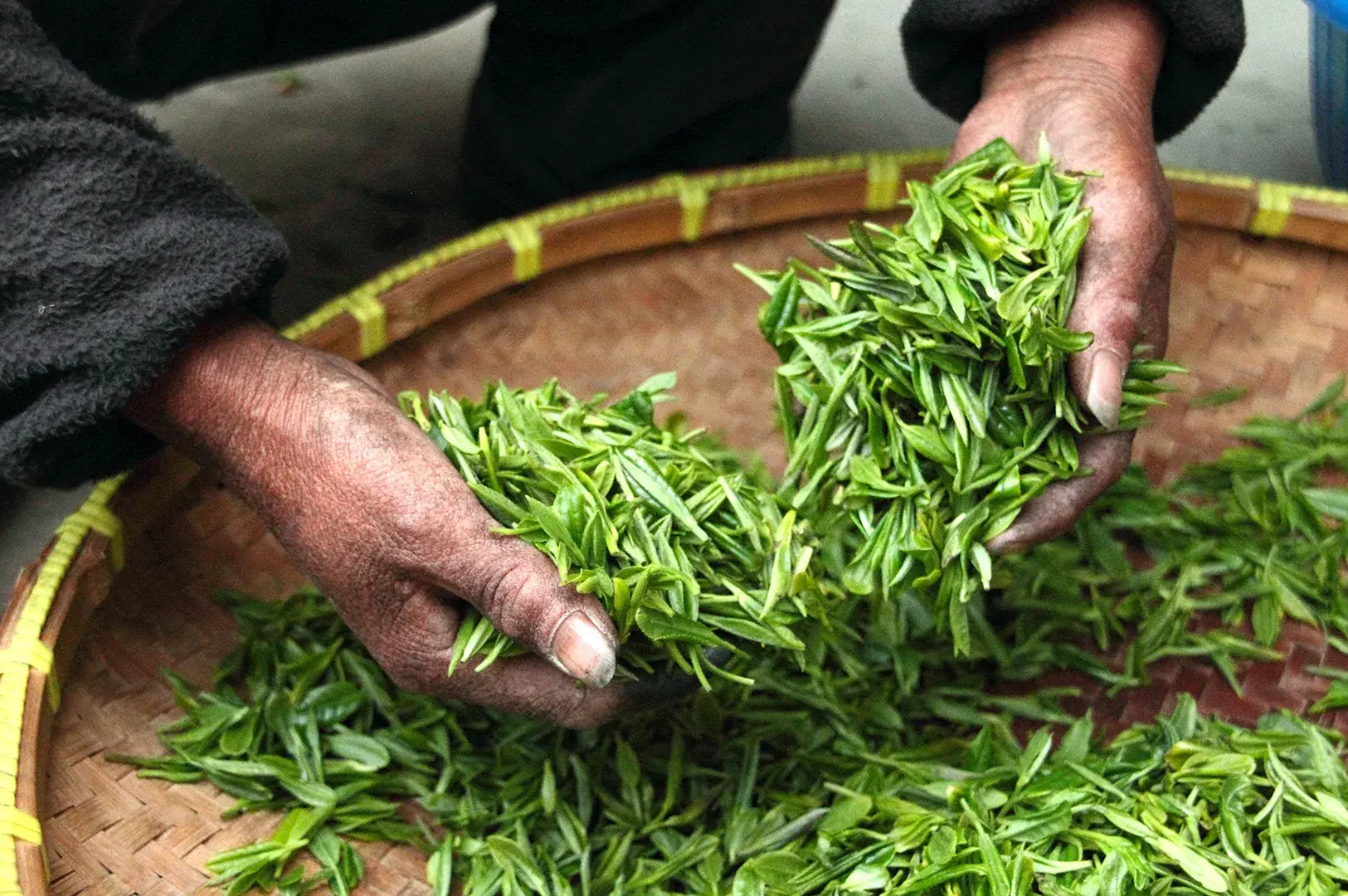
What makes this so remarkable is the movement of the hands. The specification refers to the “ten roasting techniques,” a set of hand movements that include shaking, pushing, flinging, pressing, rubbing, knocking, scratching and grinding. Each one shapes the leaf a little more.
Together, they create Longjing's familiar look: flat, smooth, straight leaves with a gentle point at the tip. The pan-firing also helps temper a raw, grassy or vegetal edge, while developing a warm aroma that can suggest roasted chestnut. Some drinkers describe a soft, chestnut-like sweetness alongside the tea's mellow flavor and subtle scent.
Not every Longjing is made entirely by hand. The specification notes that traditional stoves, electric stoves and other machines may all be used, as long as the process meets the required standards. That honesty matters. The craft lives on in different forms, and the hand-fired tea remains one expression of it rather than the only one.
Back to the Cup
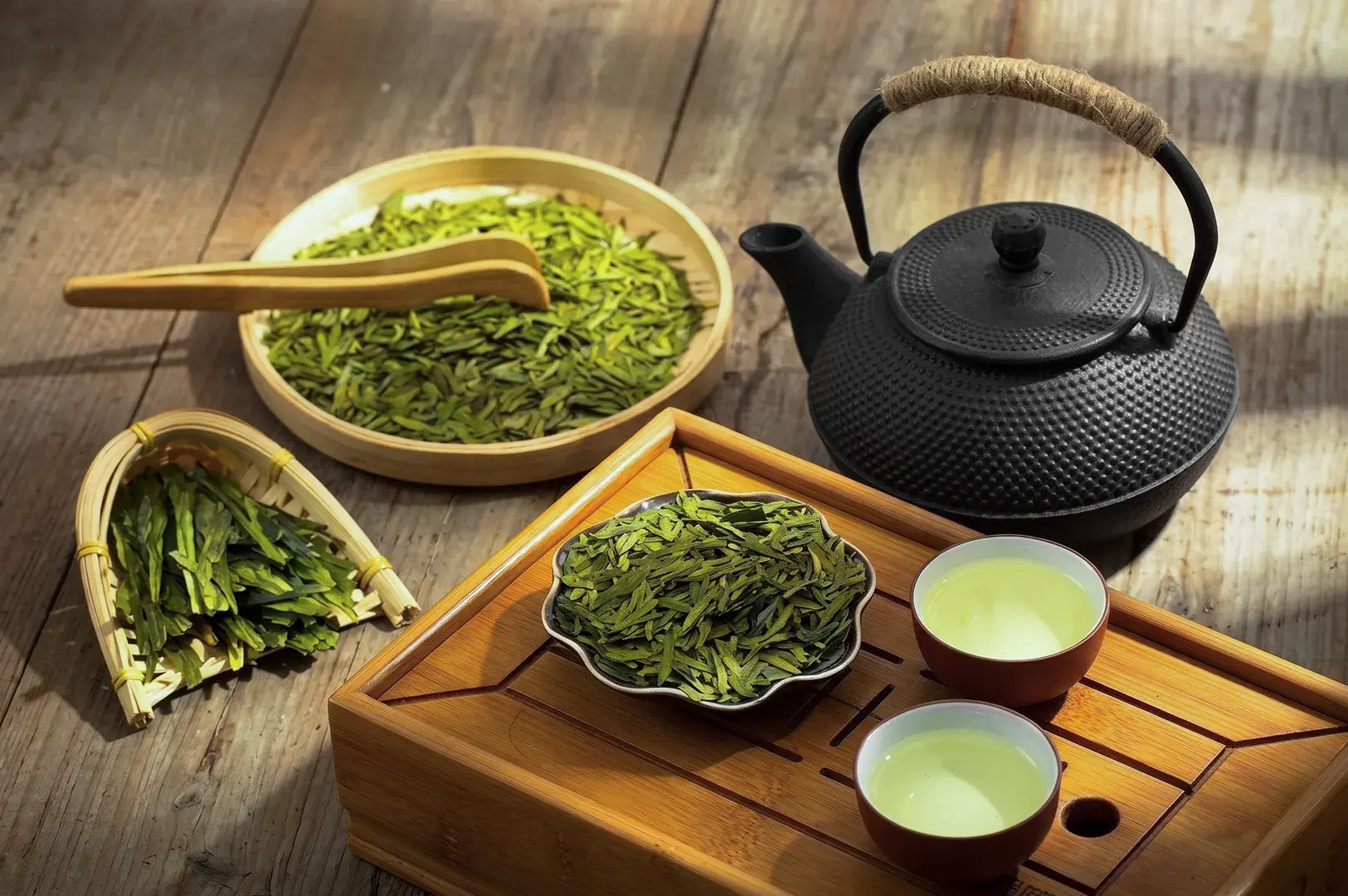
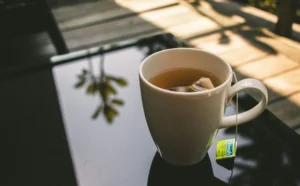
After all that work, the tea finally reaches the water. To brew Longjing, use water that has cooled somewhat after boiling and avoid treating one steeping time as universal; leaf quantity and preference matter. A gentle infusion lets the leaves open and makes it easier to notice how aroma and flavor develop.
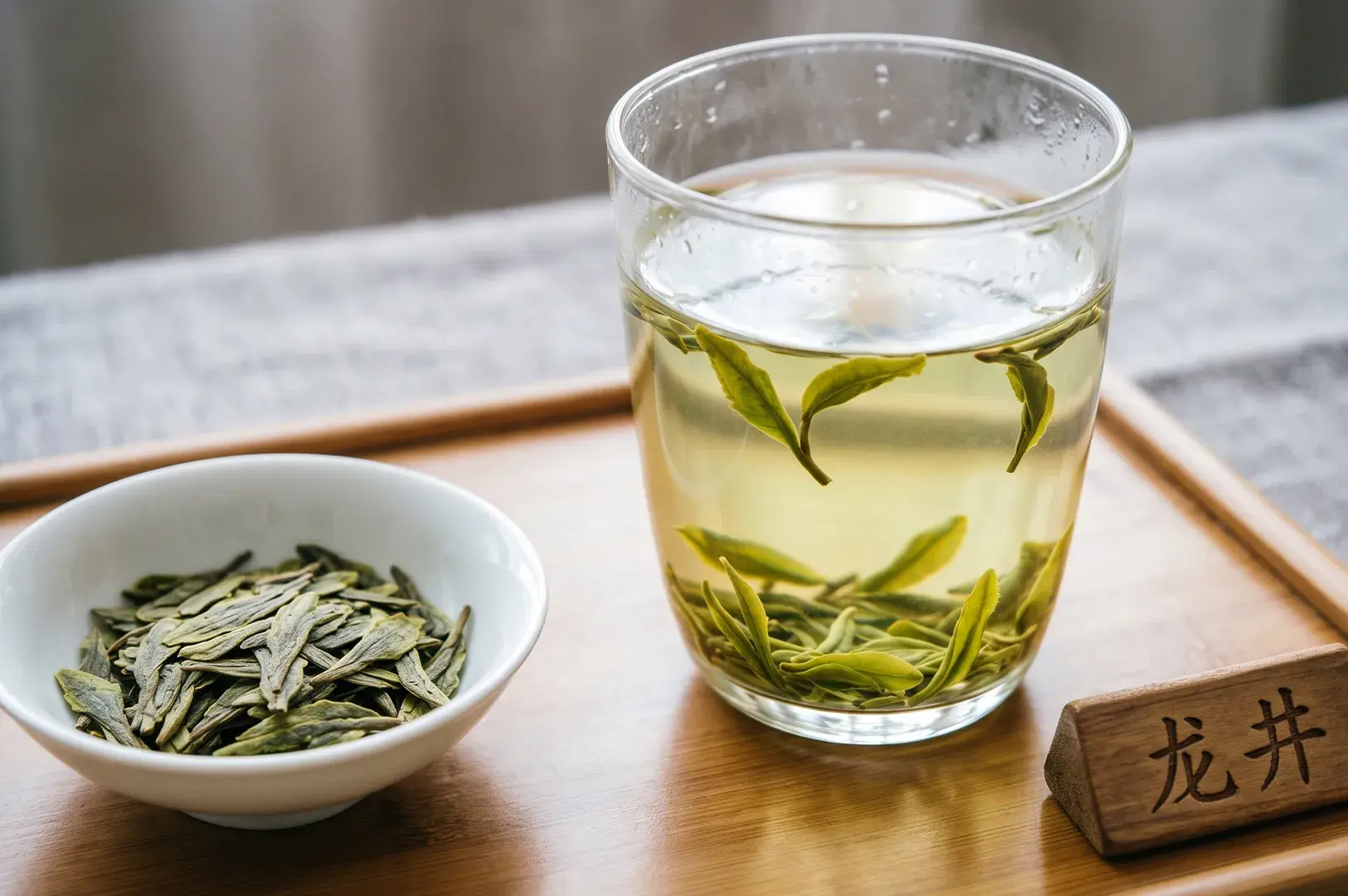
The finest grades, according to the specification, show a tender green, bright and clear liquor, with a lasting fragrance and a taste described as brisk and sweet. Lower grades are described as more mellow, pure or mild. The leaf, once steeped, should look tender and fresh. A fantastic cup need not be complicated: clean water, good leaves and a little attention are a fine starting point.
These are standards, though, not promises. Every harvest, garden and maker leaves its own trace. Two cups of Longjing tea can feel quite different, and that variation is part of what makes the tea worth returning to. The flavour may be mellow and rounded, with a gentle freshness rather than a forceful, grassy note.
The value of paying attention
This is where the quiet luxury lies.
It is not in the price tag or the prestige of a name. It is in noticing. The colour of the liquor in a glass. The way a fragrance lingers, or fades. Whether the sweetness arrives at first sip or only afterwards, as the cup cools. A roasted chestnut aroma, a delicate vegetal note, or a lingering chestnut-like sweetness may emerge in one infusion and shift in the next.
Long Jing rewards that kind of slowness. It is not a tea that shouts for attention. If you rush it, you may miss it entirely. The best approach is to let each cup reveal its essence in its own time, rather than expecting every harvest or style to taste the same.
An Invitation to a Spring We Rarely See
In Singapore, we will not watch tea bushes wake up after winter. We will not see pickers moving between rows on a cool April morning.
But we can still meet that season in a cup. A spring green tea like Long Jing carries the work of growers who tended the soil, pickers who chose each bud with care, and makers whose hands knew when to press harder and when to ease off. Its story joins place, craft and tradition in a small, quiet ritual.
So the next time you come across Long Jing green tea, take a moment before you drink. Ask where it was grown. Look at the flat leaves before they touch the water. Then let the cup tell you what kind of spring it came from.
It may not be a grand experience. But it will be a true one.

Brew, Sip, Heal: The Powerful Chamomile Tea Benefits Explained
Singapore is a city that rarely stops moving. Between the hum of the MRT, the endless glow of screens, and the heavy humidity that clings to the air, finding a moment to genuinely wind down can feel like a luxury. For the longest time, my evening routine consisted of scrolling through my phone while finishing…

Why Tea Feels Different at Night
Tea changes after dark. The same leaves, brewed in the same pot, somehow feel quieter in the evening. The aroma lingers longer. The warmth of the cup feels more noticeable in the hands. Even conversation seems to soften slightly around tea at night. Perhaps it is because the world itself becomes quieter. During the day,…

Tea Health Benefits: Best Teas for Relaxation, Focus, and Sleep
Tea is one of the world’s most beloved drinks, enjoyed every day across countless cultures. When we talk about tea health benefits, it’s helpful to know the difference between true tea and herbal infusions. True tea comes from the Camellia sinensis plant, giving us popular varieties like green, black, white, and oolong tea. On the…

The Secret Joy of a Simple Cup of Tea
There’s something so deeply satisfying about a cup of tea-especially when it’s the simplest cup. No complicated brewing methods. No fancy leaves. Just tea, water, and a moment of quiet. I’ve had tea in many places, from grand tea houses to humble kitchen counters. But the most memorable tea moments often happen in the least…
-
A Quiet Tea Café in Somerset: Inside the Experience at Hvala
Amid Singapore’s bustling shopping hubs like Orchard, Club Street, and Tanjong Pagar, finding a peaceful spot to unwind can be a challenge. Hvala, a minimalist tea cafe Singapore locals and visitors adore, offers a serene teahouse experience brimming with natural light and calm vibes. Located on the ground floor of 111 Somerset, this bright, inviting…
-
The Tea We Return To Again and Again
Most tea drinkers have one. A tea they continue returning to, even after trying countless others. It is rarely the rarest tea they own. Often, it is not even the most impressive. It may lack the complexity of aged teas or the elegance of carefully crafted harvests. And yet, somehow, it becomes the tea they…
-
Pek Sin Choon vs Modern Teaware Shops: Two Tea Traditions in Singapore
Walking through Chinatown’s Mosque Street, you encounter two distinct tea traditions that embody Singapore’s rich heritage and evolving culture. Pek Sin Choon, one of the oldest tea merchants in Singapore, stands as a living root of Chinese tea culture, while modern teaware shops offer a fresh perspective on tea appreciation through design and brewing systems….
-
Why I Stopped Saving My “Good Tea” for Special Occasions
For the longest time, I treated my favorite teas like they needed a reason. I would buy something beautiful, maybe a delicate oolong or a tea that smelled faintly floral the moment I opened the tin, then immediately start rationing it in my head. I’ll save this for guests. For weekends. For days that feel…
-
Teapot Set: How It Shapes the Tea Experience
On certain afternoons in Singapore, when rain softens the edges of the day, I find myself lingering before the water reaches its boil. The teapot rests nearby, waiting. There is always a moment like this before tea (quiet, unhurried) when the world seems willing to pause with you. A teapot set belongs to these moments….
-
The Quiet Difference Between Drinking Tea Alone and With Someone
There are days when I reach for tea just to sit with myself for a while. No distractions, no need to fill the silence. Just the slow rhythm of pouring, waiting, sipping. When I’m alone, tea feels almost like a pause button. The kind that lets the day settle a little before continuing. But tea…