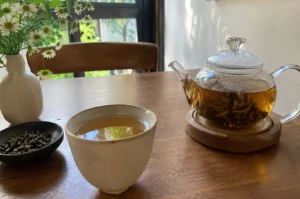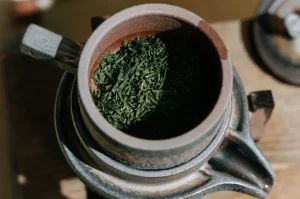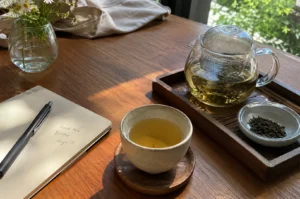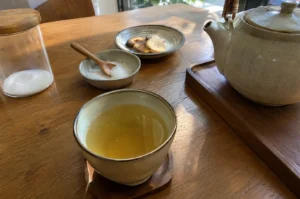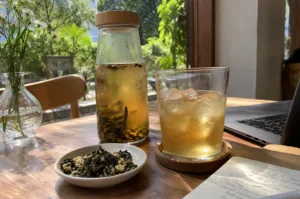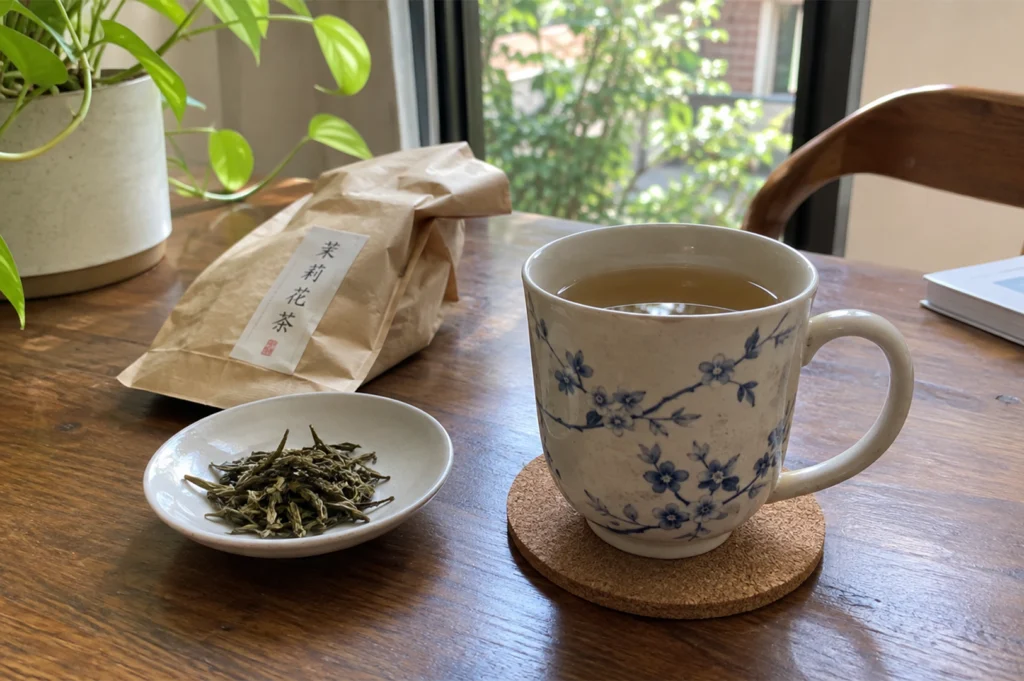
There is something reassuring about making tea in an ordinary mug.
No carefully arranged tray. No matching cups. No elaborate preparation.
Just leaves, hot water, and a few quiet minutes.
I have always appreciated beautiful teaware. A well-made gaiwan, a traditional clay teapot, or a thoughtfully arranged tea table can bring a certain pleasure to brewing. These objects carry knowledge, craftsmanship, and sometimes generations of tradition.
But I wonder when we began treating them as requirements.
Tea culture has accumulated an impressive collection of equipment. We speak of vessels, materials, temperatures, and techniques with considerable seriousness.
Much of this knowledge is valuable.
Yet I sometimes worry that we have made the appearance of tea preparation more important than the experience itself.
A cup of jasmine green tea does not become less fragrant because it was brewed in a kitchen mug. A good Assam does not lose its character simply because the person preparing it owns no specialised equipment.
The leaves respond to water and time.
Not to the beauty of the table.
Of course, different vessels can influence how tea brews. A gaiwan allows greater control over successive infusions, while certain teapots offer their own practical advantages.
There is satisfaction in learning these distinctions.
But knowledge should expand our enjoyment, not establish conditions for it.
I think about how easily we postpone simple pleasures while waiting for the right circumstances. The better teapot. The proper cups. A quiet afternoon when everything can be arranged perfectly.
Meanwhile, the tea remains untouched.
Perhaps we have misunderstood what makes a tea ritual meaningful.
It is not necessarily the equipment, nor the precision of our movements. Sometimes it is simply the decision to pay attention to something ordinary.
To notice the fragrance.
To taste without distraction.
To allow a familiar cup a little space in the day.
I would never discourage someone from collecting beautiful teaware. There is genuine pleasure in craftsmanship, and much to learn from traditional methods.
But I would rather see someone enjoy tea imperfectly than hesitate because their kitchen lacks the proper arrangement.
A tea setup can deepen an experience.
It should never become the price of admission.
The mug you already own is enough to begin.
With quiet regard,
N. P. Lim

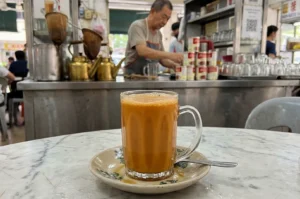
How to Order Tea in Singapore: A Quiet Guide to Kopi and Teh
The order is often over before you notice it began. A few syllables are spoken across the counter. There is no menu consulted, no pause, no follow-up question. The drinks uncle nods, reaches for a tin, and a few moments later a glass of tea arrives: milky, sweet, and exactly what was asked for. To…
-
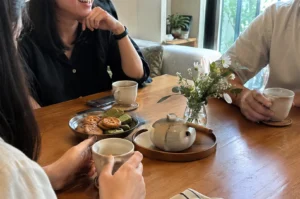
Tea as Hospitality: The Small Gestures That Make a Home
Tea as Hospitality: The Small Gestures That Make a Home I think we sometimes make hospitality sound more complicated than it needs to be. A beautifully arranged dining table. Matching plates. Fresh flowers. Something impressive coming out of the oven just as everyone arrives. All lovely things, of course. But when I think about the…
-
Genmaicha Green Tea: The Unexpected Marriage of Rice and Leaves in Japanese Green Tea
Some teas announce themselves before the cup reaches the lips. The water goes in, and almost at once the air changes. The scent is not grassy or floral but toasted, something like rice left a moment too long in a dry pan. Look into the cup and a few small grains may drift near the…
-
Tea Snobs Made Brewing Hard—So I’m Making It Simple Again
Tea Snobs Made Brewing Hard—So I’m Making It Simple Again There was a time when I thought I was making tea incorrectly. The water was probably too hot. The leaves were probably wrong. The pot was certainly not the right one. At least, that was what I had been led to believe. Tea culture can…
-
The Leaf That Waits in the Dark: Understanding Gyokuro Tea
Anyone who has waited at a bus stop at midday in Singapore knows how much shade matters. You step under the roof, the glare softens, and everything slows down a little. Tea plants respond to shade too, though in their own way. In parts of Japan, farmers deliberately cover their tea bushes in the weeks…
-
What “Quality” Really Means (To Me) When Choosing Tea
I used to think choosing good tea meant knowing what to look for. The right origin. A respected producer. Beautiful leaves. A good harvest. Maybe even a price tag that made me think, “This must be worth it.” Over time, I realised I was making tea shopping much harder than it needed to be. Because…
-
Tea Cocktails: The Rise of Tea-Infused Mixology in Modern Bars
Tea usually arrives quietly. Steam rising from a pot, a cup set down on a saucer, the scent of roasted tea leaves or jasmine drifting across a kitchen table. A cocktail bar keeps a different rhythm. The light is low, the glassware is chilled cocktail glass, and ice rattles sharply in a cocktail shaker. Yet…
-
Stop Adding Sugar First: You’re Training Your Tongue Wrong
There is a habit I have noticed among tea drinkers. Sugar goes in before the first sip. Perhaps it is only a small spoonful. Perhaps two. But the tea is sweetened before it has been given a chance to introduce itself. I used to do this too. It seemed harmless. Tea was bitter, sugar made…
-
Is Tea a Diuretic? What Your Daily Cup Really Does for Hydration
Picture a sticky afternoon in Singapore. The kind where the air sits heavy on your shoulders and the walk from the MRT feels longer than it should. You reach for something cold. Maybe a teh peng from the drinks stall, ice clinking in a plastic cup. Maybe a bottle of green tea from the convenience…
-
Cold Brew Tea Isn’t Lazy, Hot Purists Just Don’t Like Being Wrong
I used to think cold brew tea was cheating. Not seriously, of course. But there was something about it that felt almost too easy. No kettle. No worrying about water temperature. No watching the clock while the leaves steep. Just tea, cold water, and a little patience. It seemed suspiciously effortless. Then I actually started…